CAPAZINE workshop
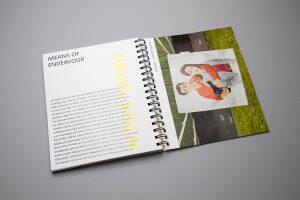
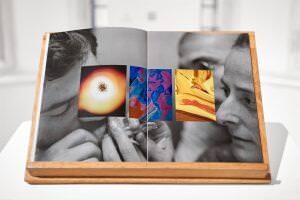
CAPAZINE is the Capa Center’s internationally experienced photographic periodical of thematic issues. The creation of each issue is preceded by a group workshop with CAPAZINE workshop leaders and invited speakers for at least six months. Our aim is to be represented at most European photography events and festivals with the finished publication.
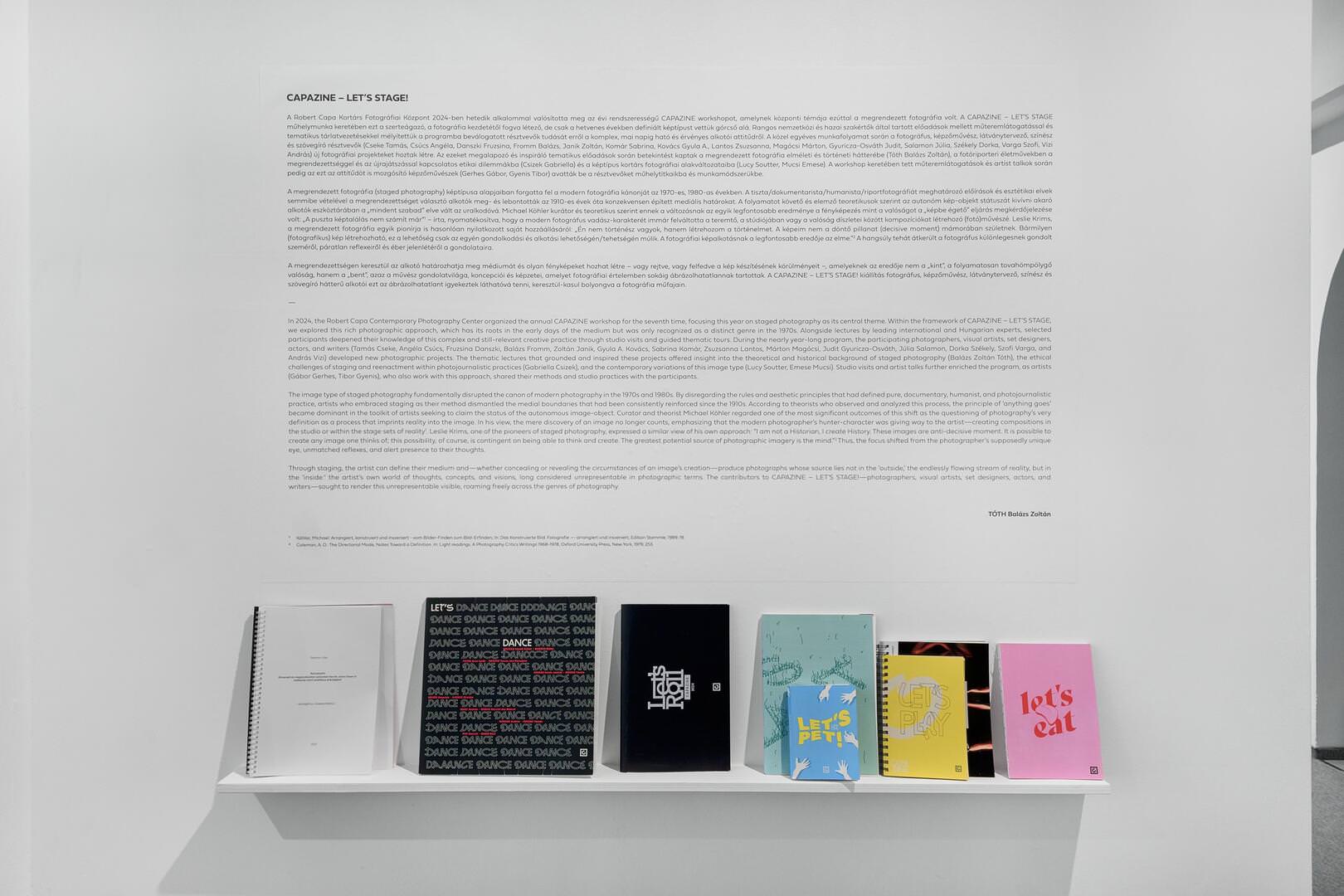
CAPAZINE volumes
Vol. 07
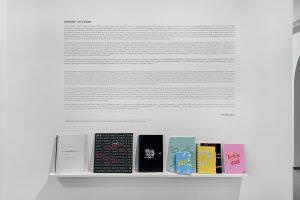
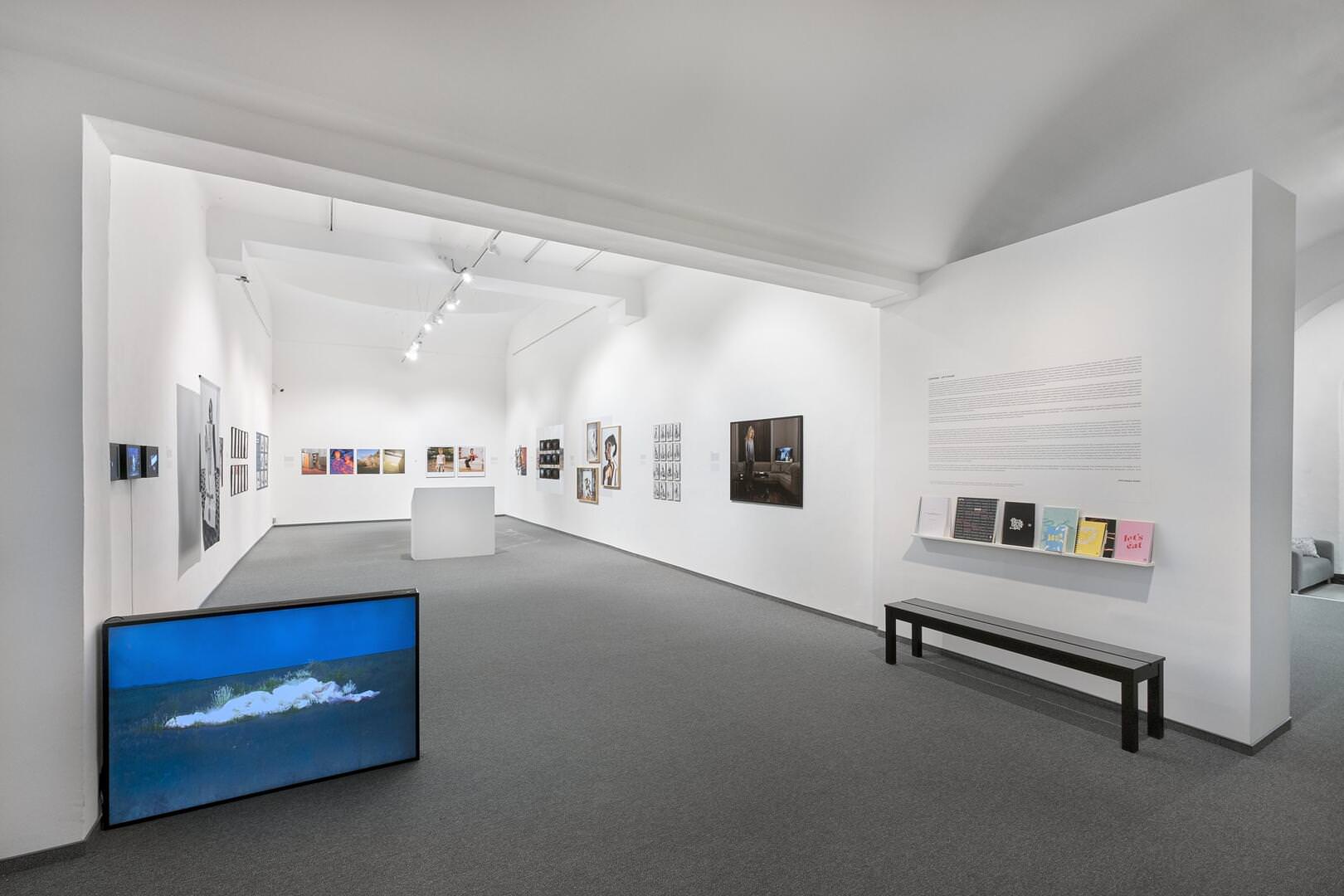
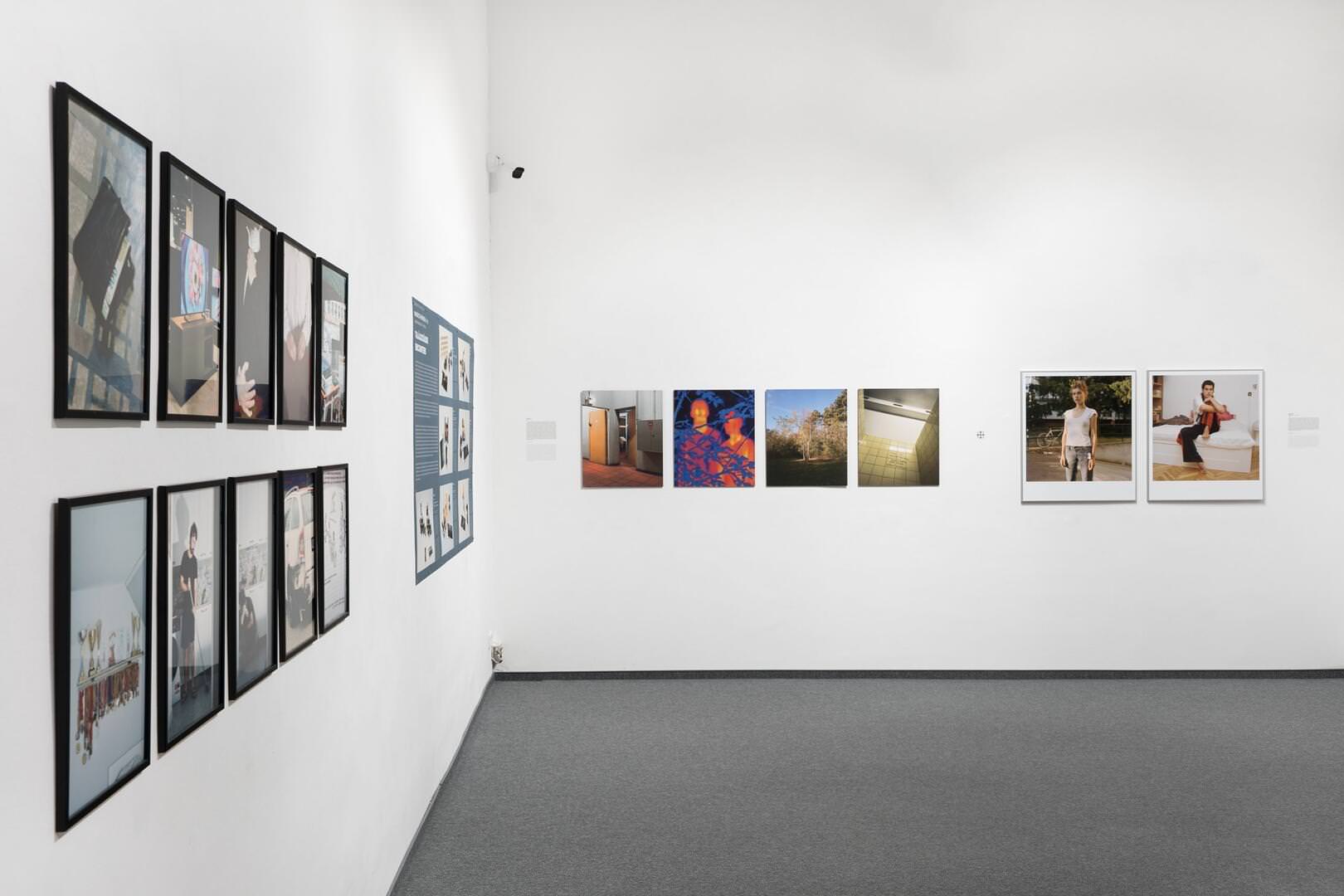
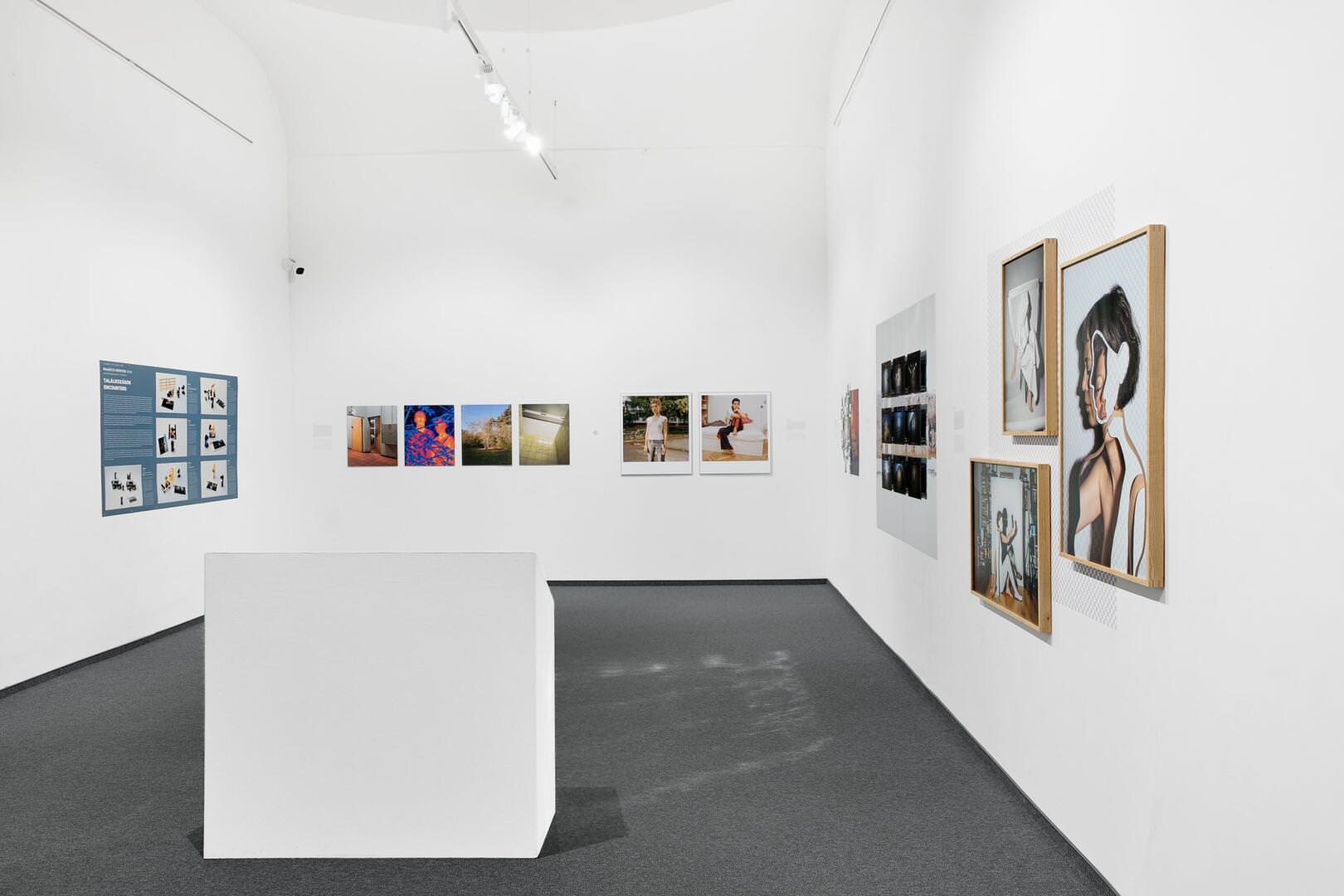
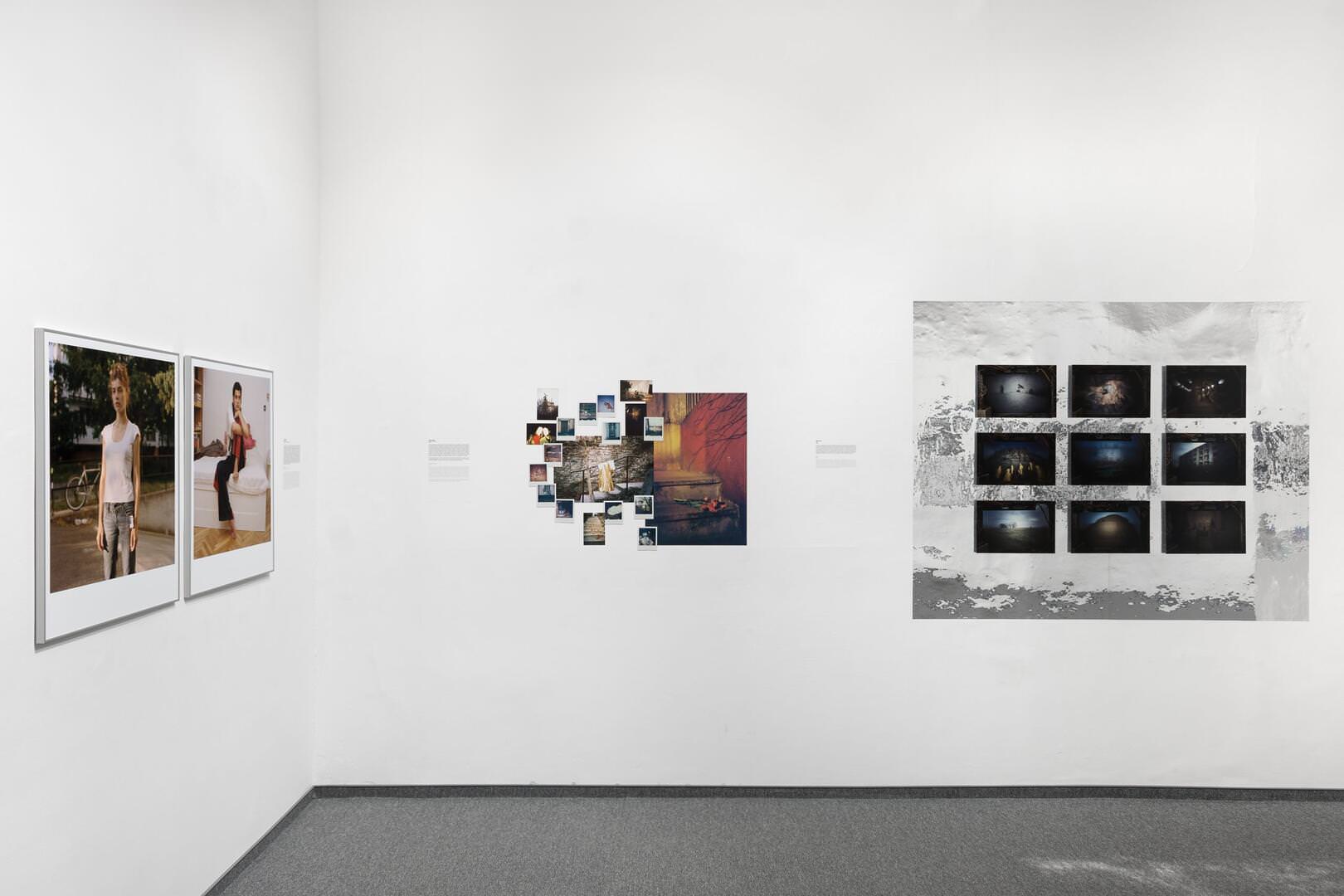
LET’S STAGE
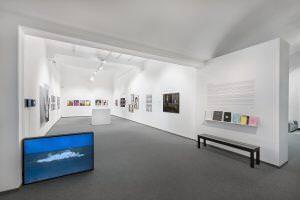
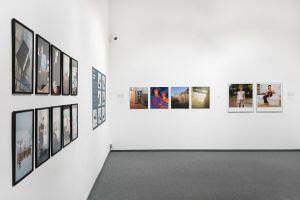
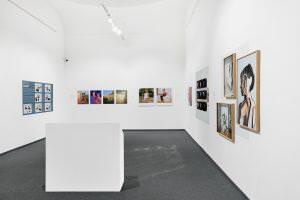
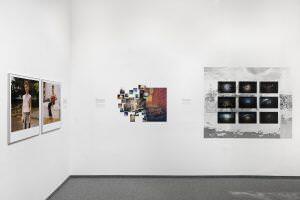
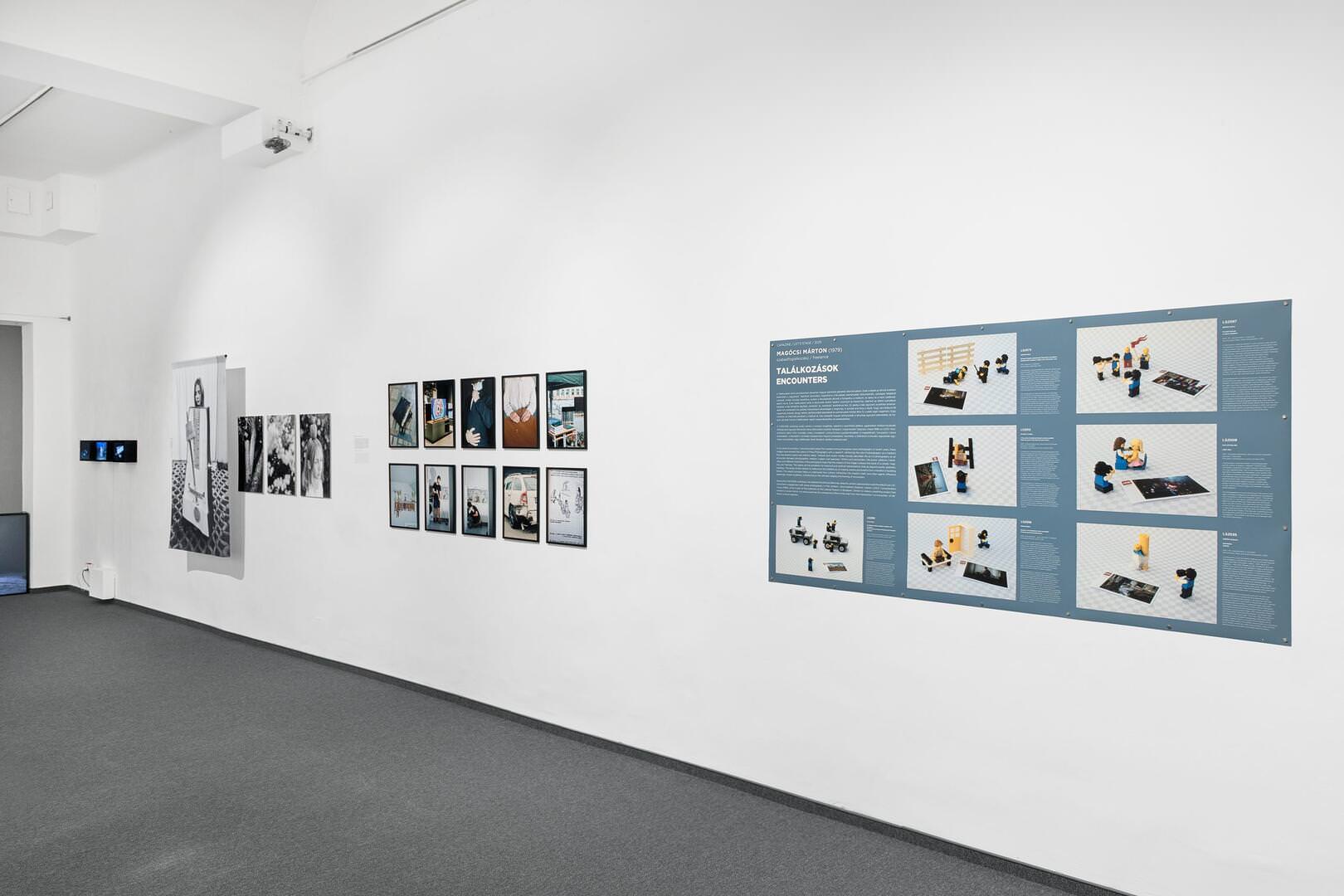
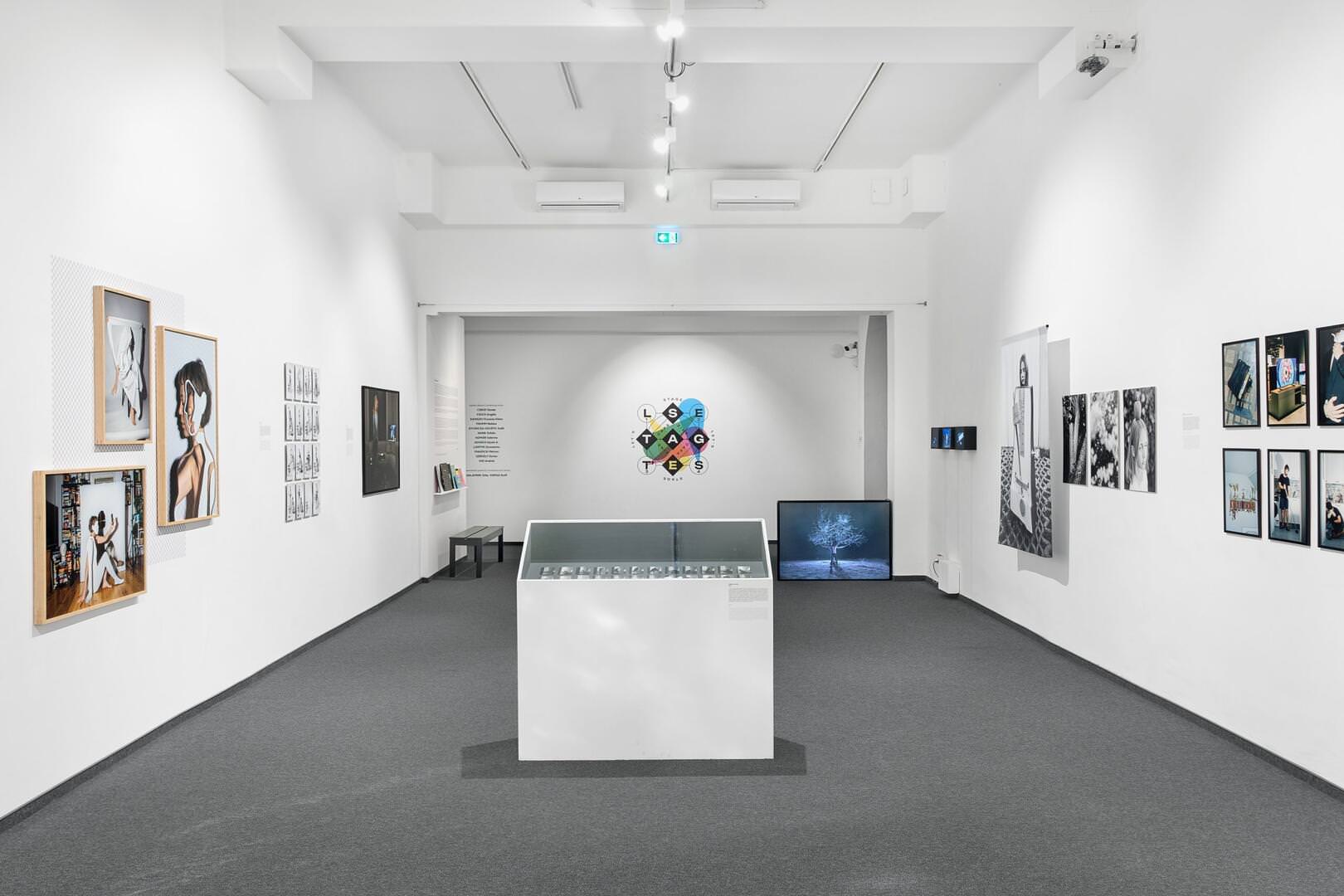
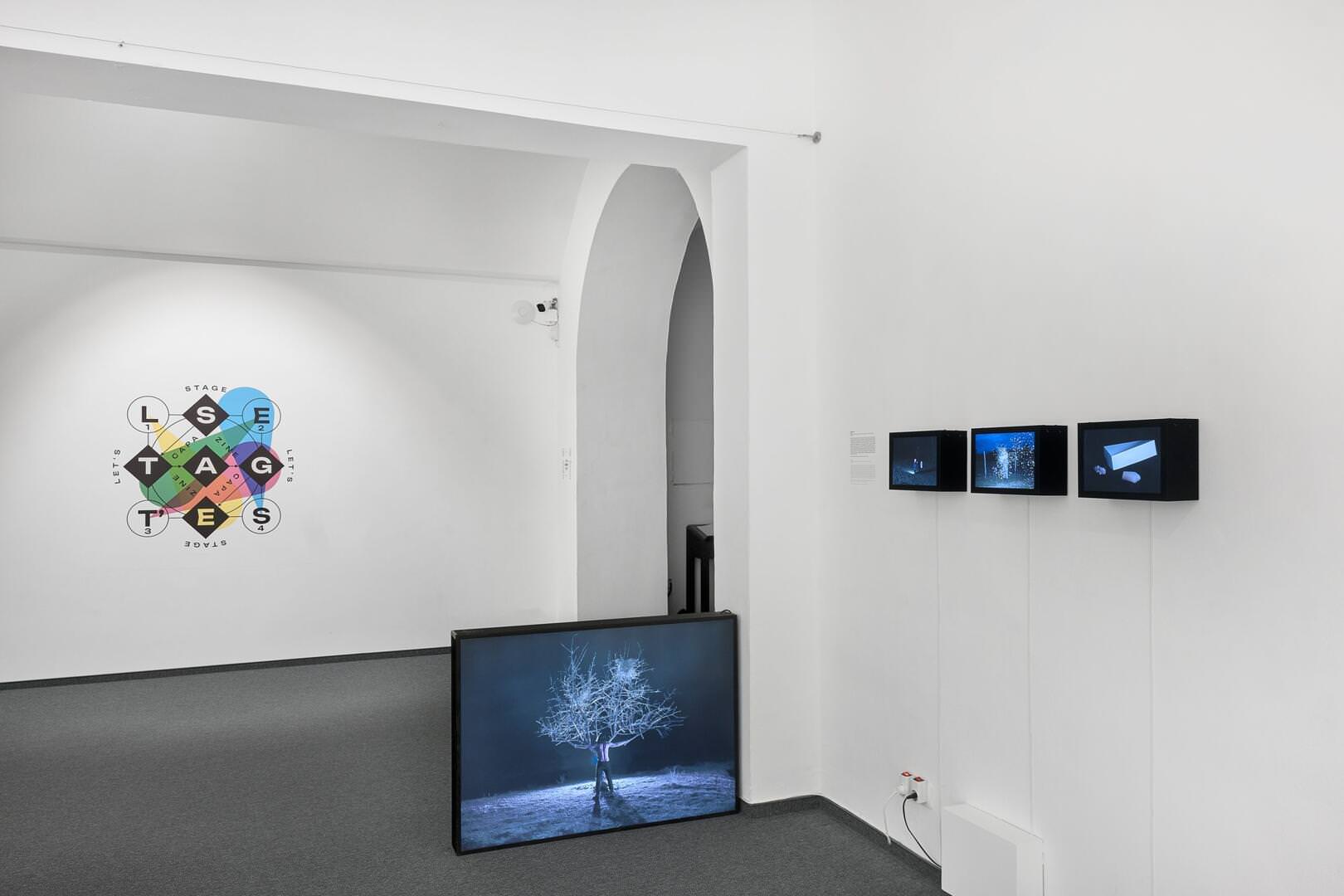
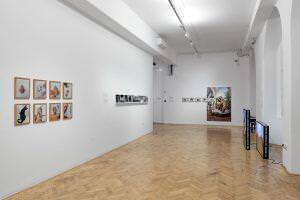
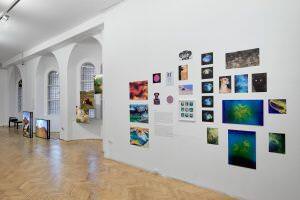
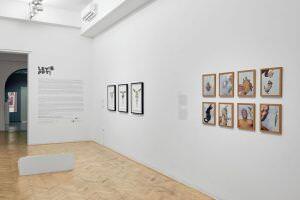
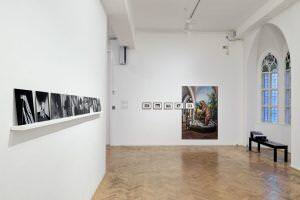
During the workshop, the participants examined staged photography, a diverse type of image that has existed since the beginning of the medium but was only articulated in the 1970s.
During the inspiring thematic lectures, the participants gained insight into the theoretical and historical background of staged photography, the ethical dilemmas surrounding staging and reenactment in the oeuvres of photojournalists, and contemporary variations of this type of image.
Vol. 06
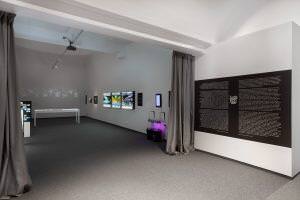
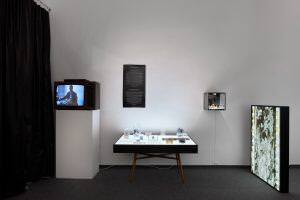
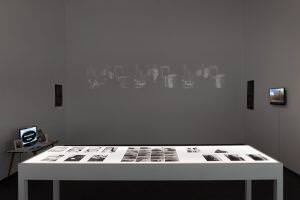
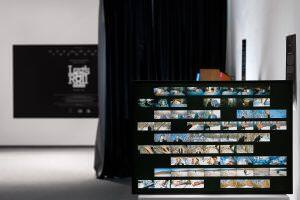
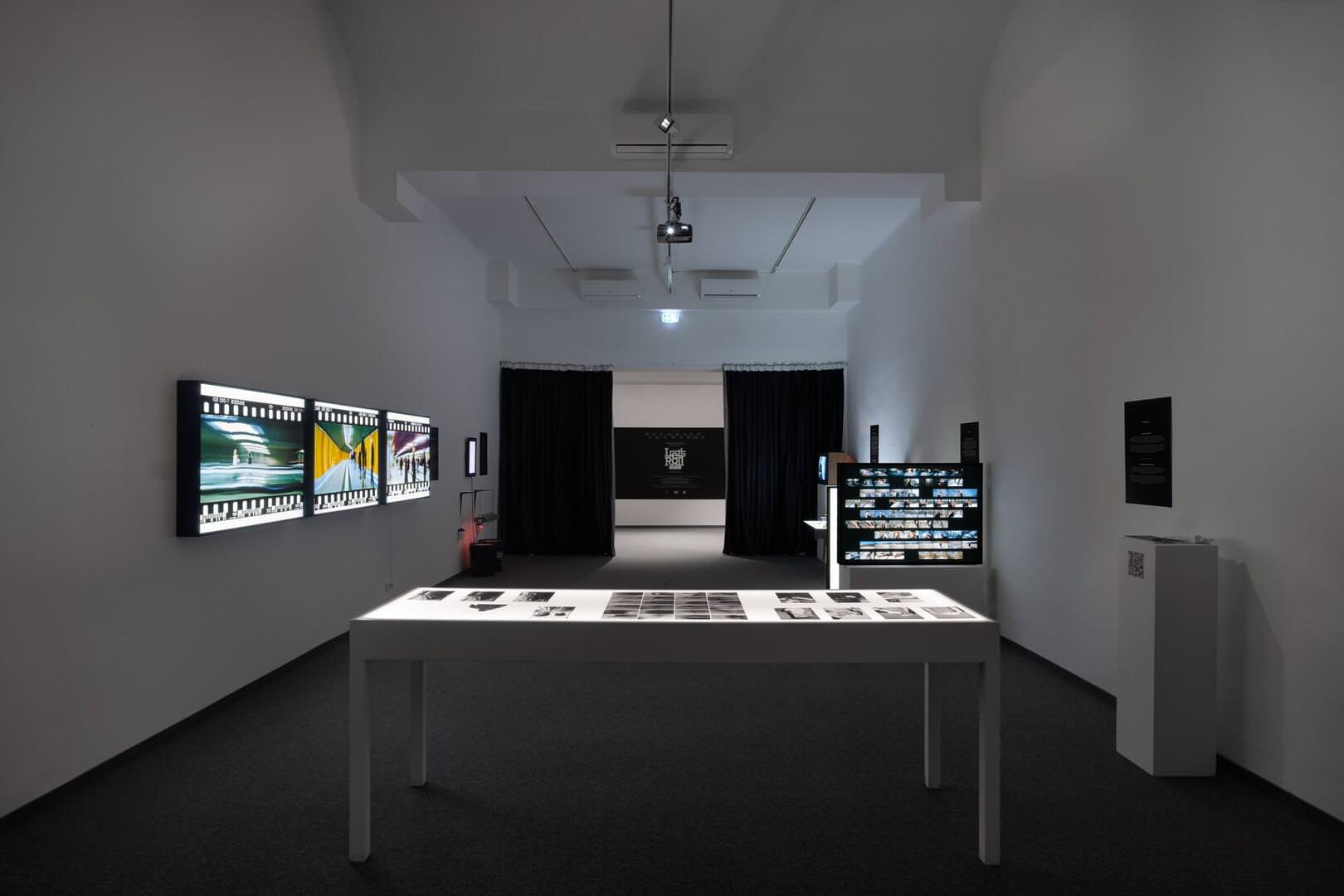
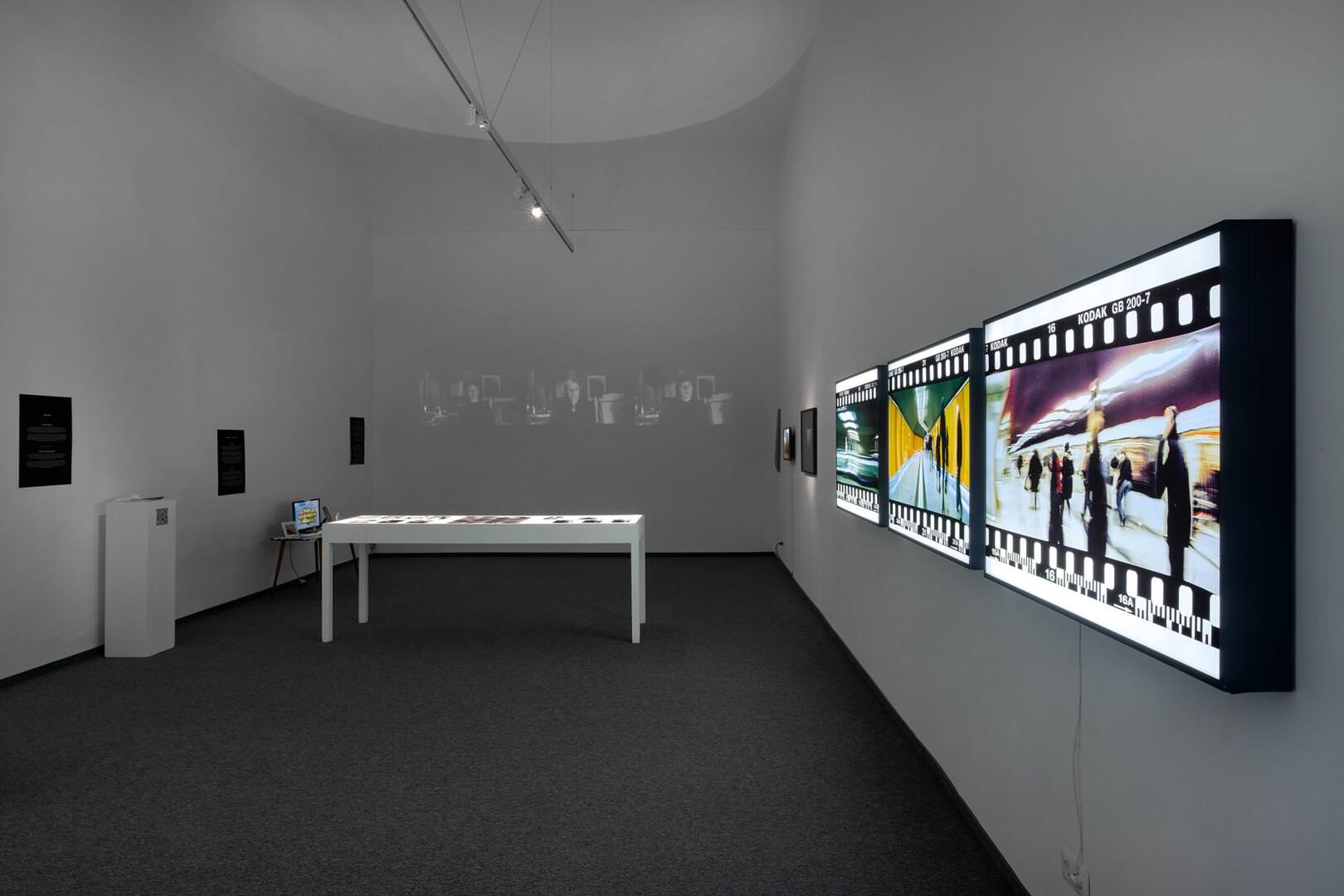
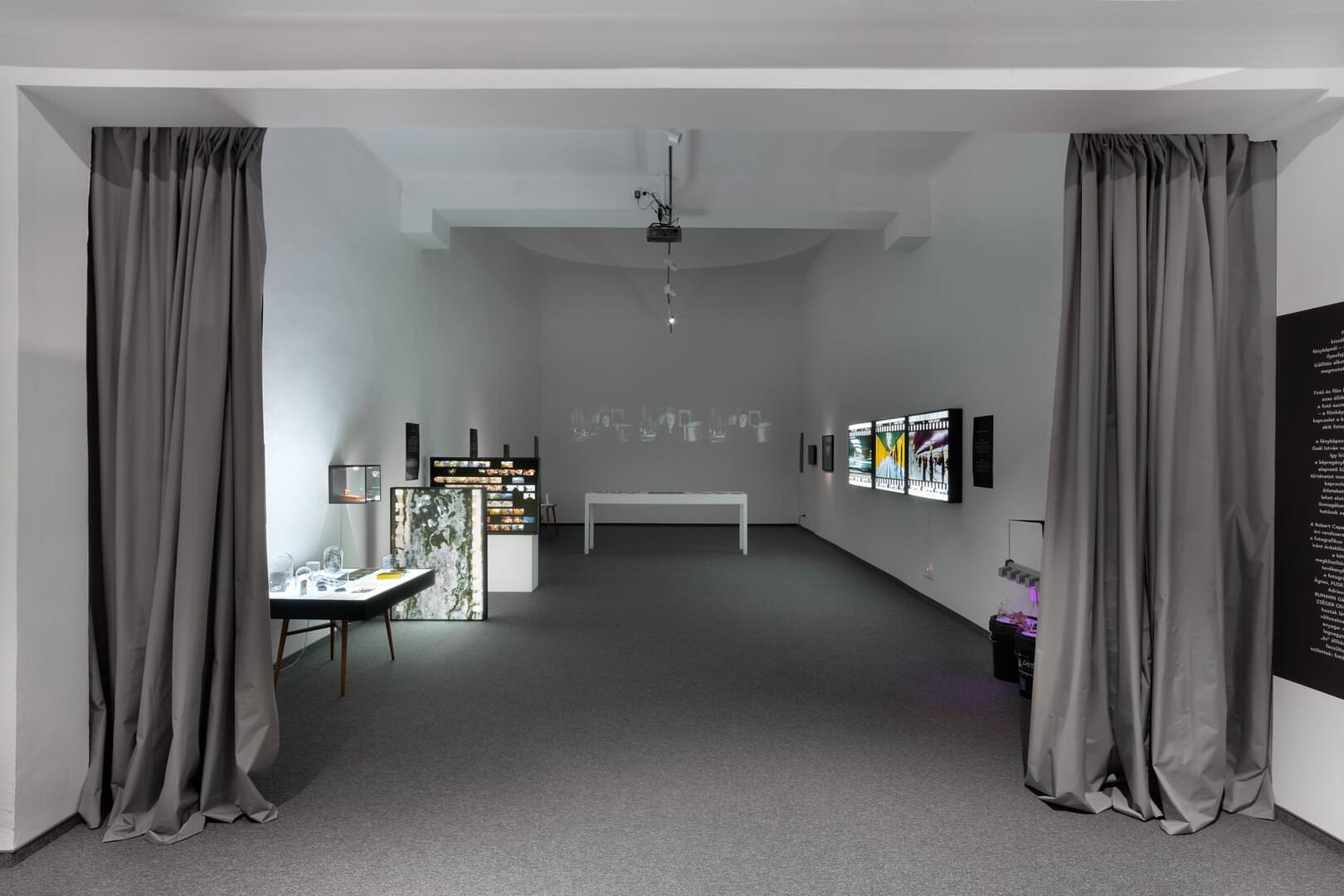
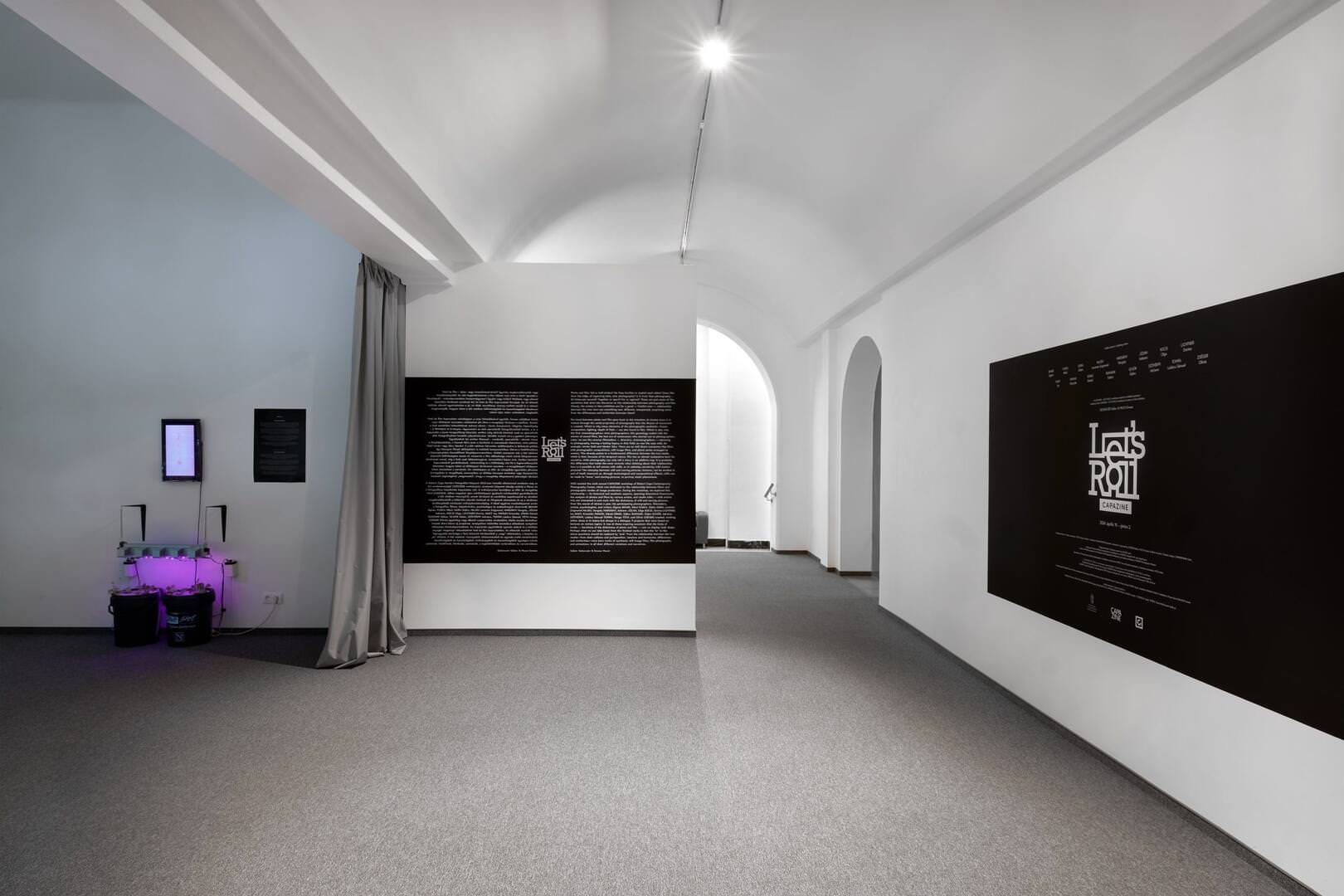
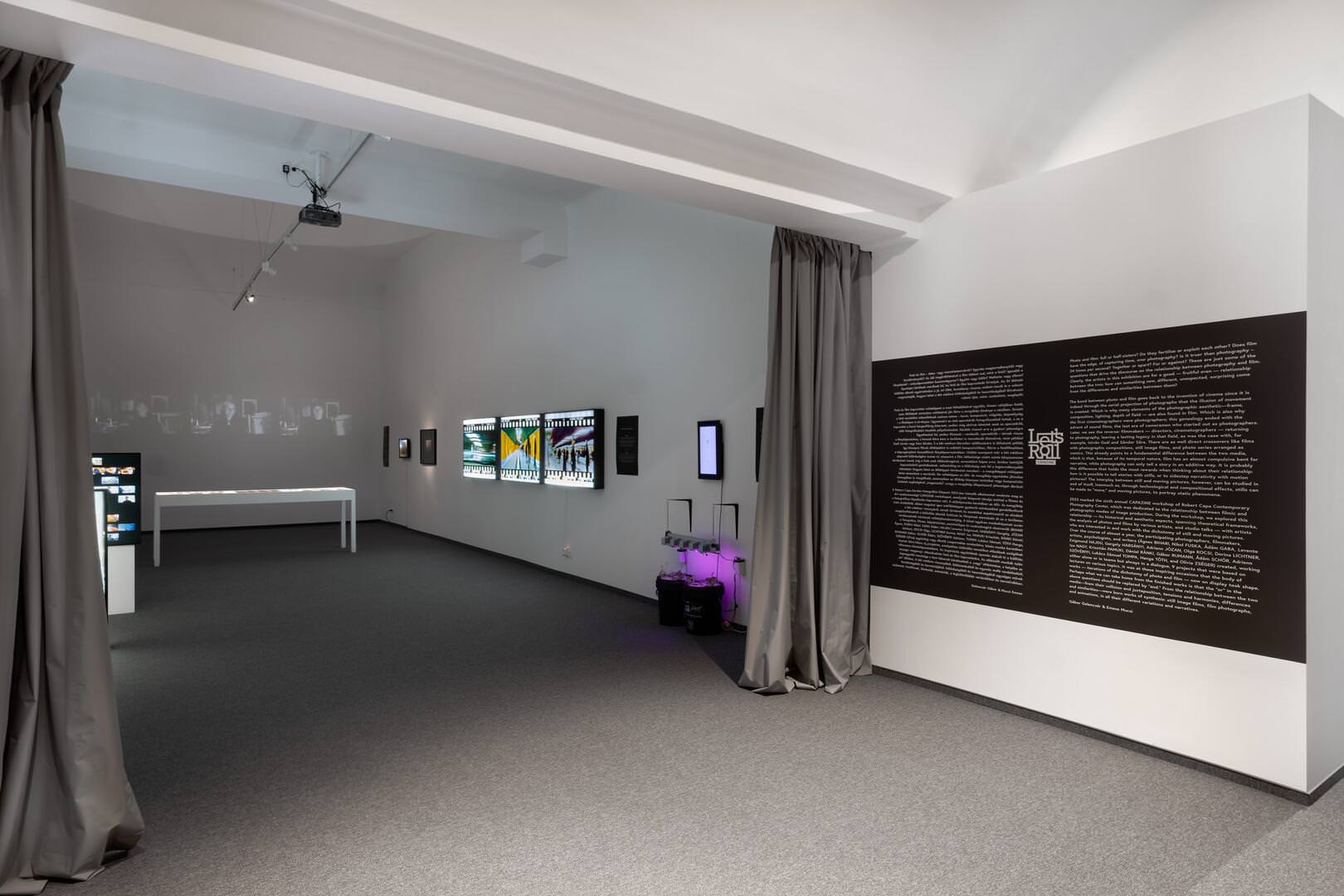
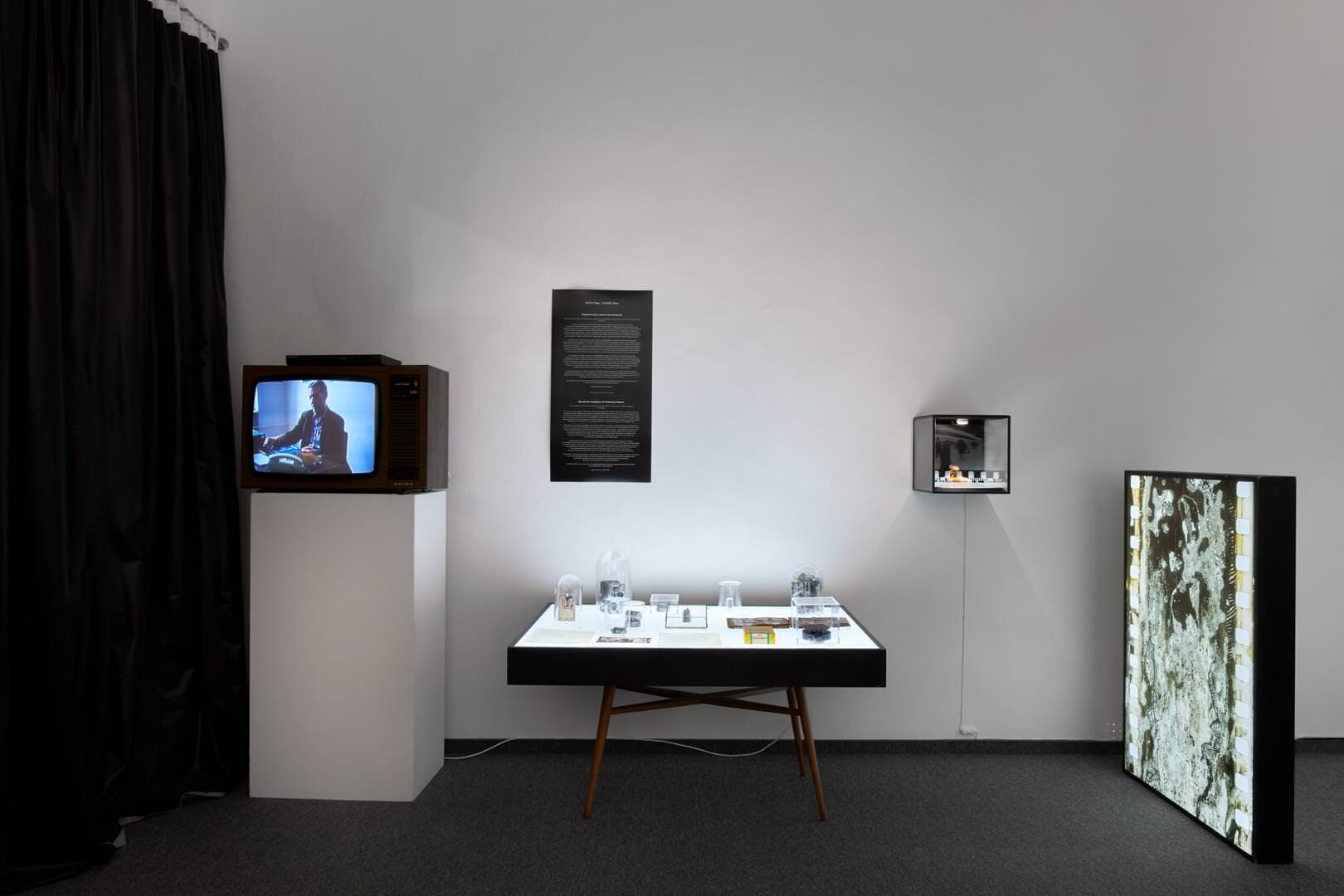
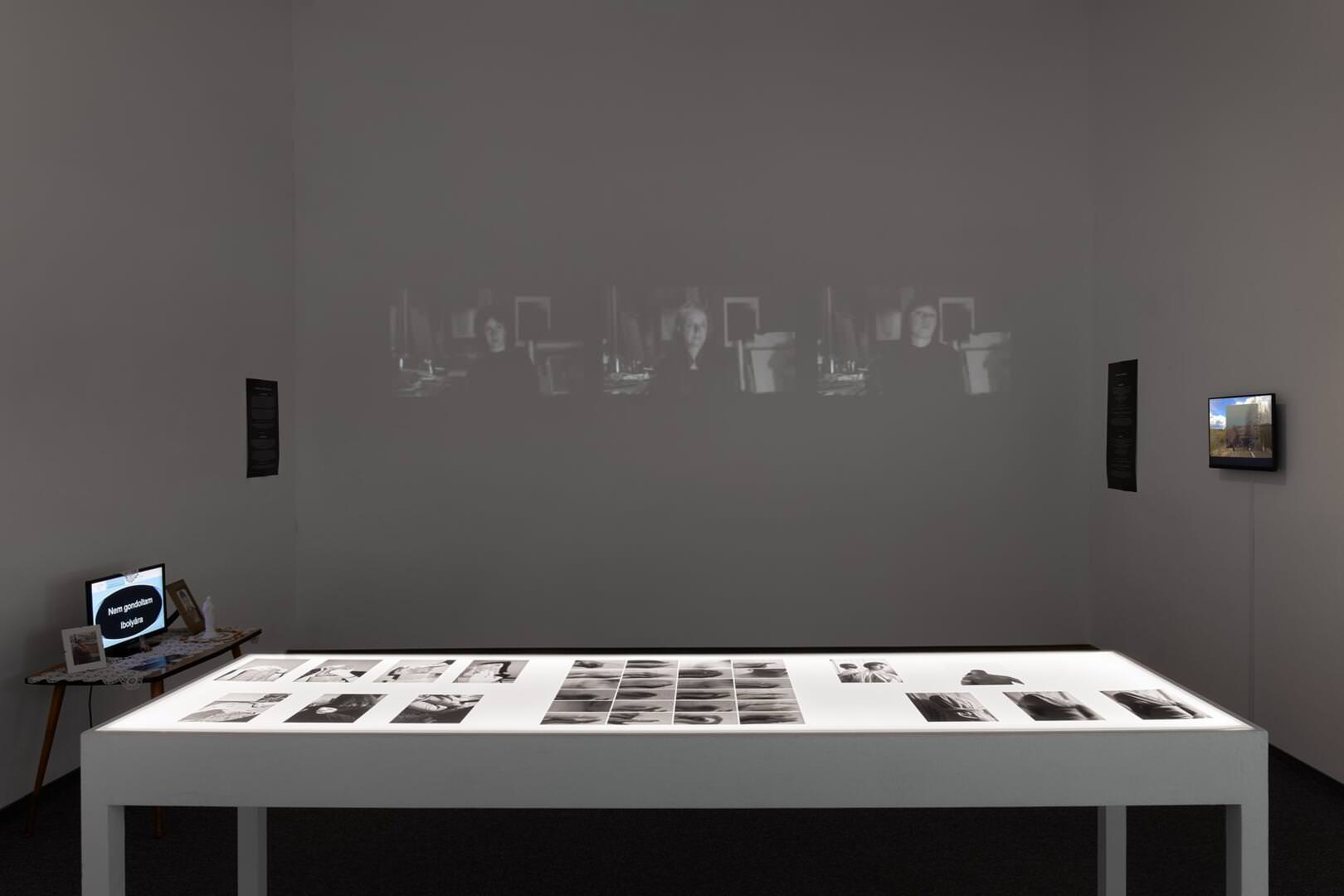
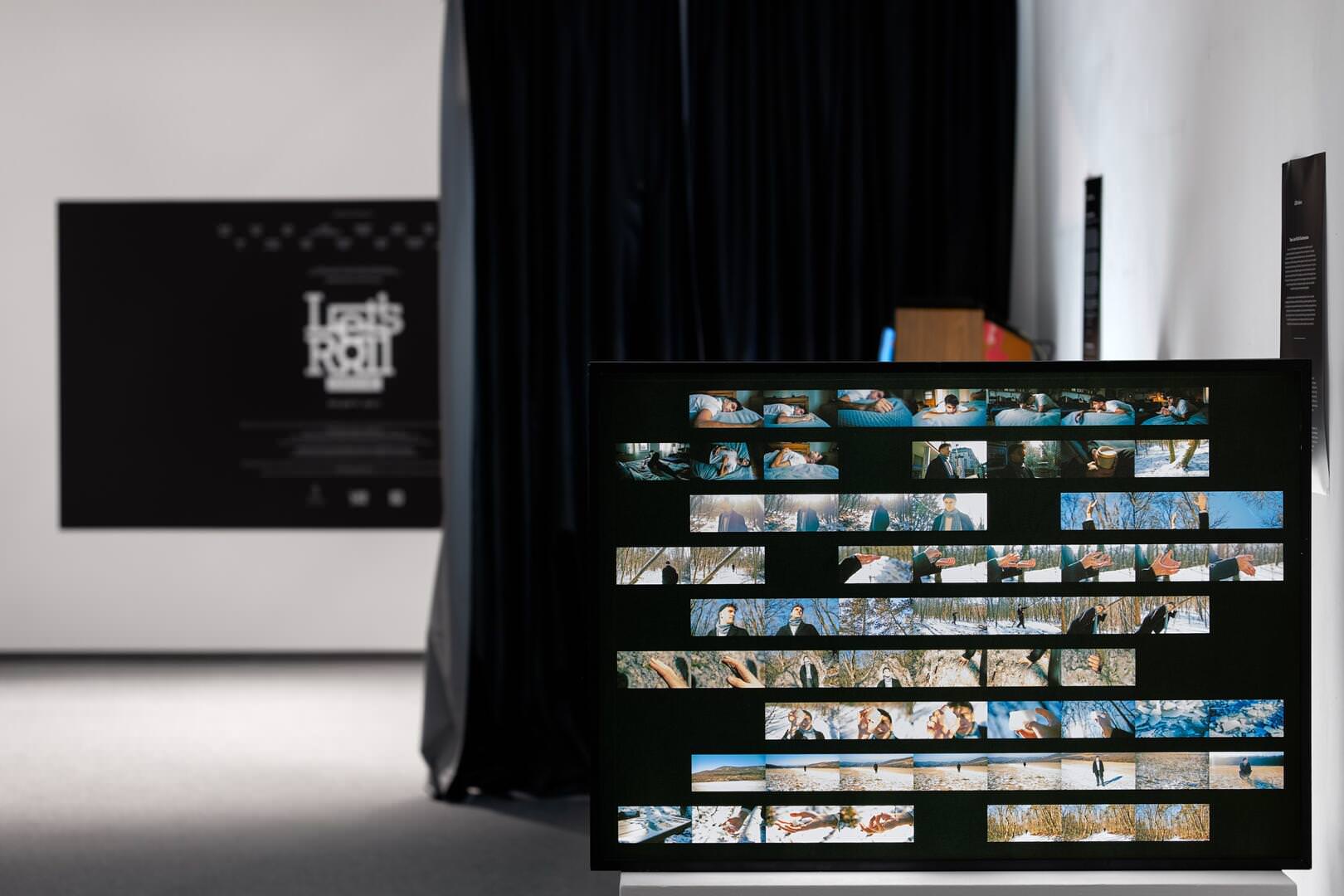
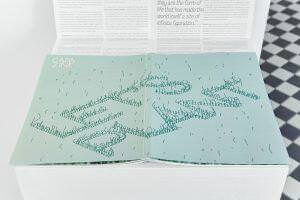
LET’S ROLL
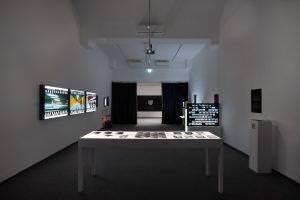
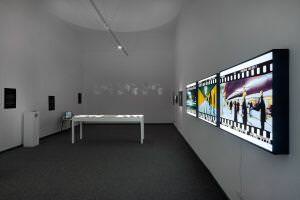
The central theme of the workshop was the borderland between photography and film, the relationship between the still and moving image. On the one hand, the frequent appearance of close-ups, freeze frames, or specific photographs on the screen suggests a constant connection between photographic and cinematic practices. On the other hand, the greats of staged photography often say only that they make films consisting of a single frame.
What is the state of this more than 130-year-old history, in which photography and cinema have influenced and inspired each other back and forth?
Vol. 05
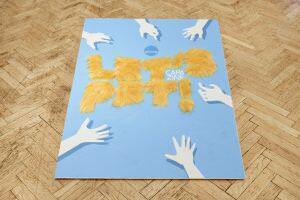
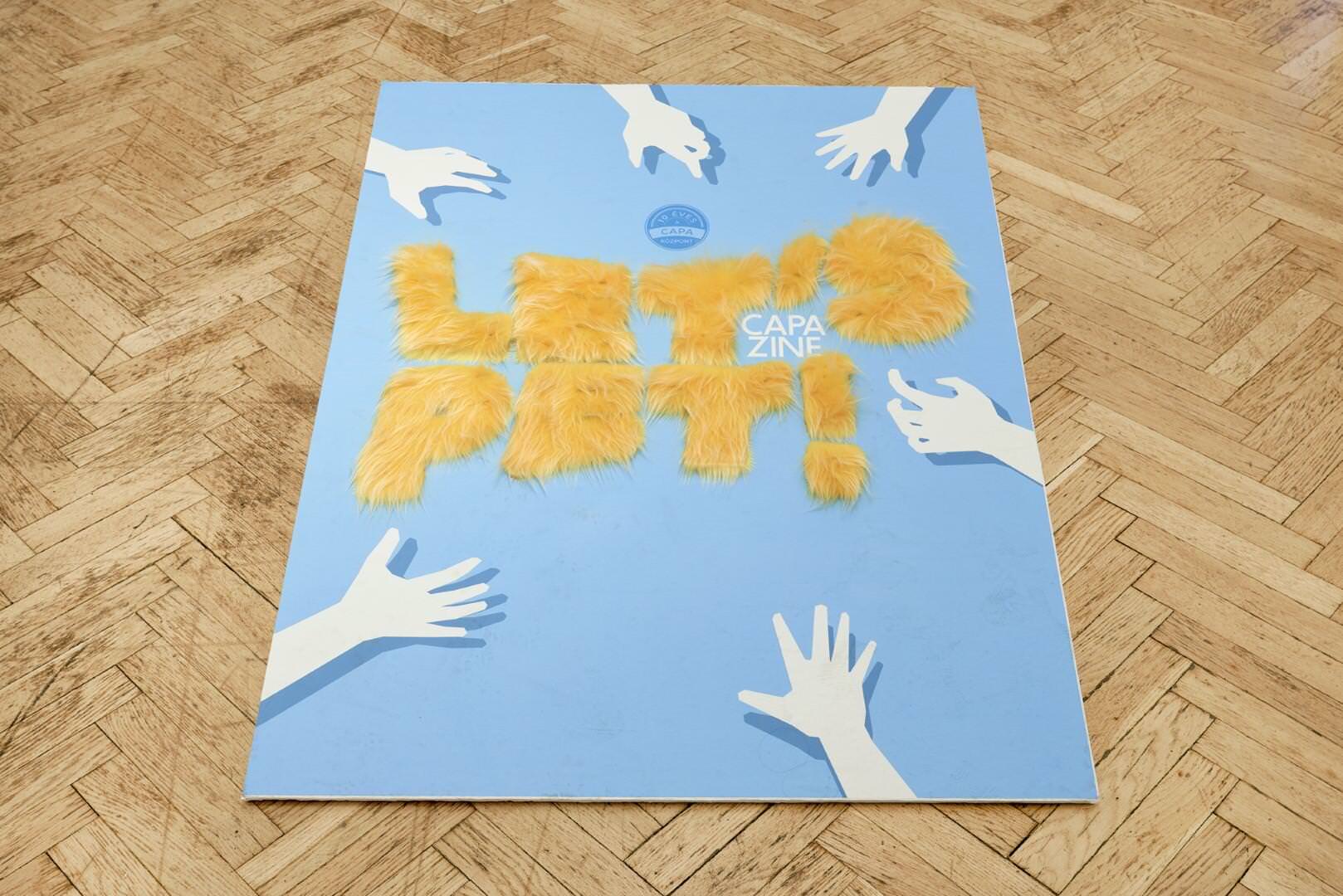
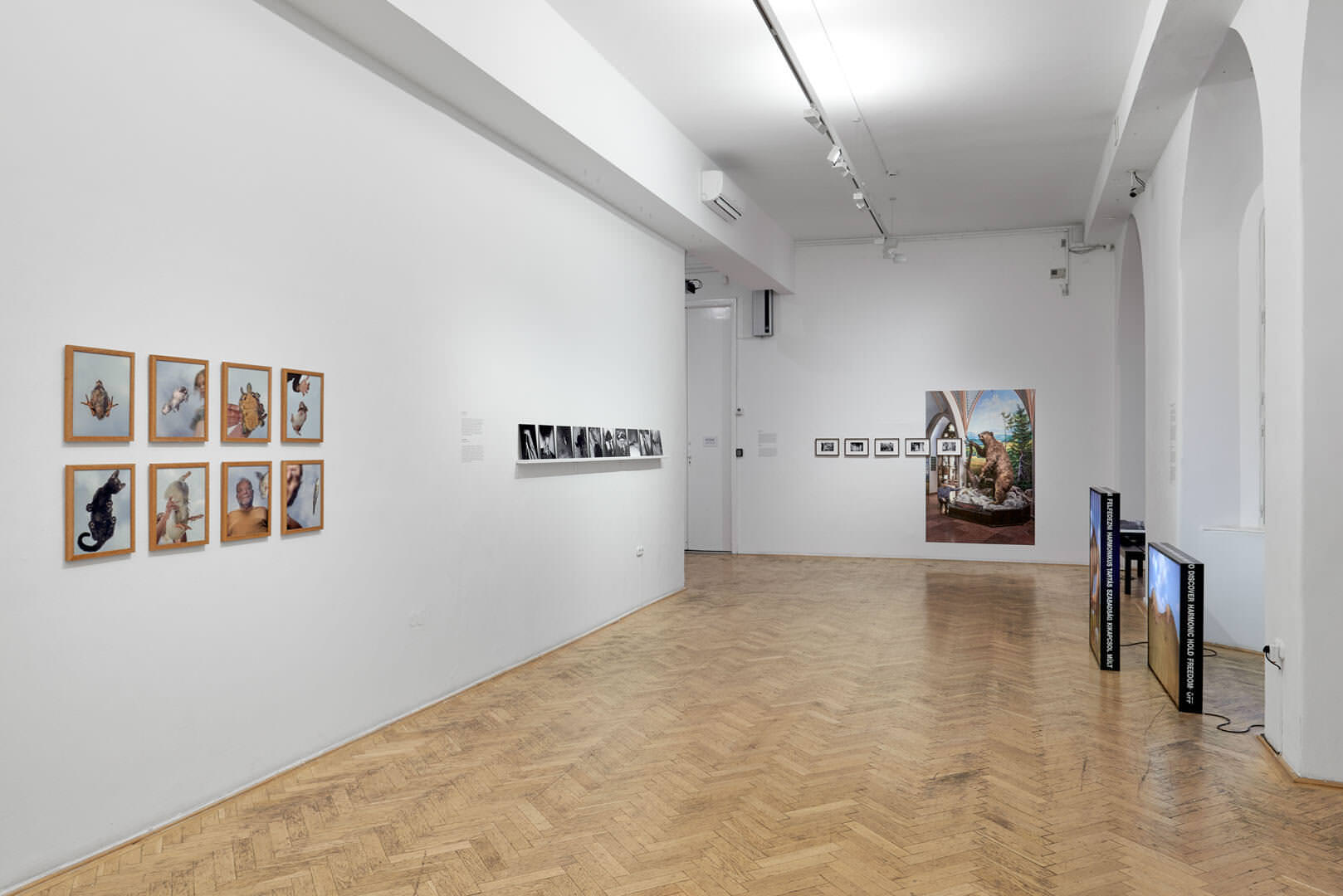
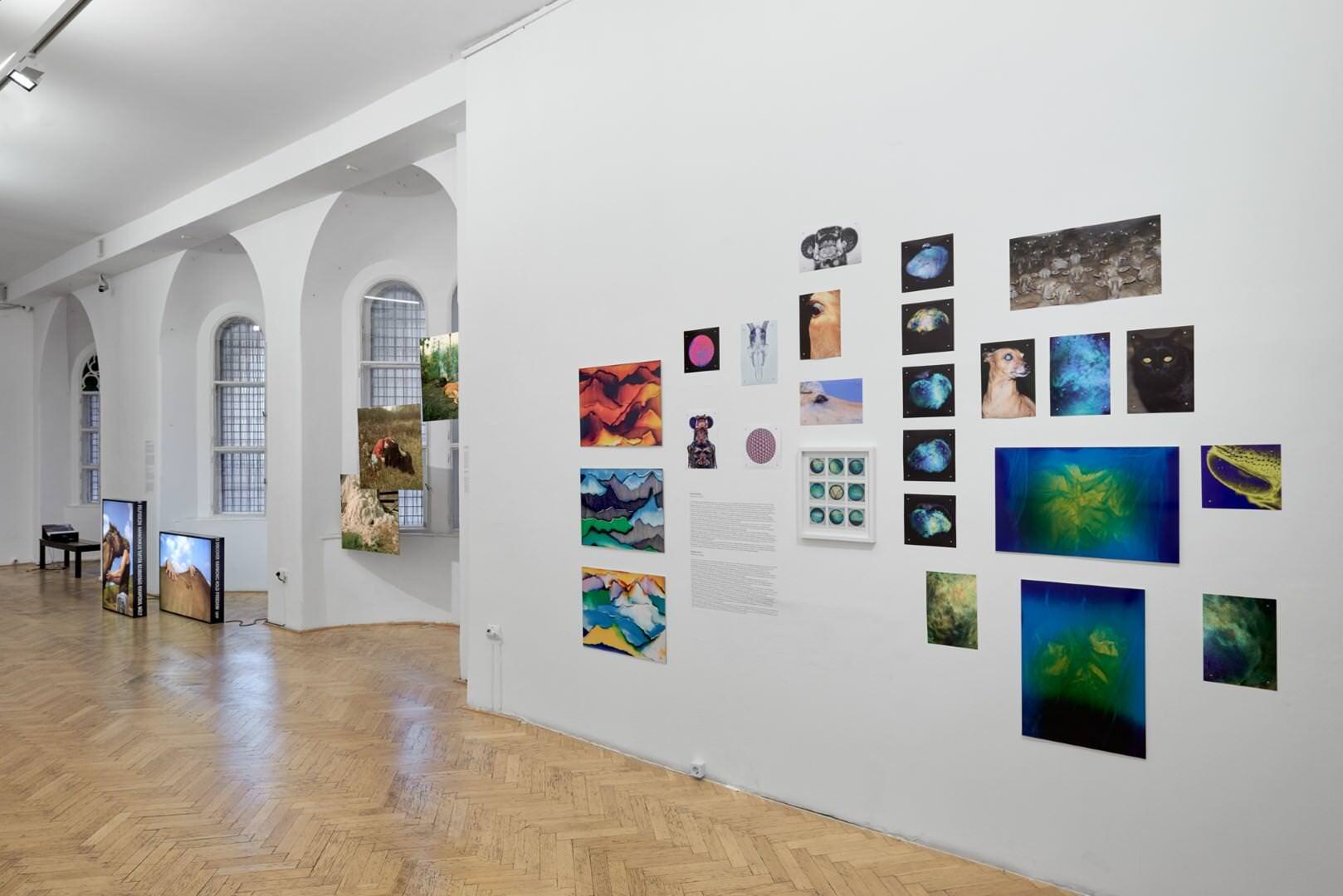
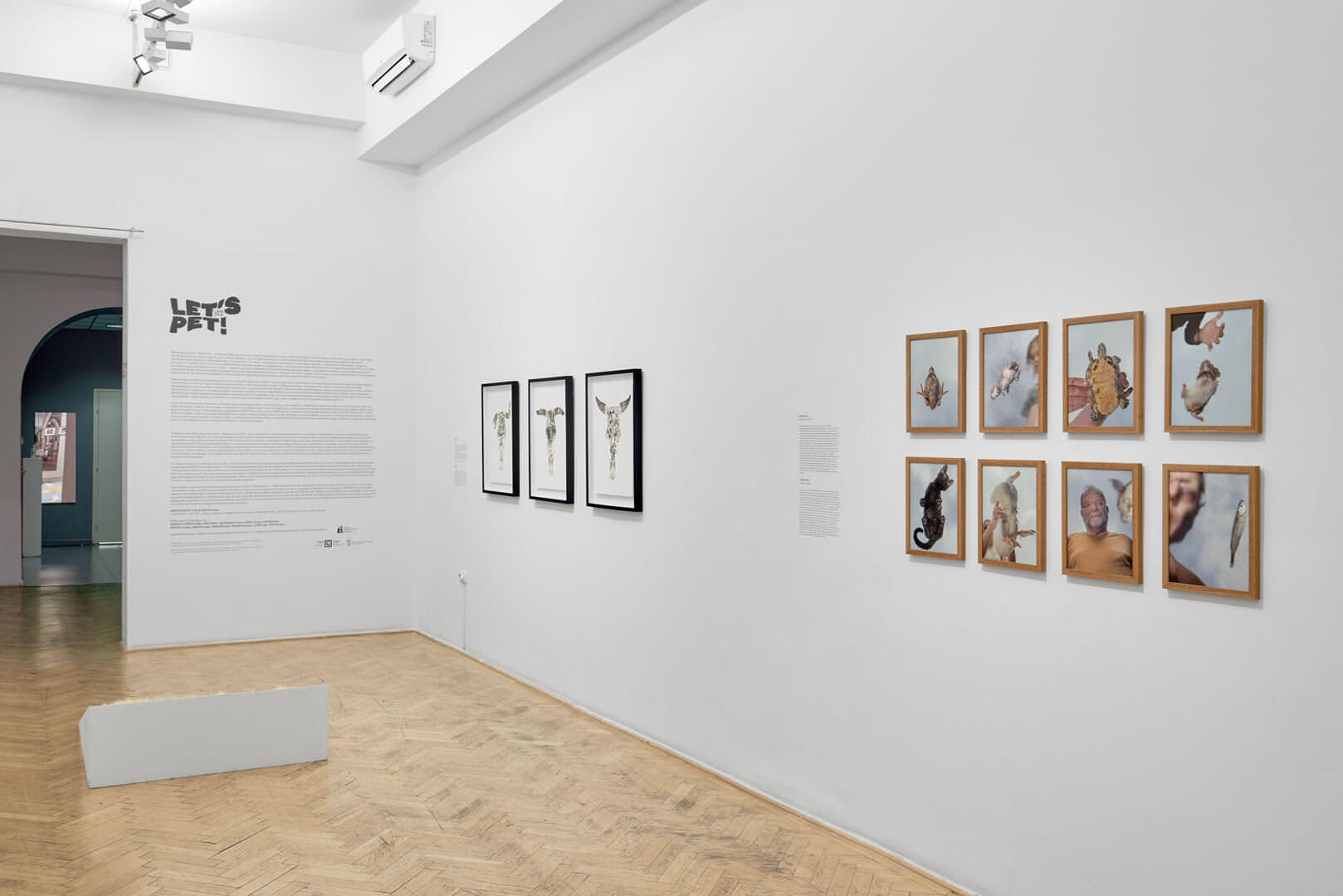
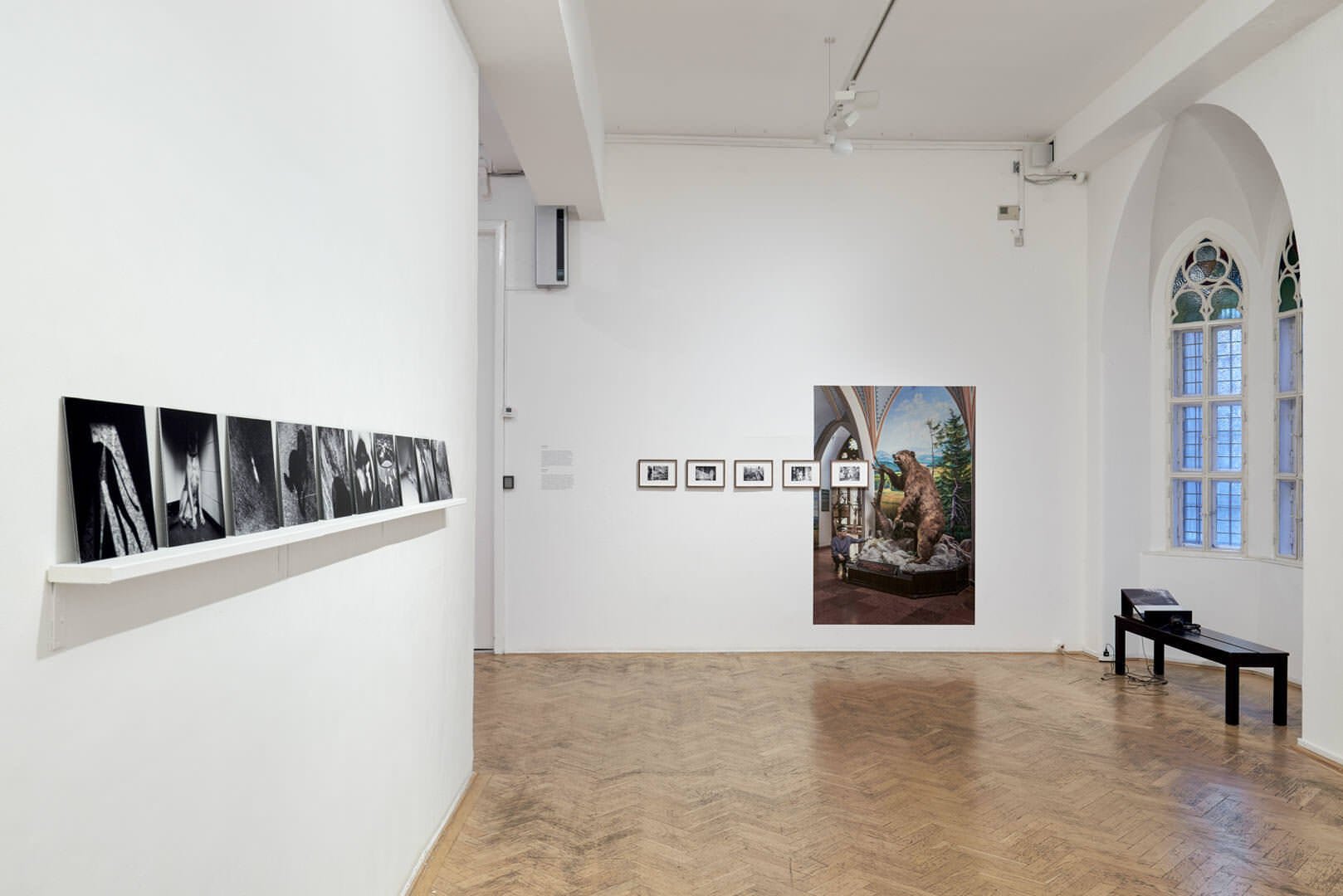
LET’S PET
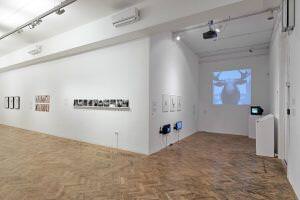
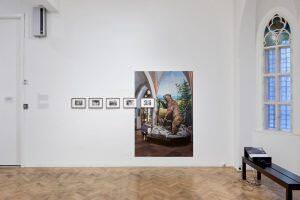
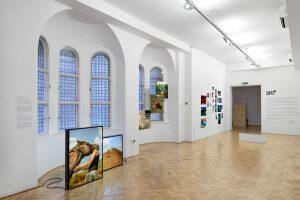
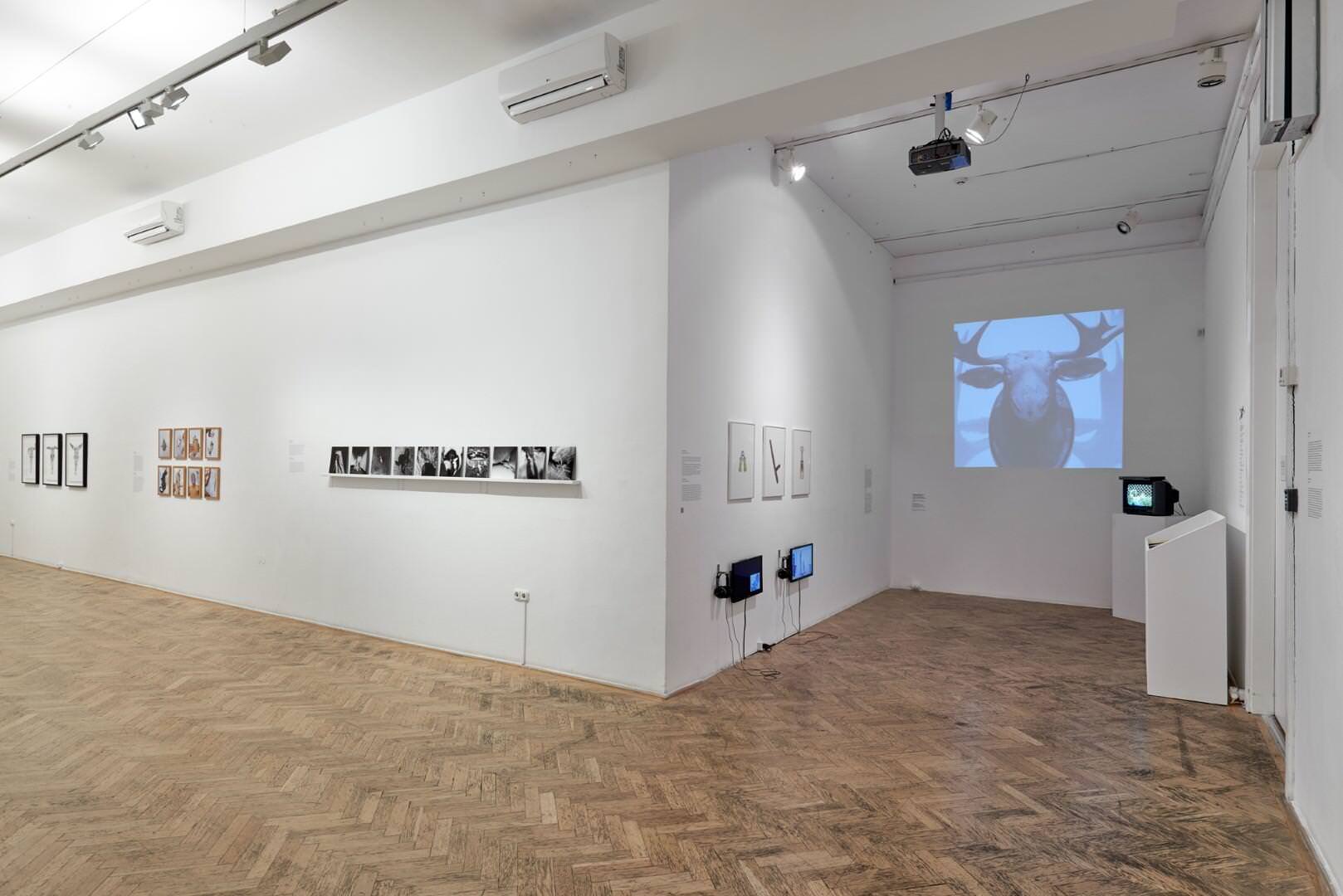
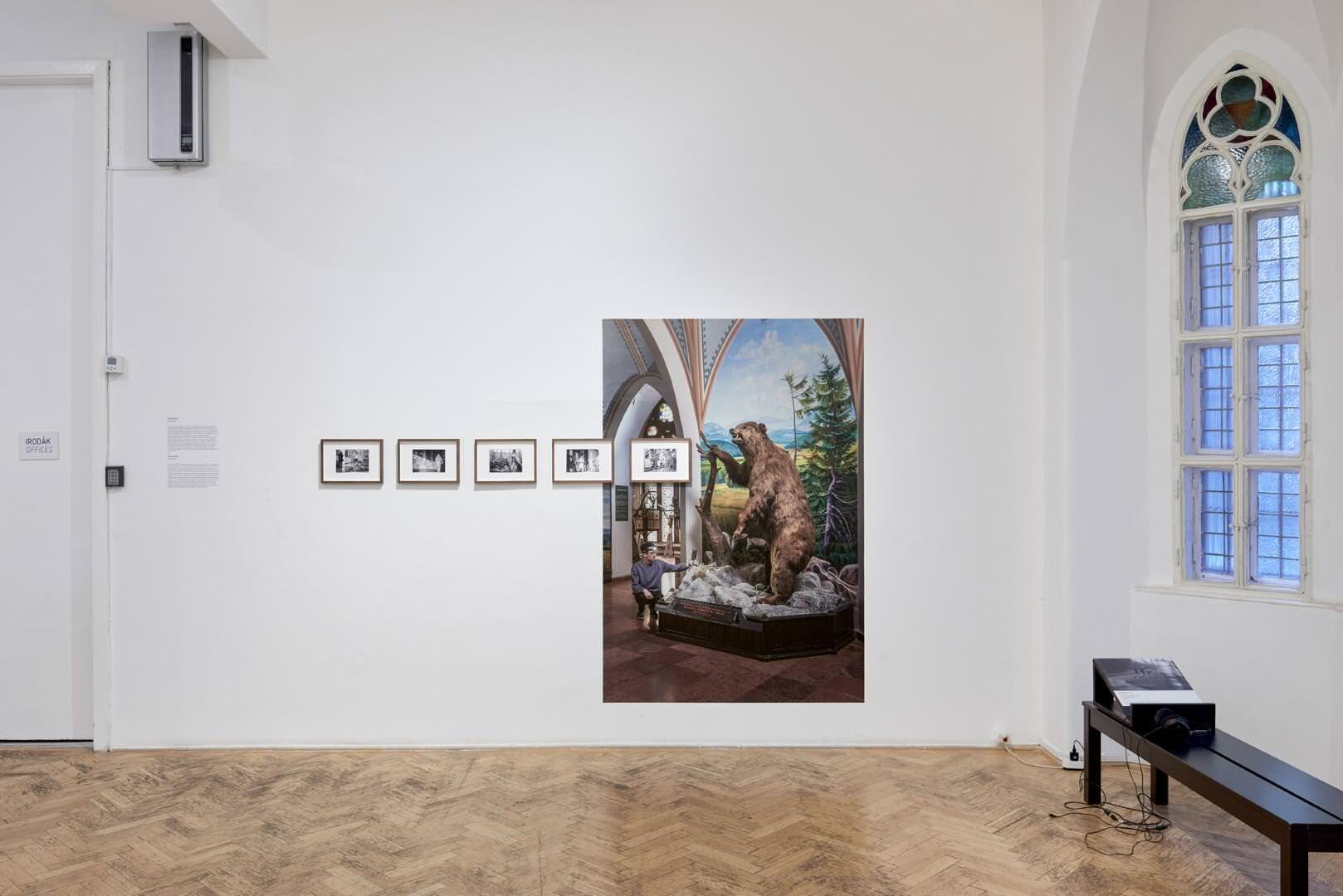
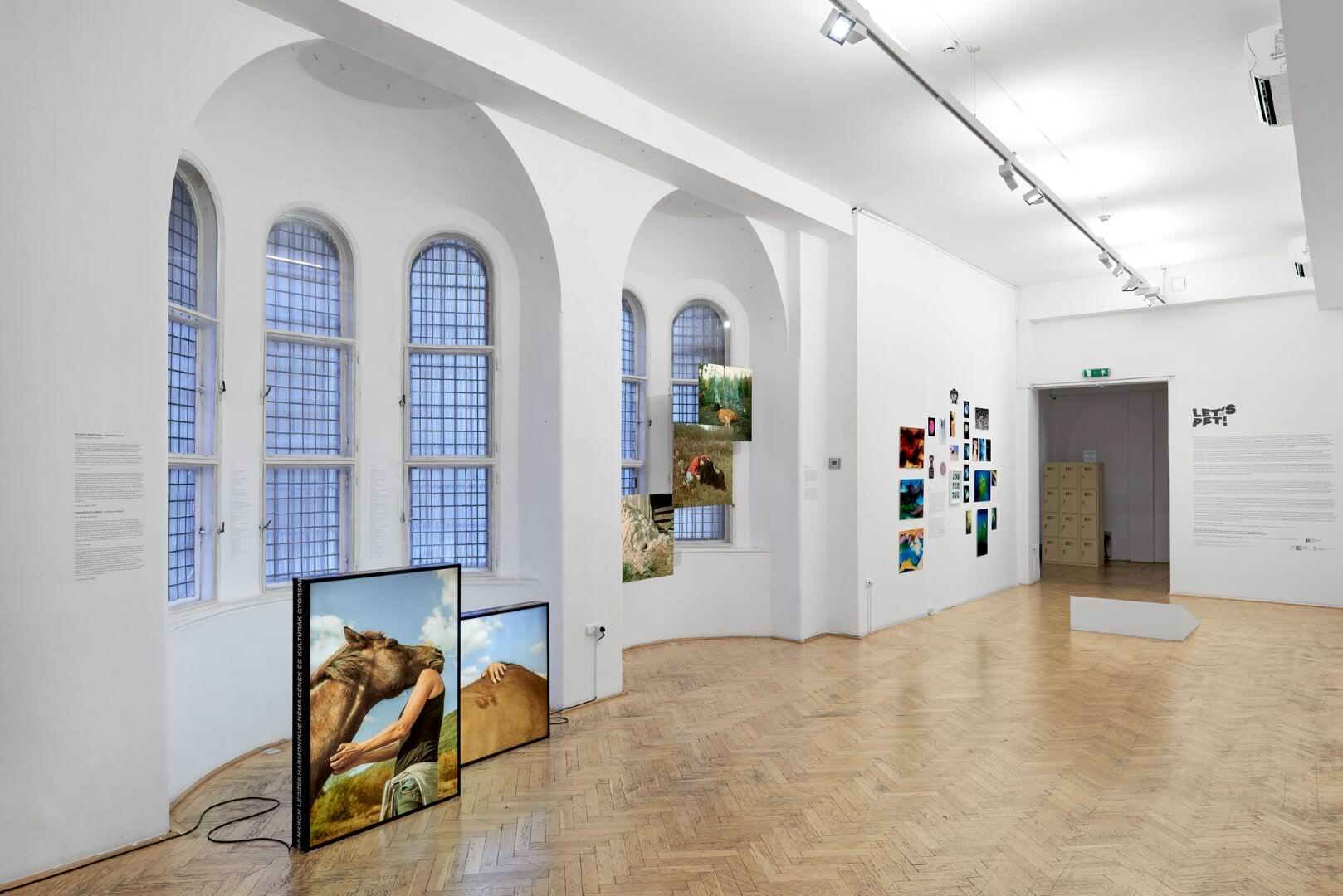
Animalness, animalizing, becoming-animal – these are some of the rarely heard terms of a relatively recent discipline, Animal Studies, that devised these concepts to research the areas of human-animal relationship, the man-made representations of the animal, and the general question of what it means to be human.
The focus of the workshop was the animal, the different senses of animals and humans, the varied forms and relationships between humans and animals, along with the photographic presentation thereof.
Vol. 04
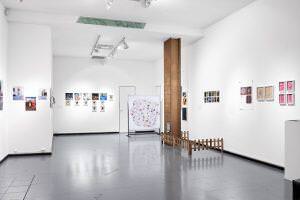
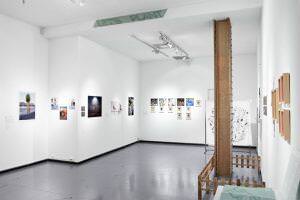
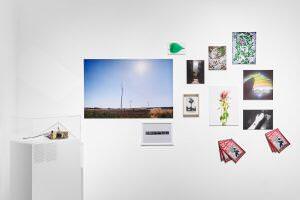
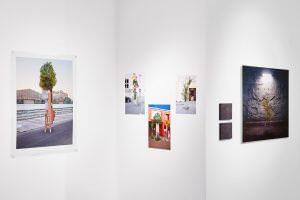
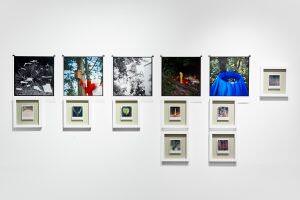
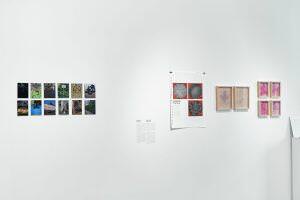
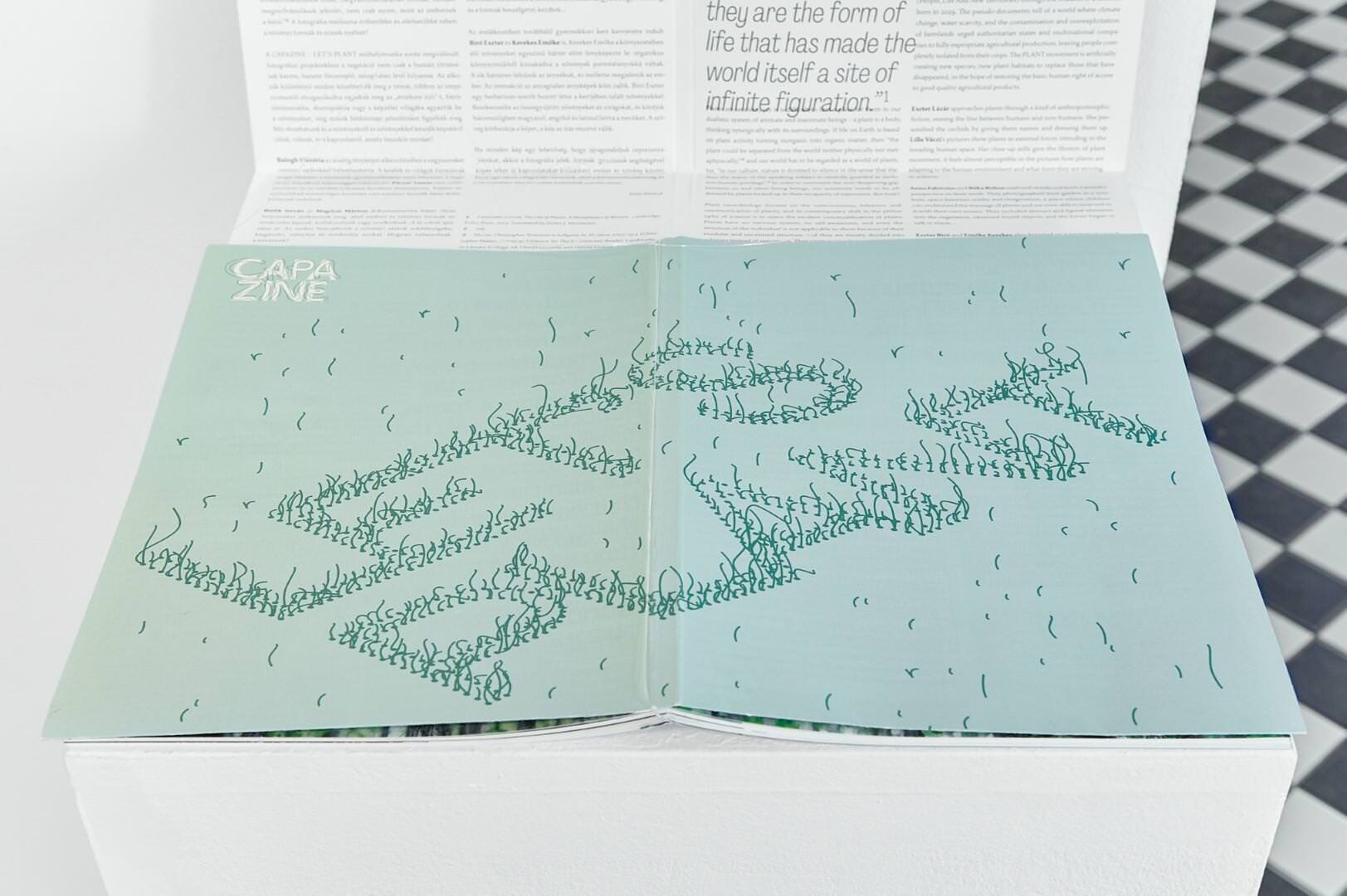
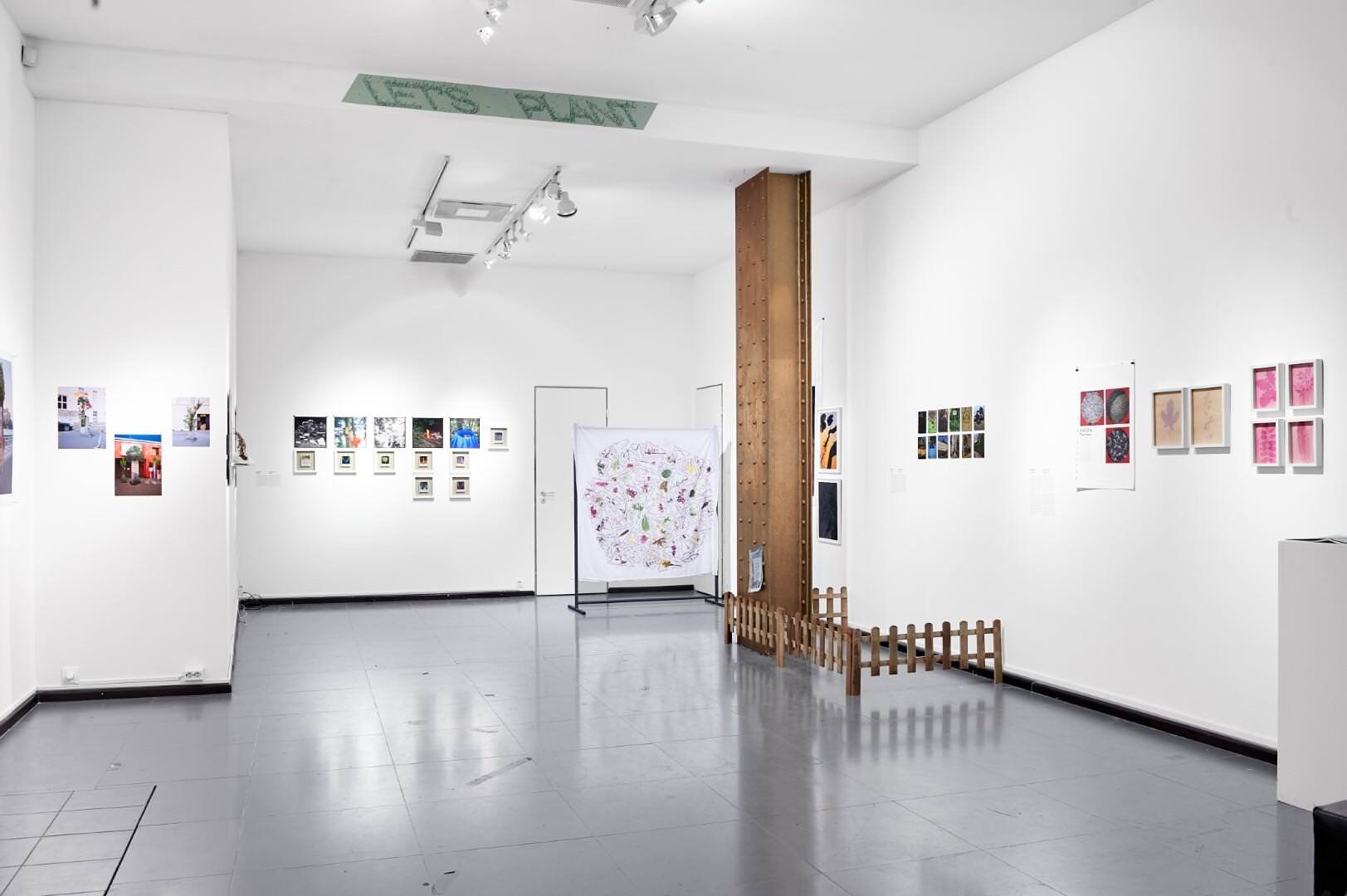
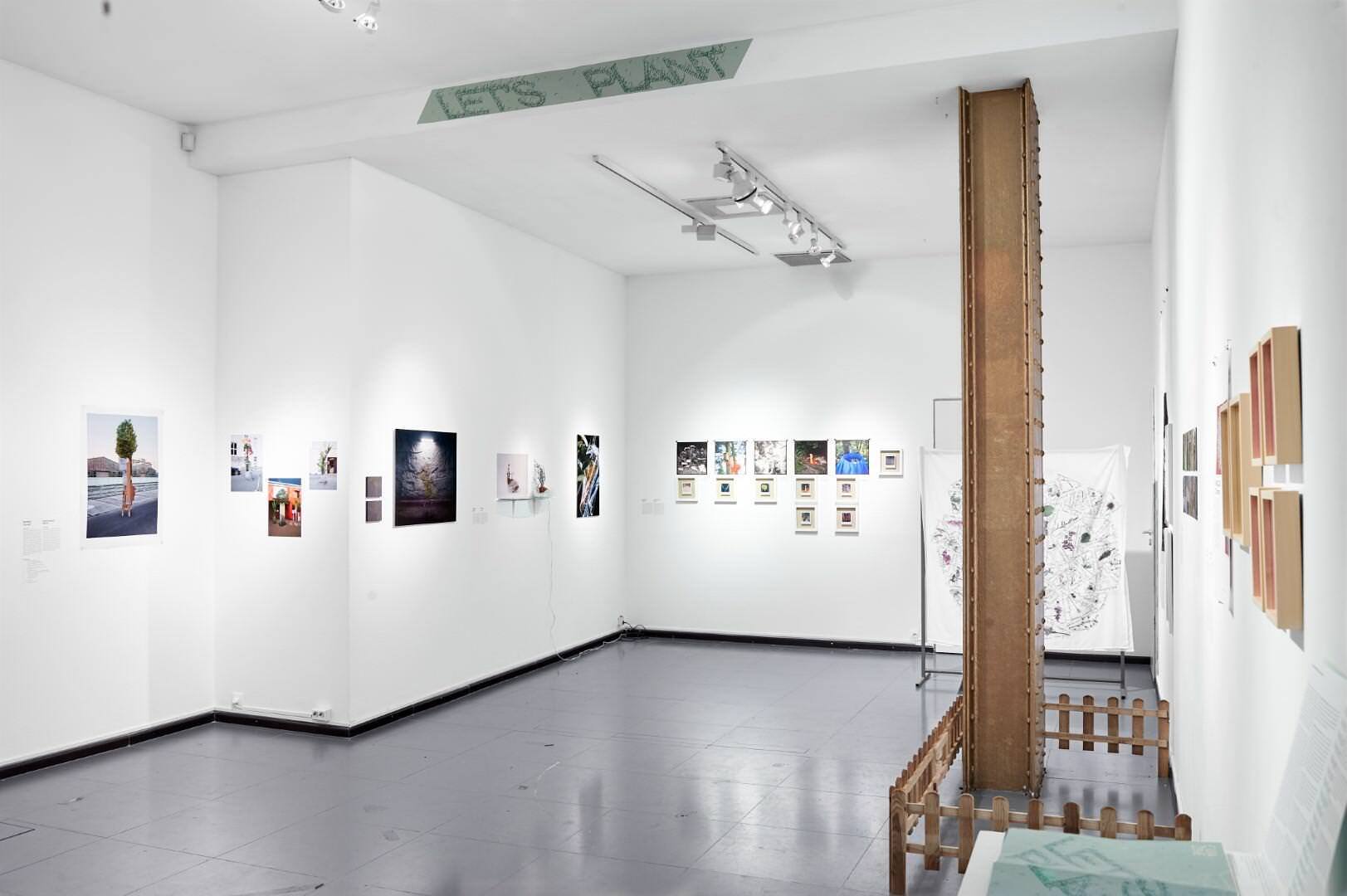
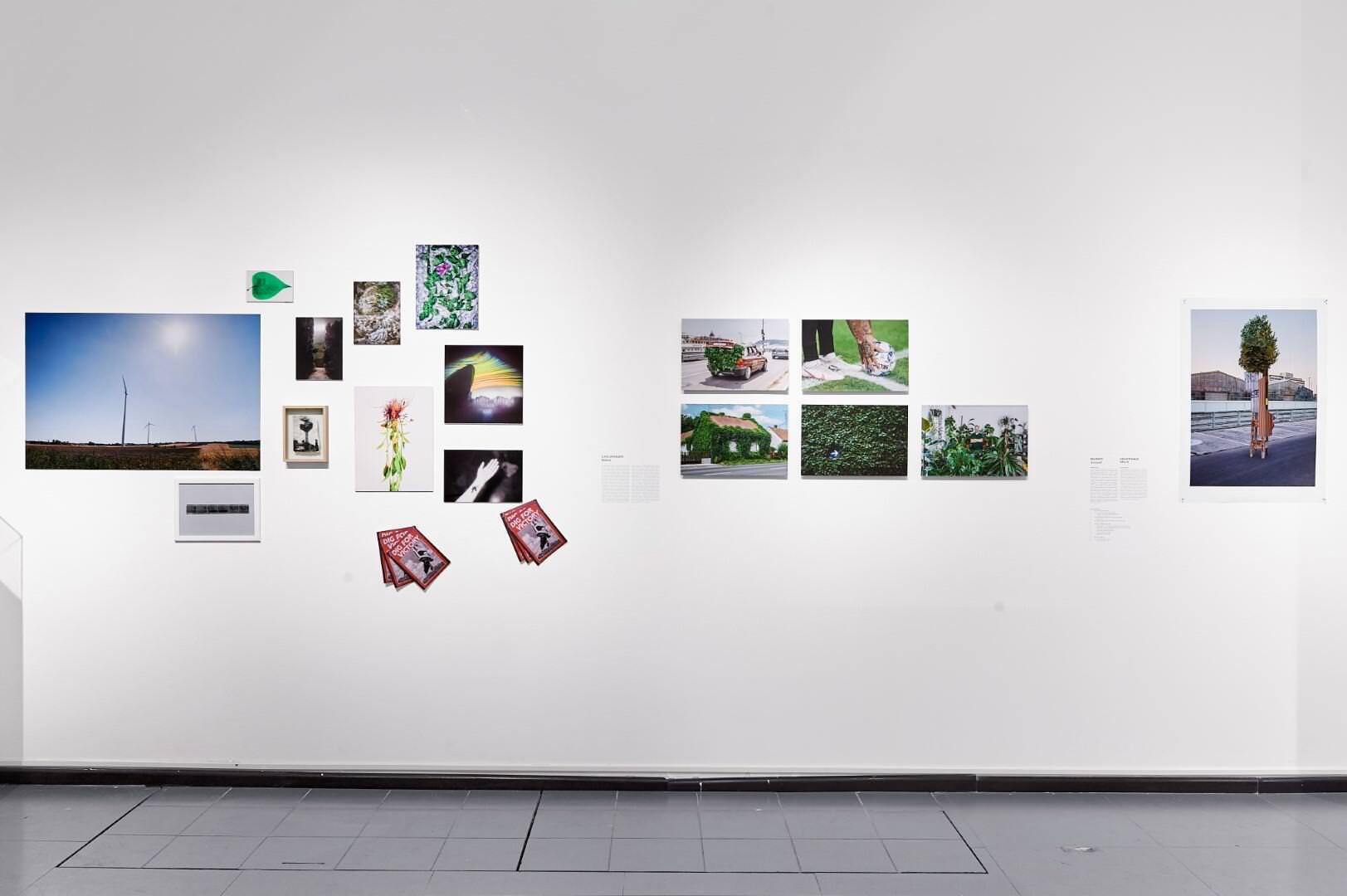
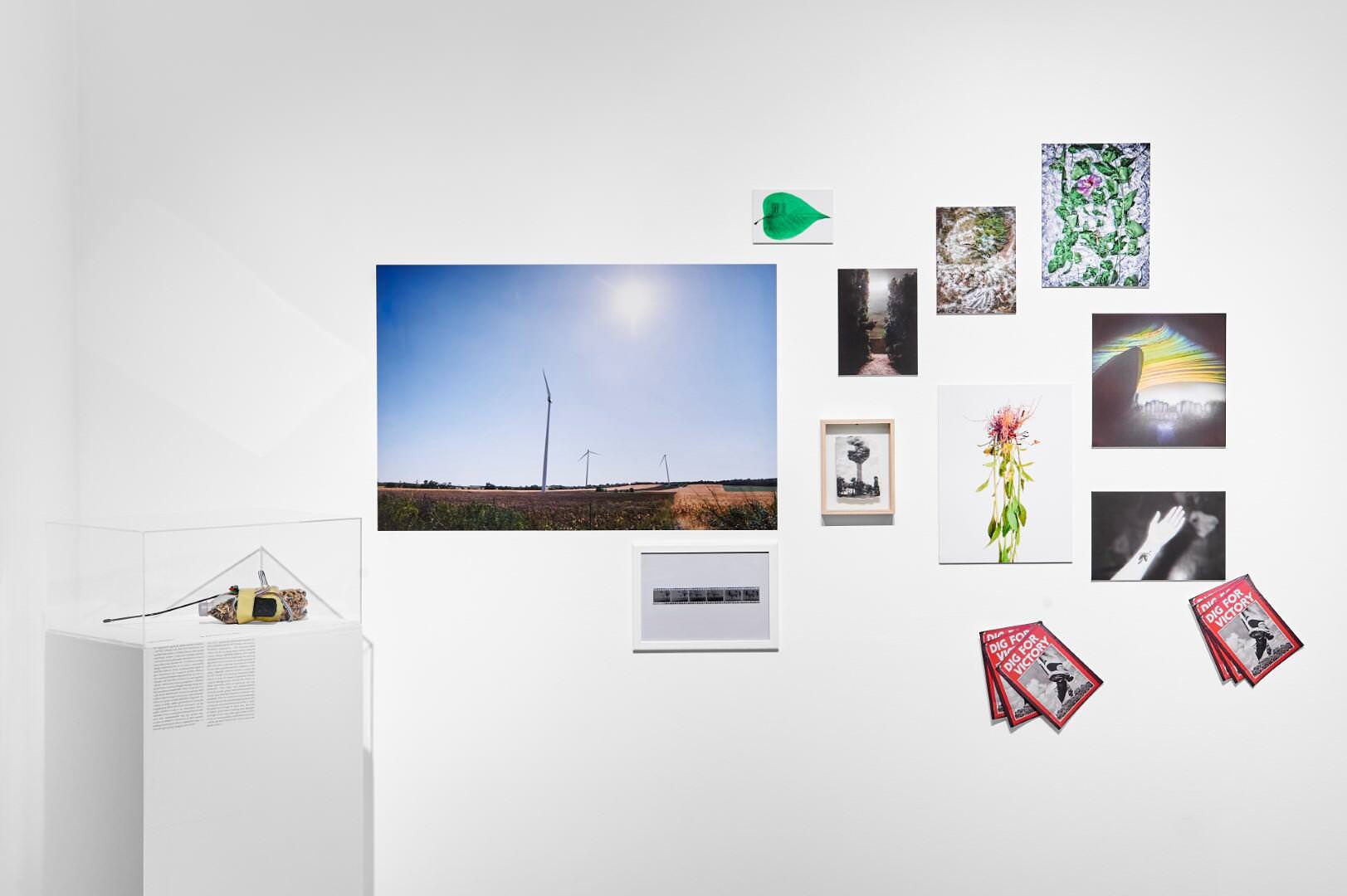
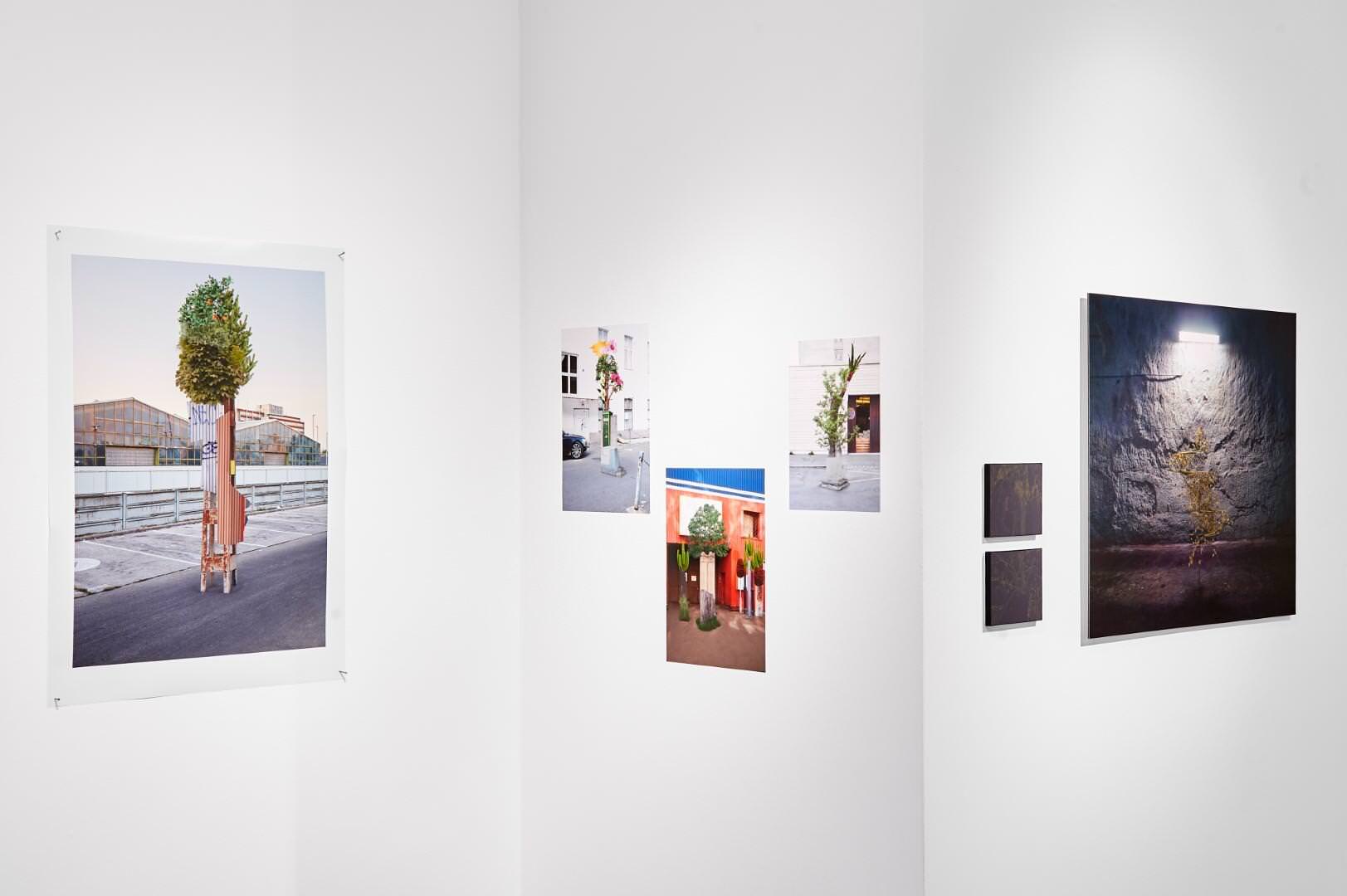
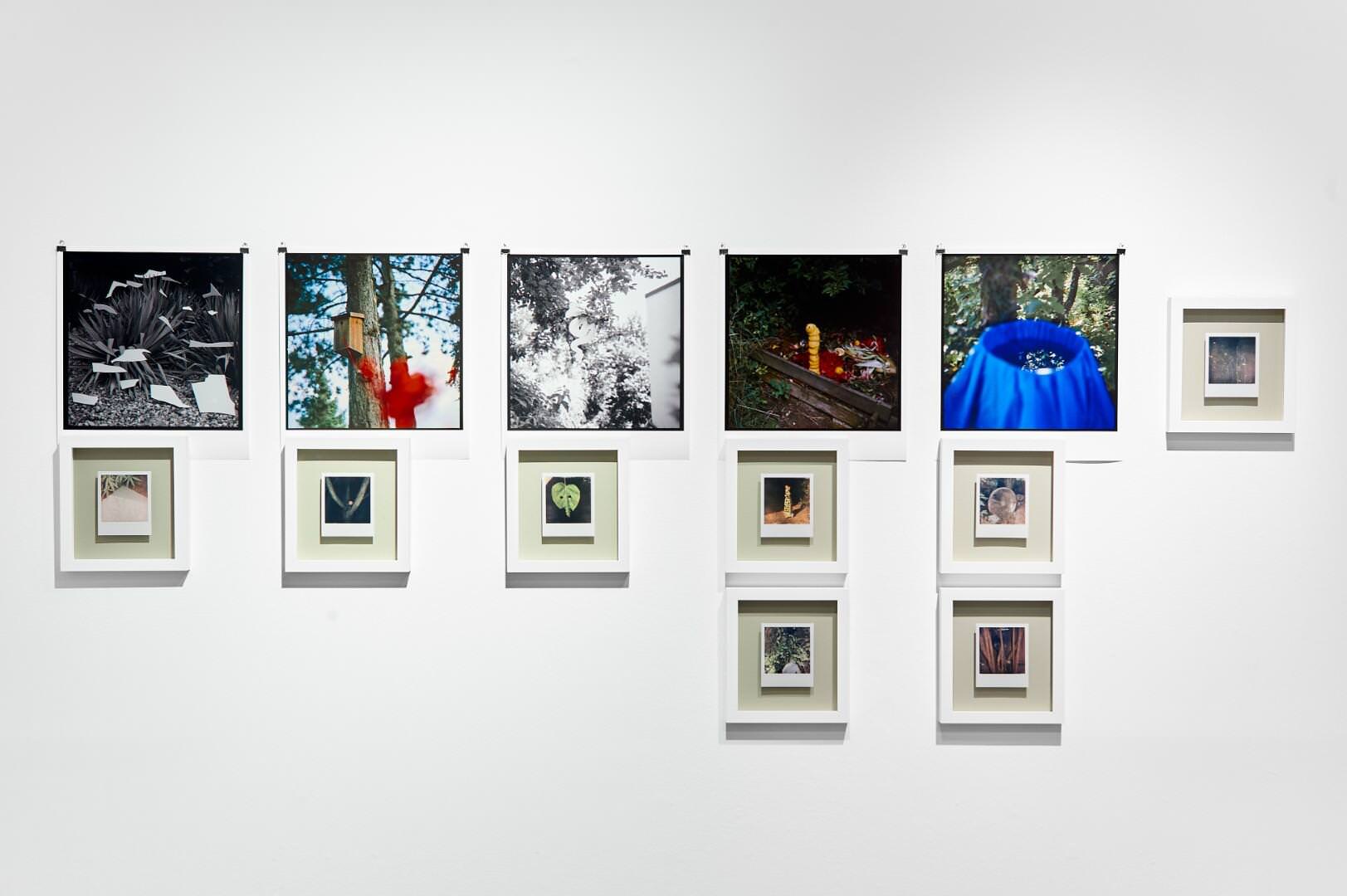
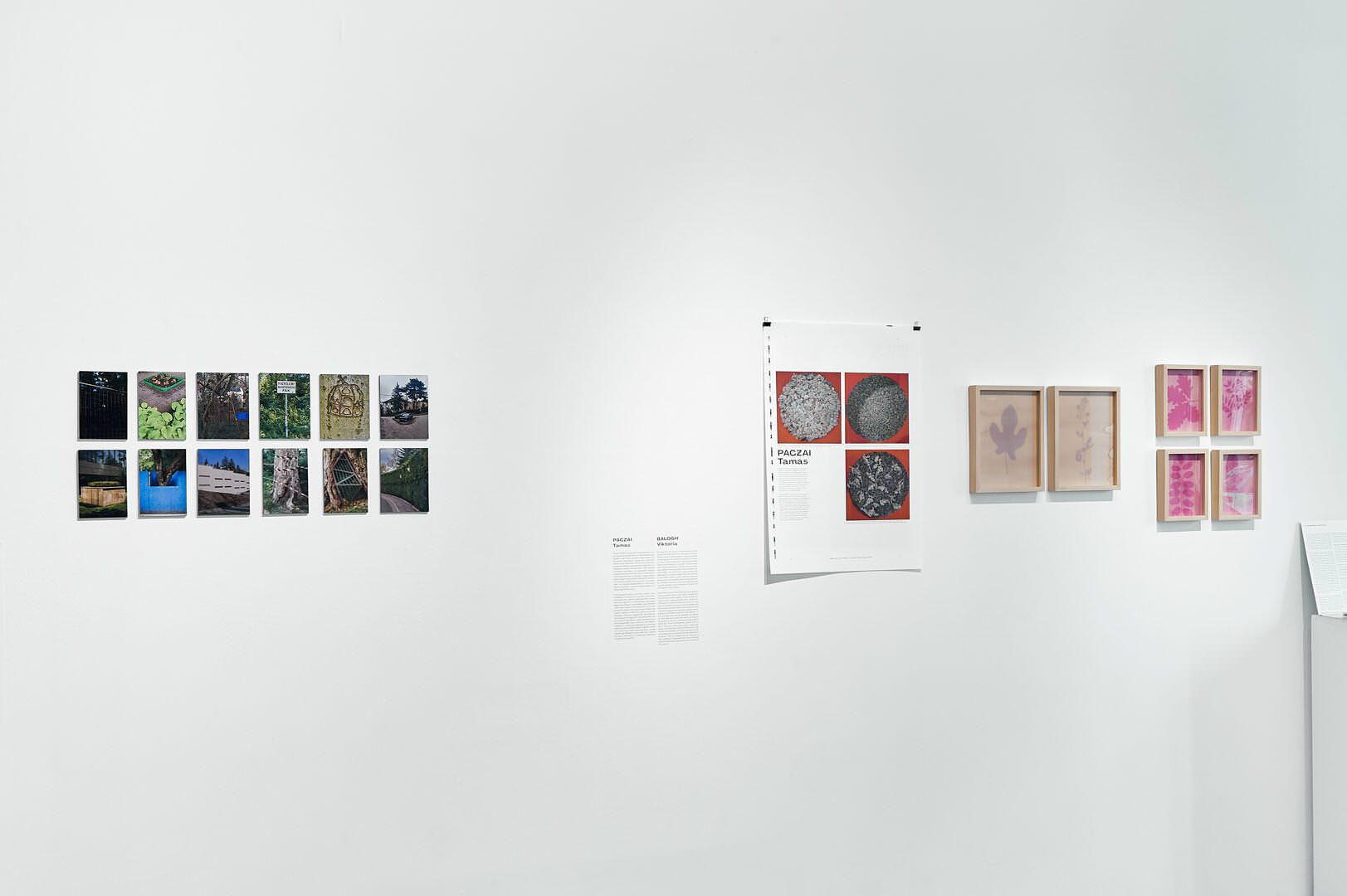
LET’S PLANT
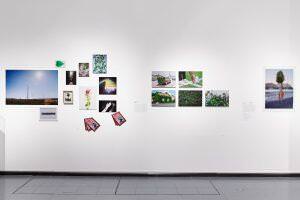
The workshop thrashed out the concept of the garden. It takes patience, confidence, and enthusiasm to tend to a garden and the plants within. Just like every garden is different, be it an indoor garden, a private yard, an urban park, a community garden, an orchard, a kitchen garden, a botanical garden, or an ornamental garden, the approaches the workshop participants have chosen to examine these demarcated green spaces turned out very different, too.
The artists direct our attention to the diverse modalities of plants and the love of vegetation by studying various aspects of the natural life and functions of plants.
Vol. 03
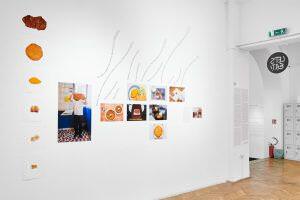
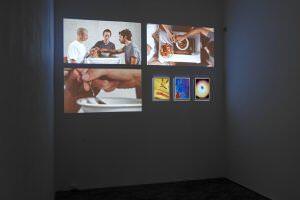
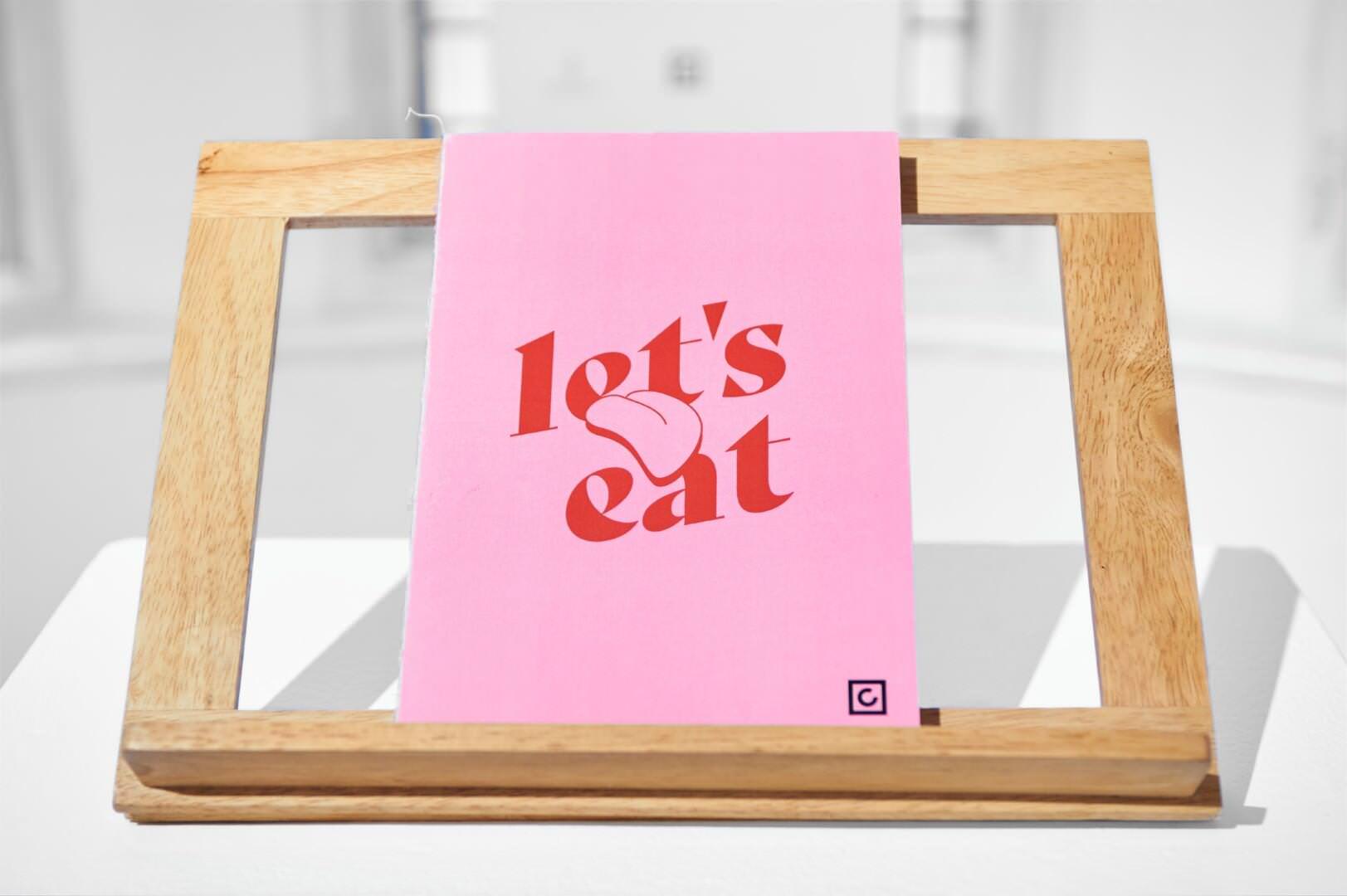
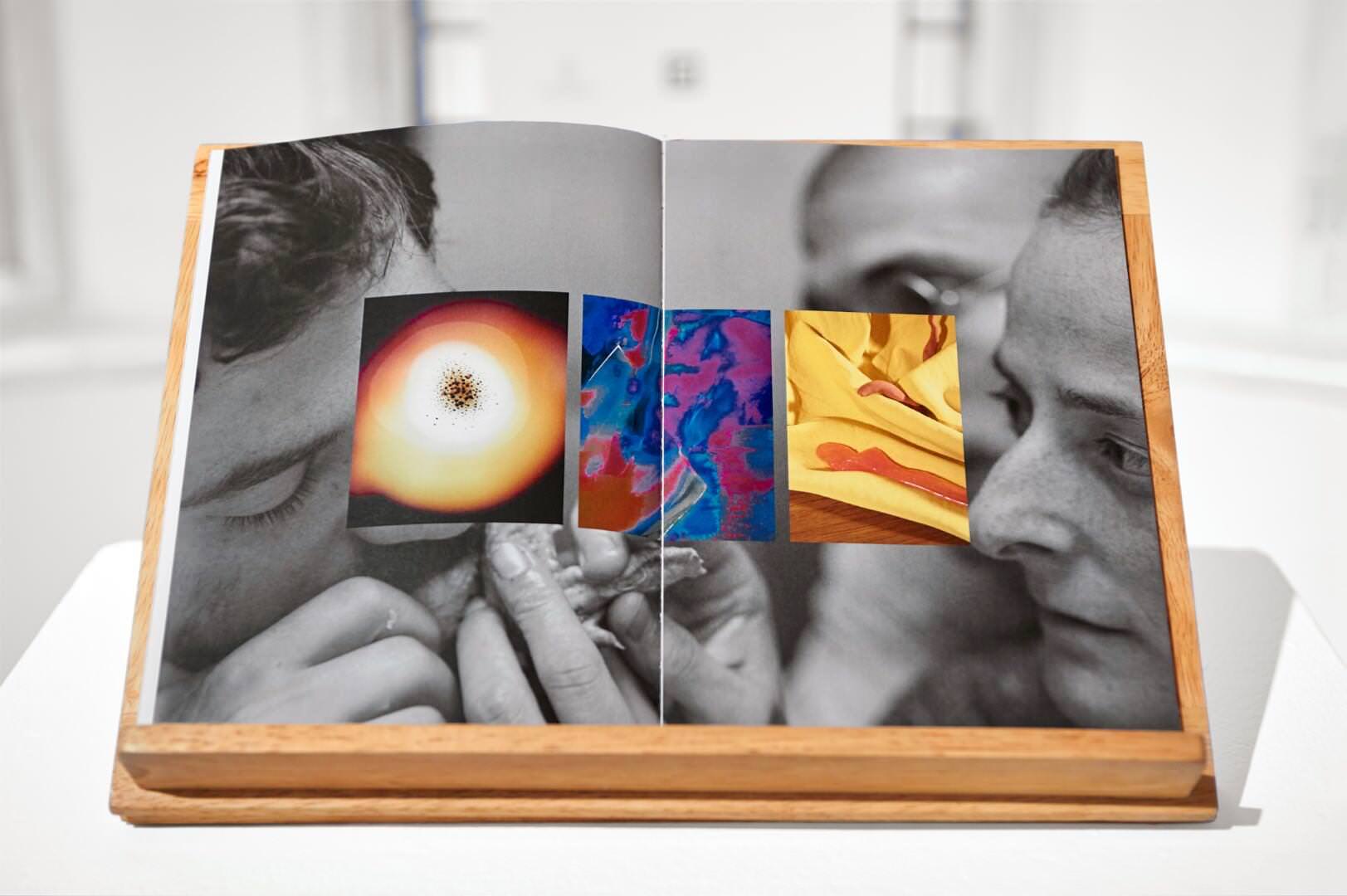
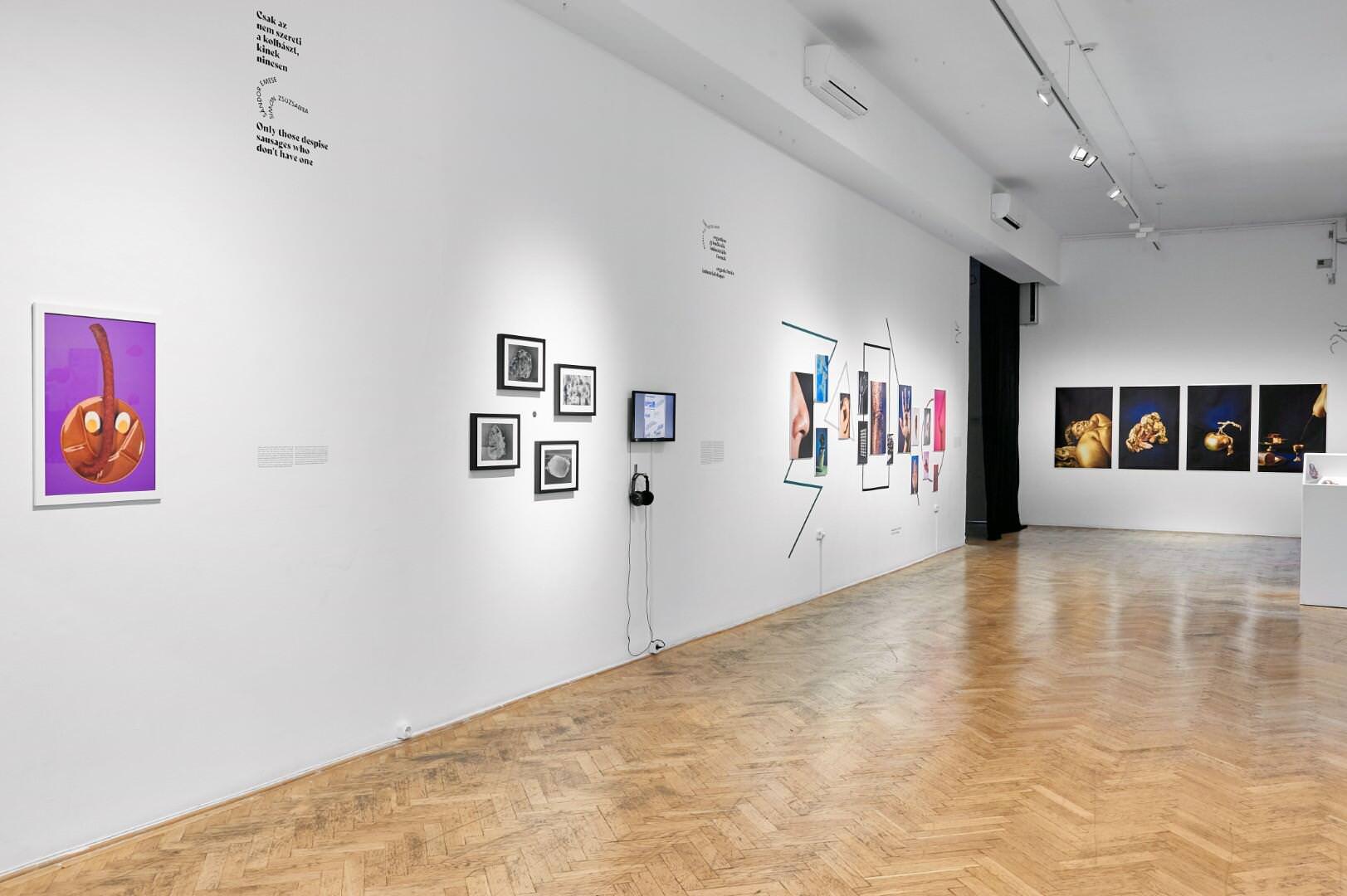
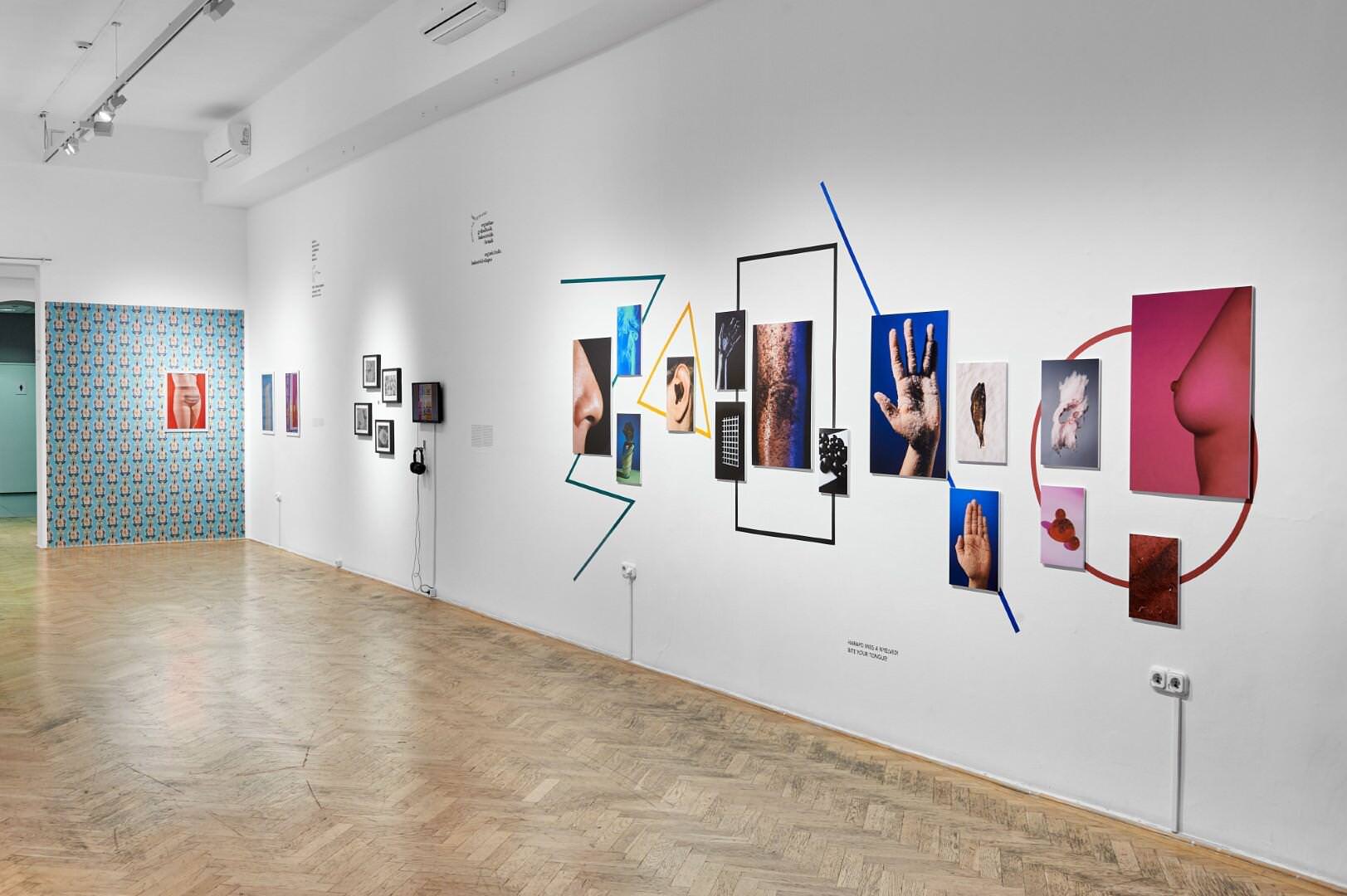
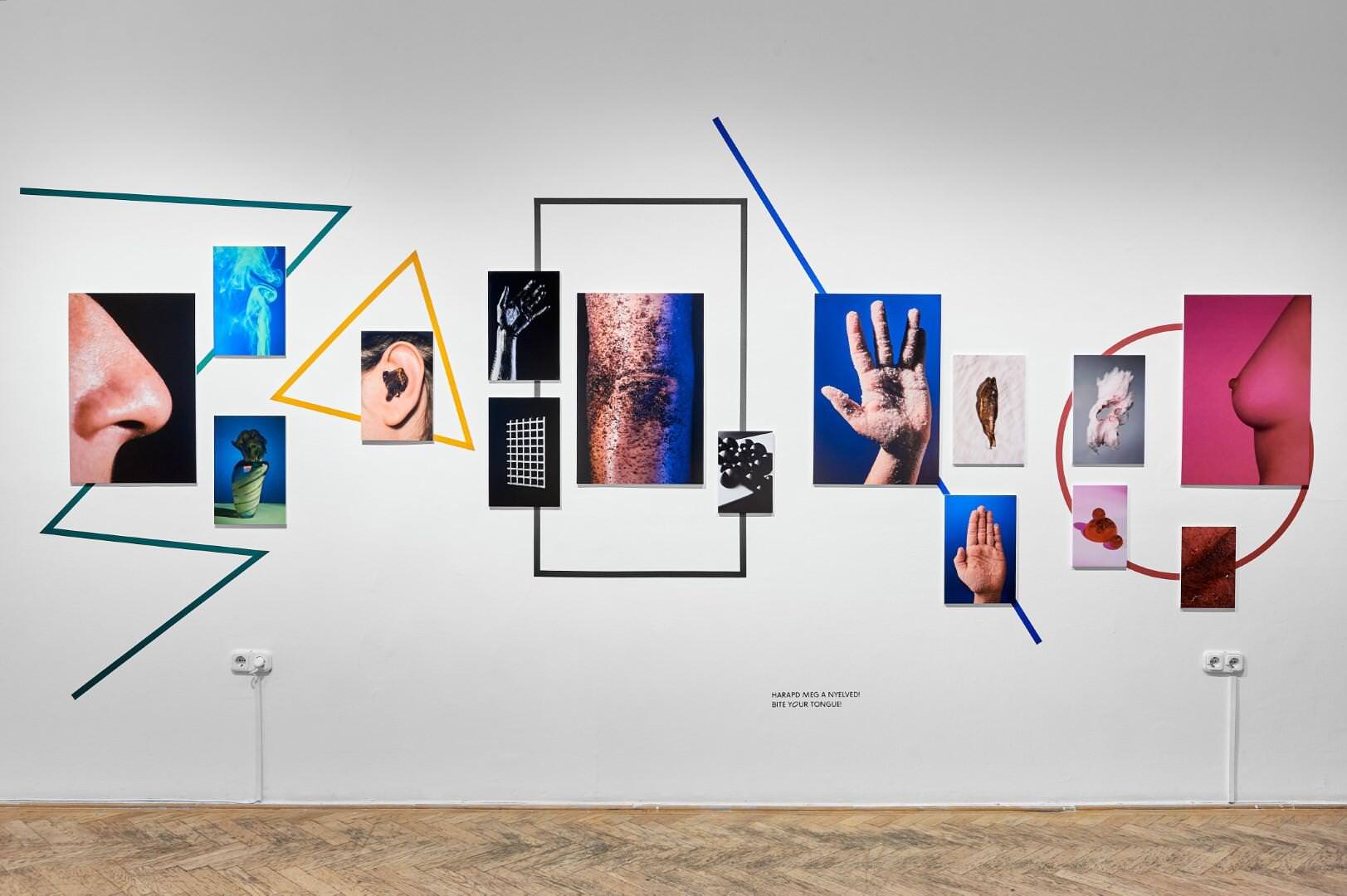
LET’S EAT
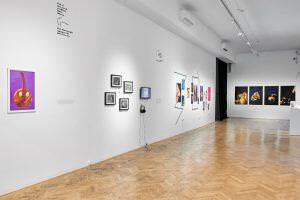
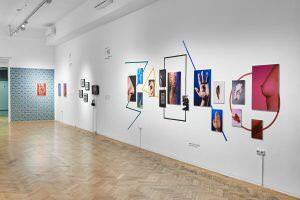
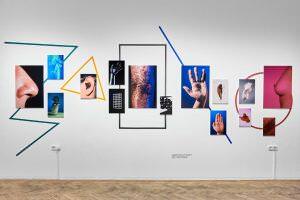
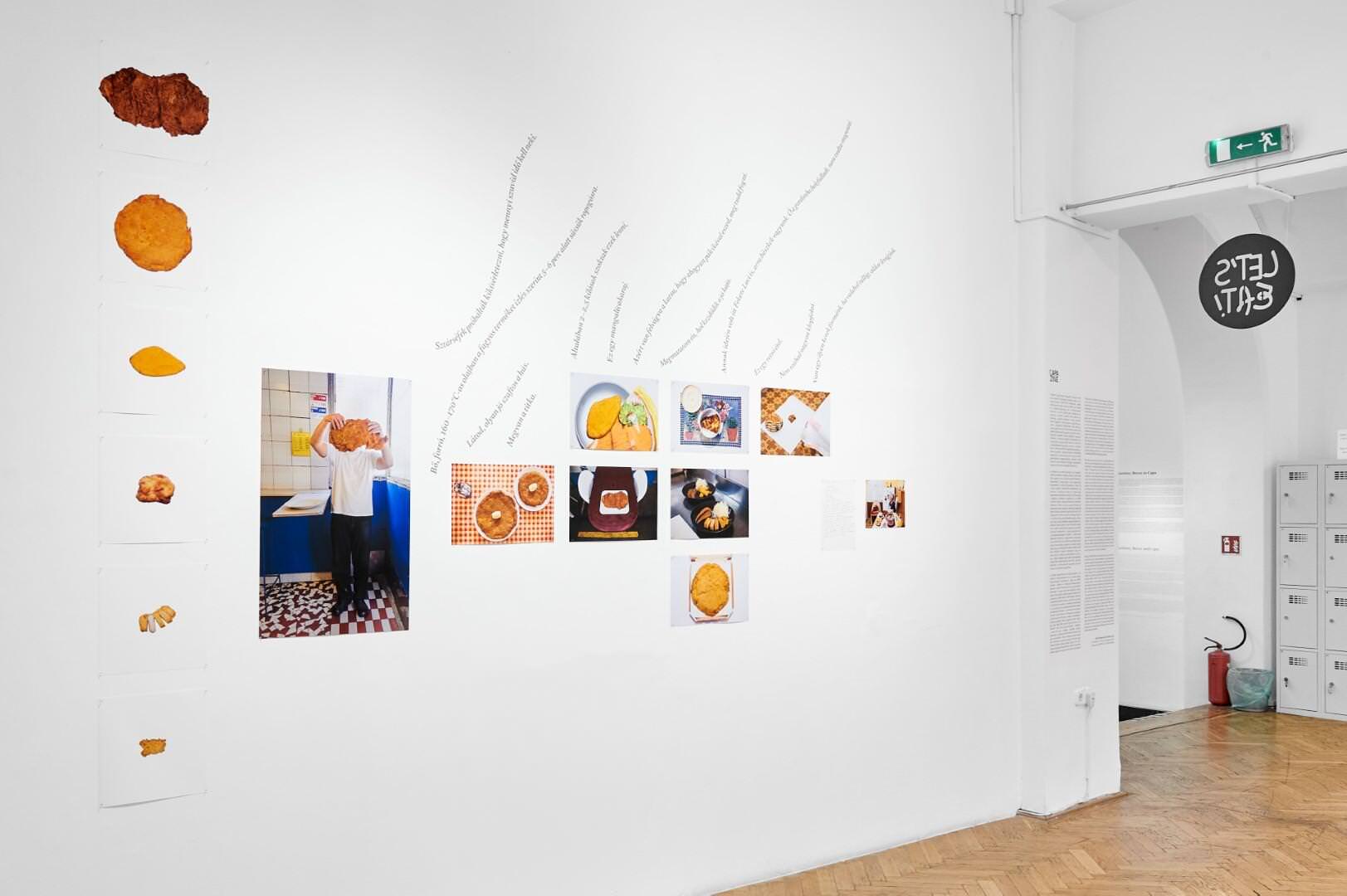
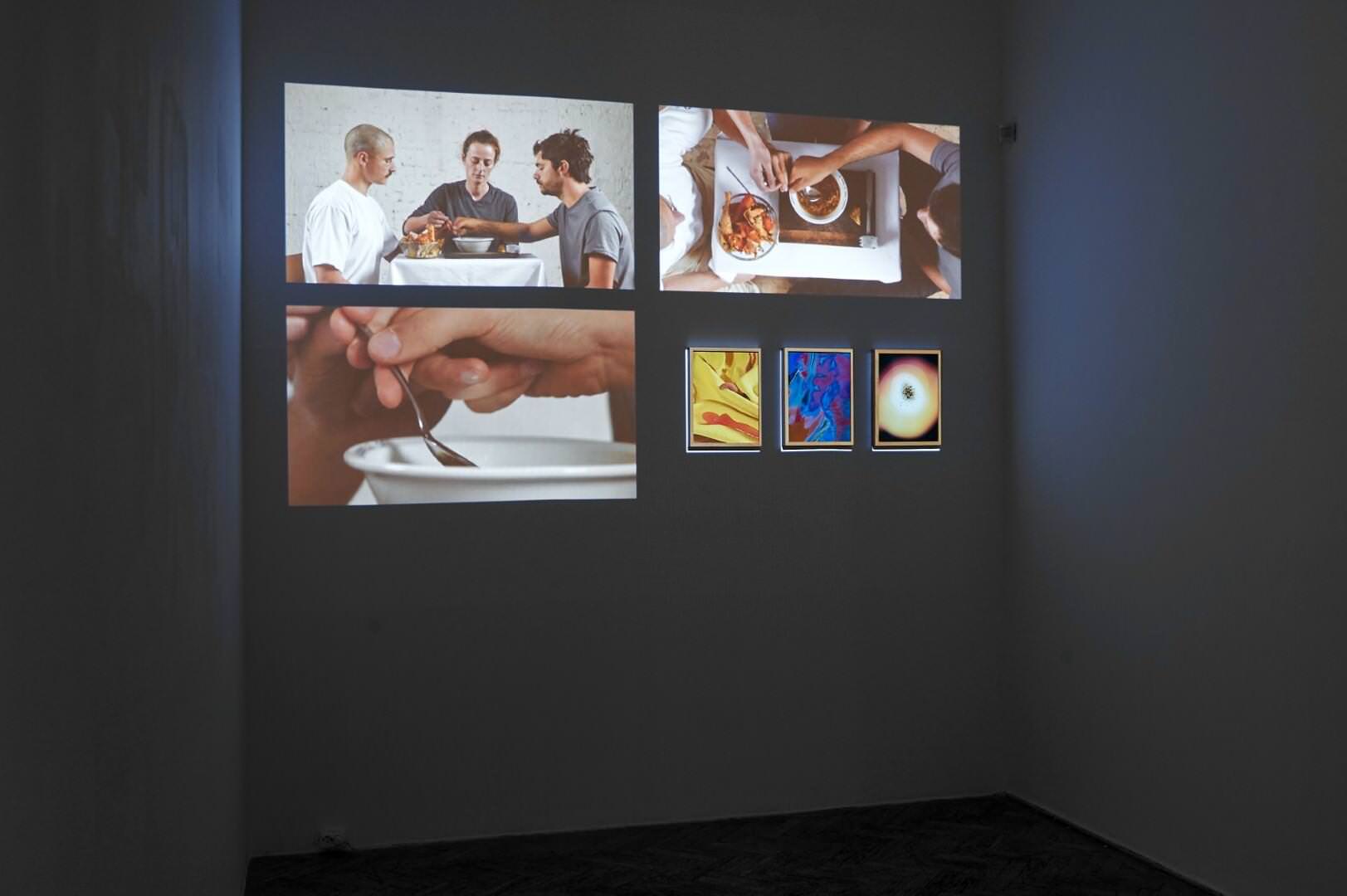
Focusing on tasting and eating in a photography workshop is an unusual challenge that could be interpreted as an attempt at reconciling multiple distant sensory modalities. Capturing and examining these multisensory impressions was an important feature of the CAPAZINE workshop.
In this framework, participants examined eating as an everyday personal action as well as an act with an impact at the political, communal, and global scales.

Vol. 02
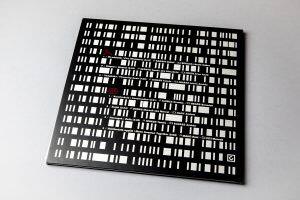
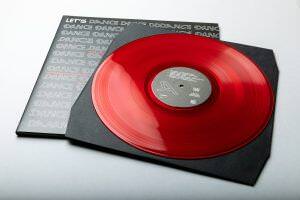
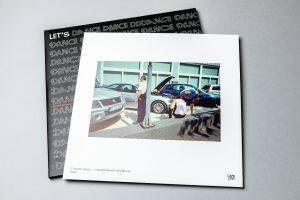
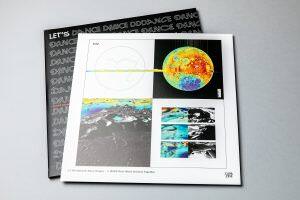
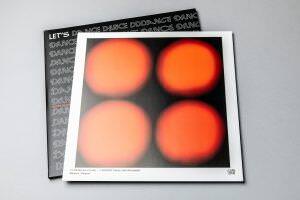
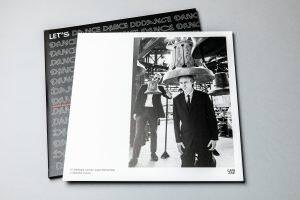
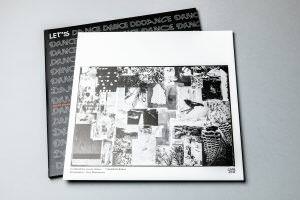
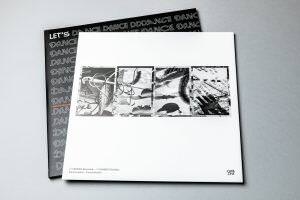
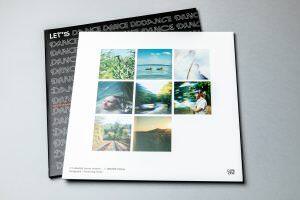
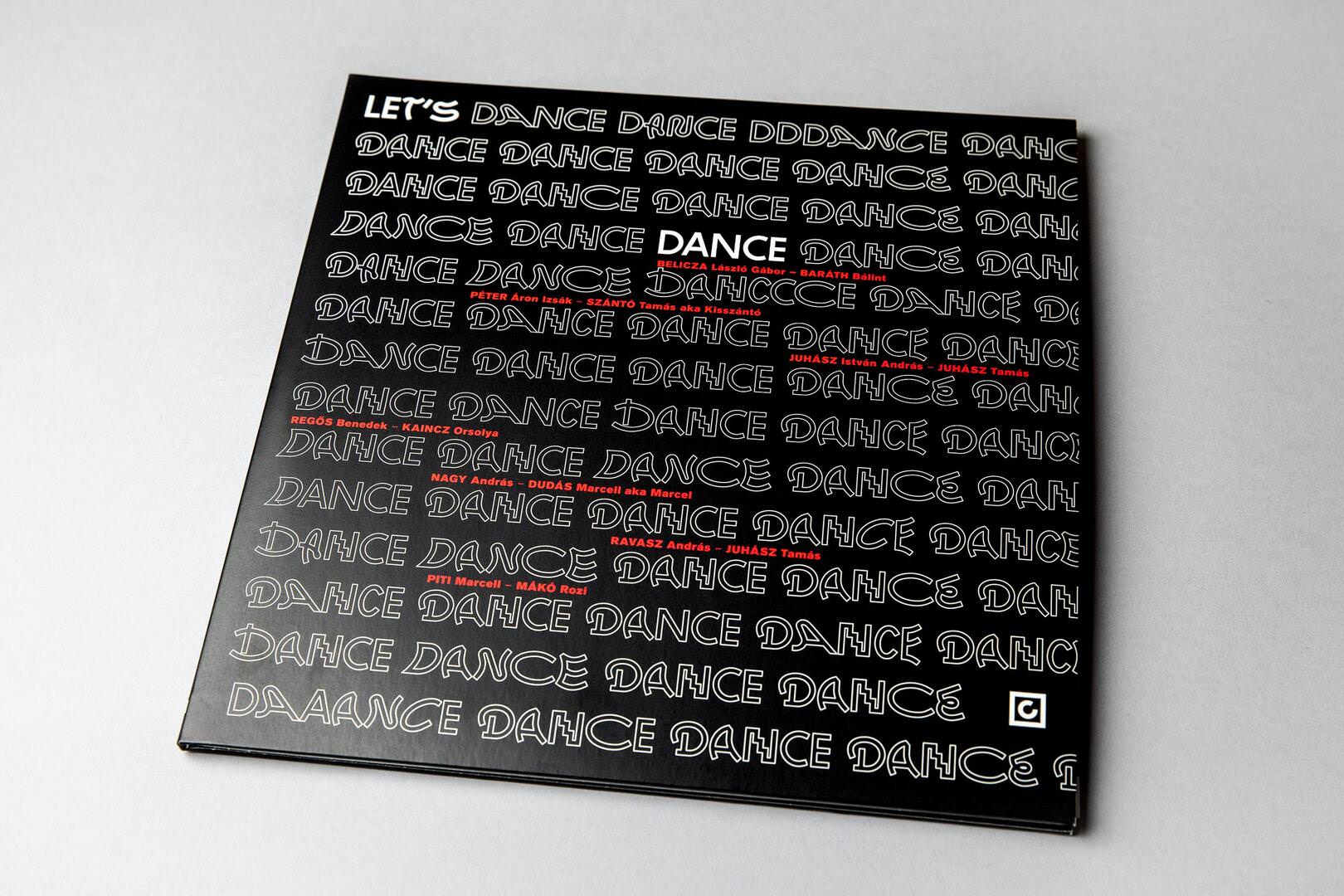
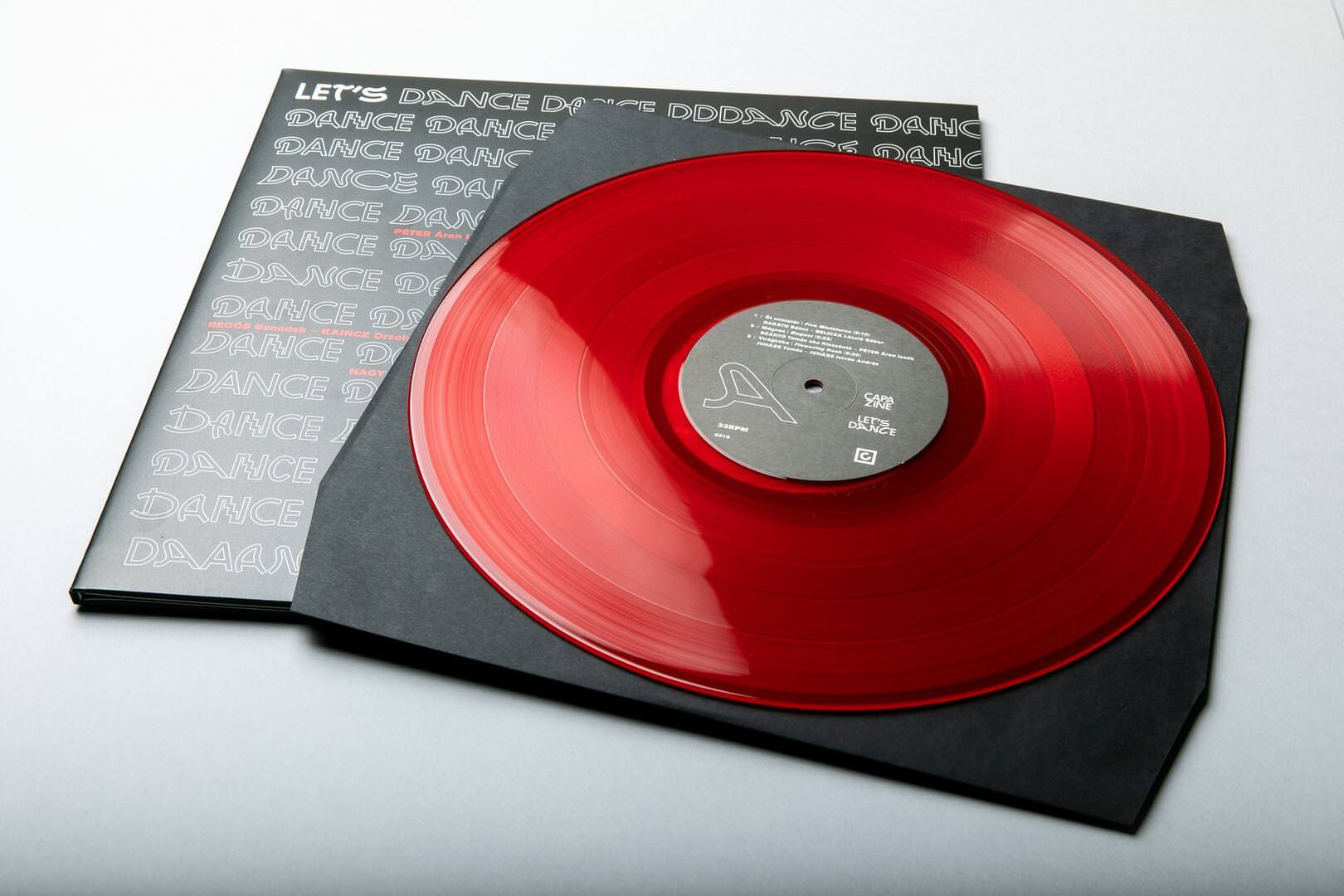
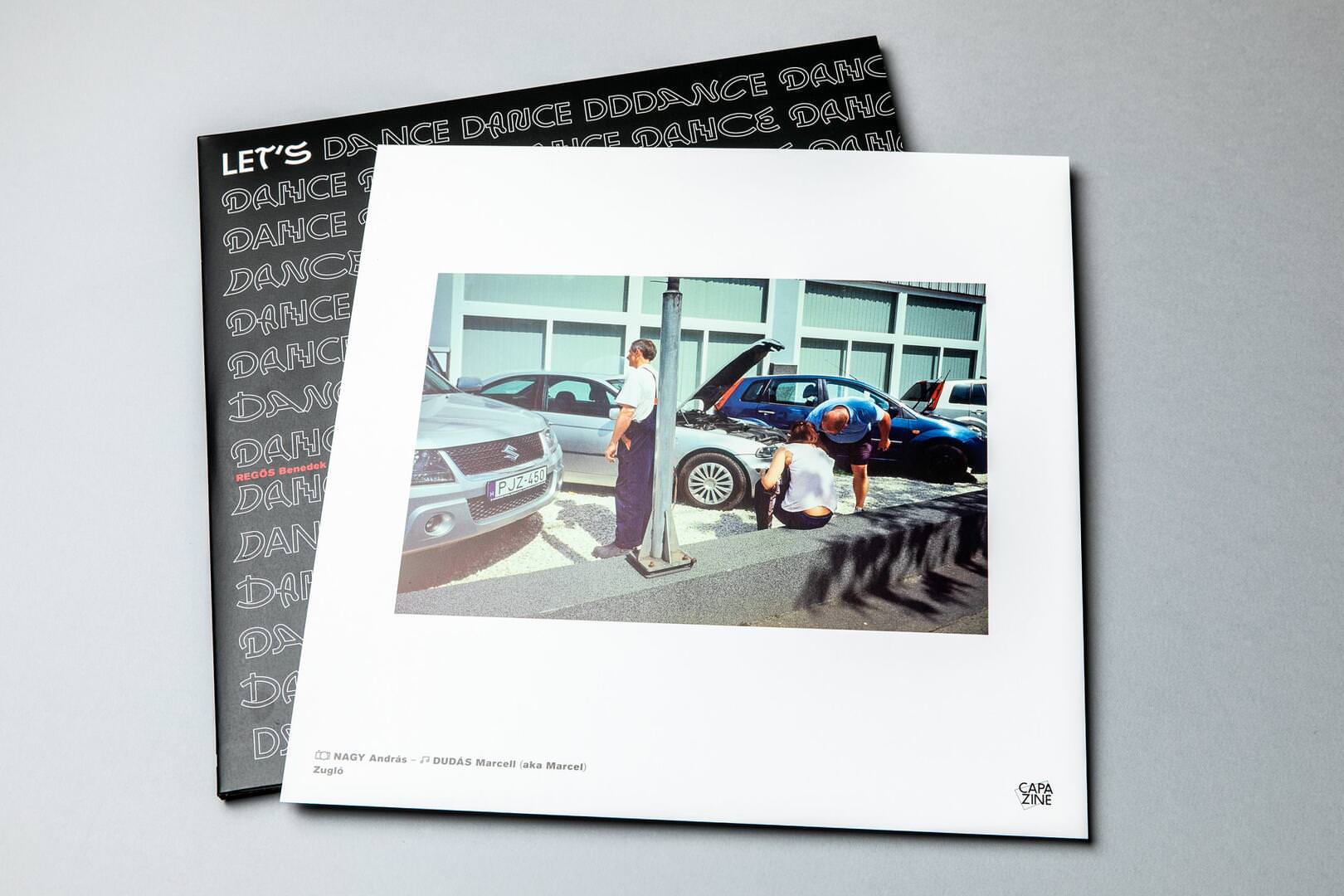
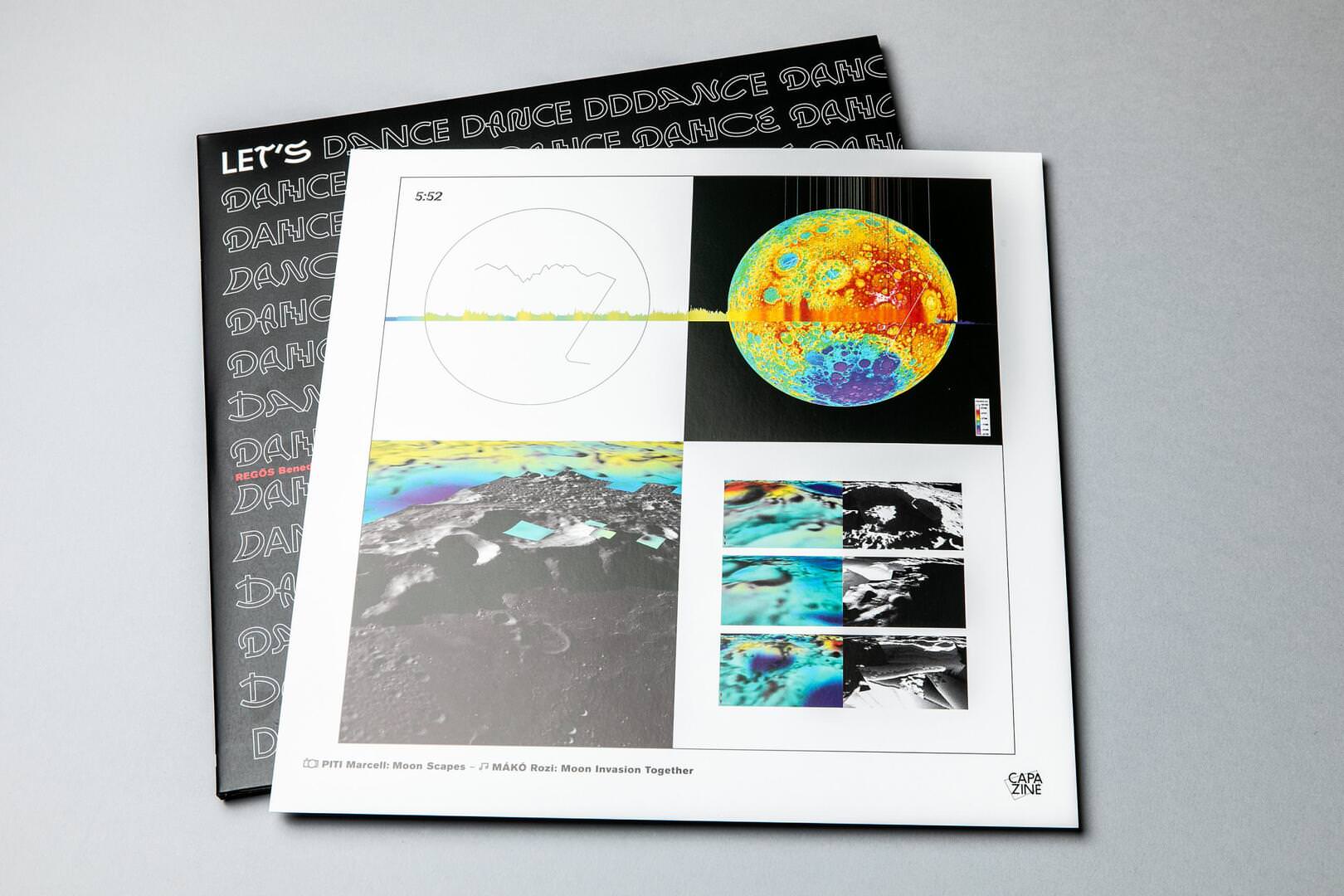
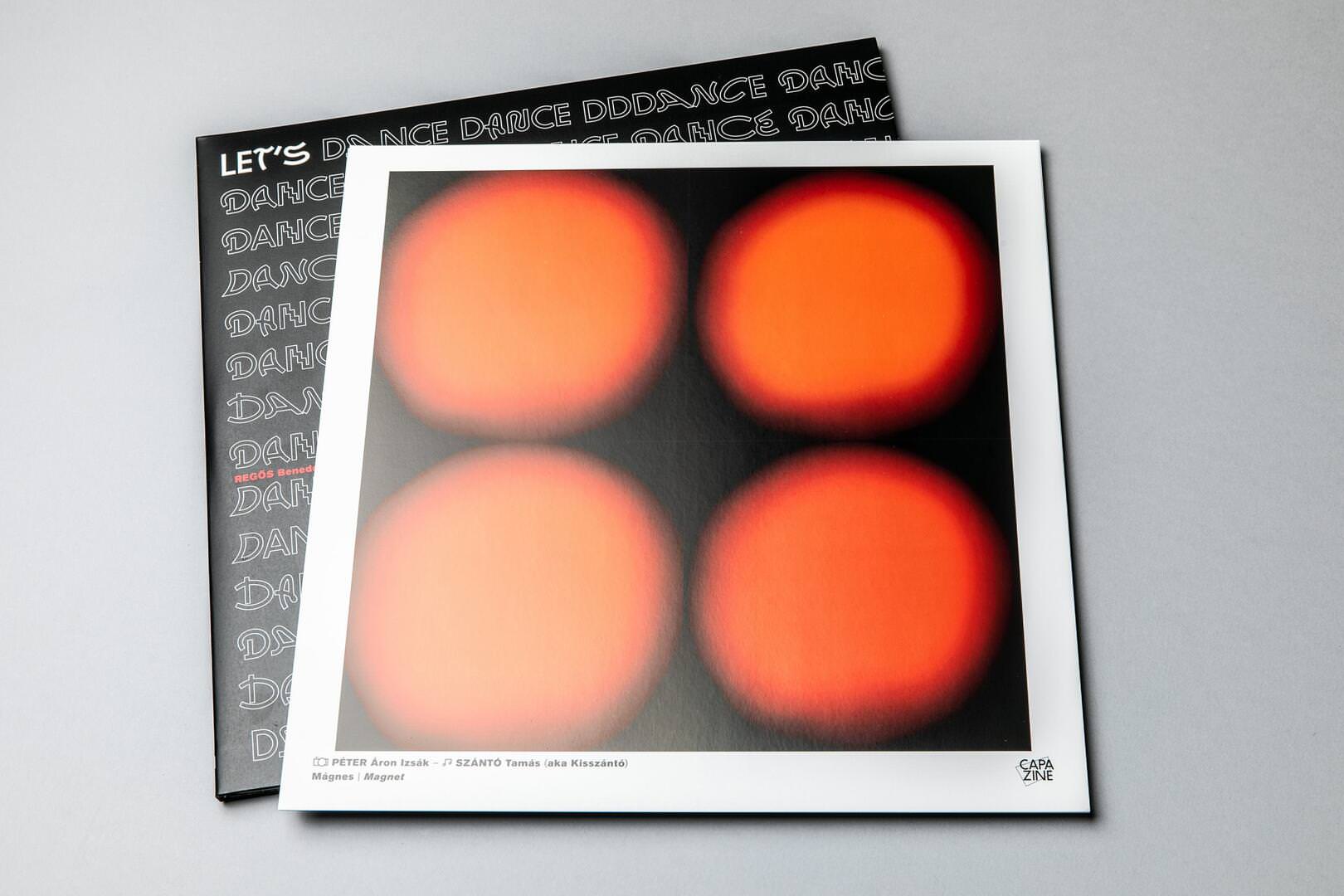
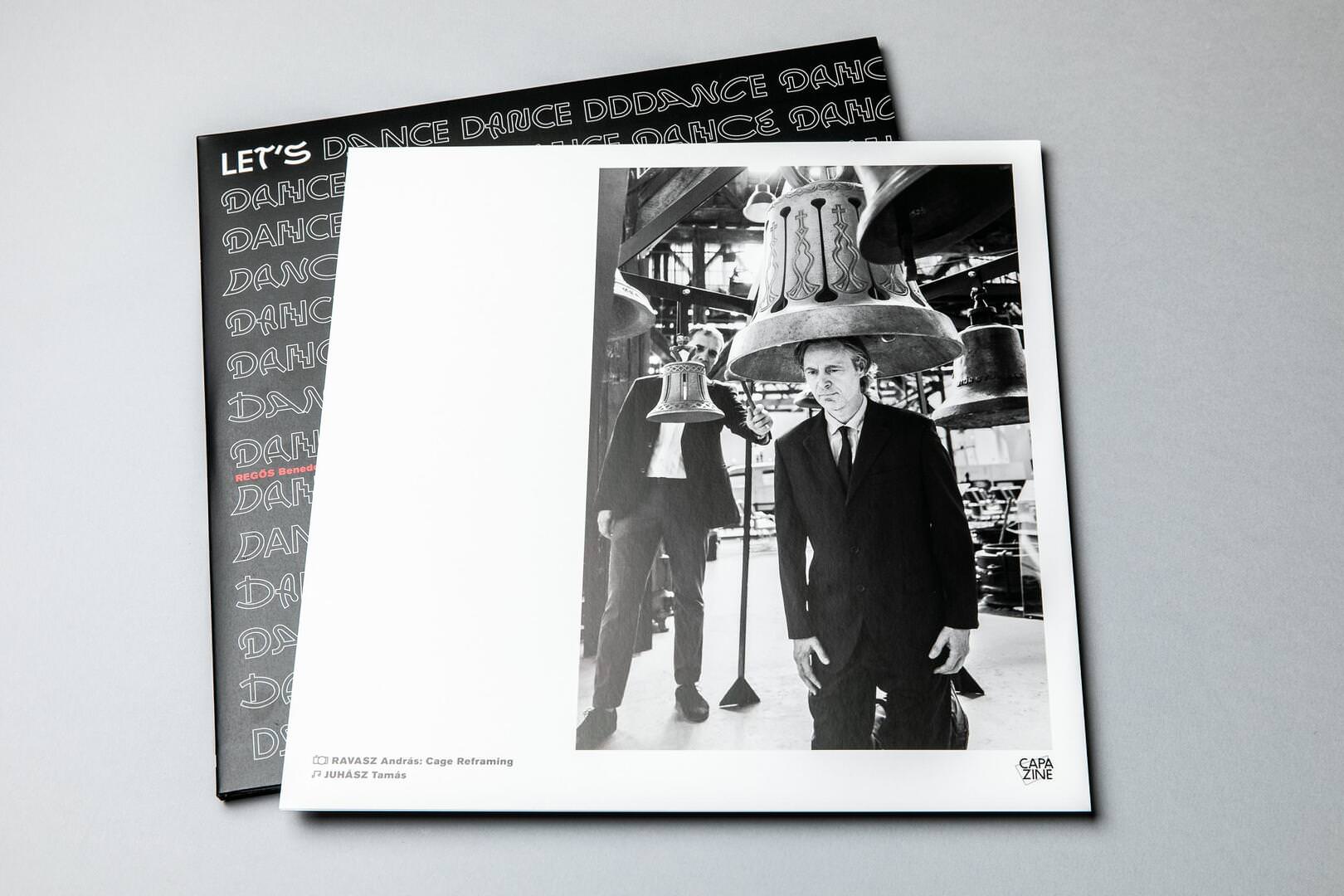
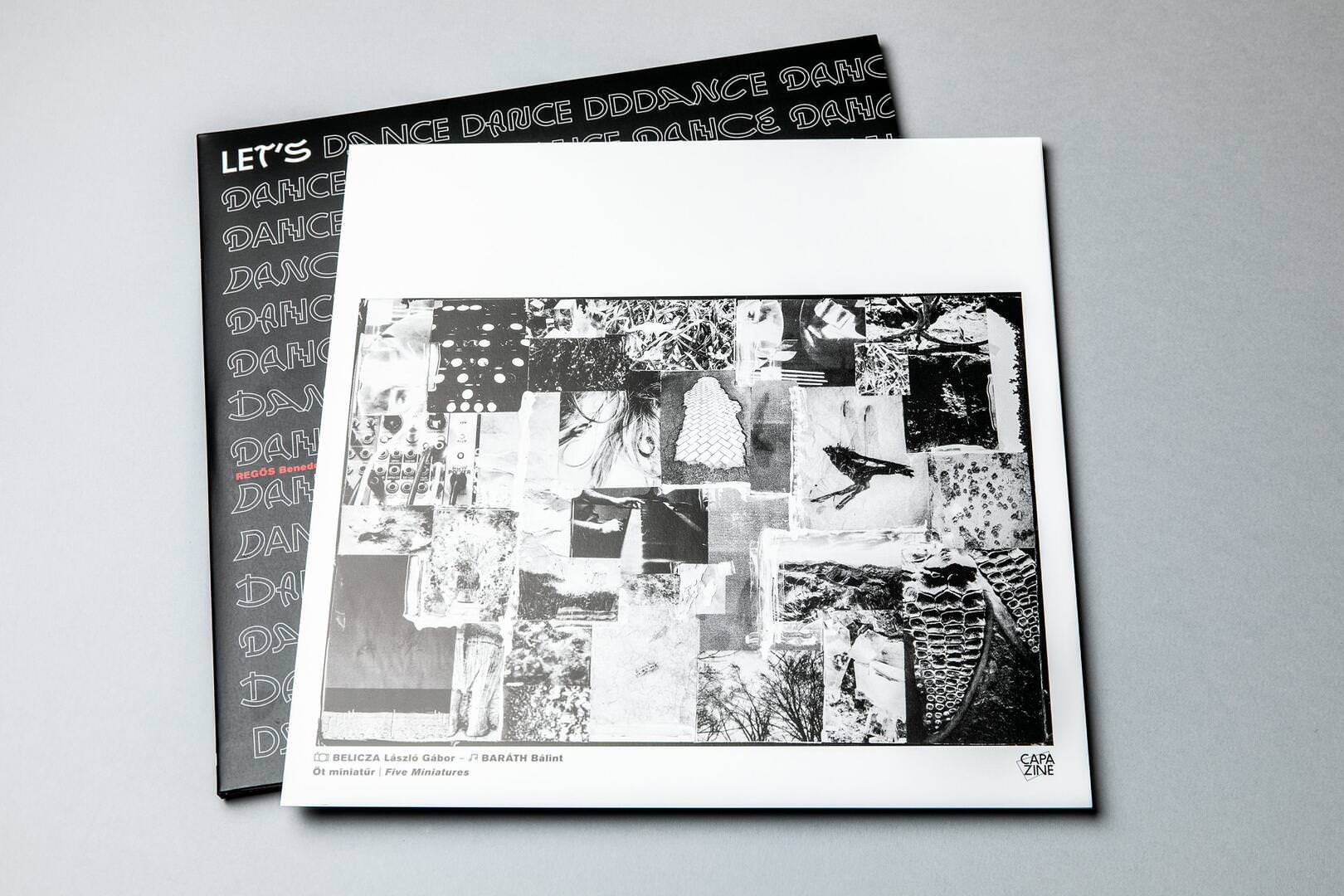
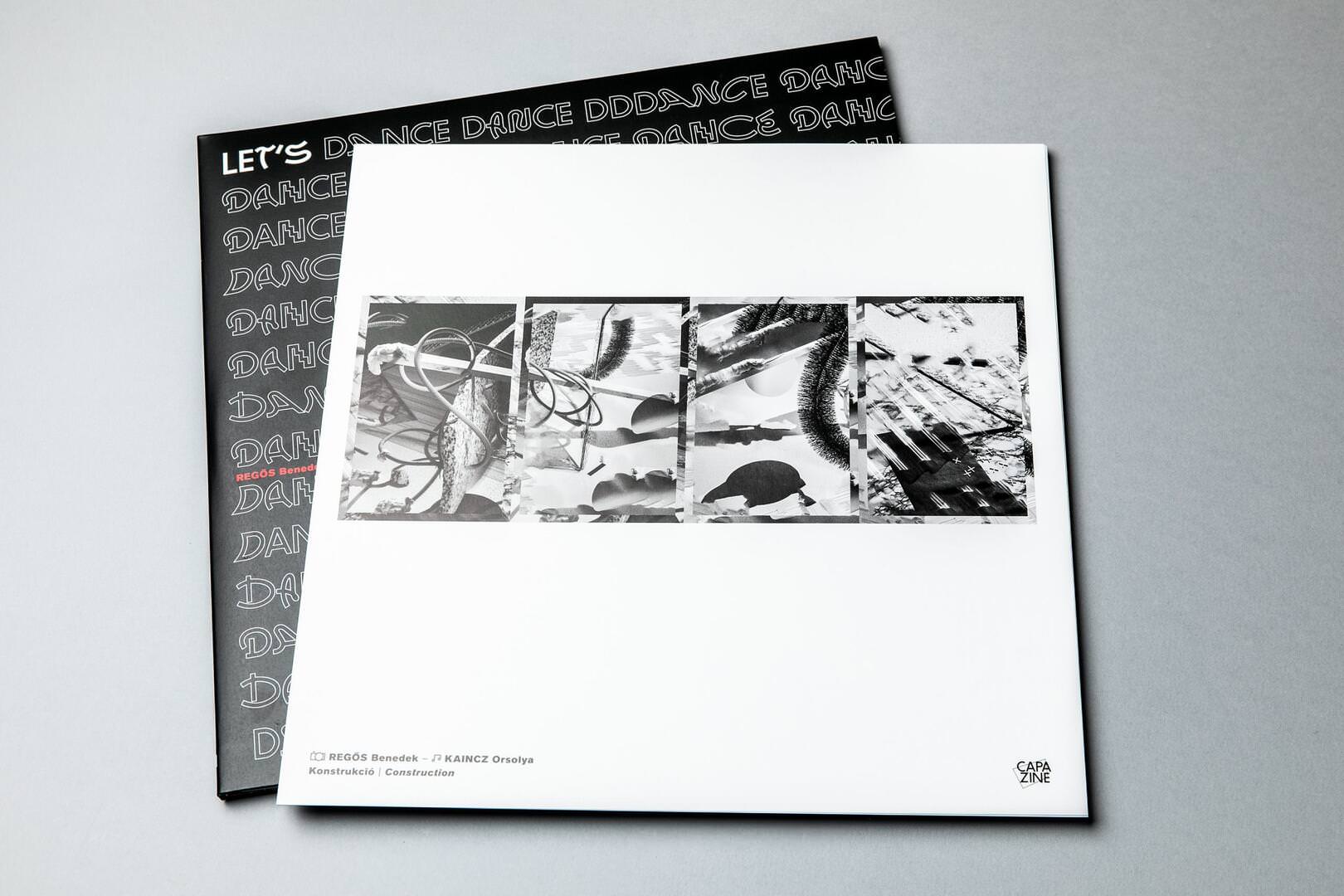
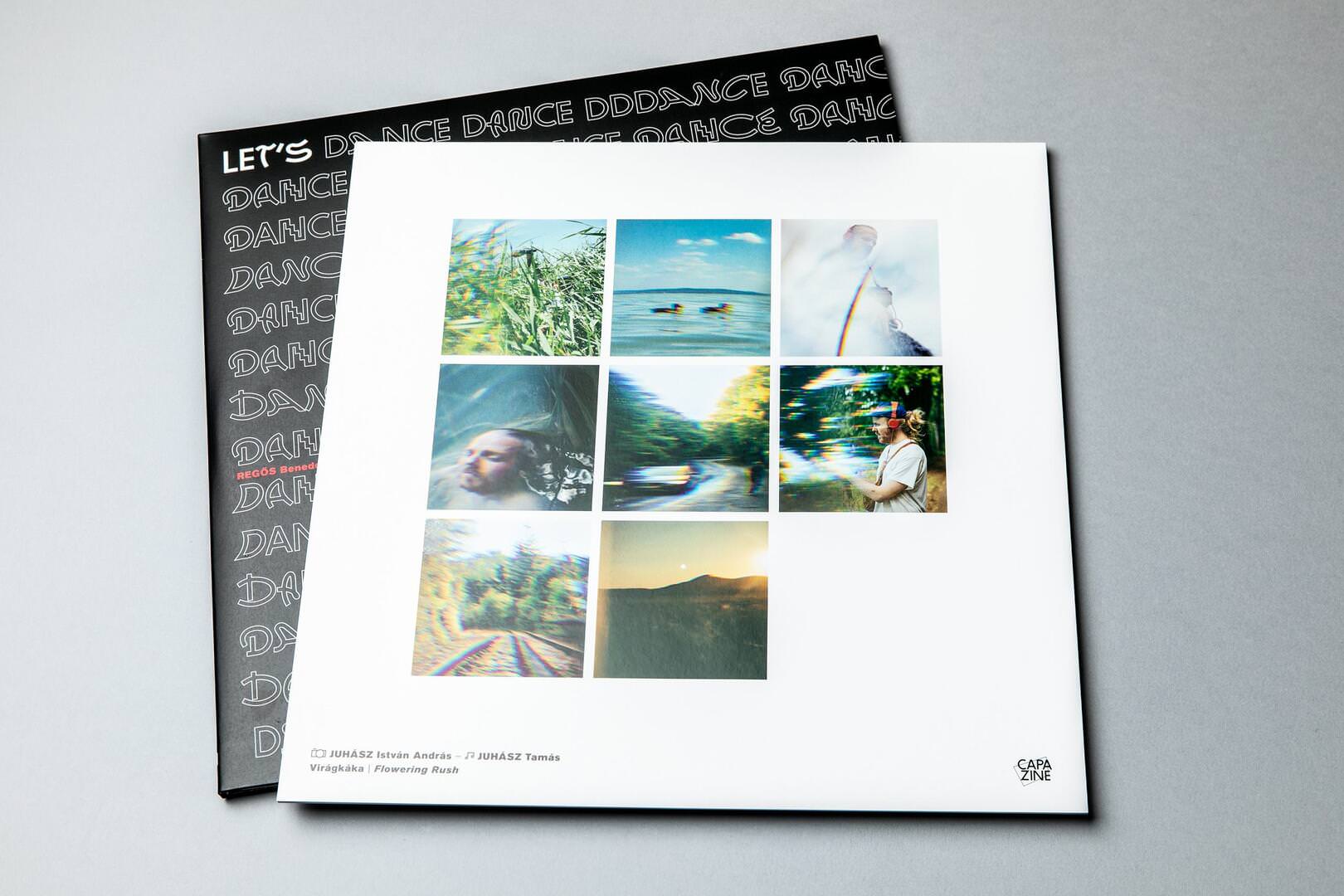
LET’S DANCE
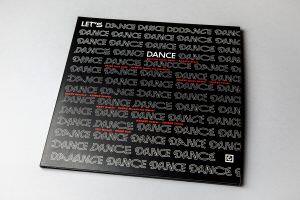
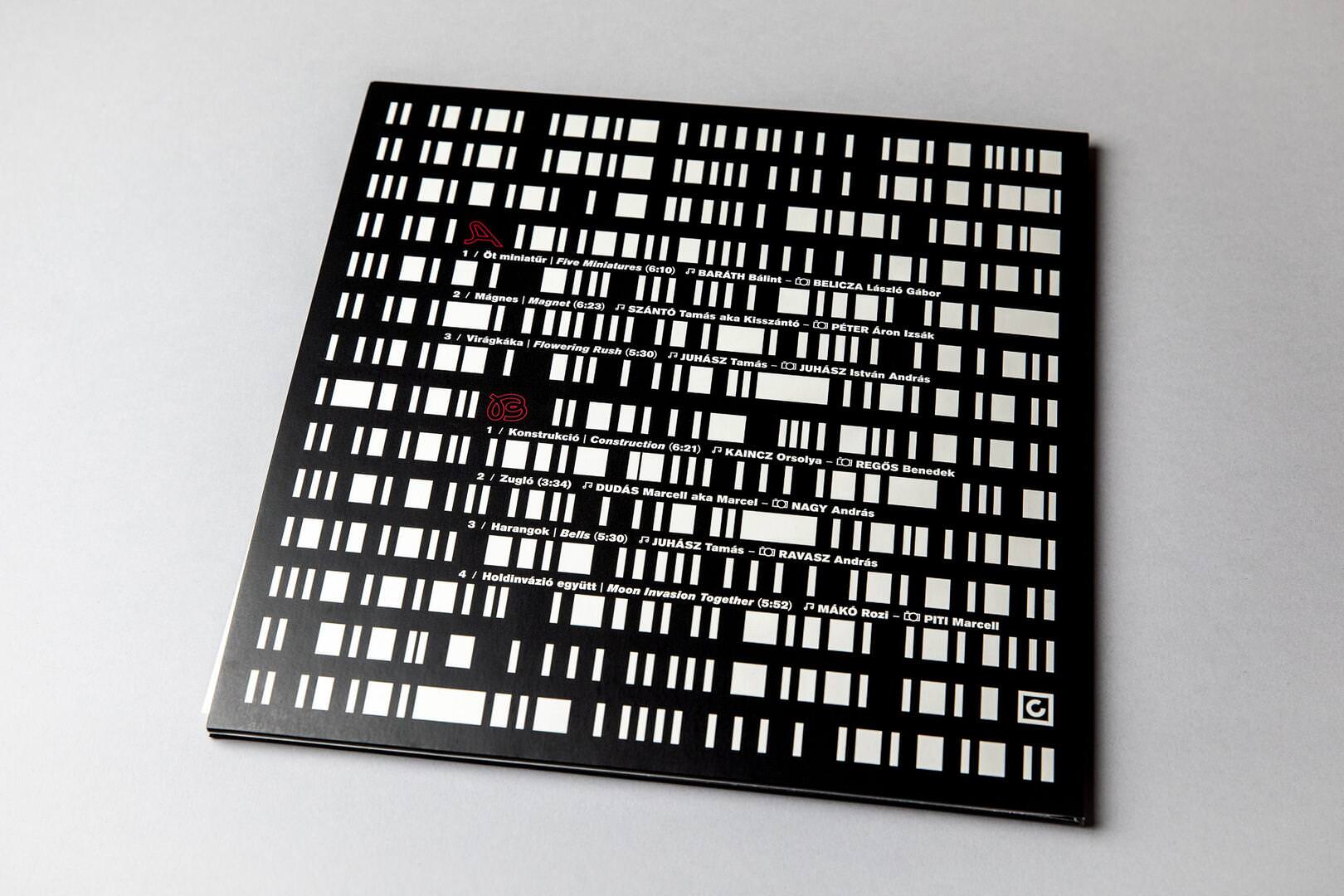
While photography freezes the time, capturing the moment by specific visual motifs; composing, playing and listening to music is a temporal process. The workshop’s objective was to find meeting points between music and photography and inspire innovative new creations that use the instruments of both arts activating radically different sensory apparatus.
In this context, dance is considered the cooperative action of the participants where the couples and trios coordinate their collective movements, connecting photographs and stills to musical pieces.
Vol. 01
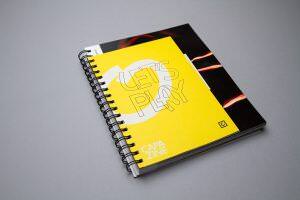
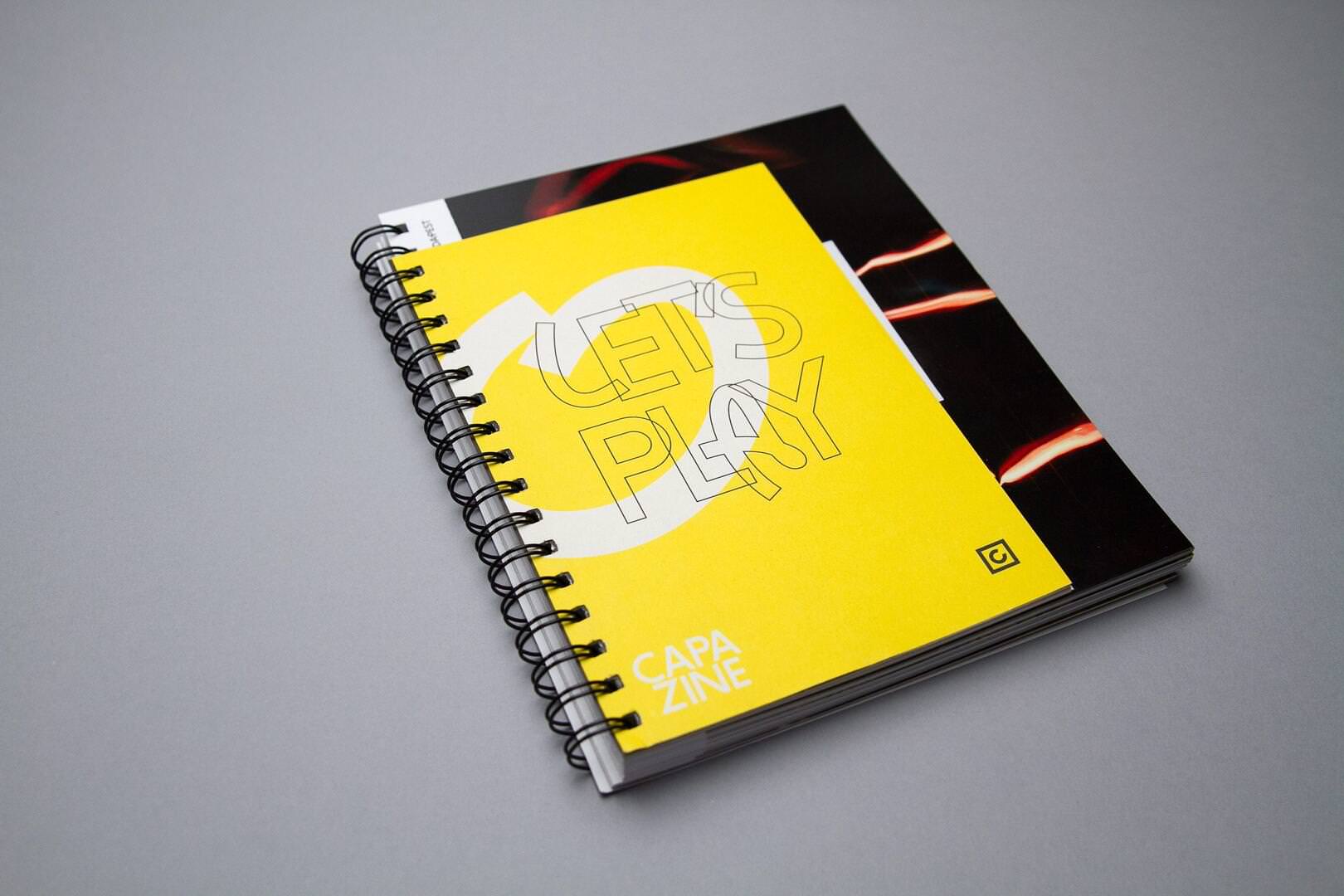
LET’S PLAY
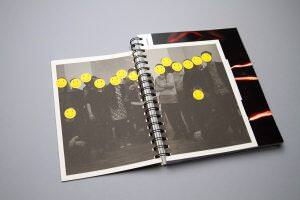
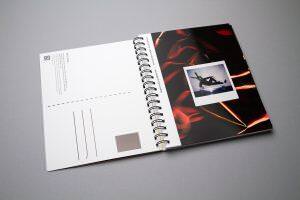
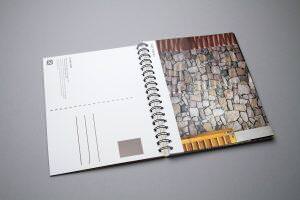
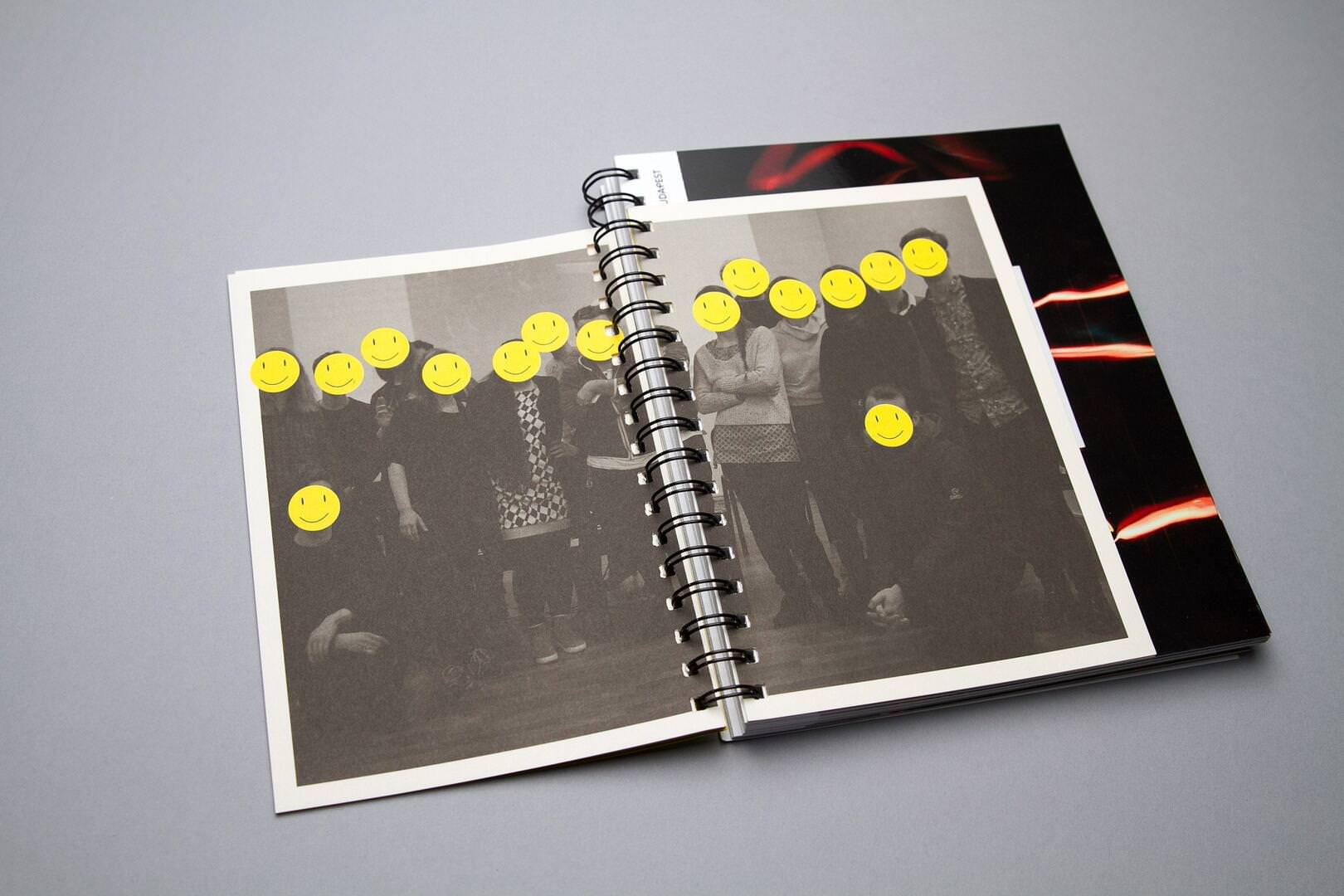
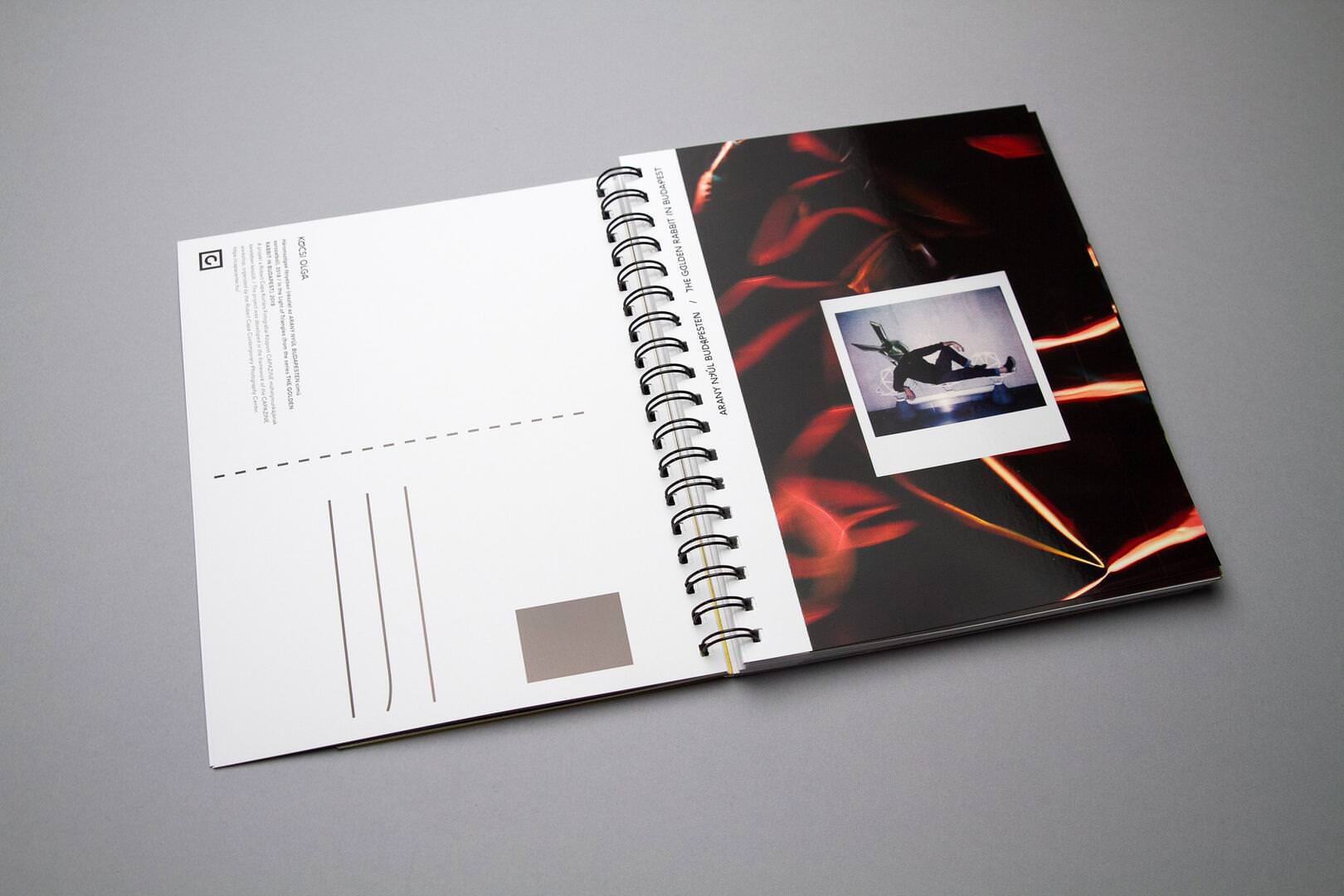
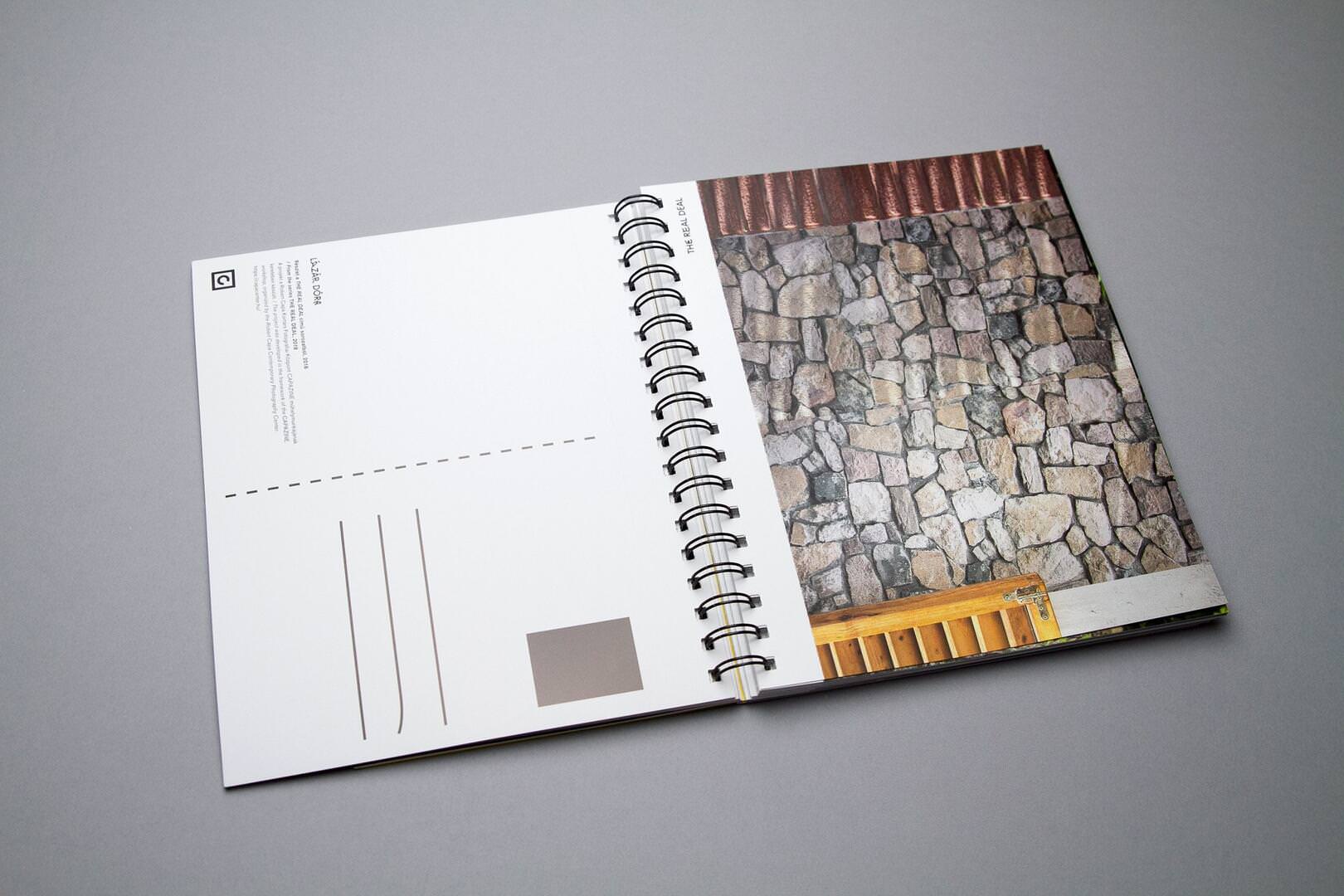
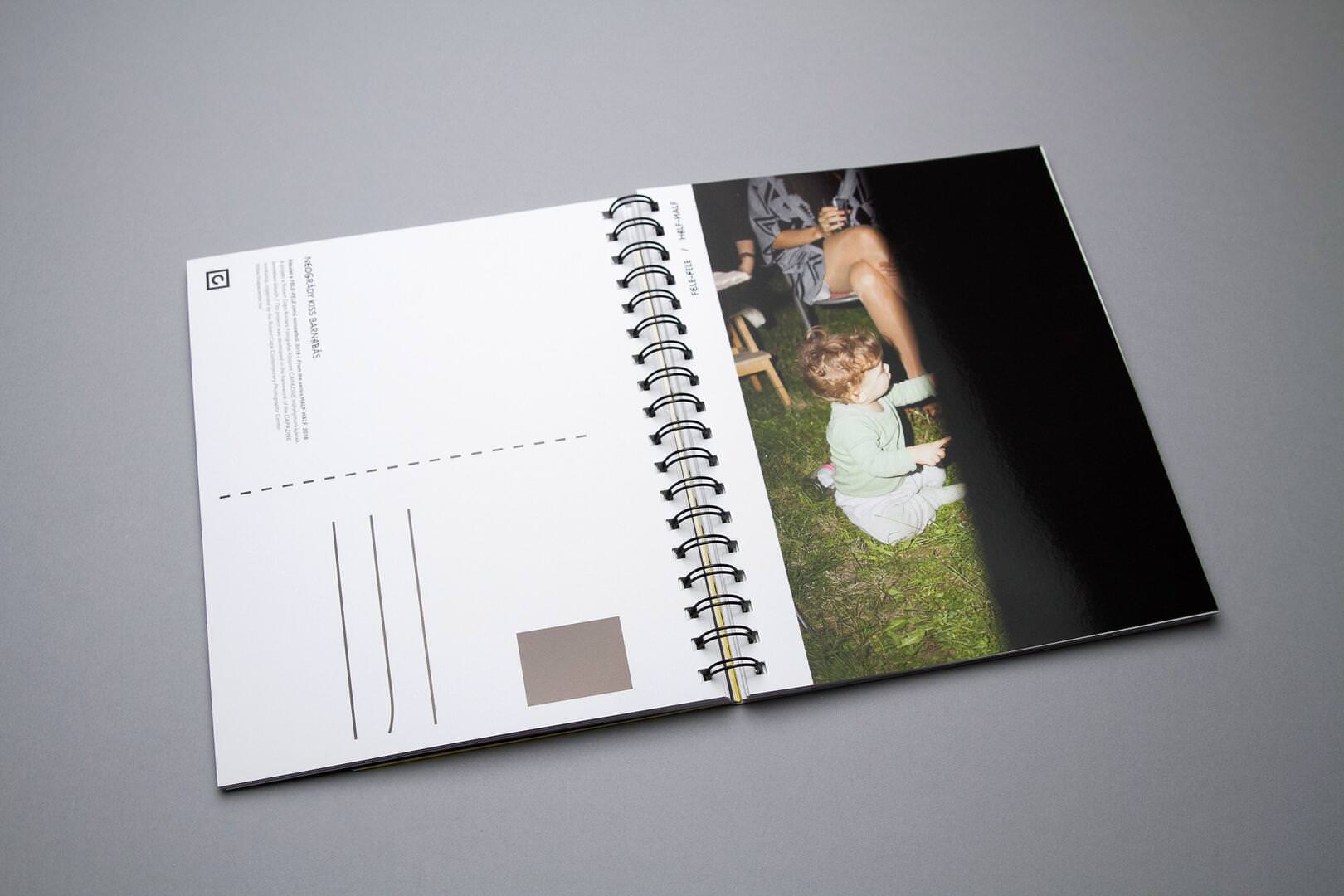
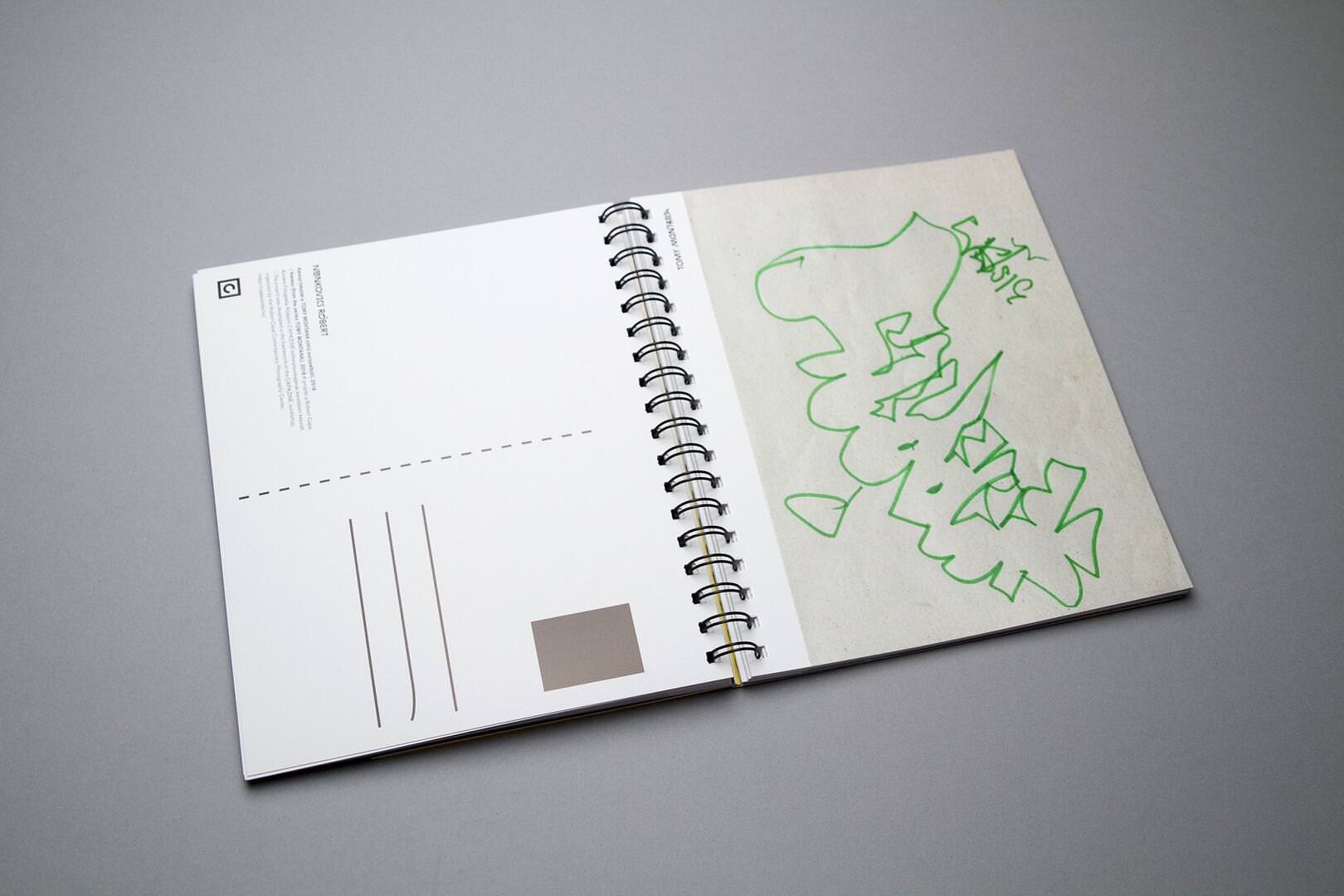
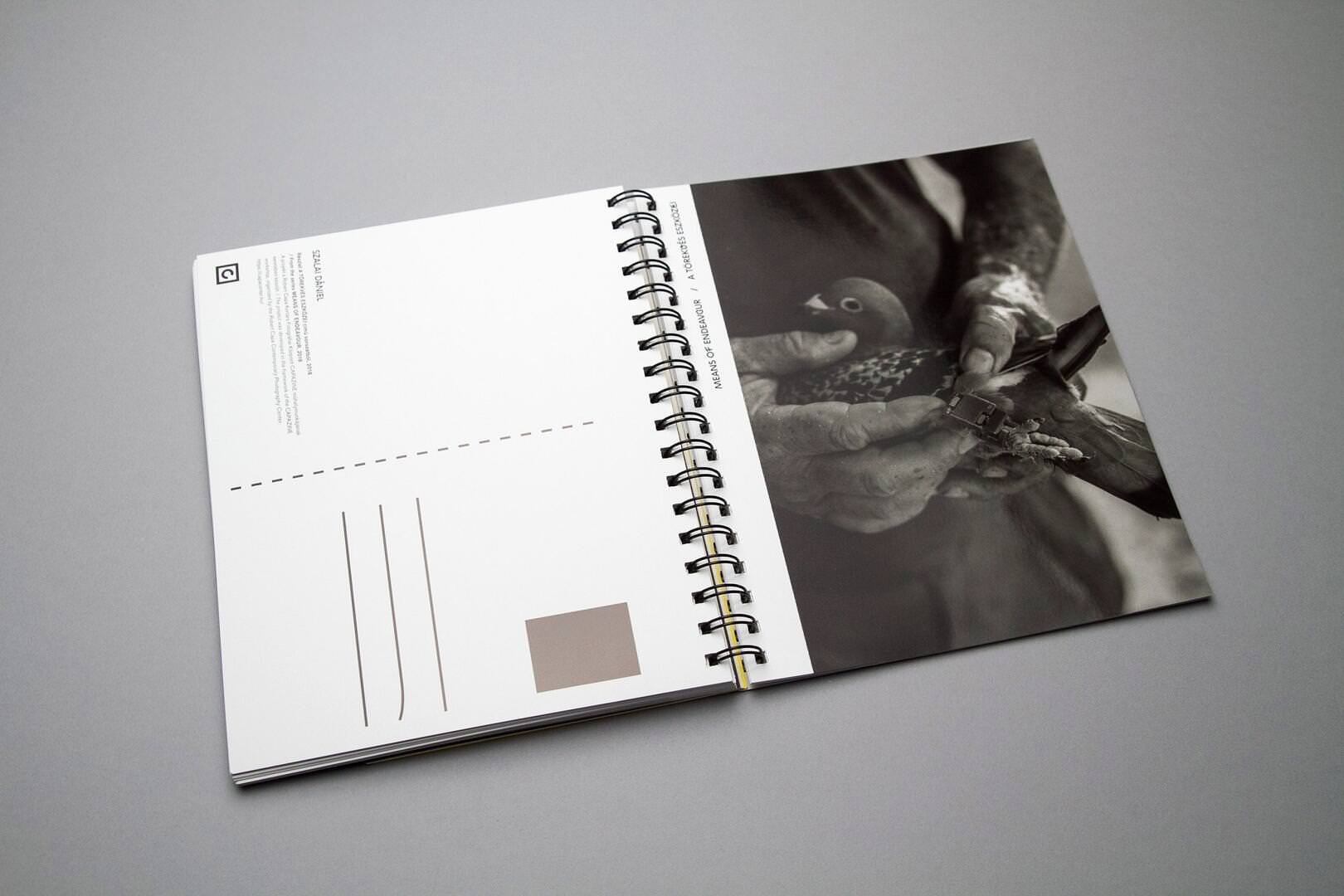
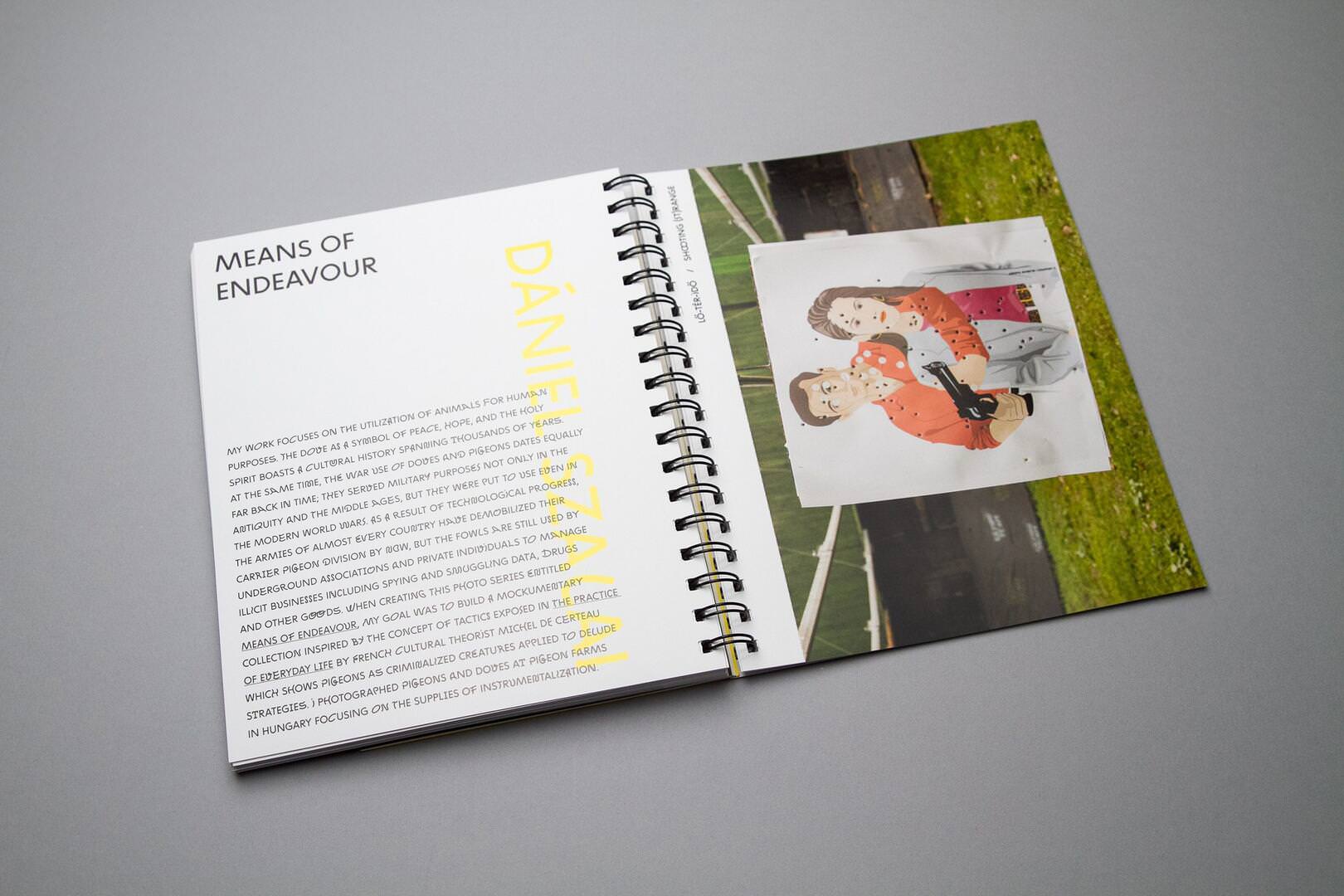
Play. Freedom. Learning. These were the main ideas behind the CAPAZINE workshop 2018. (Fan)zines originally catered to a public with a shared special interest by facilitating uncensored information flow. One characteristic remained unchanged, however: zines are only bound by their own internal rules.
Play is not only a topic discussed by the course leaders in their lectures, in the projects of the six photographers, and in the essays of the theorists, but it also means a future opportunity presented to readers by this special form of publication.