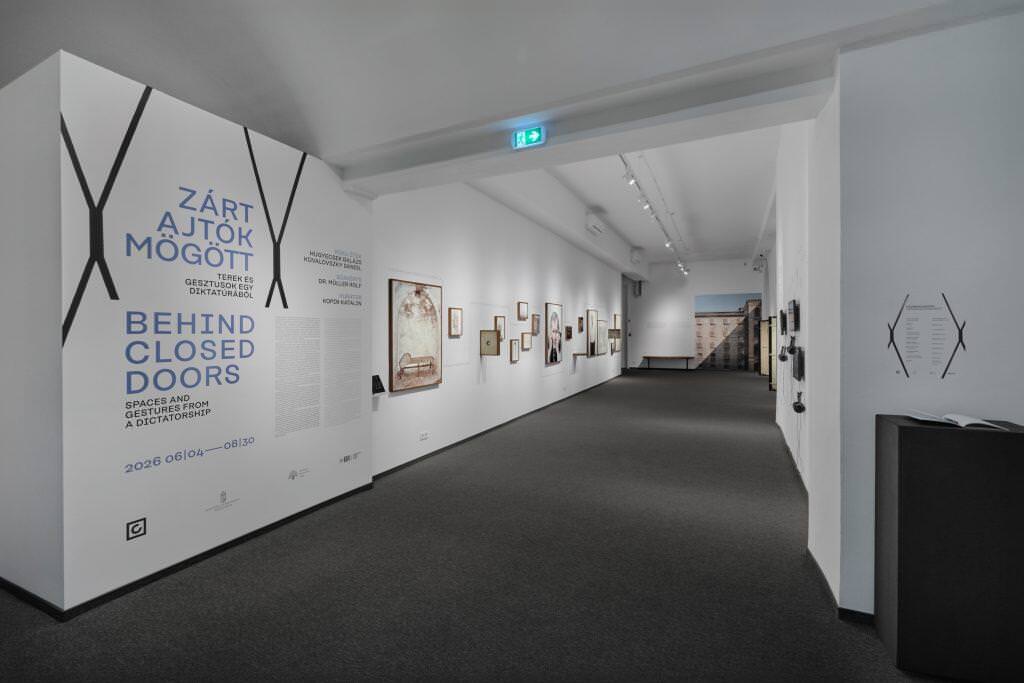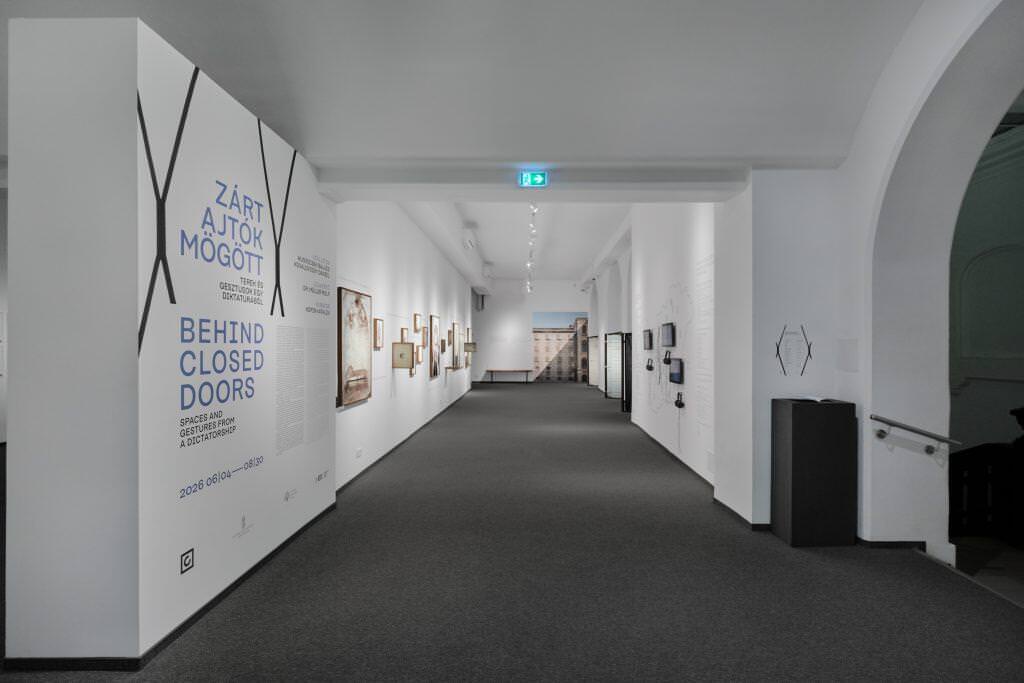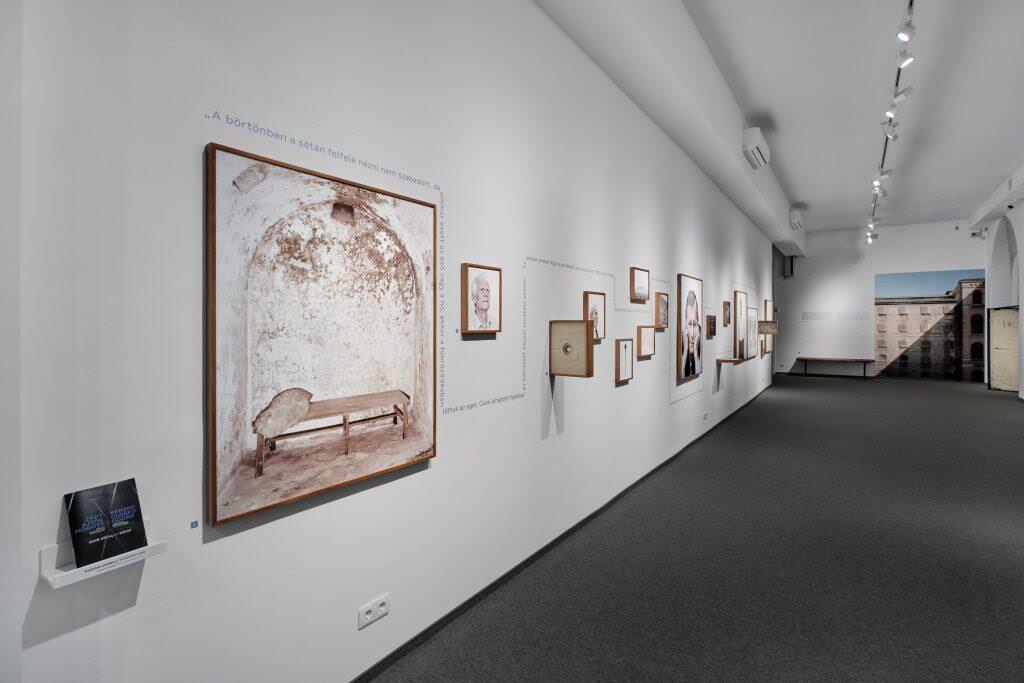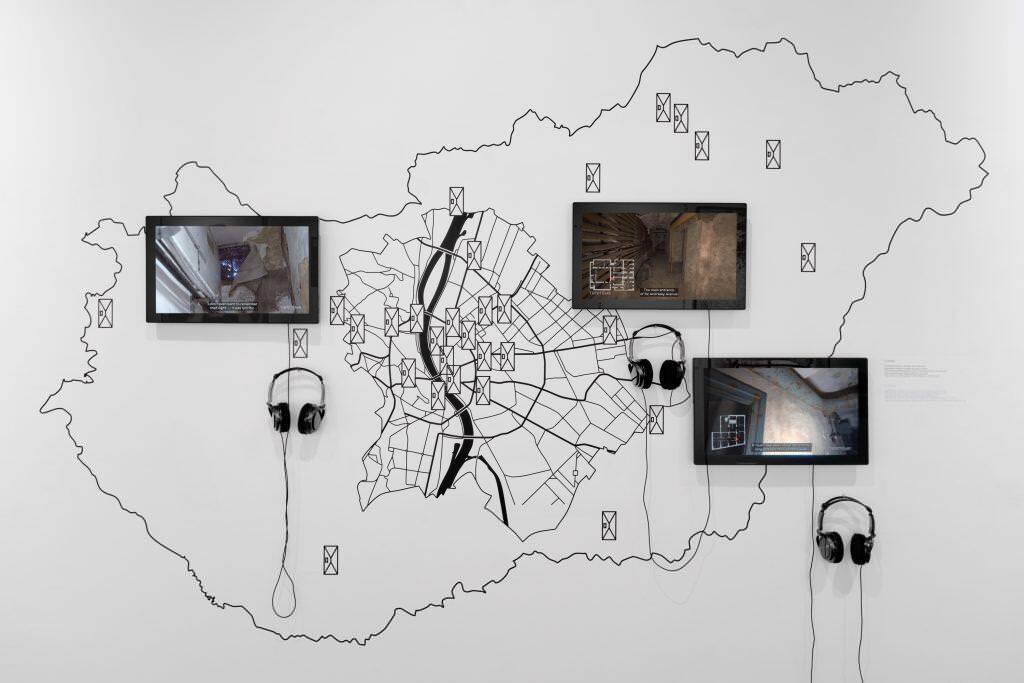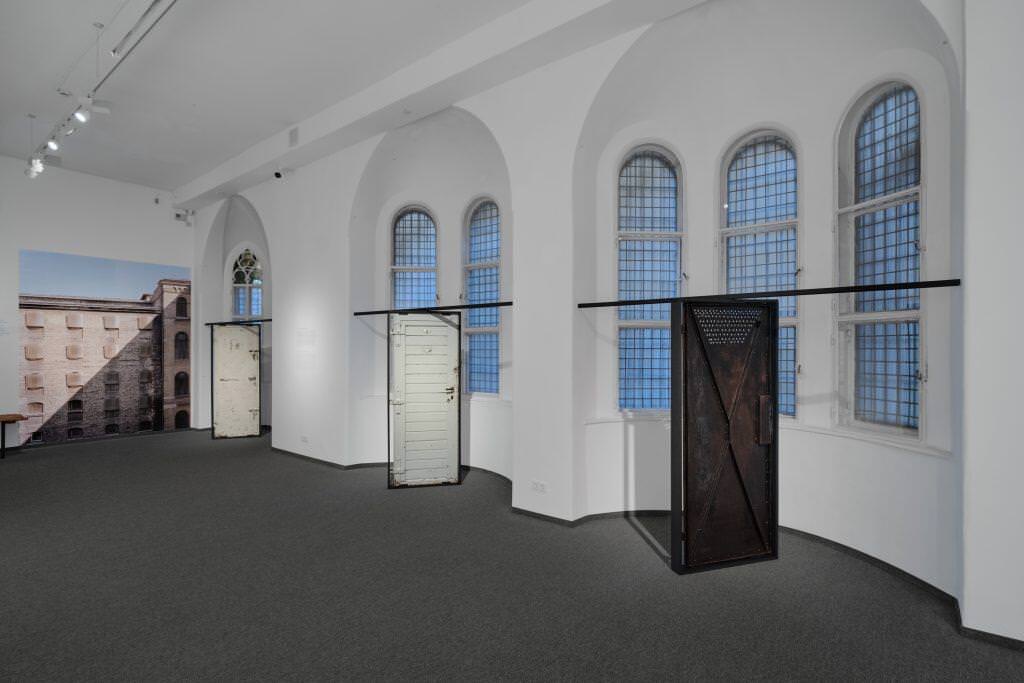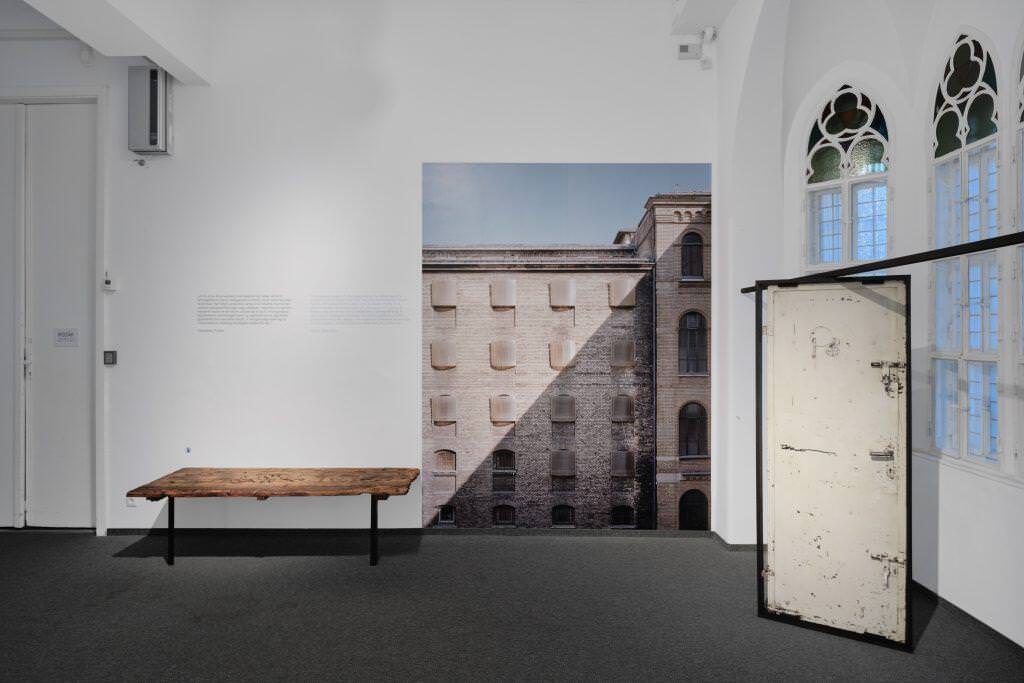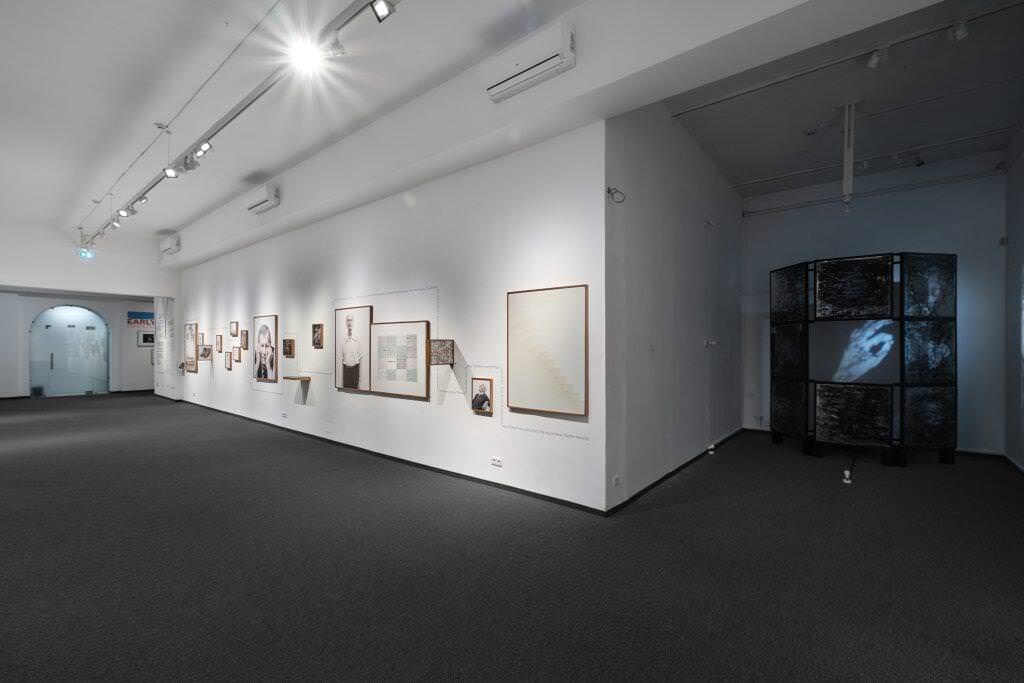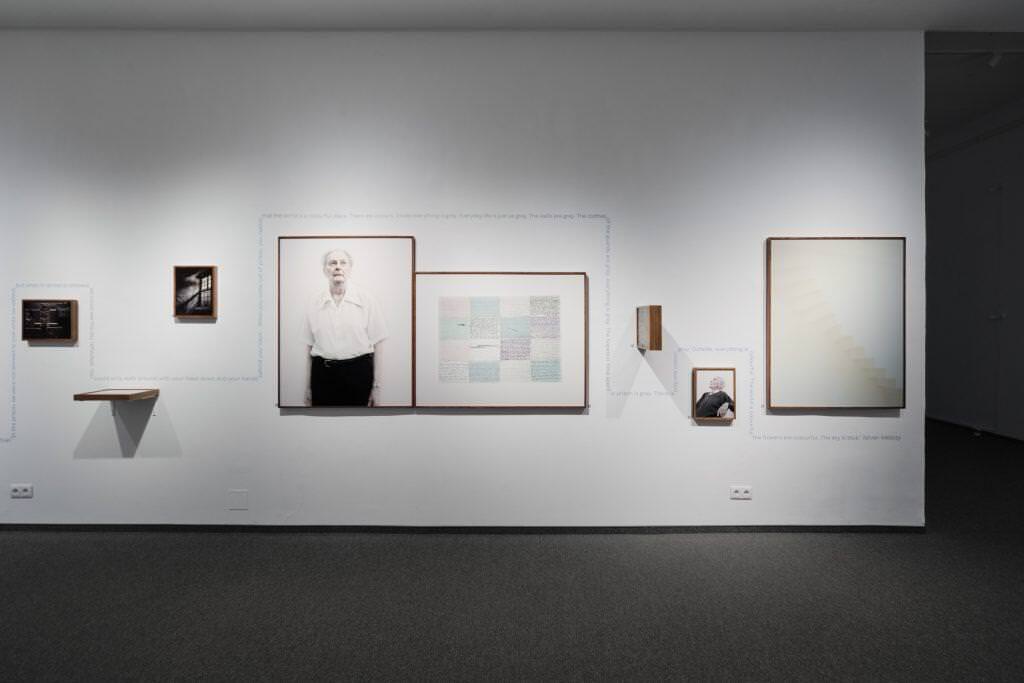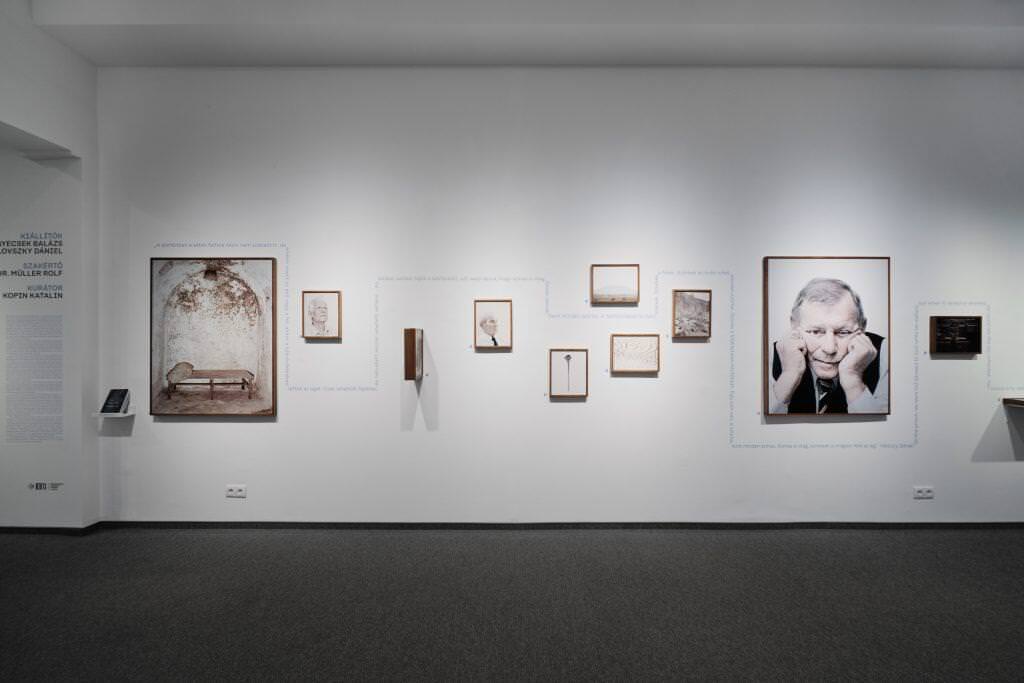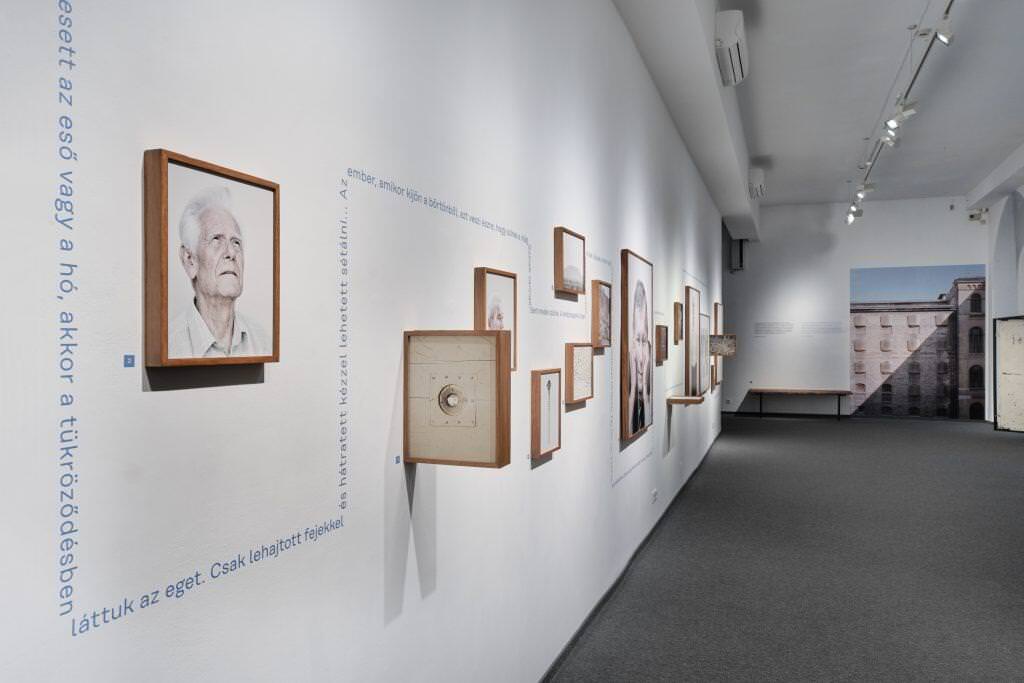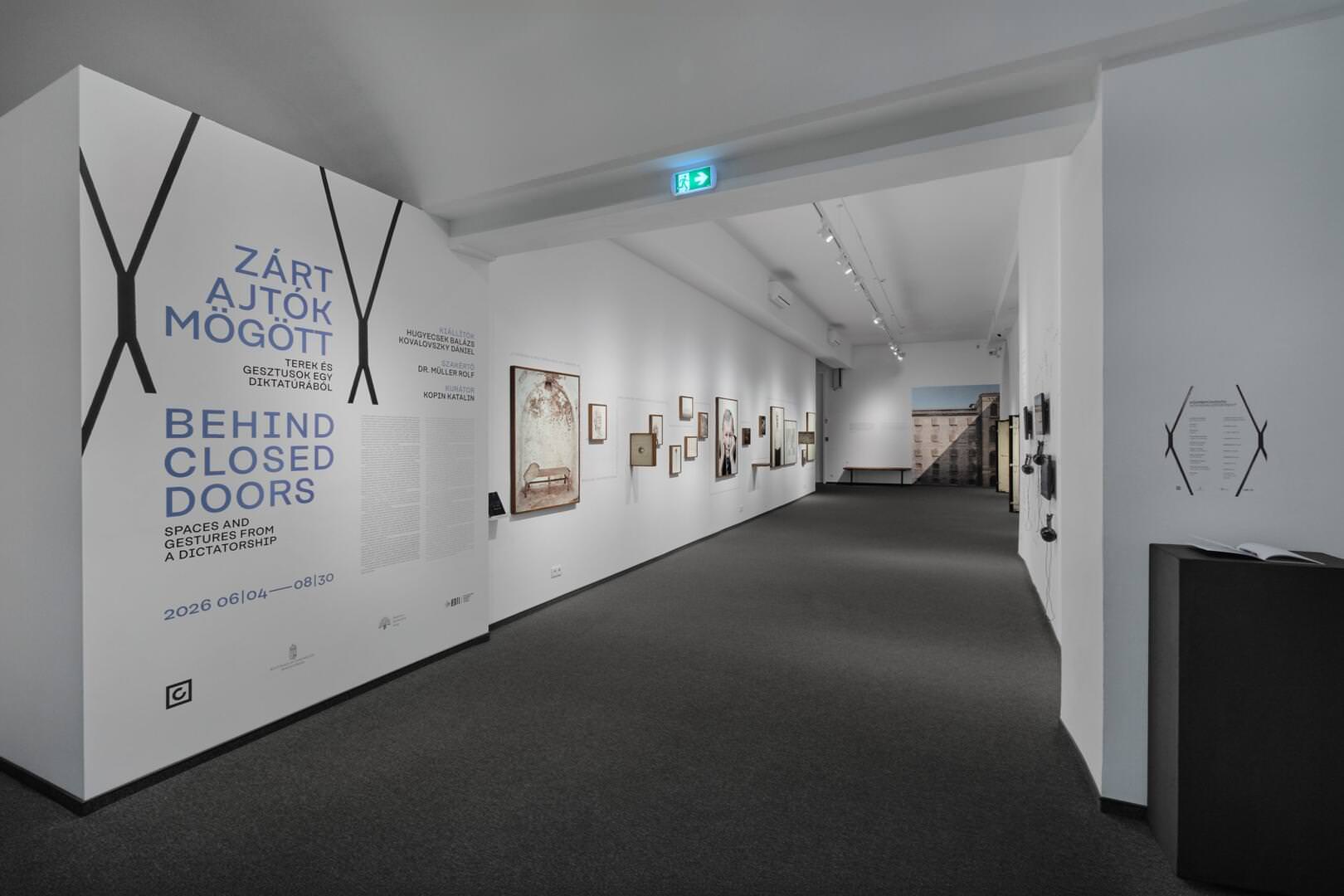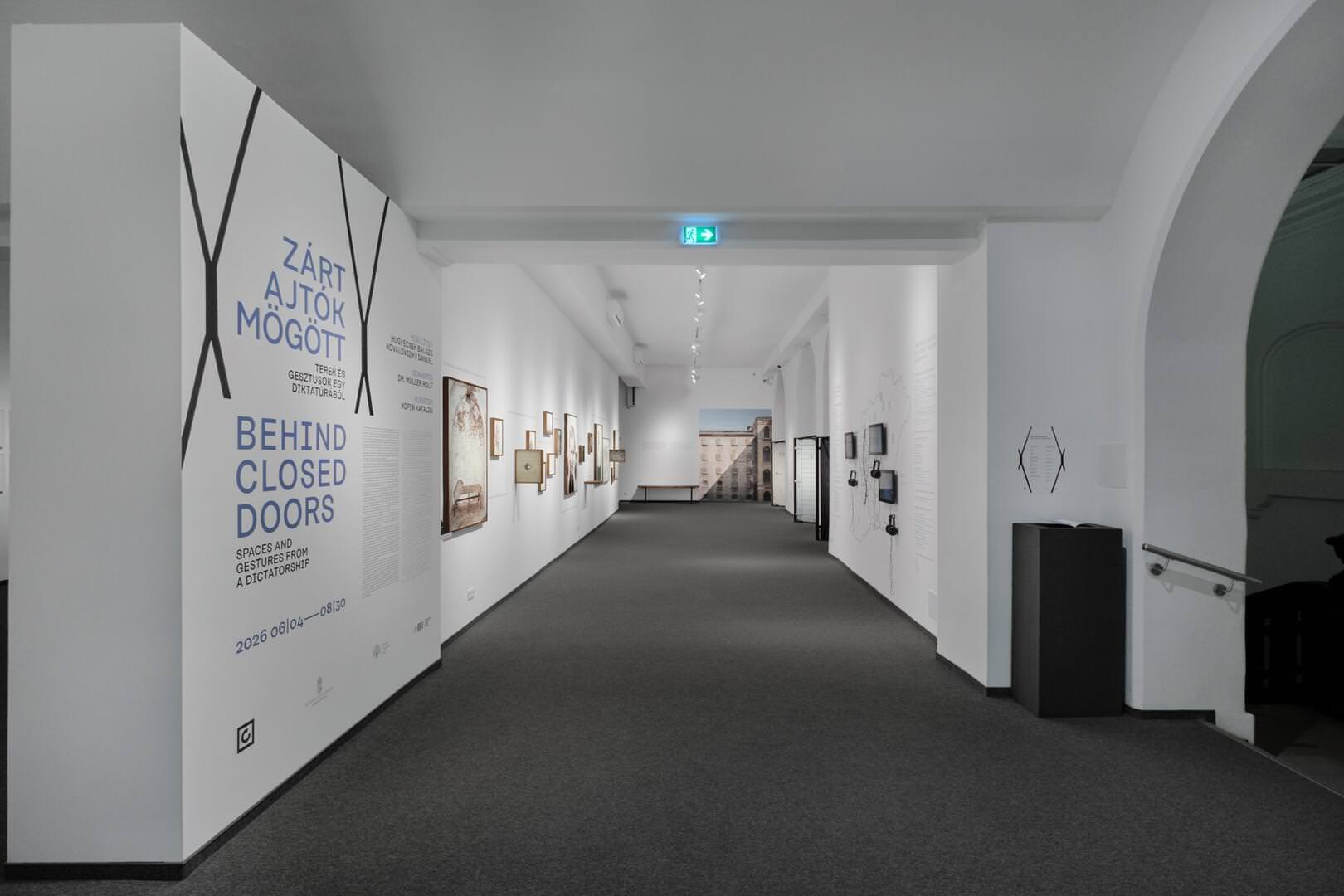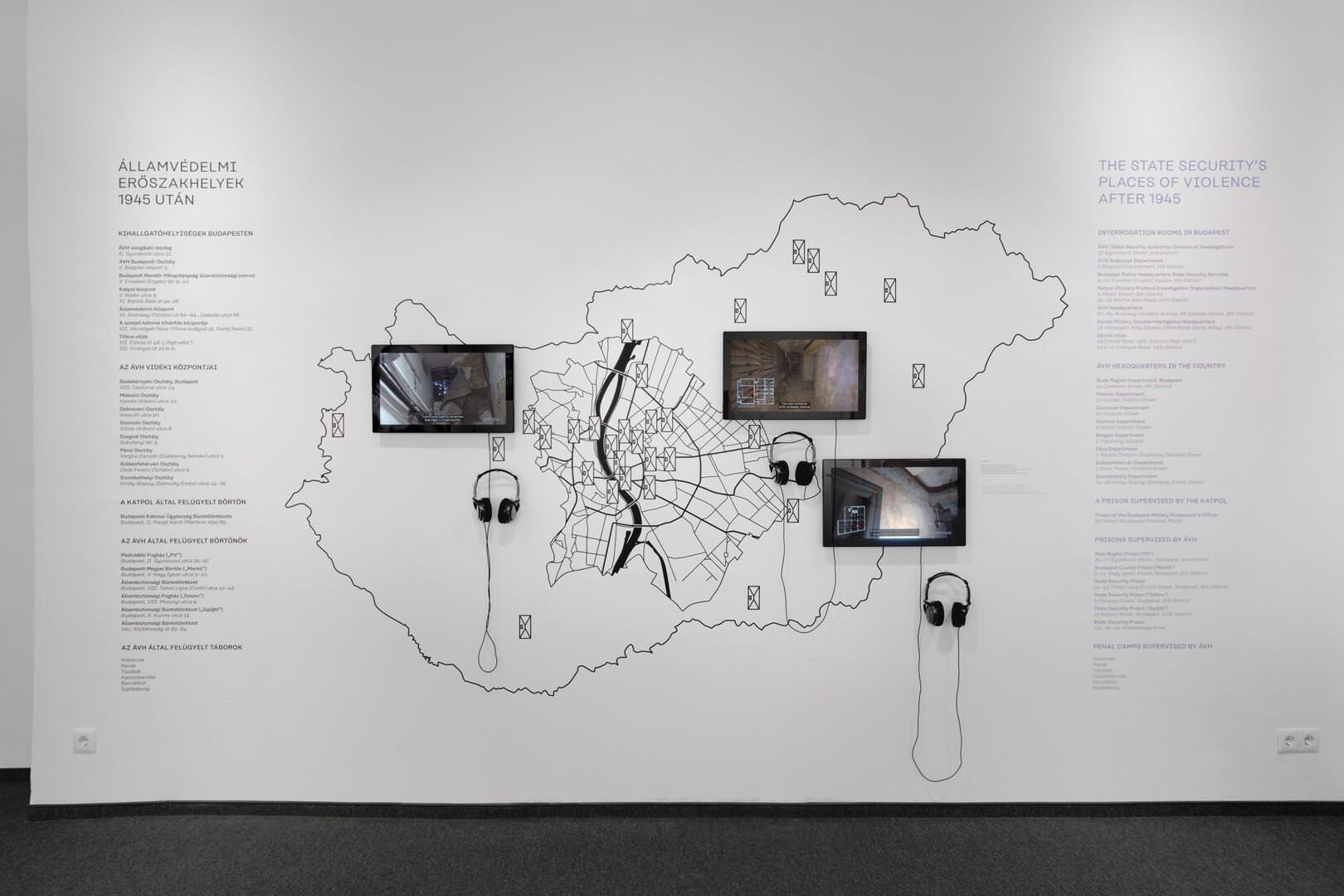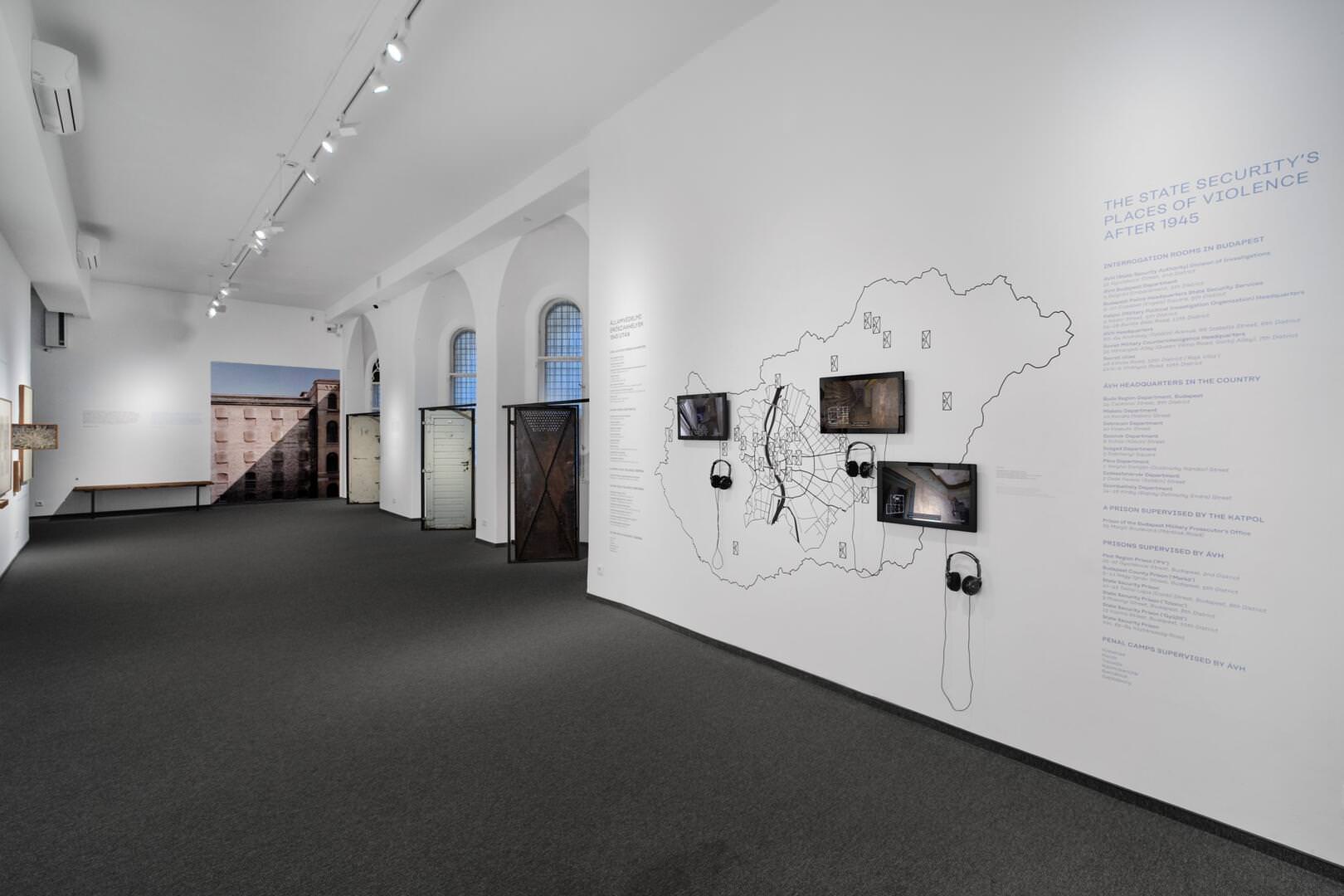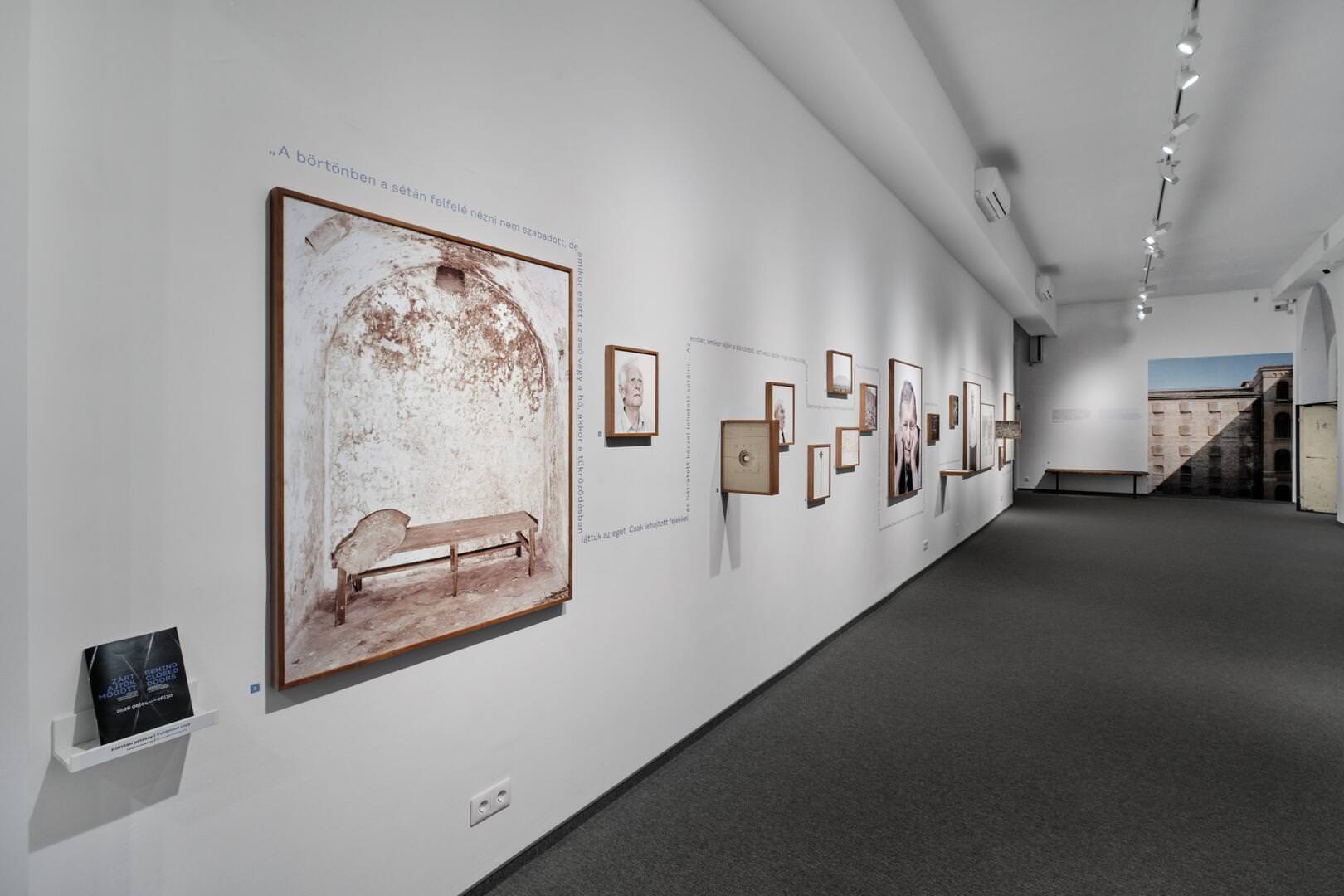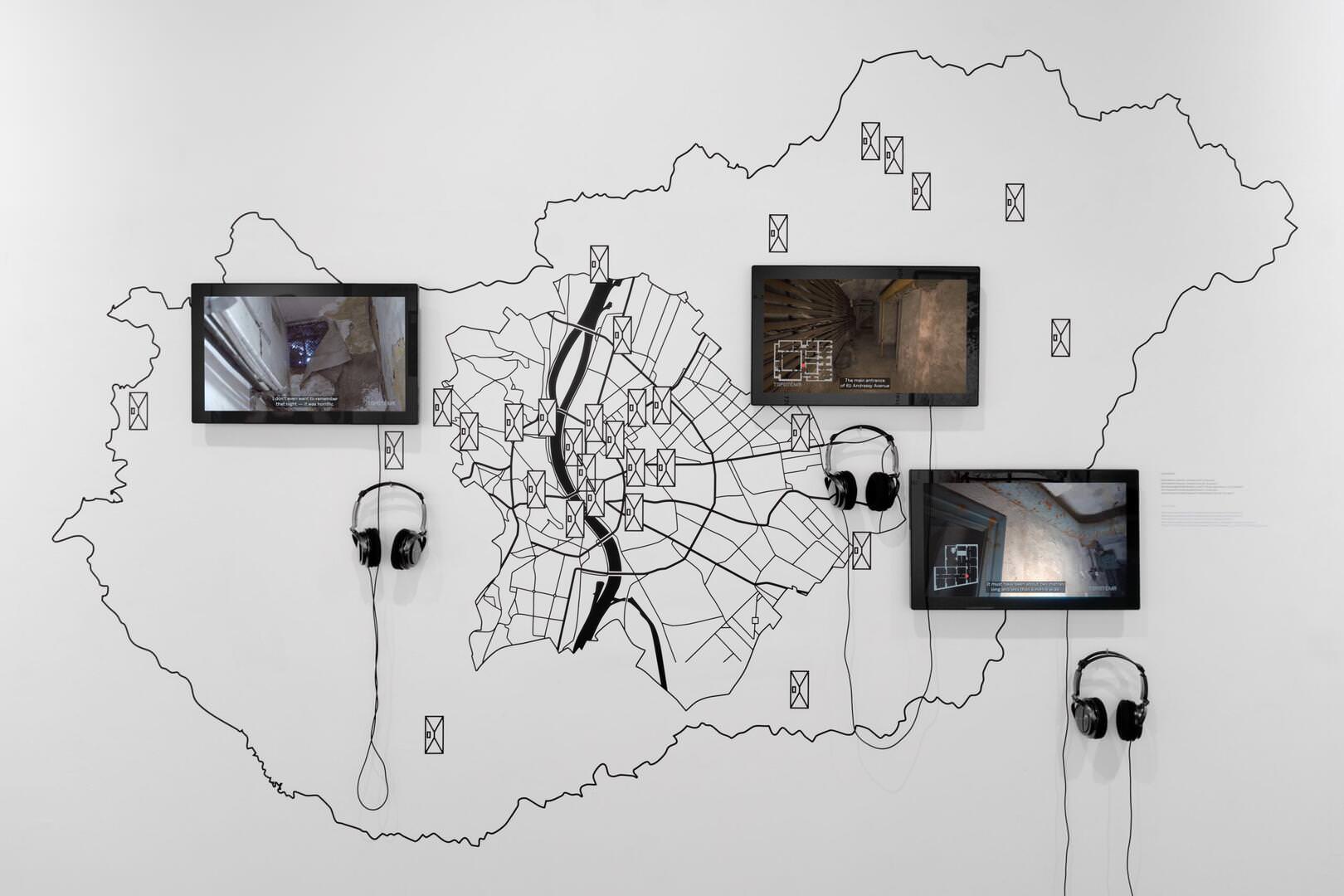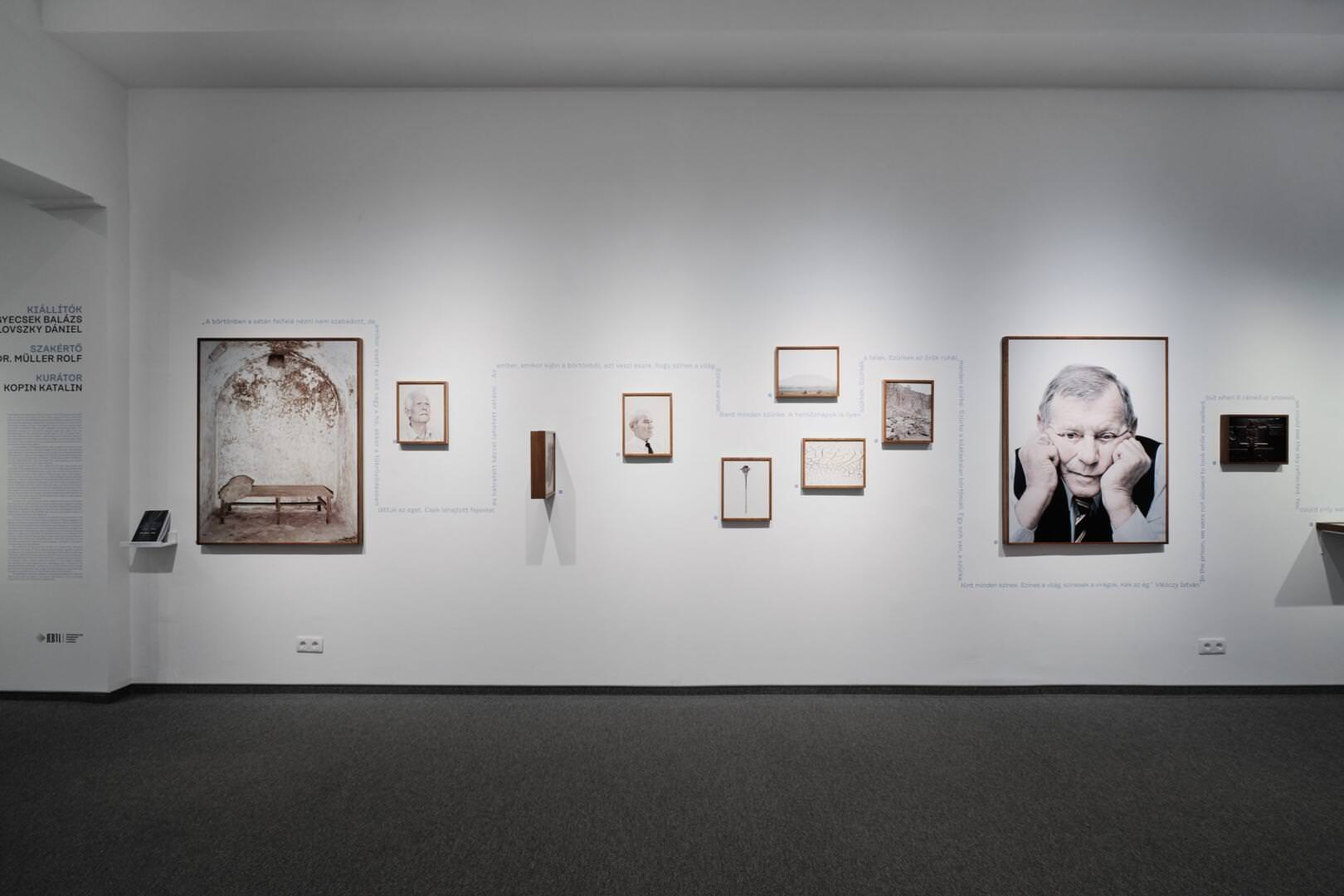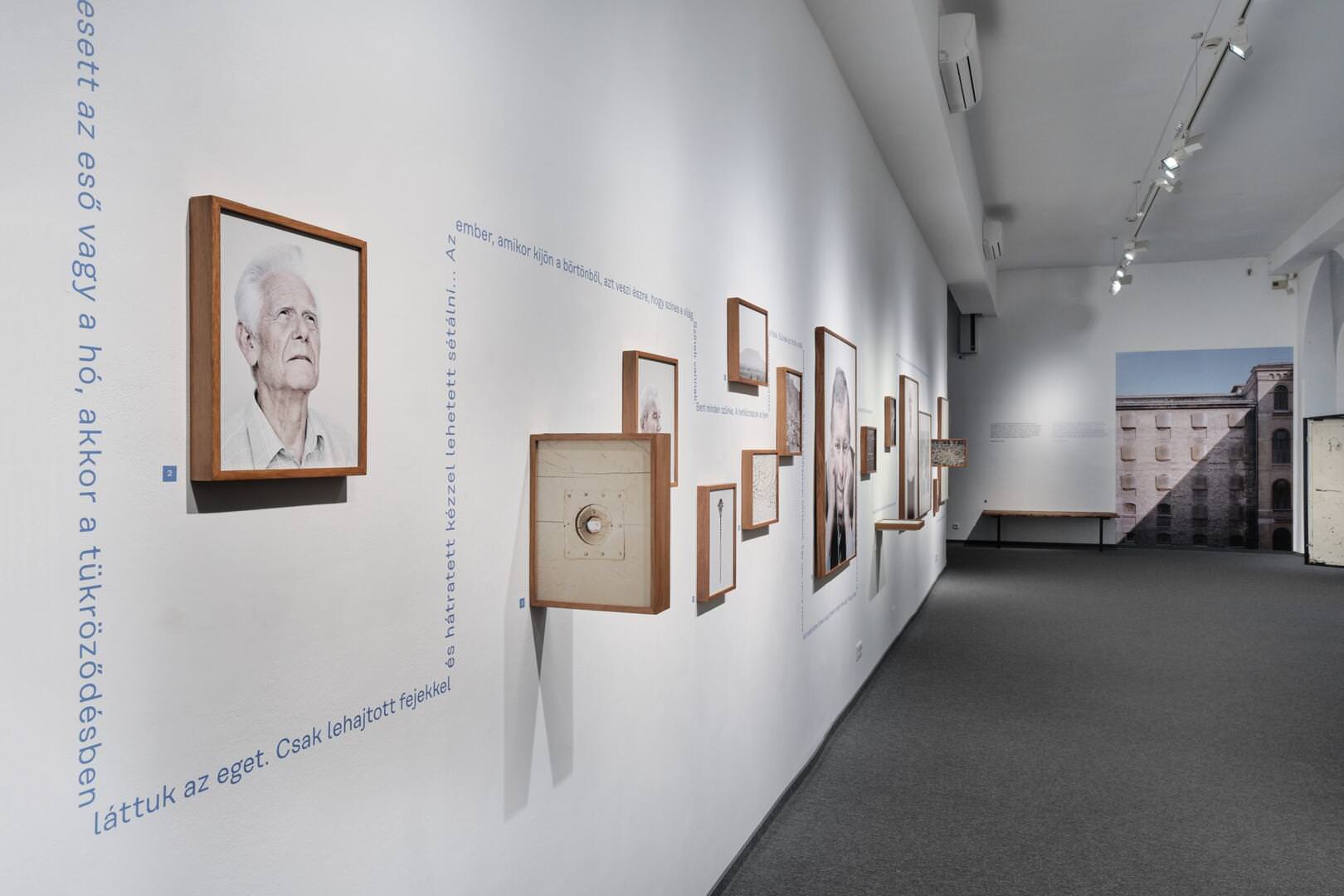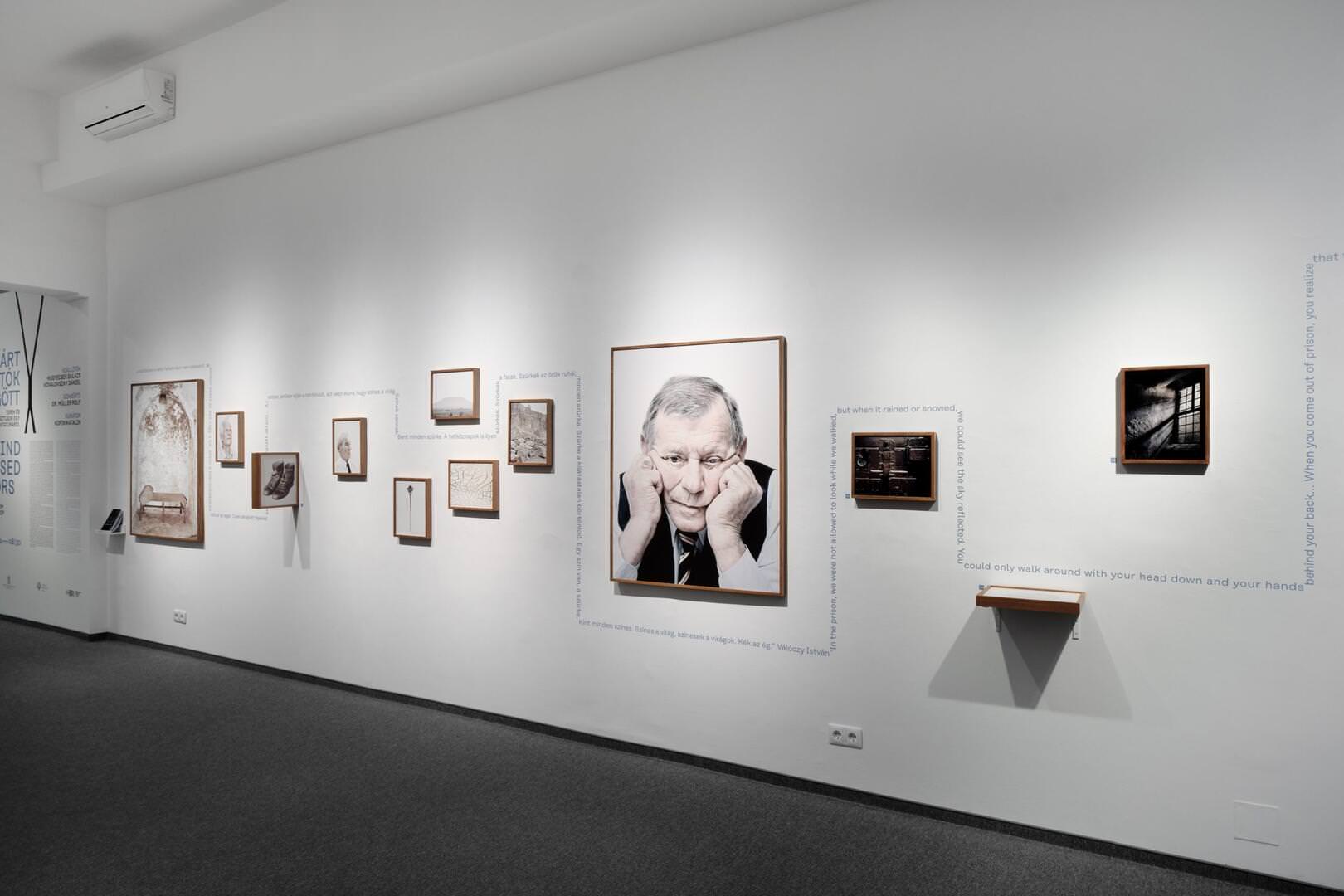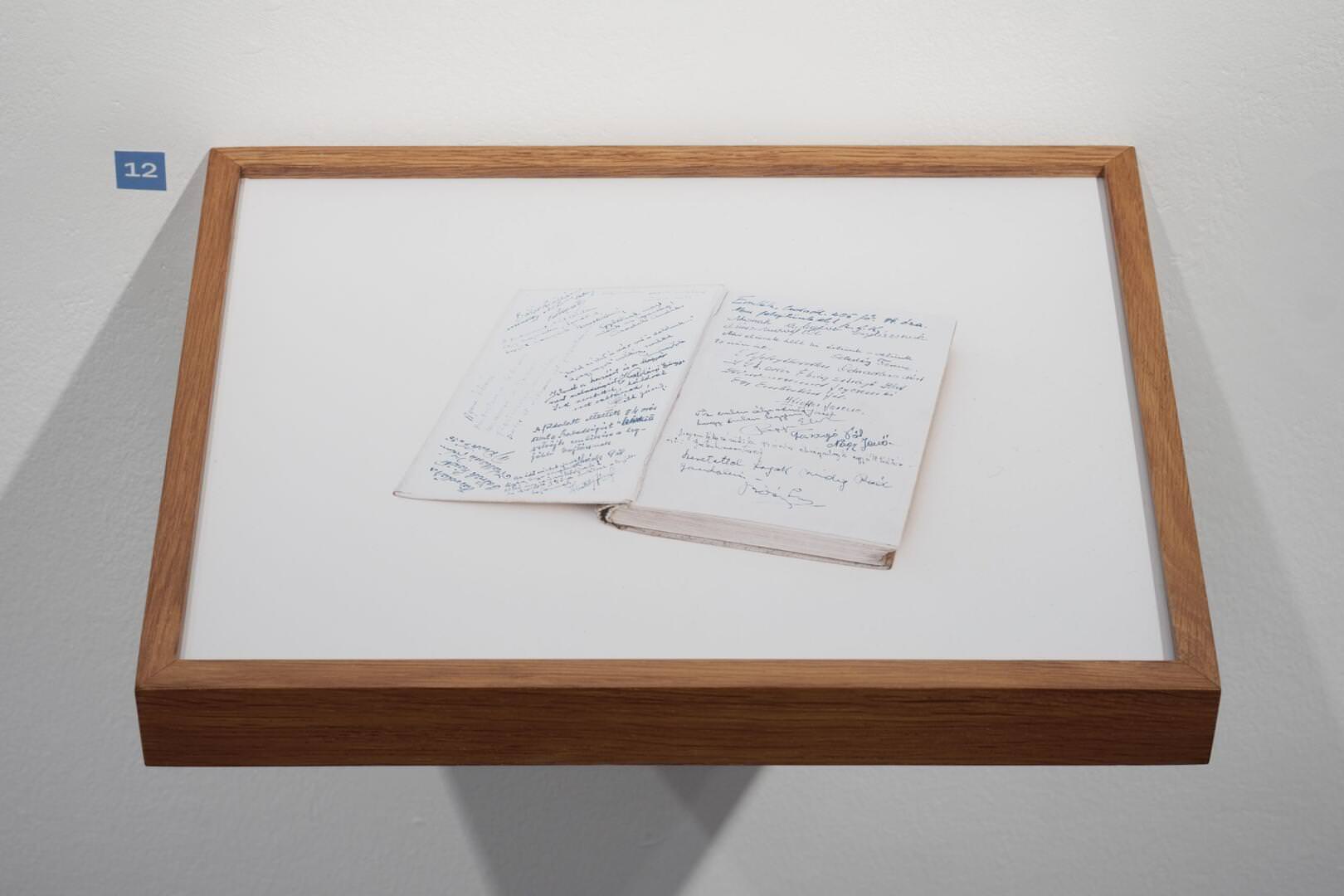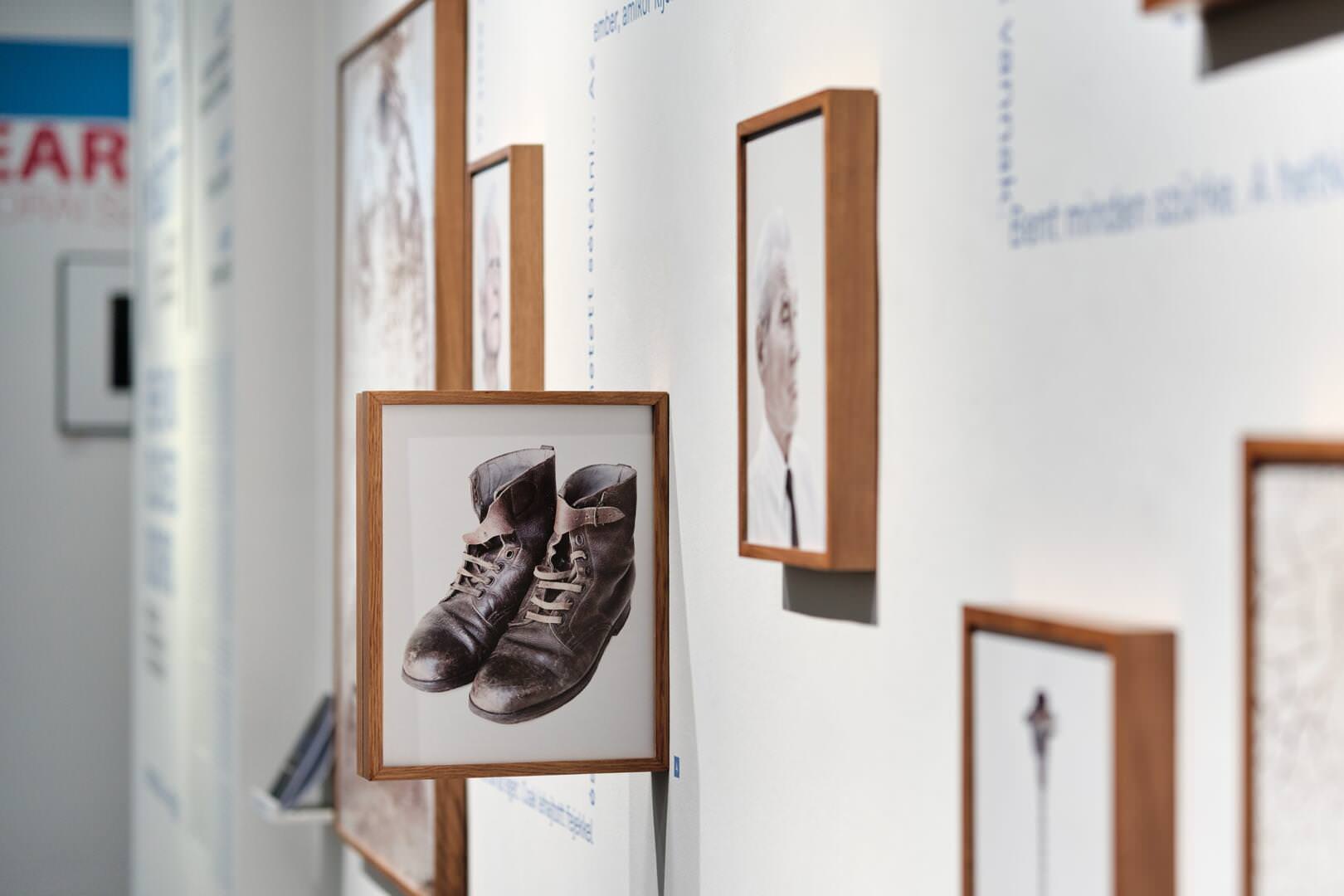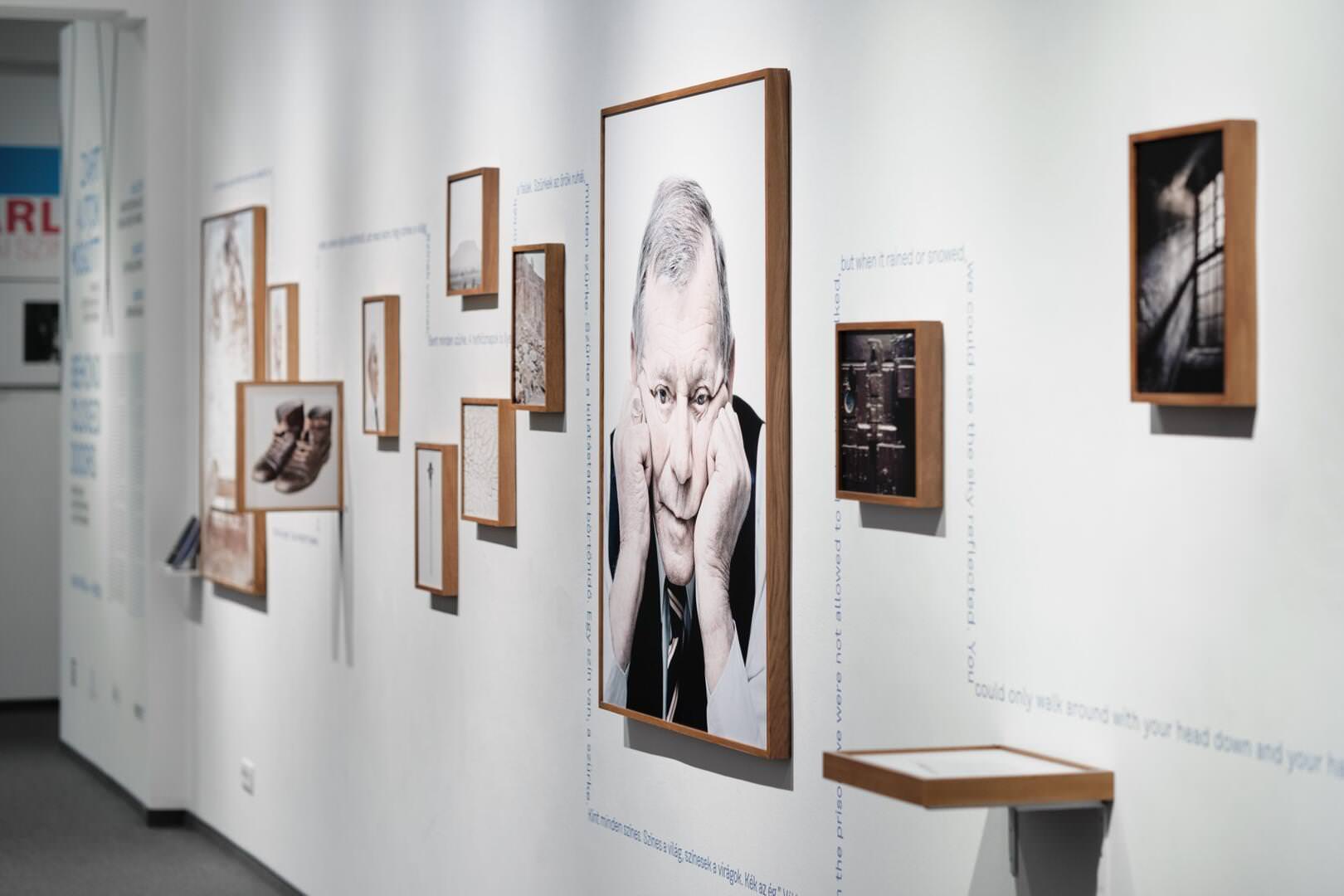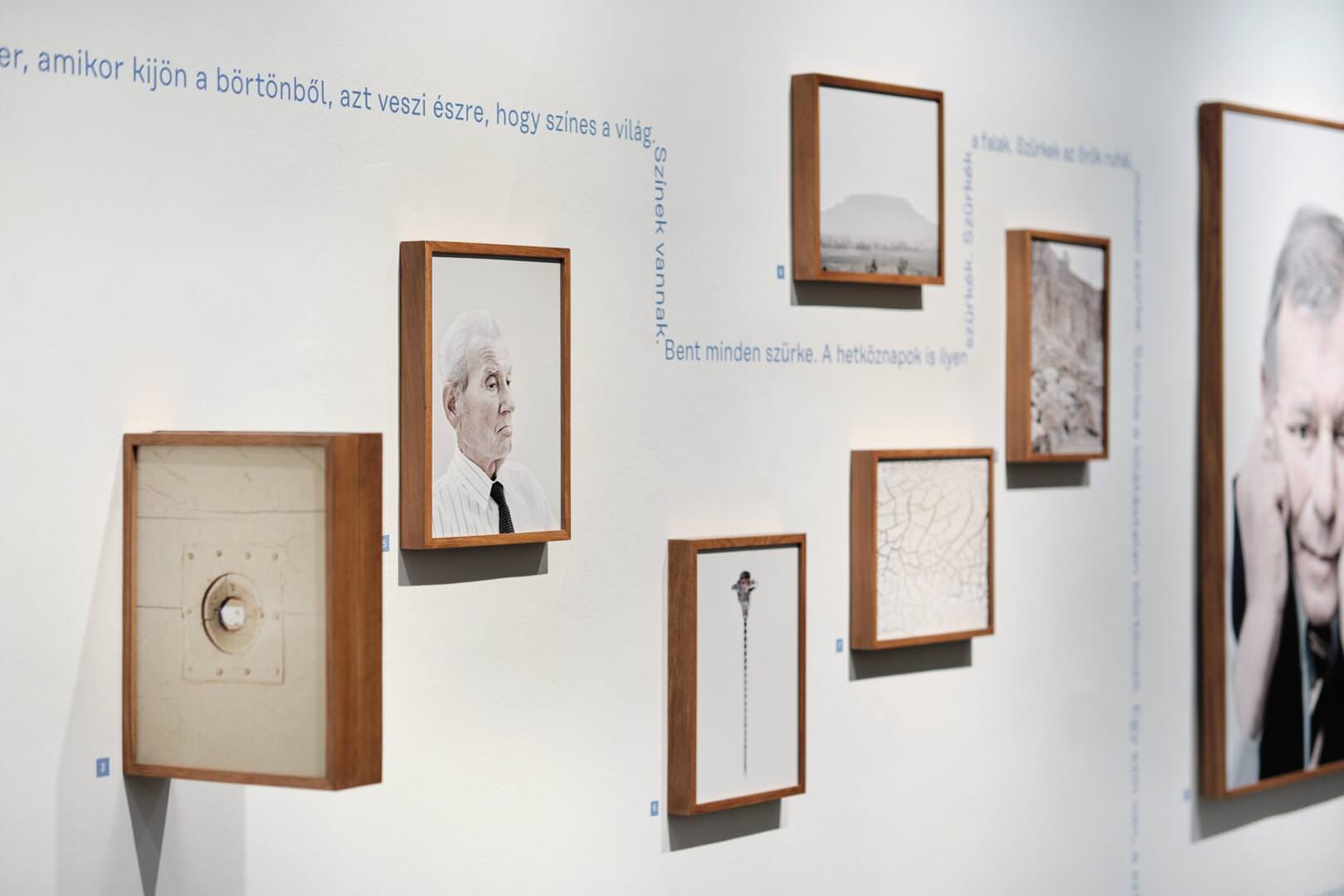
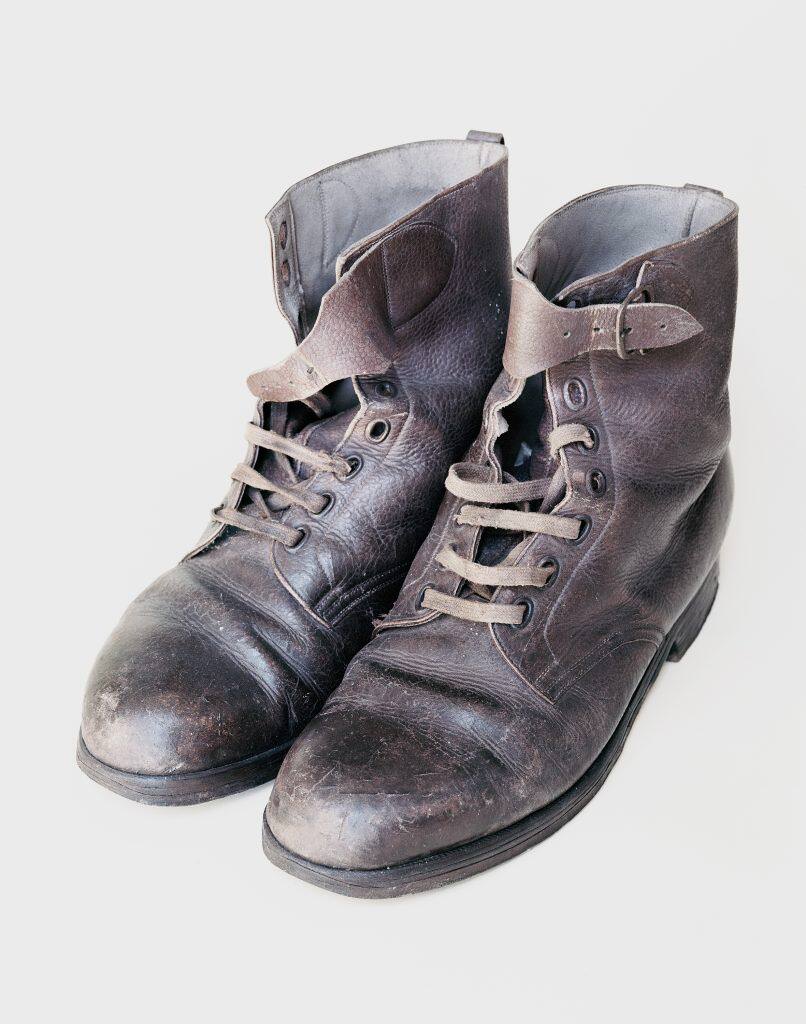
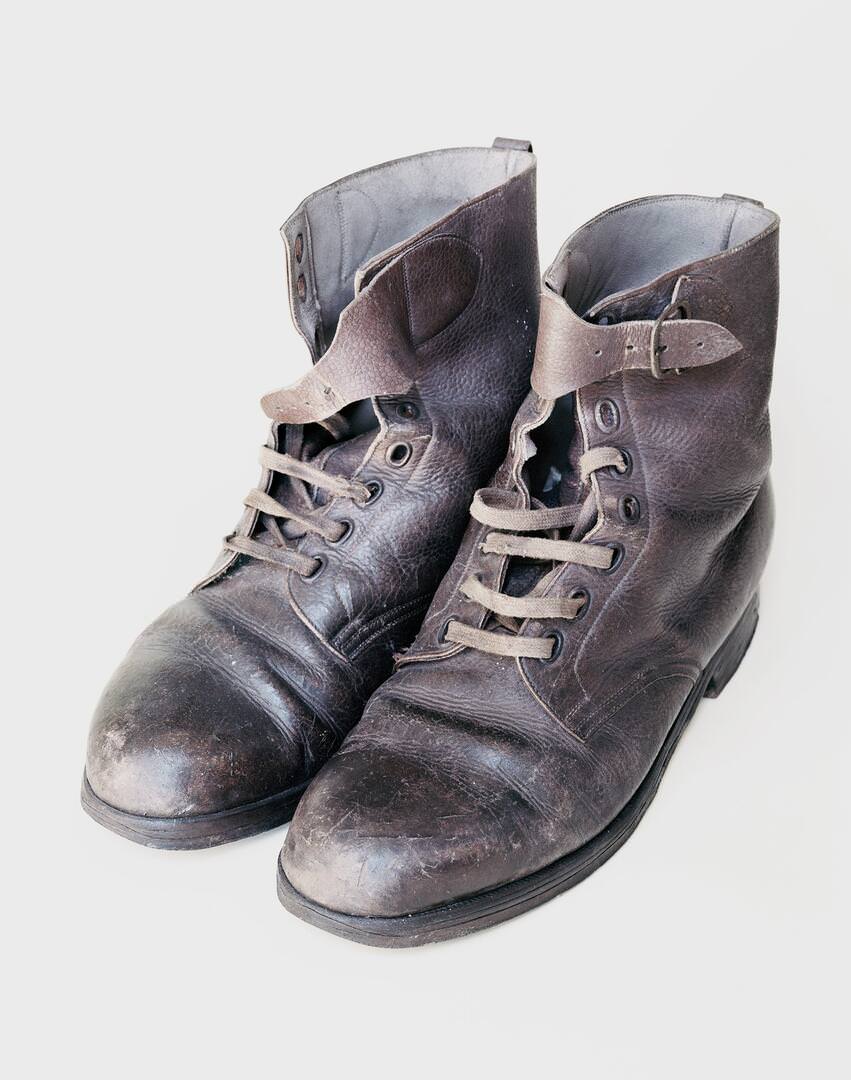
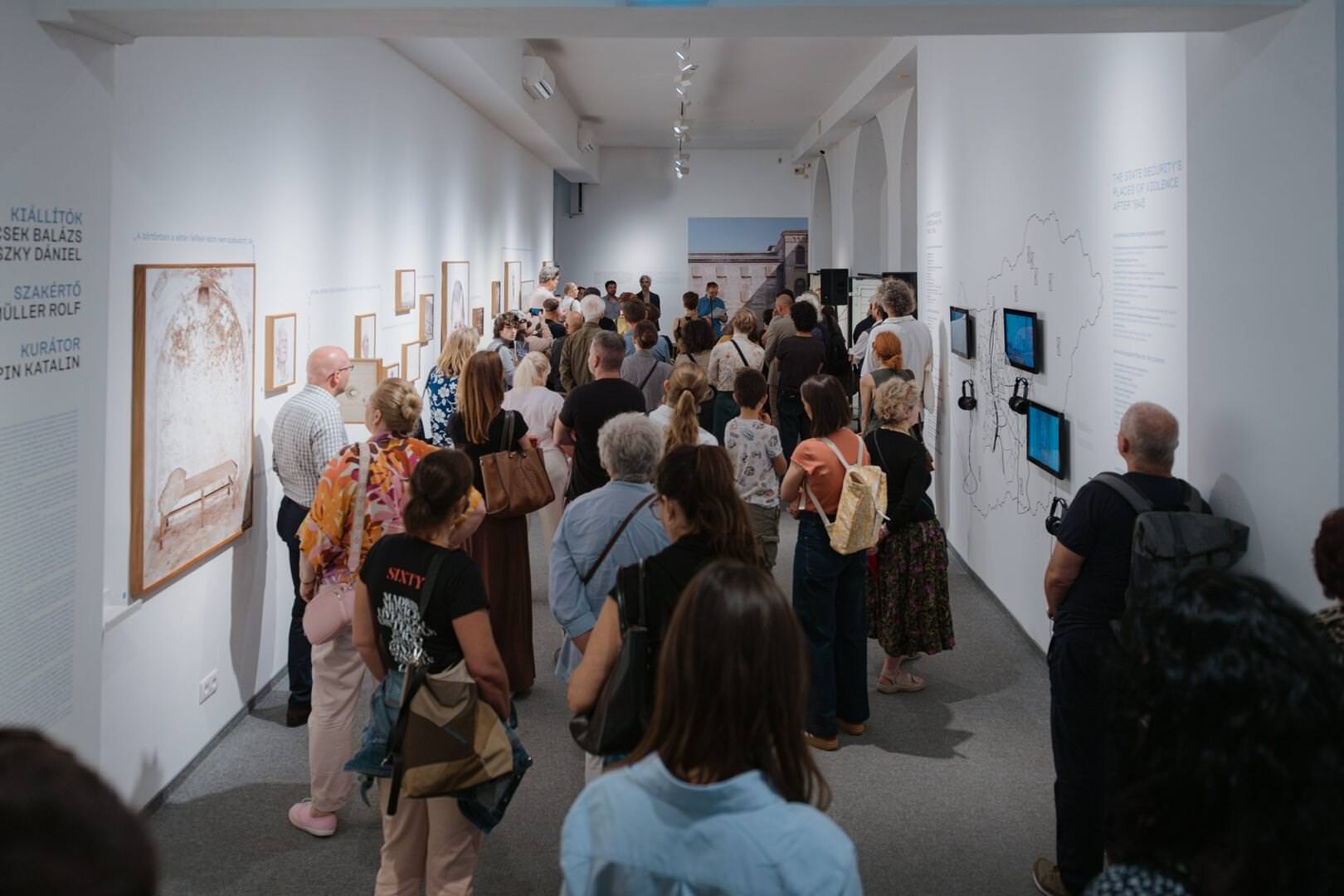
This exhibition evokes the world of prisons in the Rákosi and early Kádár eras, as well as key locales and the modus operandi of the communist dictatorship. The exhibited photographs, the installation, the documentary films and the artefacts of detention highlight and reflect on the former internment camps, prisons, interrogation rooms and trial spaces, which are linked to personal lives, human tragedies and survival stories. The exhibition focuses on the period between 1945 and 1963, from the establishment of the communist dictatorship to the so-called ‘great’ amnesty. Making it their subject, presenting it with historical accuracy and reflecting on it with a contemporary mindset, the artists seek to find out how it was possible to survive savage persecution and imprisonment while preserving human dignity. It is illustrative of the scale of terror that in 1950 alone, some 10,000 people were convicted on political charges. In the same year, 2500 people were interned in Kistarcsa and Recsk, and by 1953, over 5000 people were held captive in camps across Hungary without trial. Around 300 people were executed in the darkest years of Rákosi’s dictatorship, while in retaliation for the 1956 revolution, 230 were given the death penalty, over 20,000 were imprisoned, and 13,000 were interned.
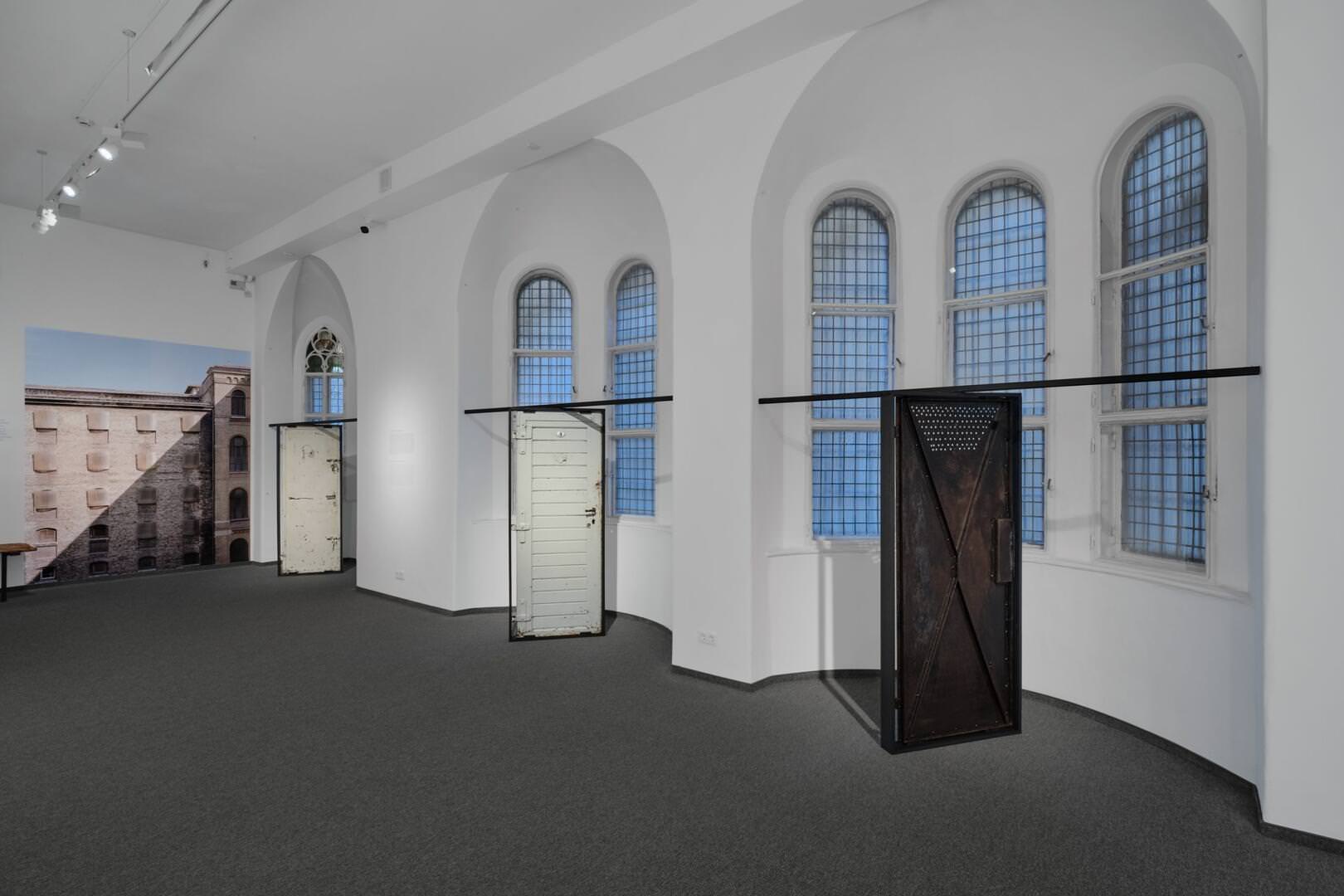
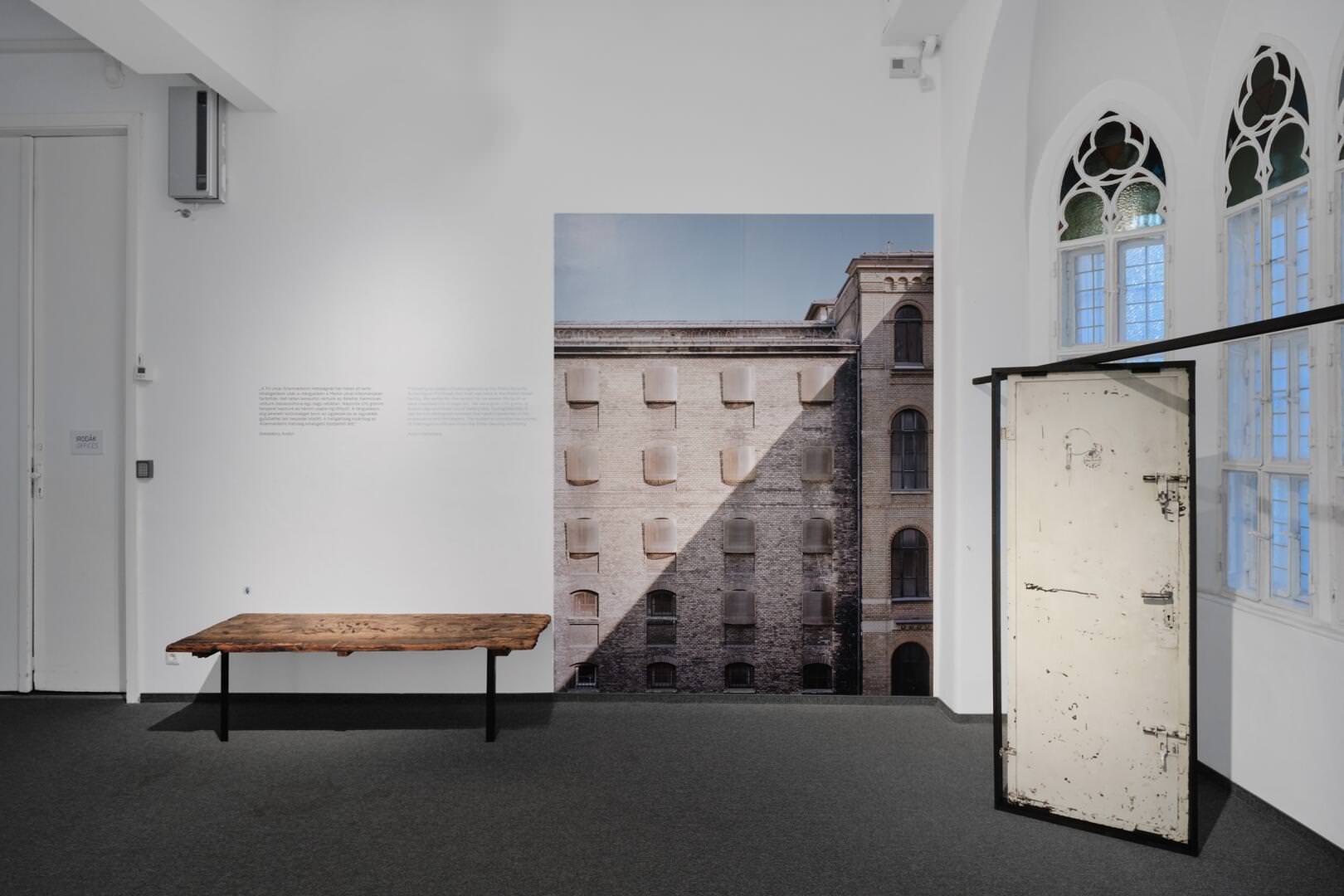
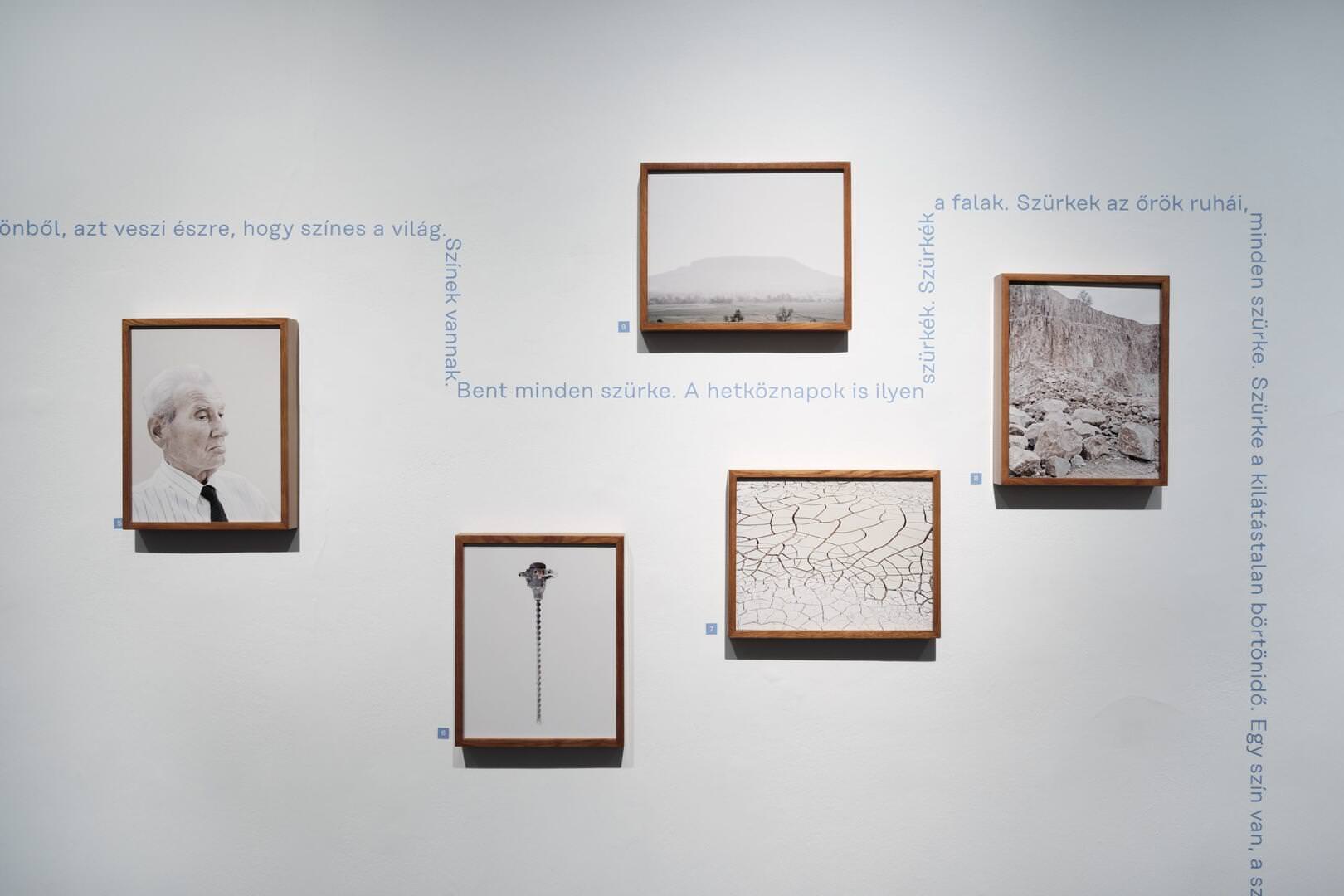
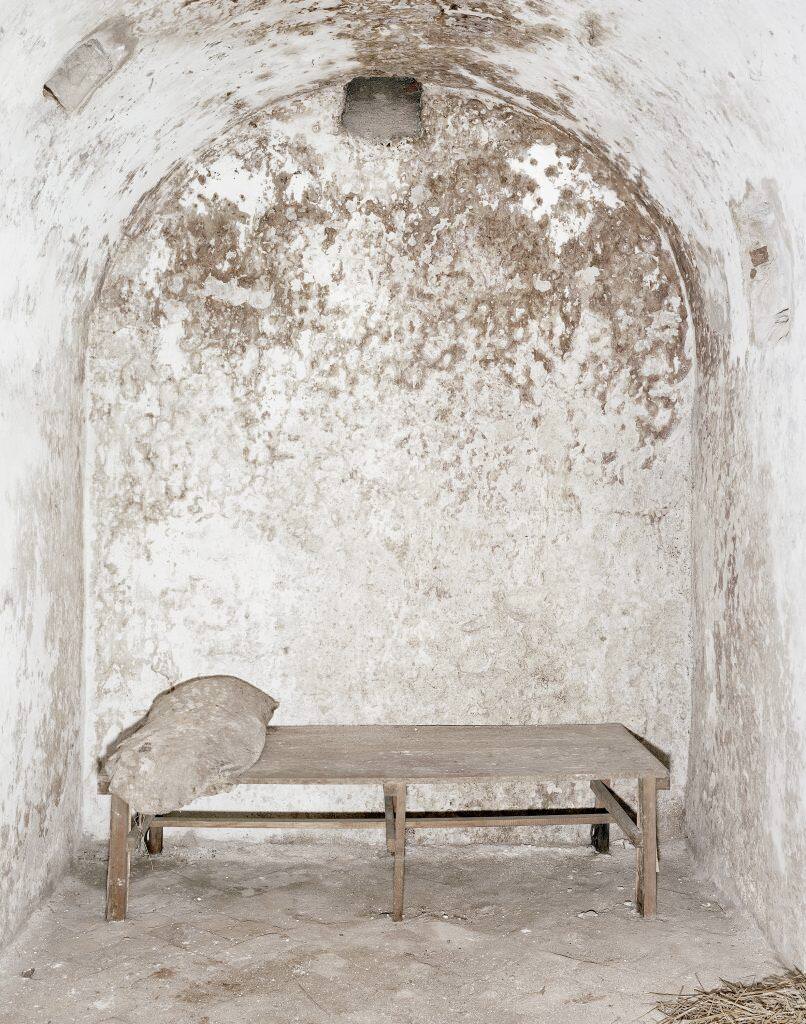
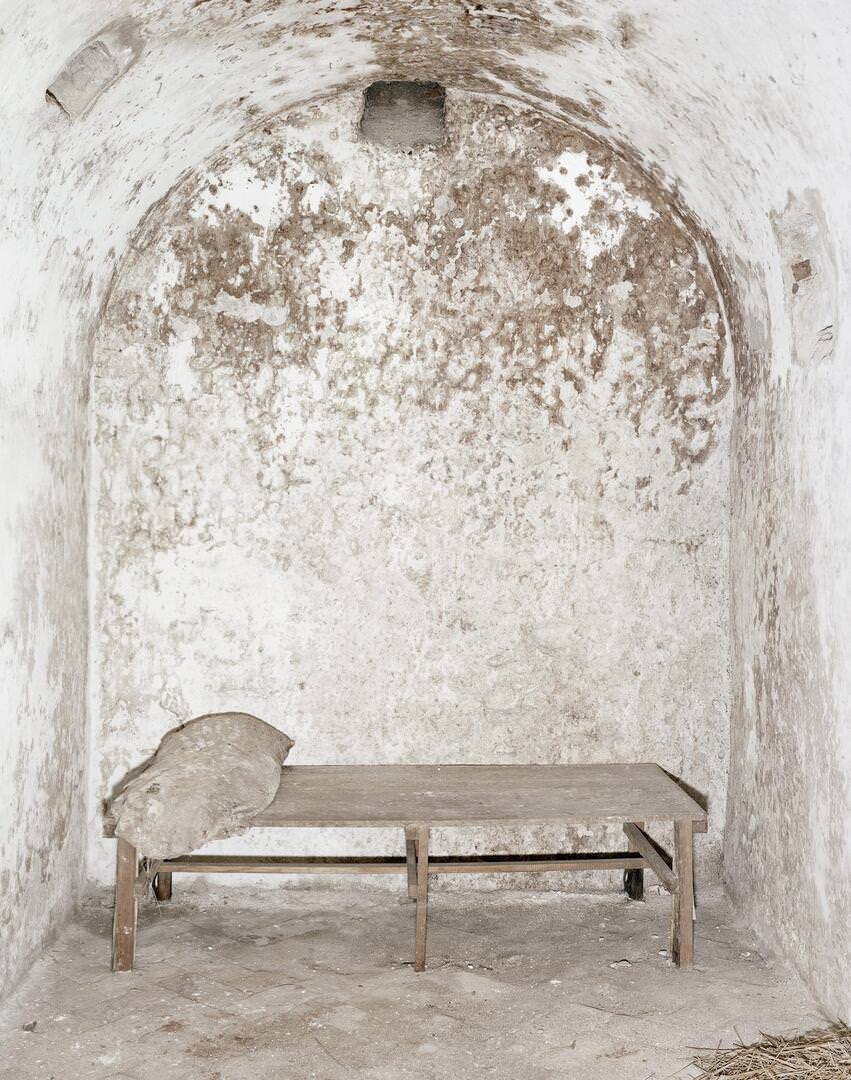
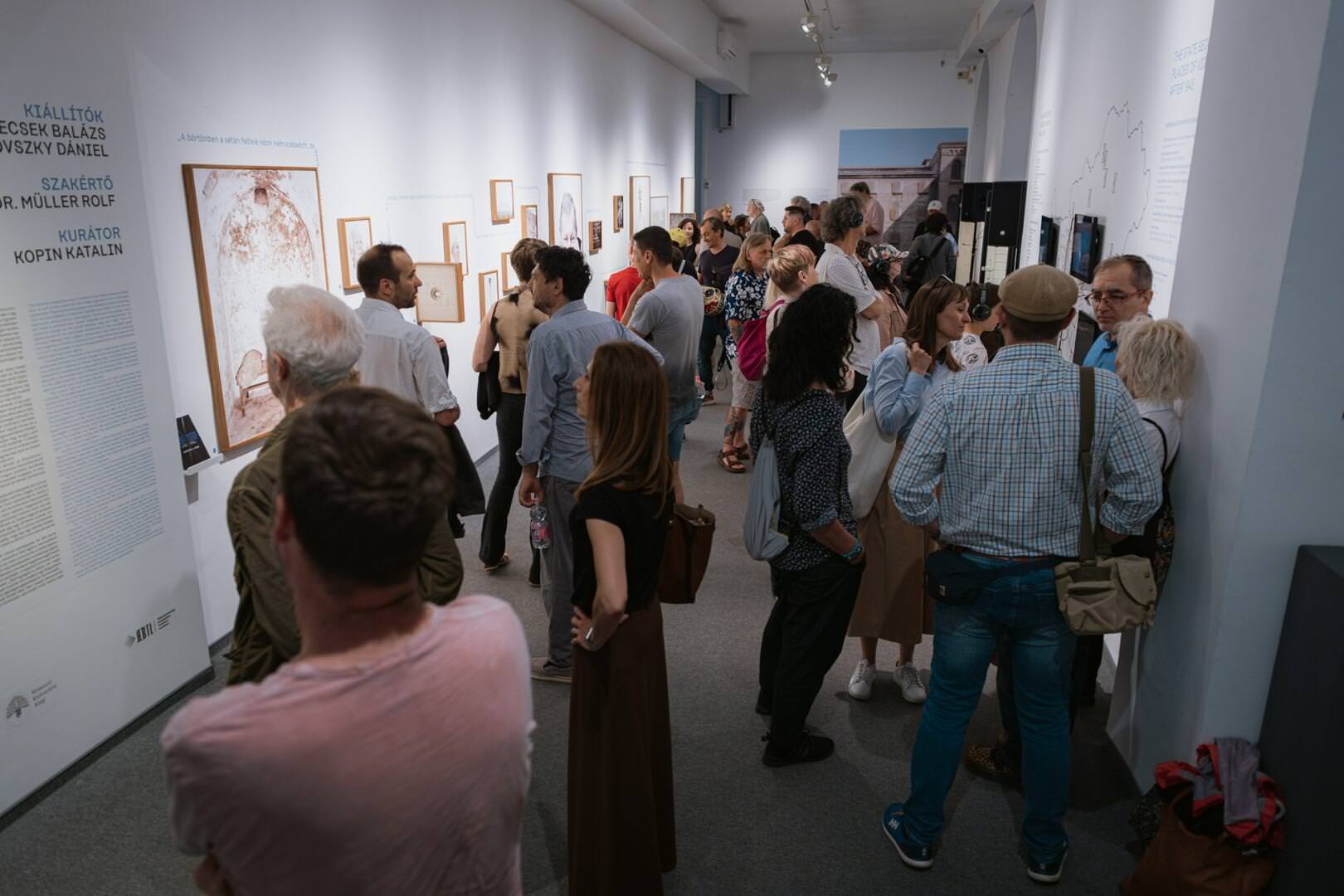
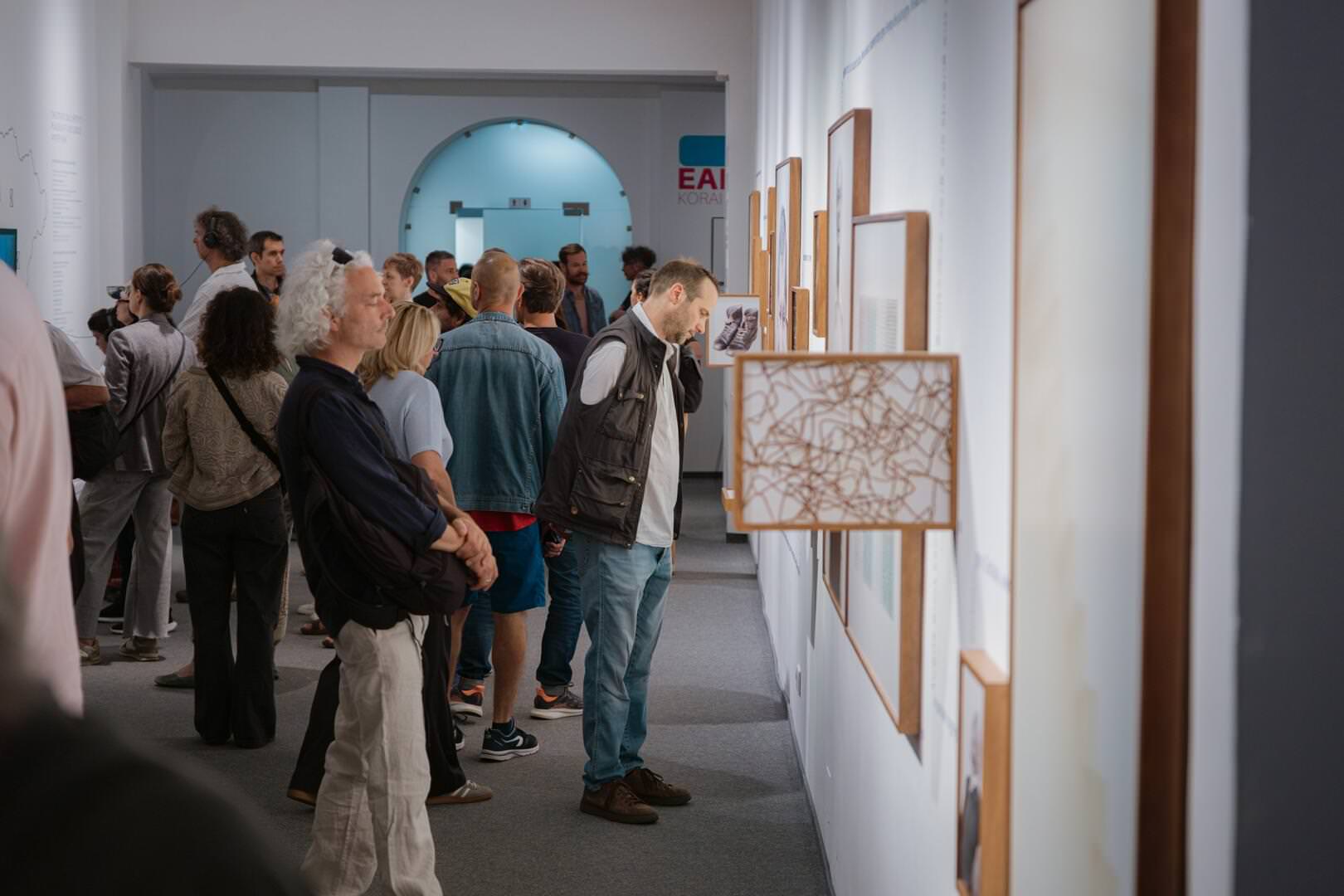
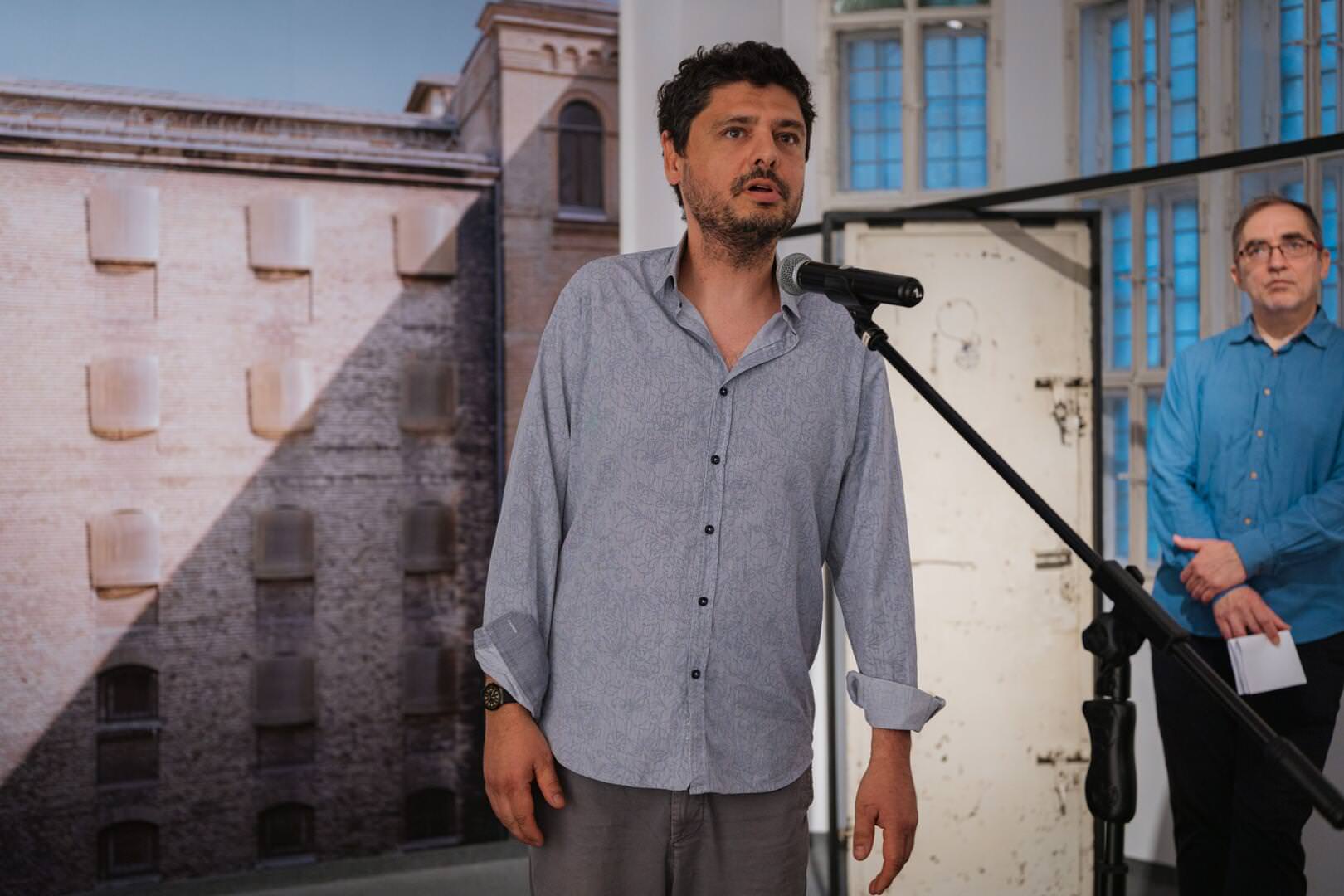
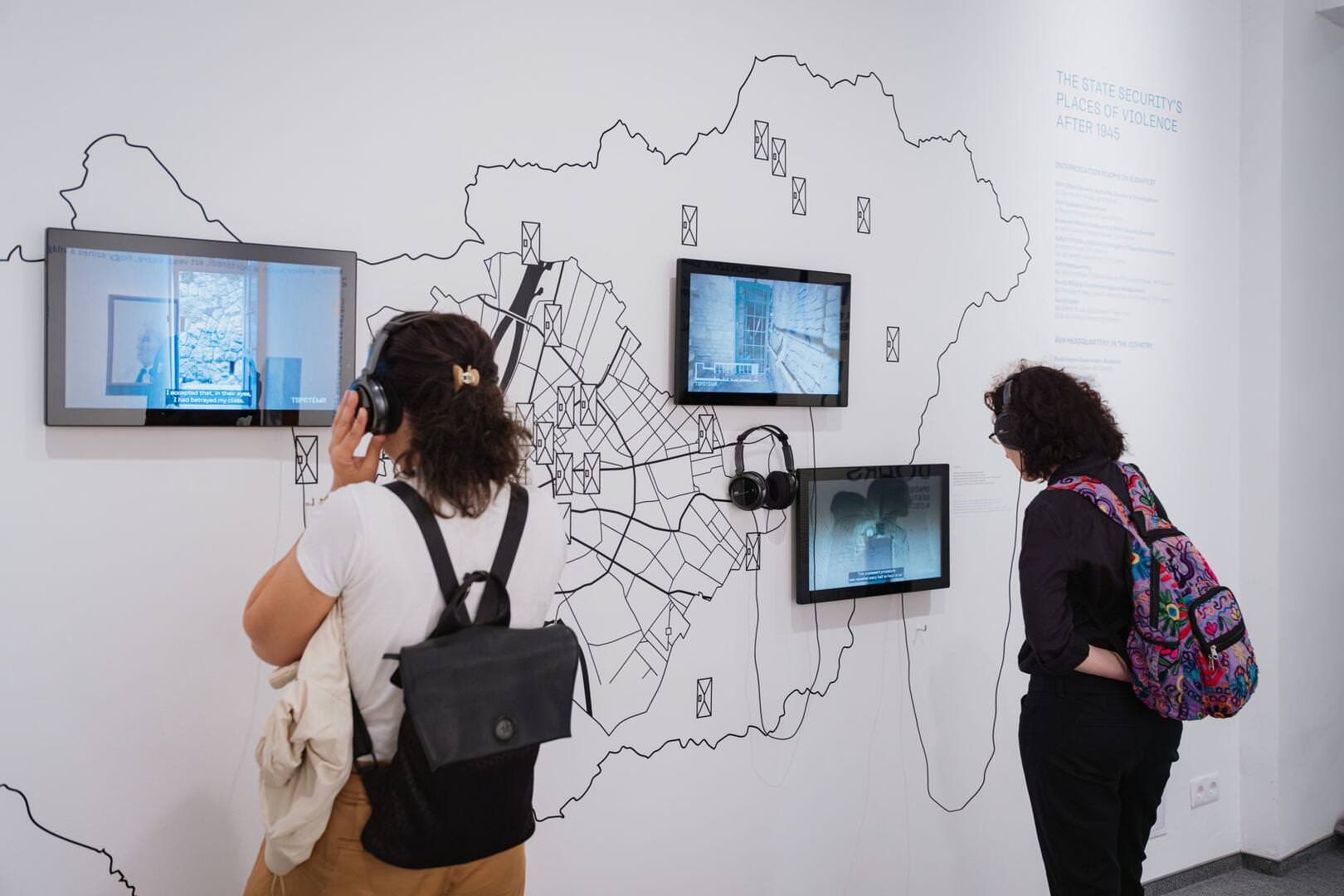
The locales featured in this exhibition are both well-known and unfamiliar. The tangled barbed wires of the prison in Gyorskocsi Street; the parched ground of the Recsk labour camp; the corridor of the prison on Conti Street; the wall of the prison on Markó Street, cast in half shadow; the impenetrable cell doors that close out everything and create complete isolation—they still exist today, yet we hardly feel their historical burden. The photographs of Dániel Kovalovszky, the films made during the tours of the buildings and the related historical data, as well as the photo-based contemporary installation by Balázs Hugyecsek, give voice, colour and weight to these places, which float in our memories. The places are empty, the prisoners are absent, yet every detail bears the memory of violence. The human stories that the dictatorship tried to erase appear again in the viewer’s imagination.
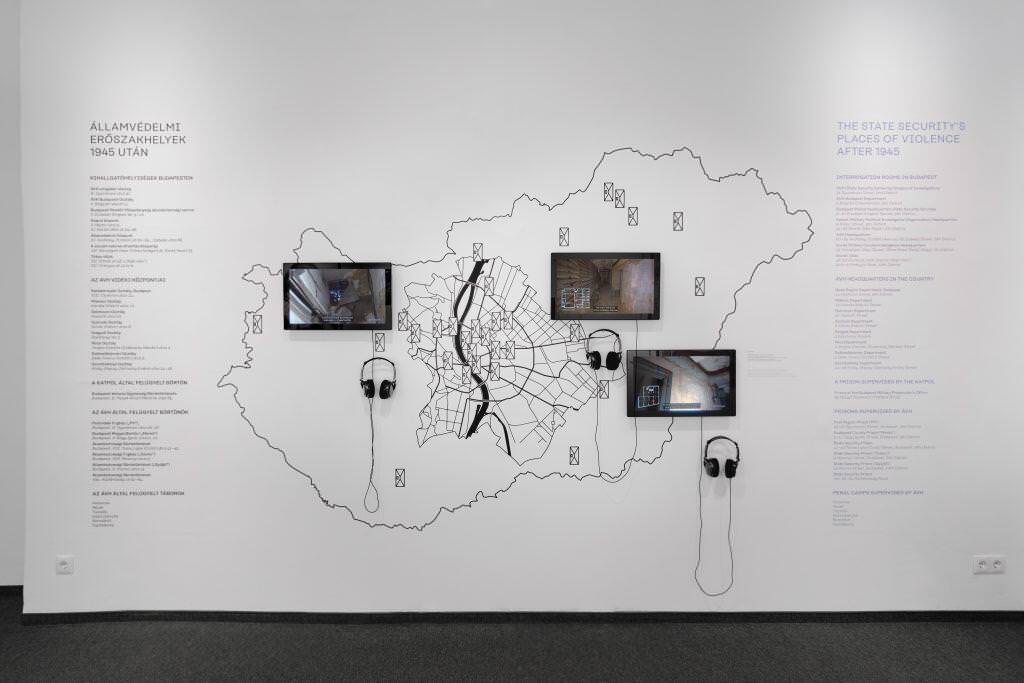
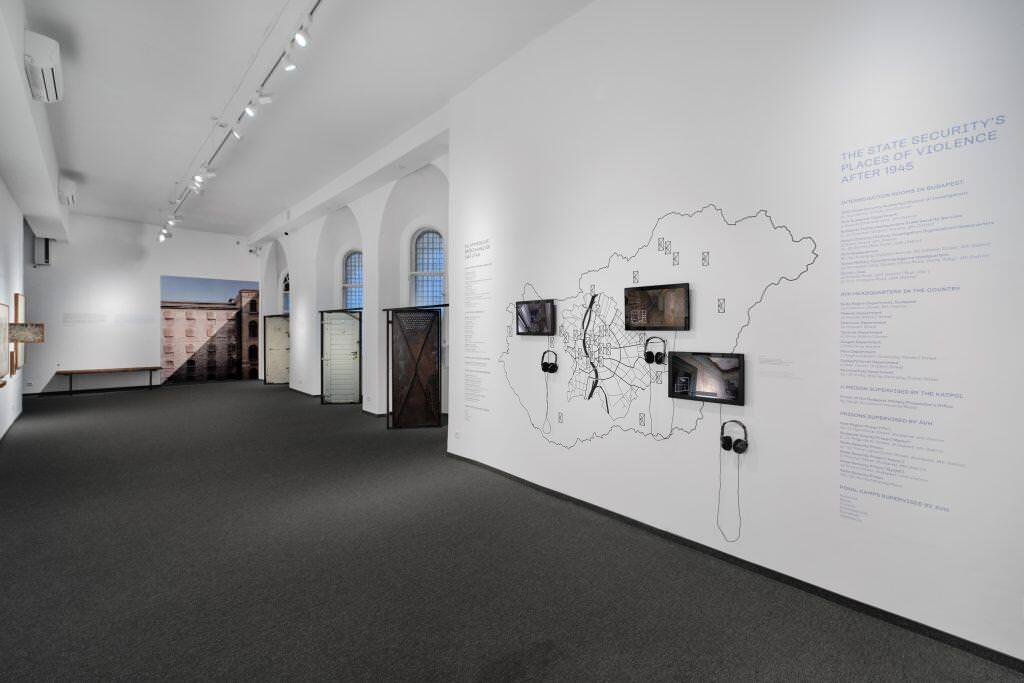
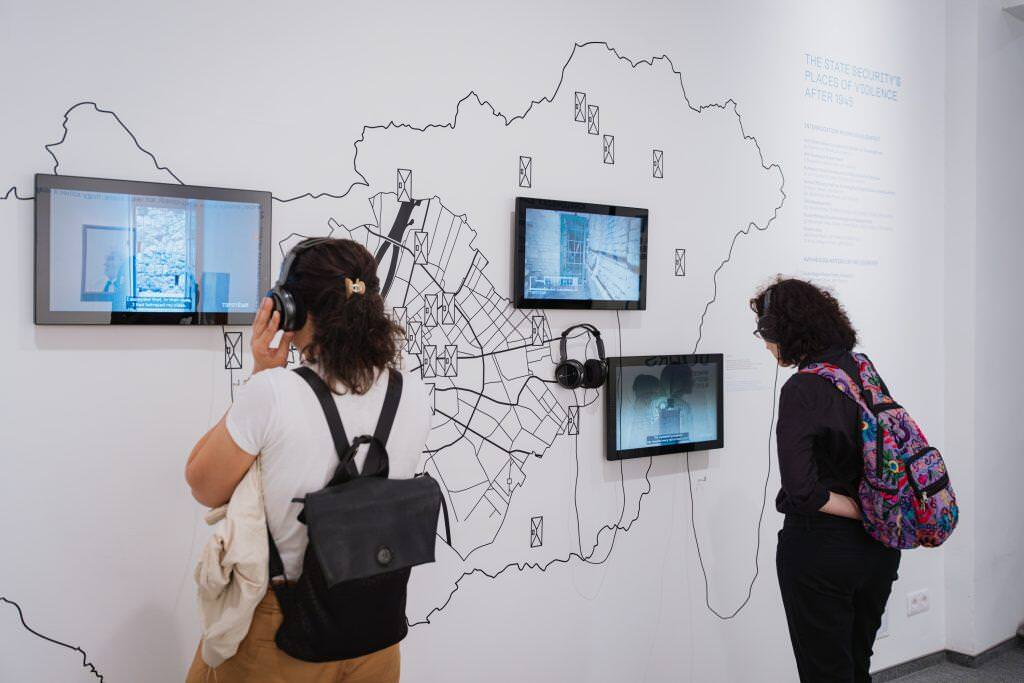
Topotéma is a public project of the Historical Archives of the State Security Services, dedicated to the spaces used by the Hungarian political police between 1944 and 1990 and the physical setting of its operation. Five films available on its website are shown here, and together with the other filmic material, they broaden the historical and spatial context of what is presented by the photographs.
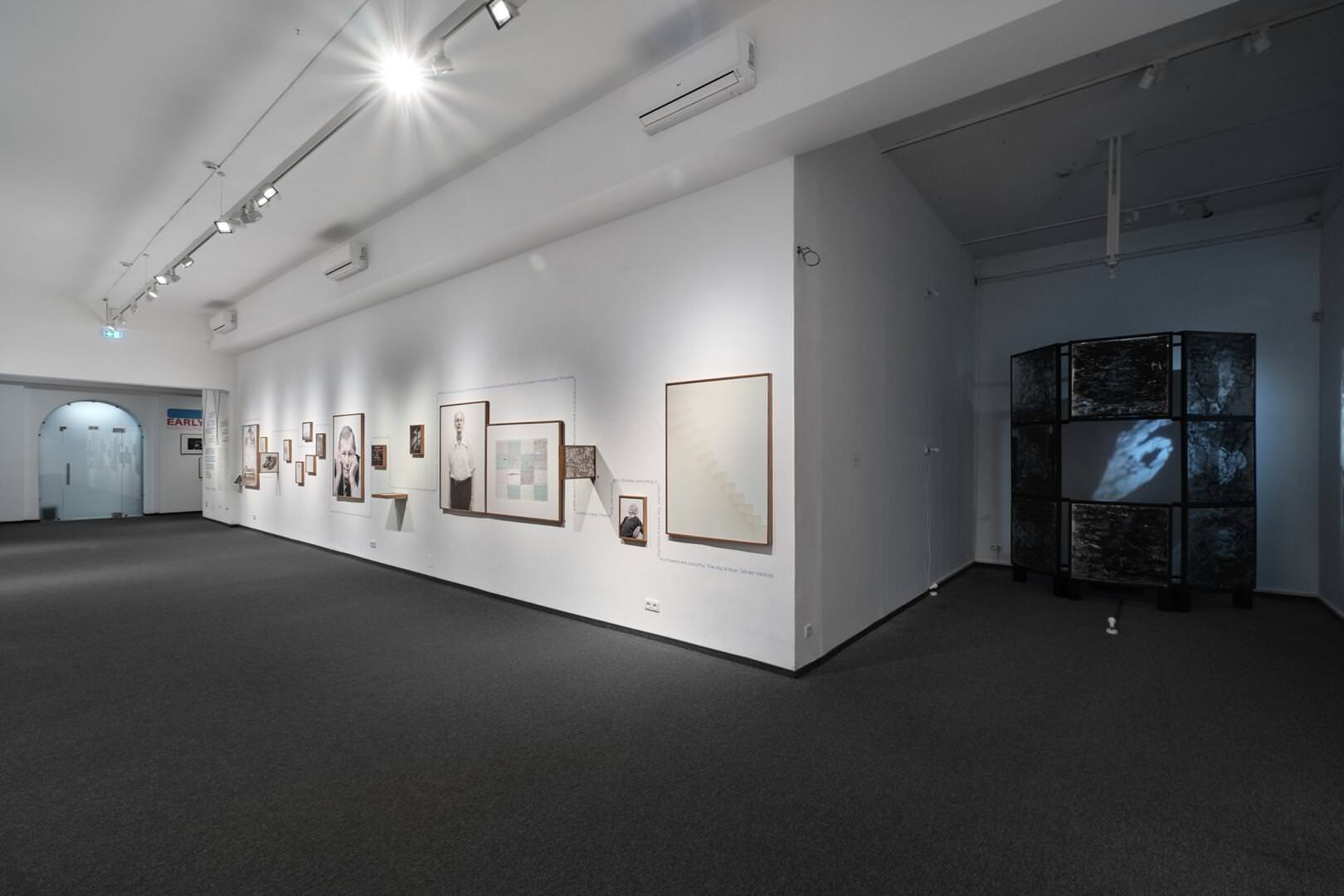
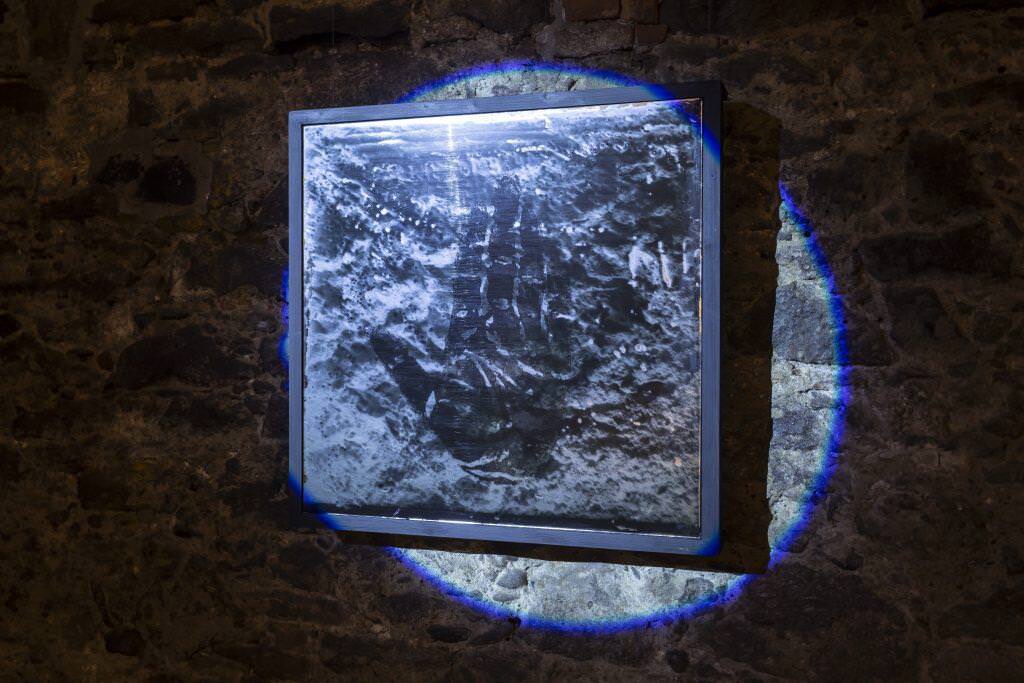
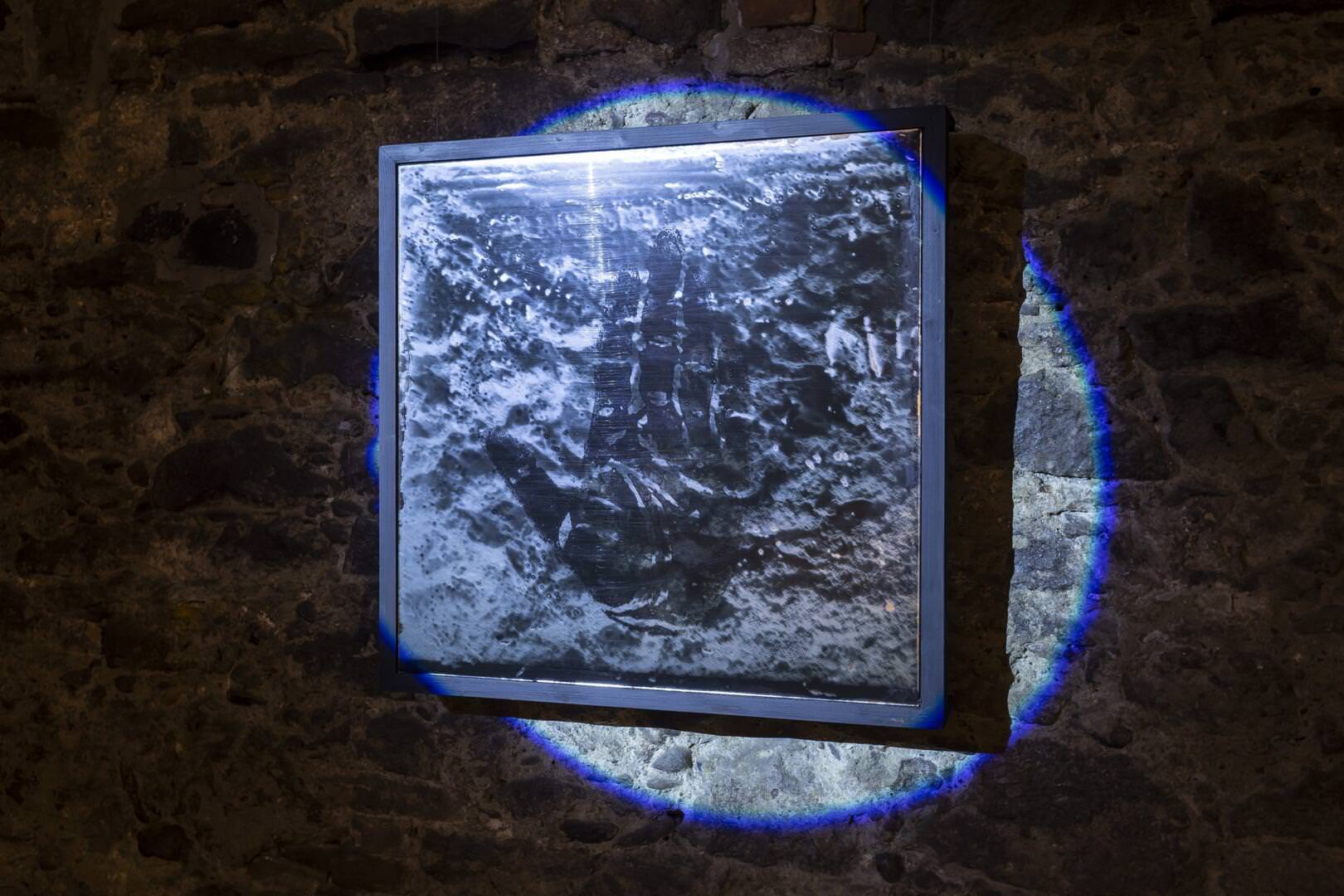
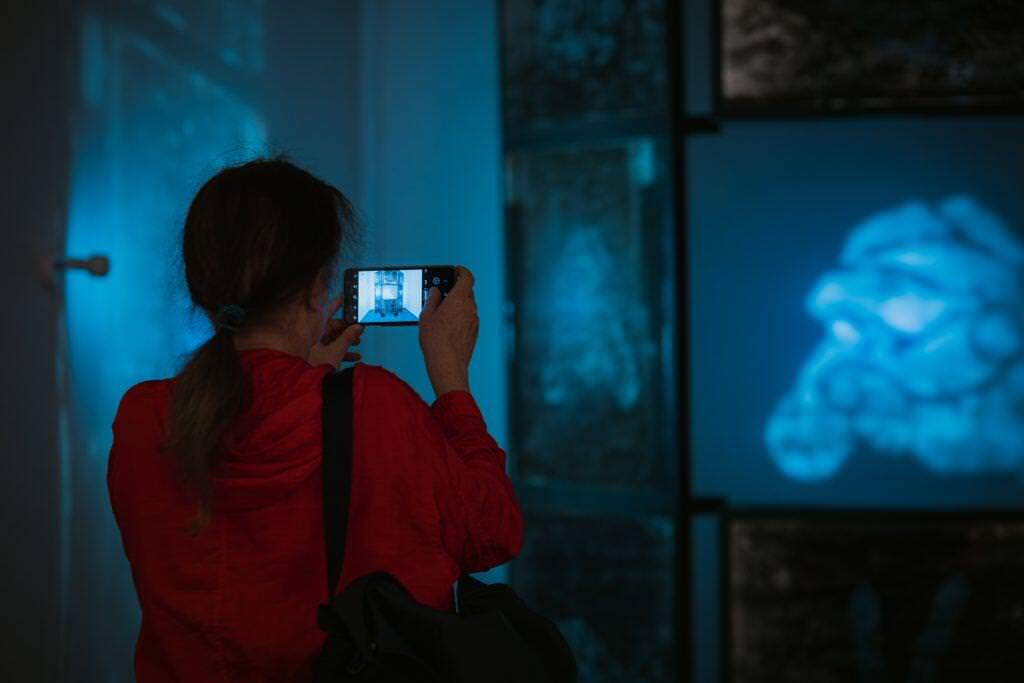
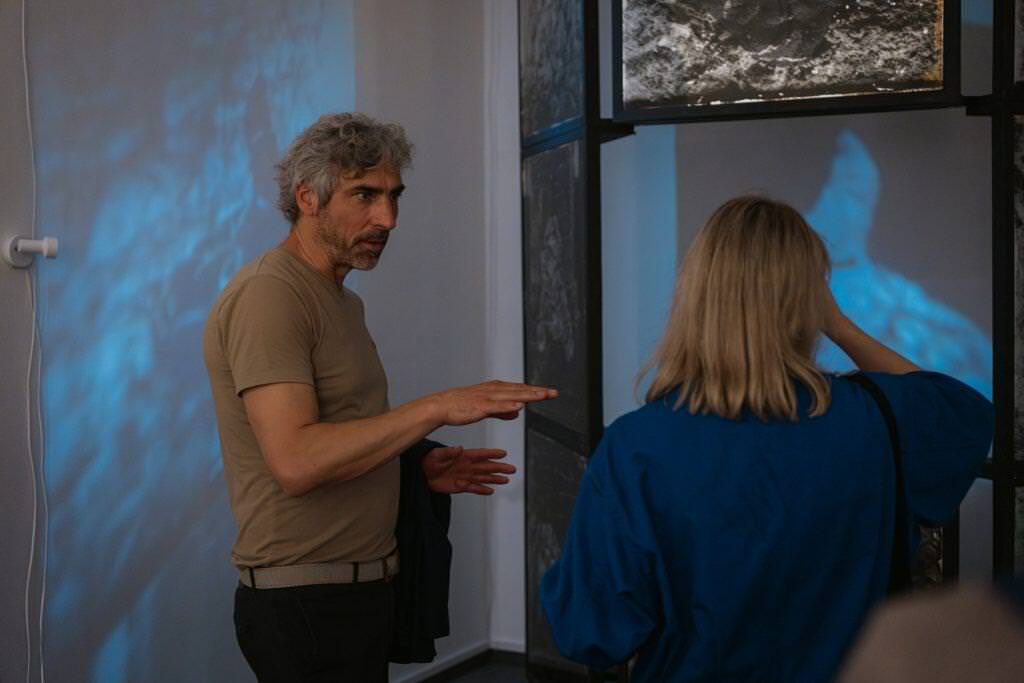
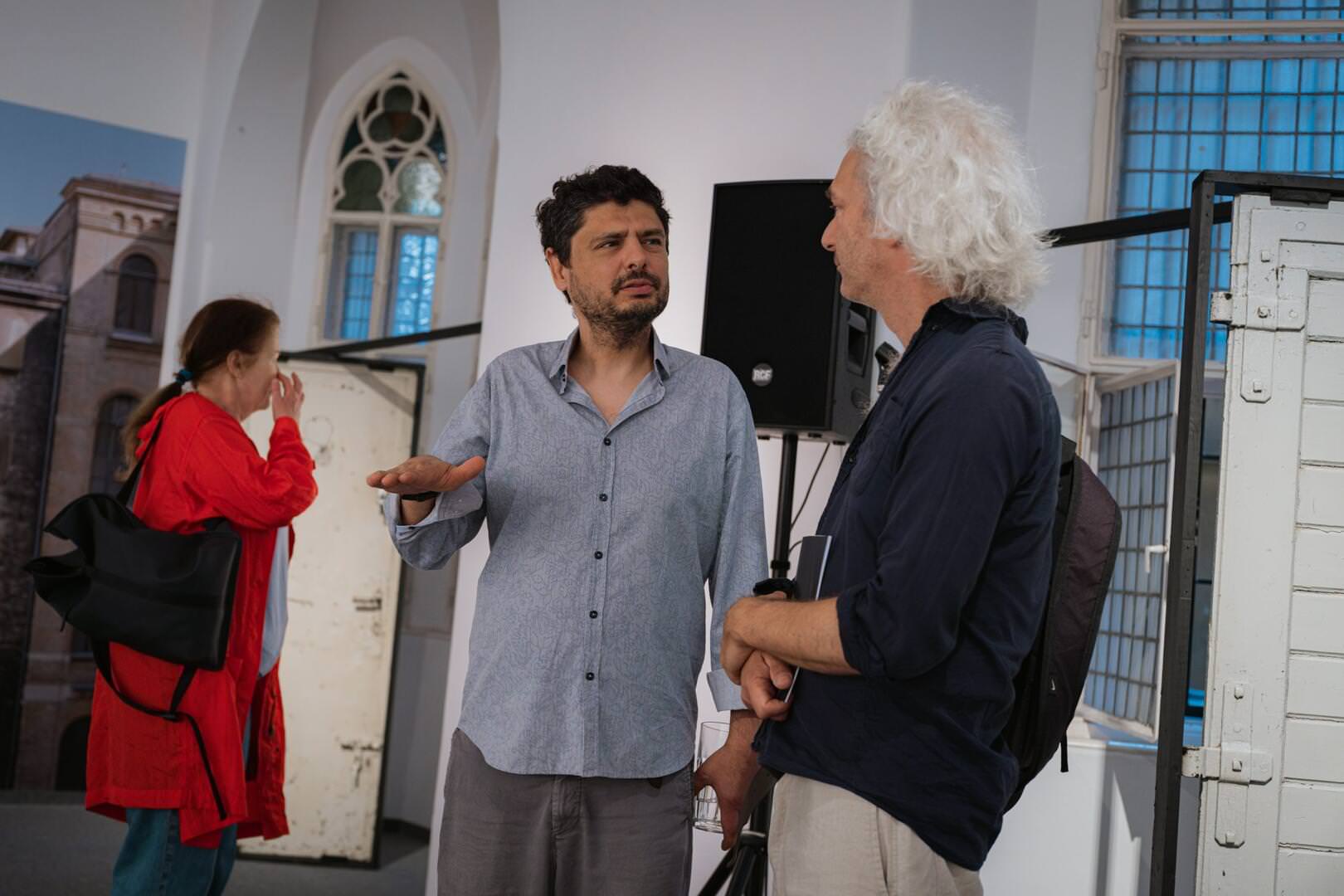
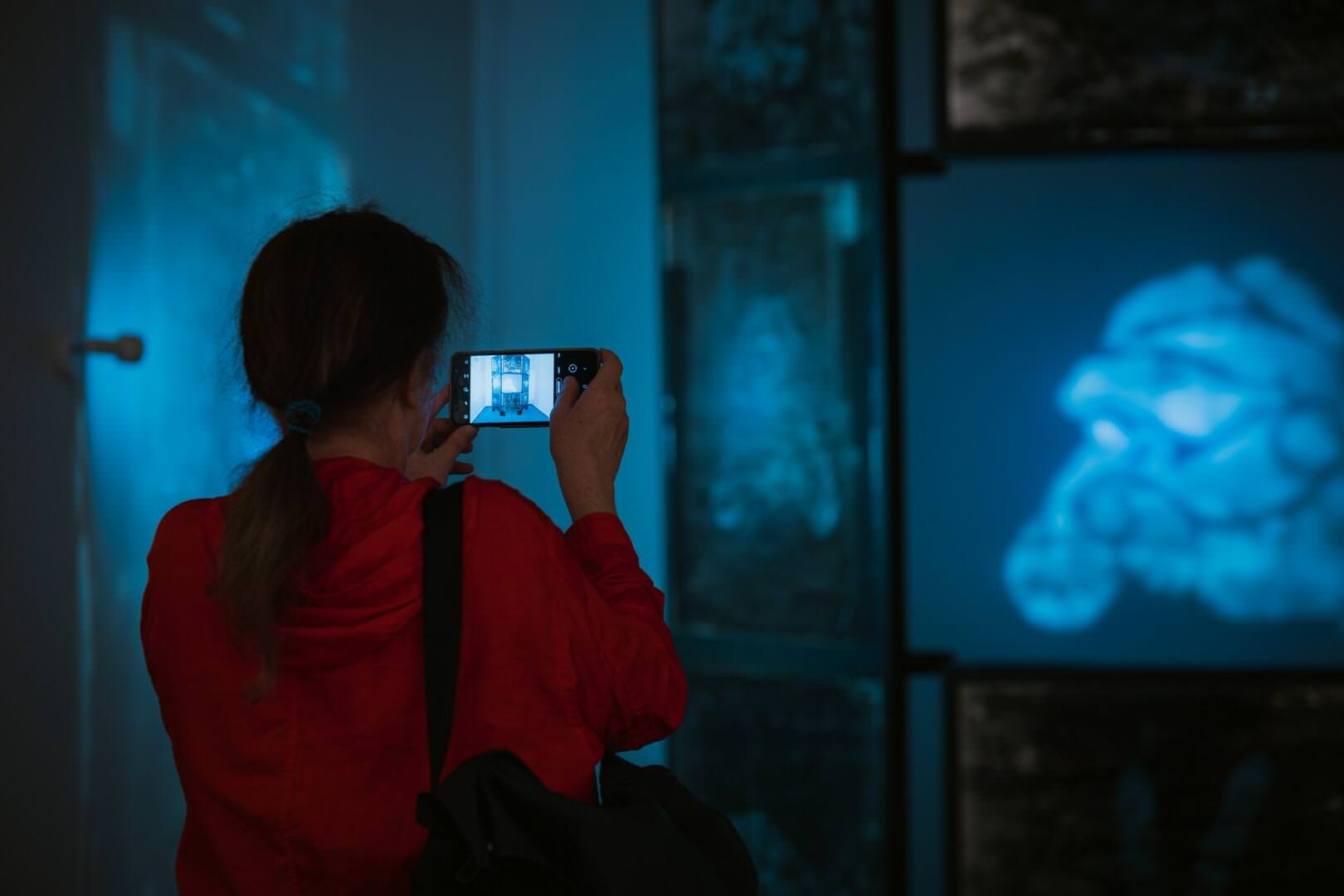
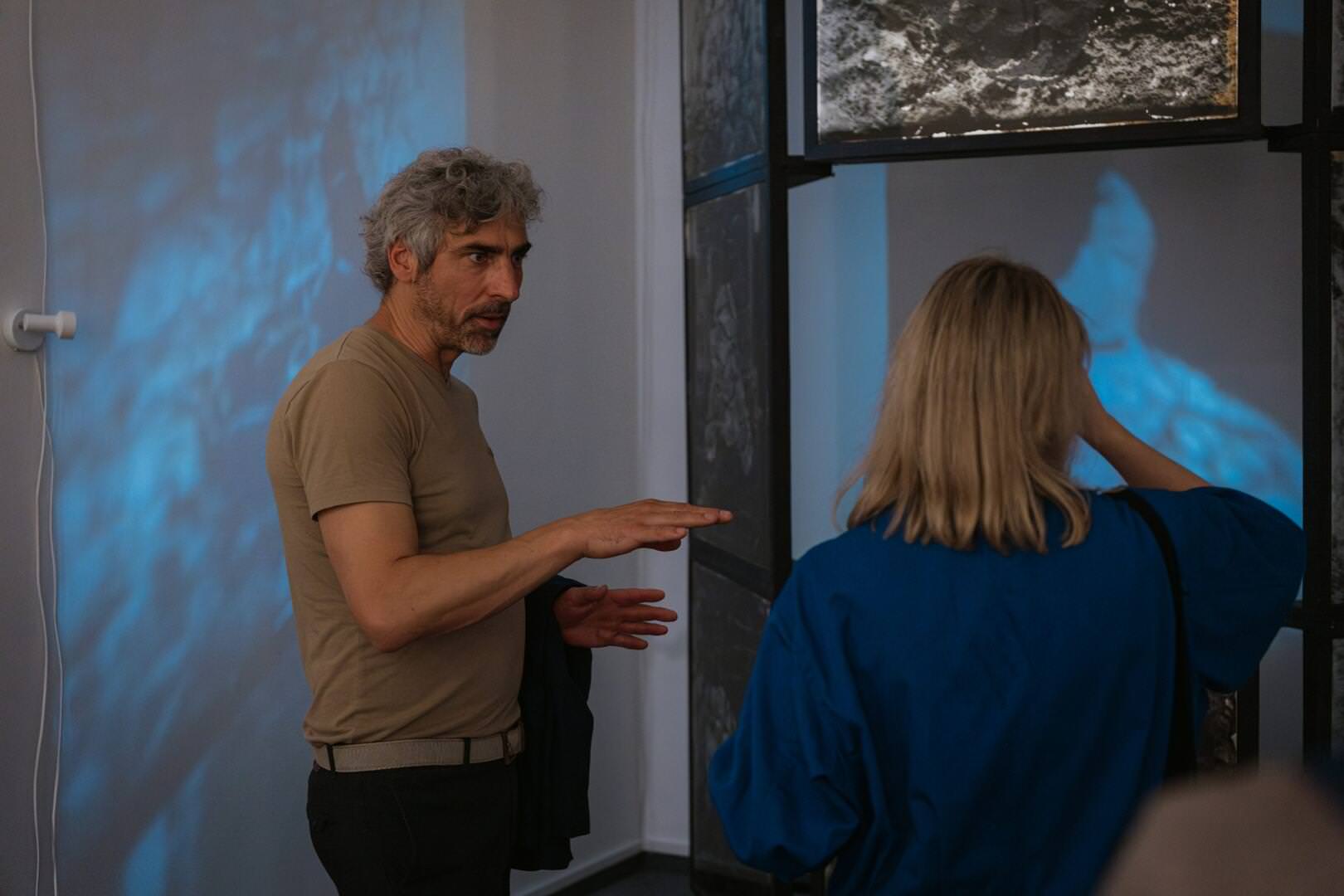
The cell doors and bunk placed in the exhibition space transform the world of prisons into a concrete, physical experience. They are engaged in a dialogue by Balázs Hugyecsek’s installation, Decisions, which contrasts the dictatorship’s closed and violent locales with positive spaces. The details of basement walls, printed on mirrors, the eight photographs of hand gestures and the programmed lighting create a mysterious, continuously changing space. The gestures, which refer to different decisions, are outlined in the central, empty field by flashing lights, whose reflections are scattered on the walls, the ceiling and around the bunk.
What the exhibition drives home is how easily an individual could disappear overnight in the system of show trials and internments. Therefore, more than mere documentation, this display is also visual remembrance work.
With great dedication, the creators delved into the penitentiary system of the Rákosi regime and the early Kádár era, the world of show trials, the suffocating solitude of prisons and forced labour camps. The historians’ research, the individual lives revealed, and the places visited and exposed turn this exhibition into an important memento.
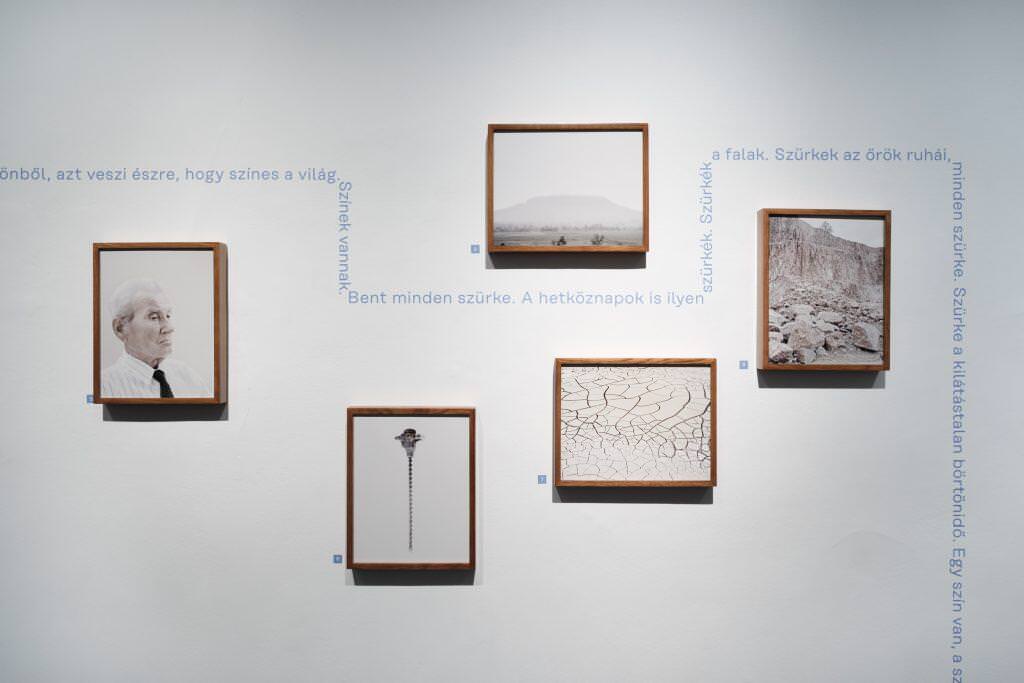
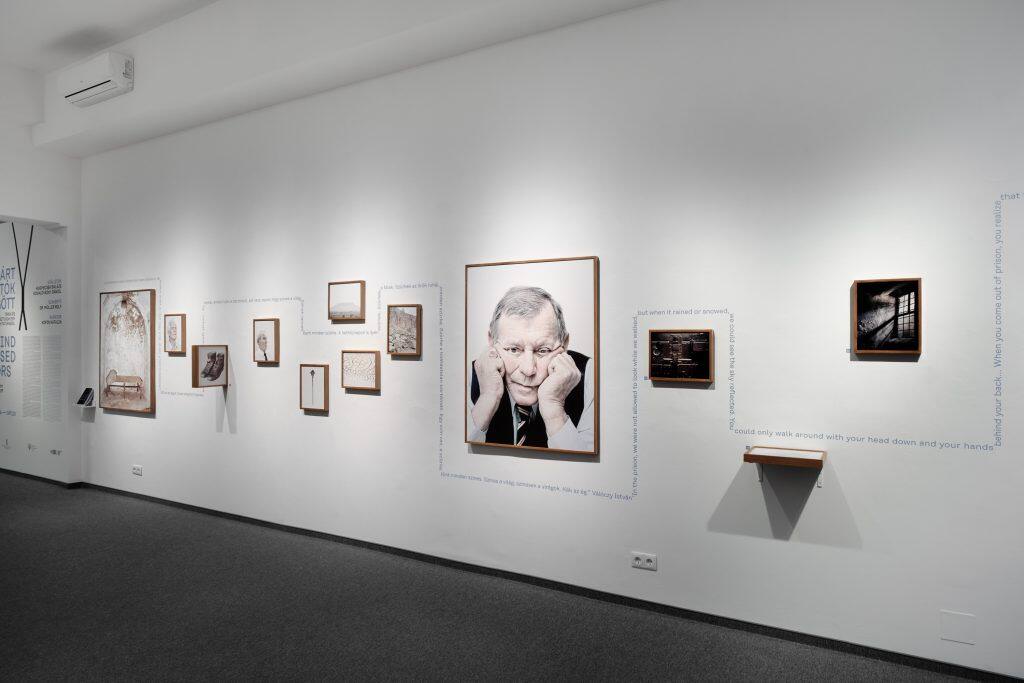
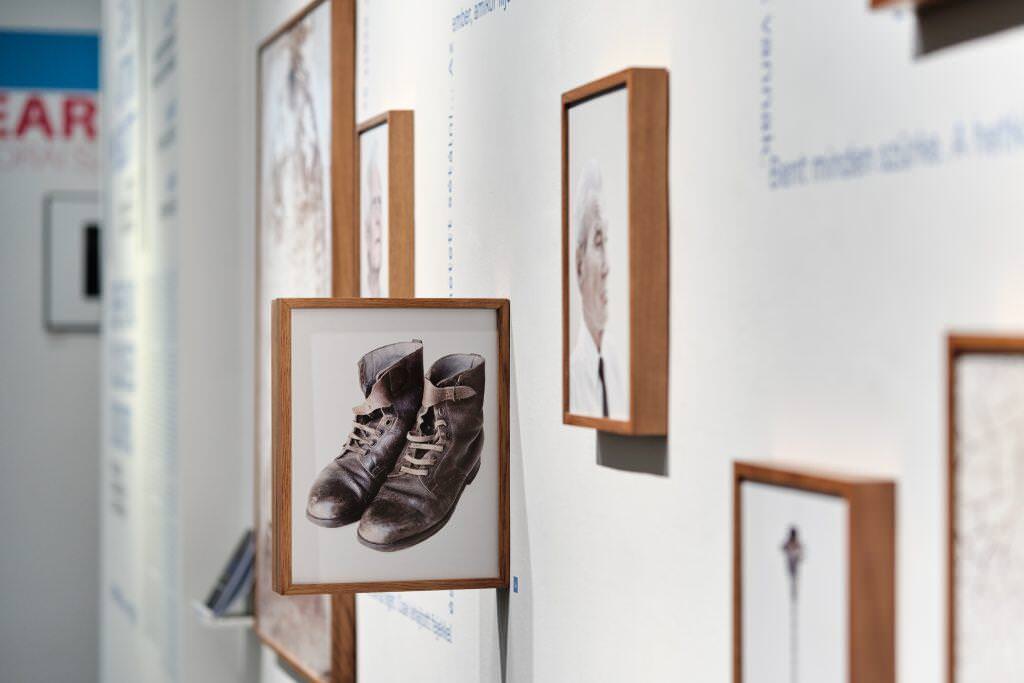
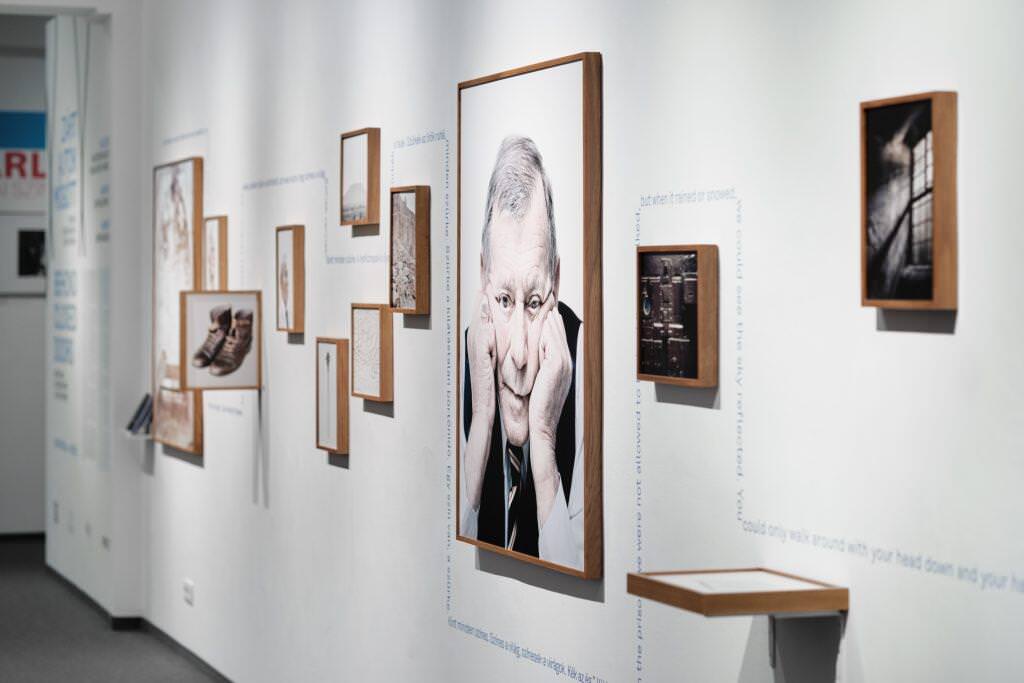
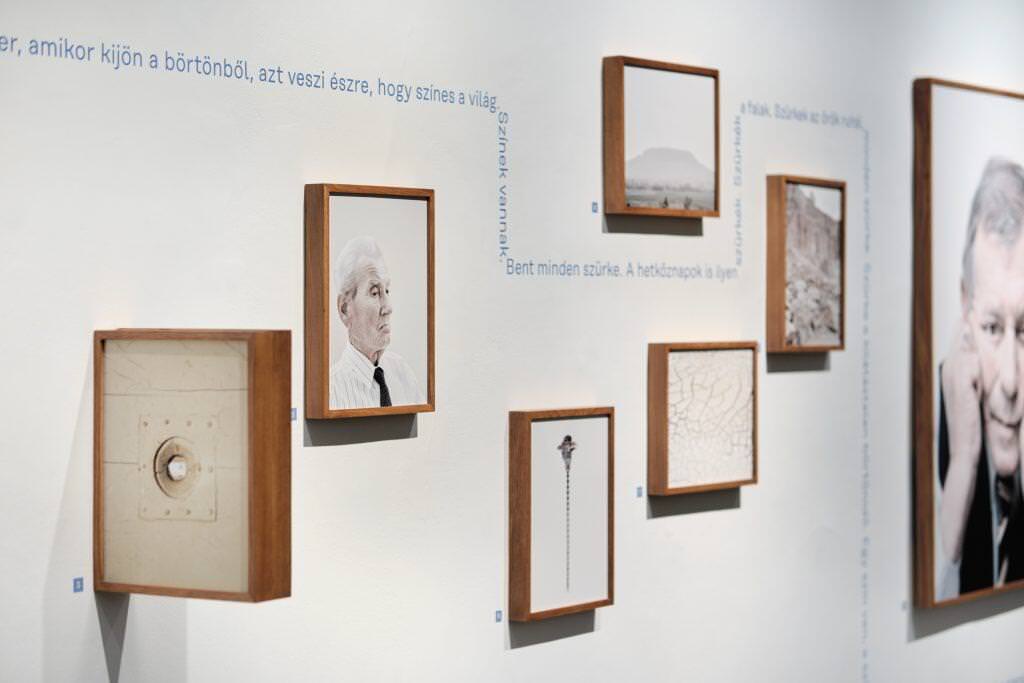
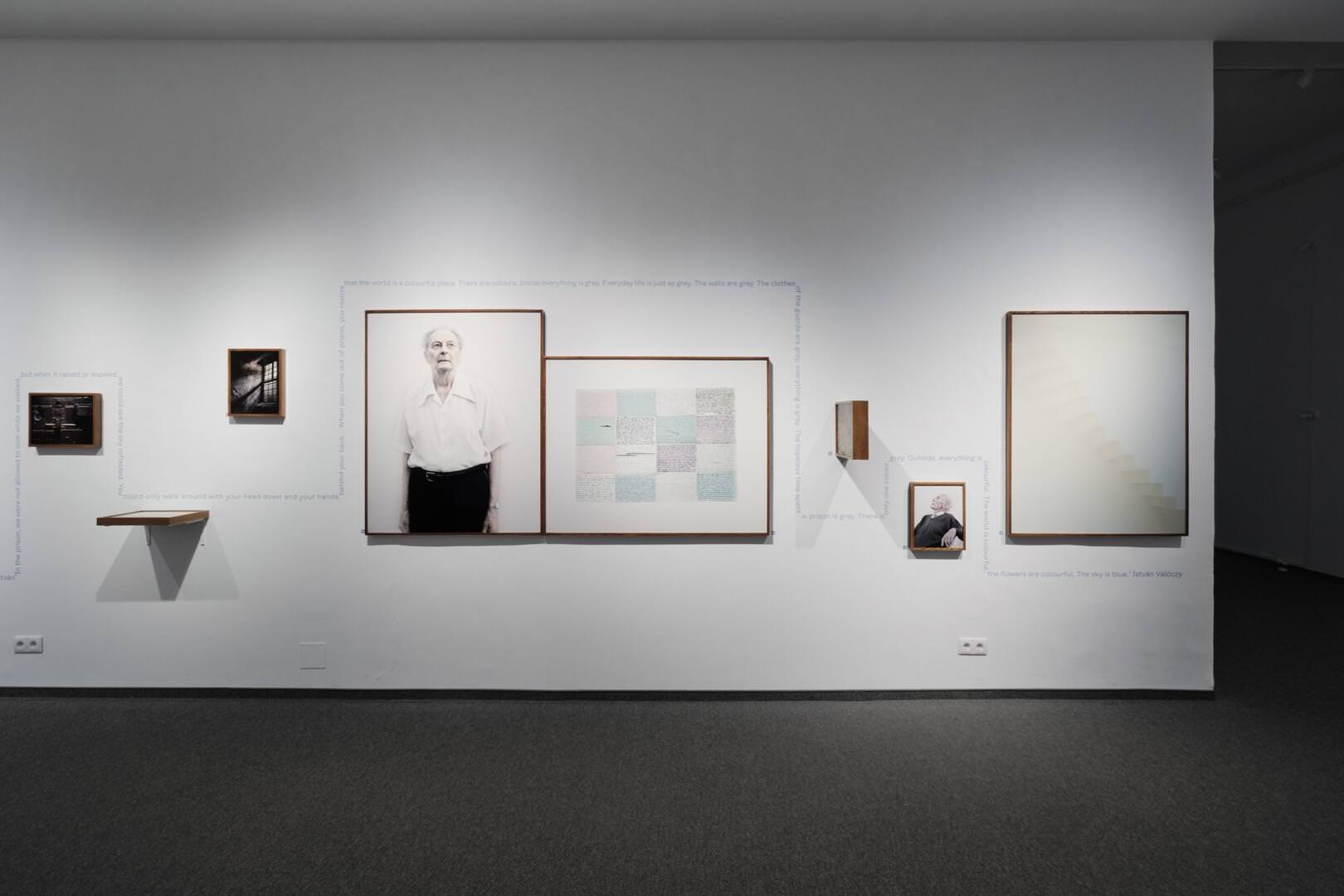
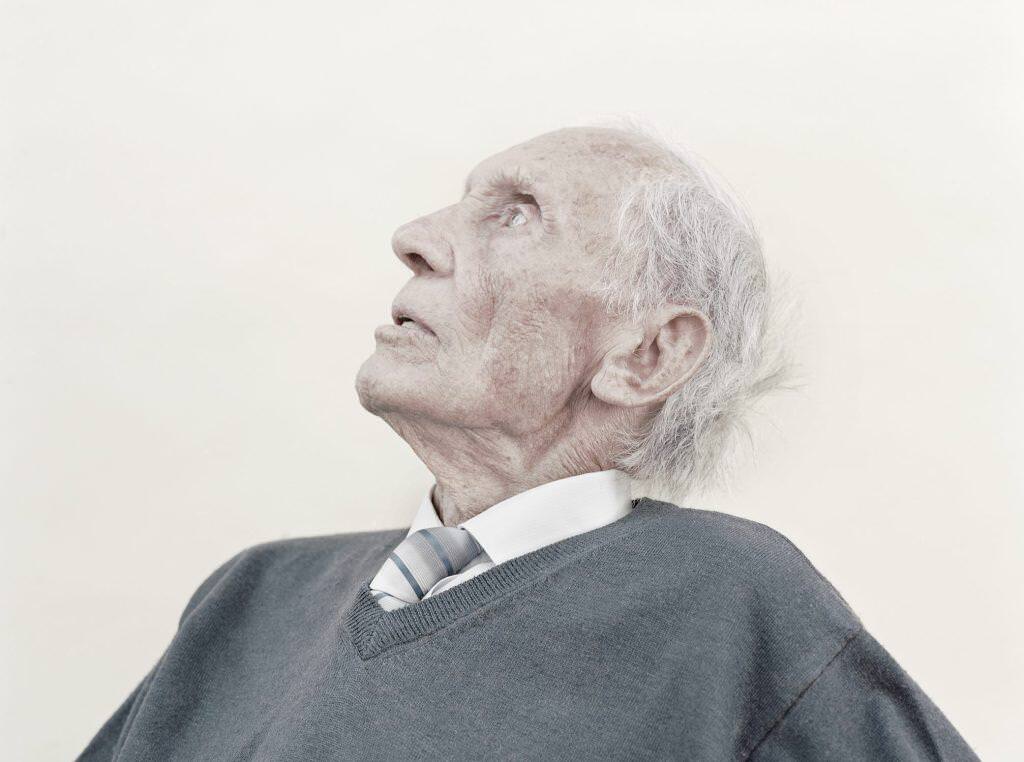
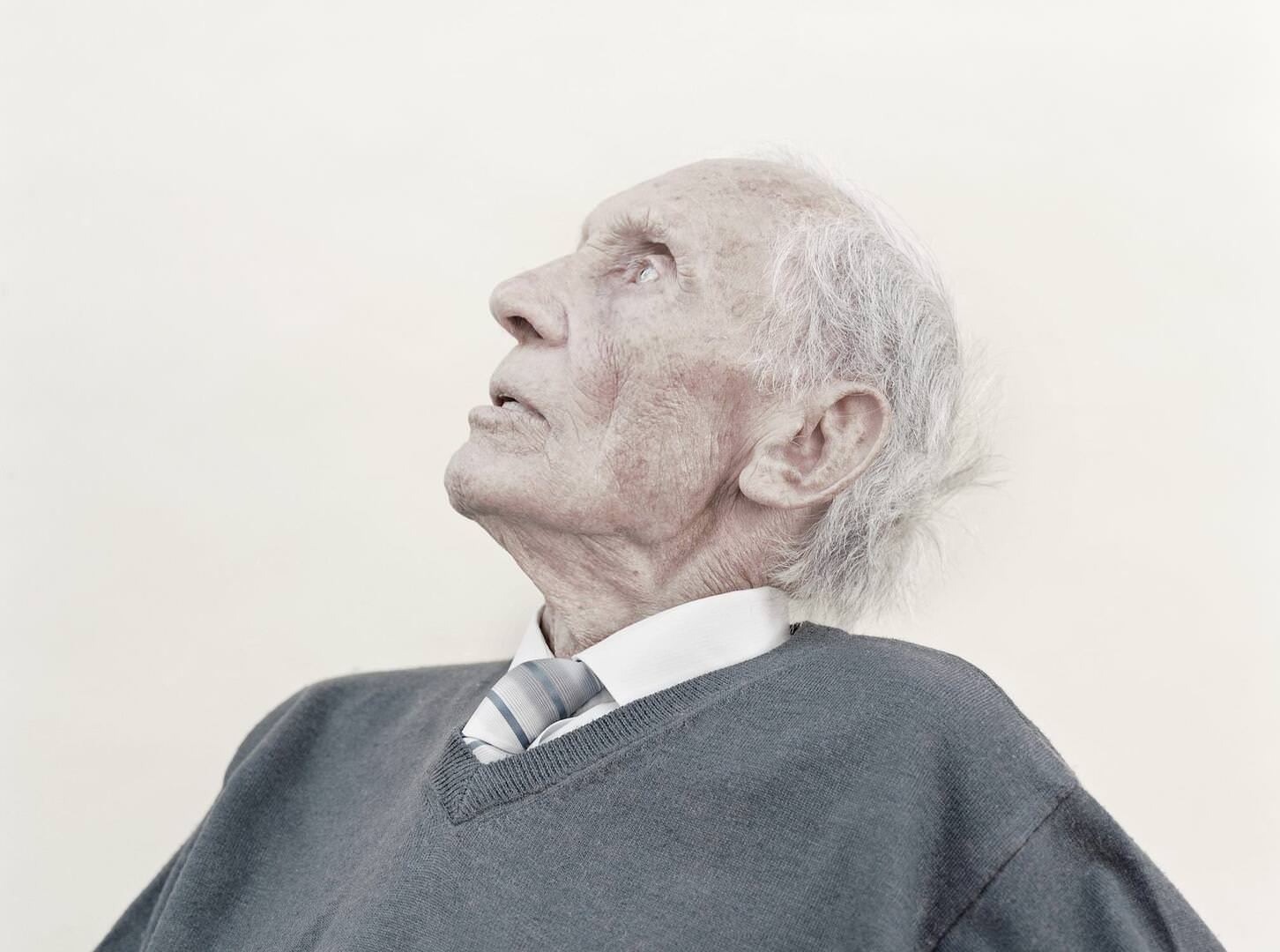
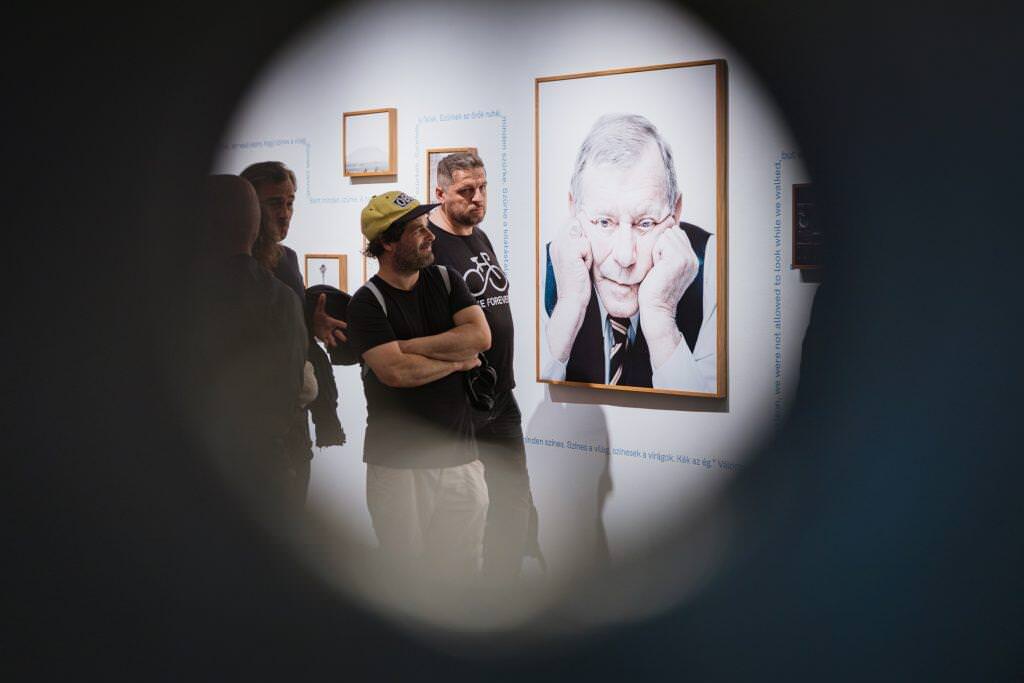
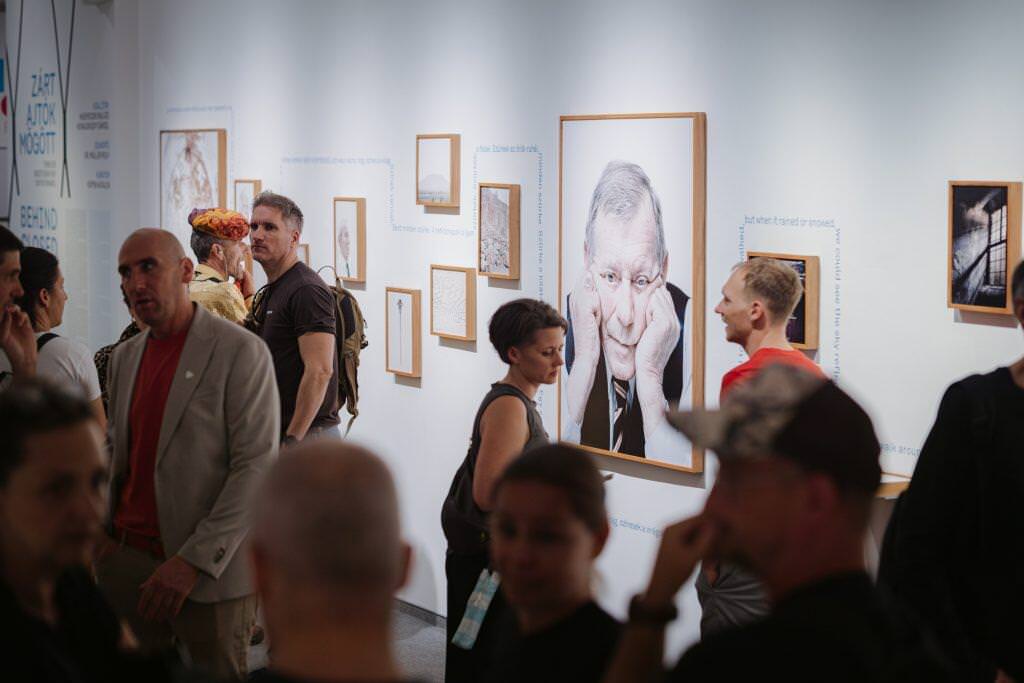
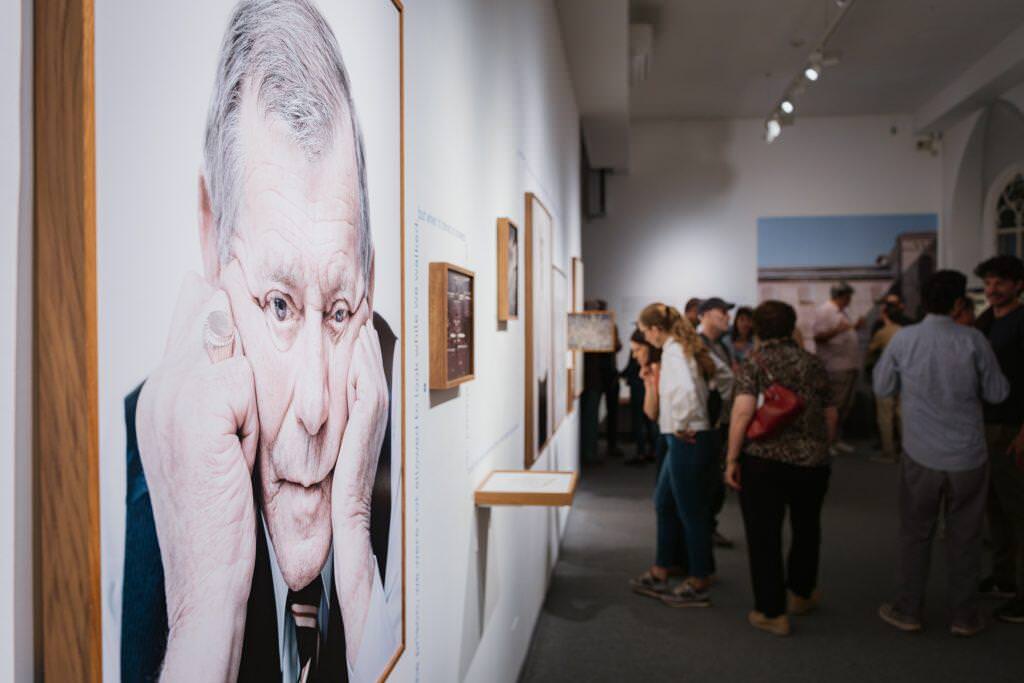
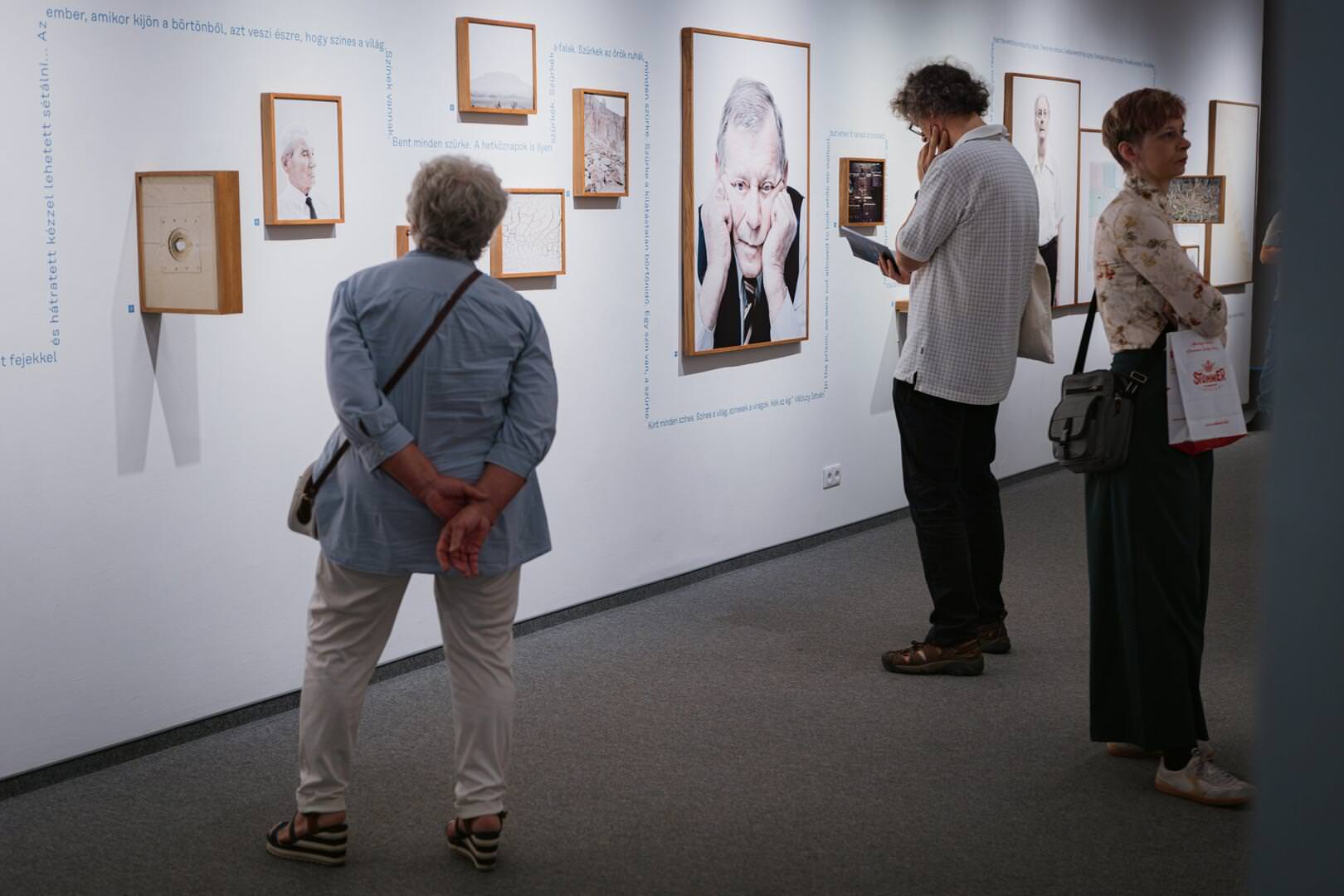
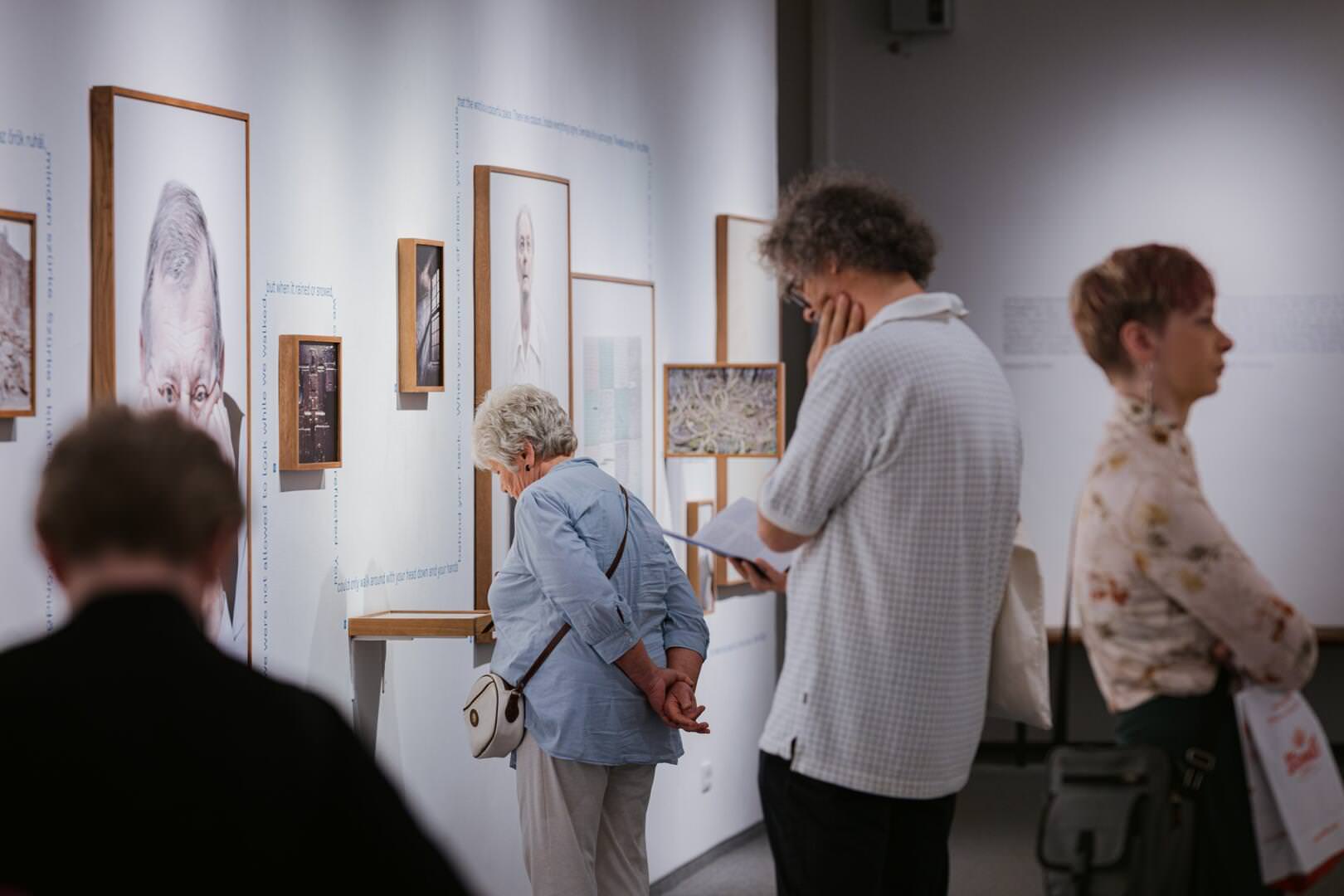
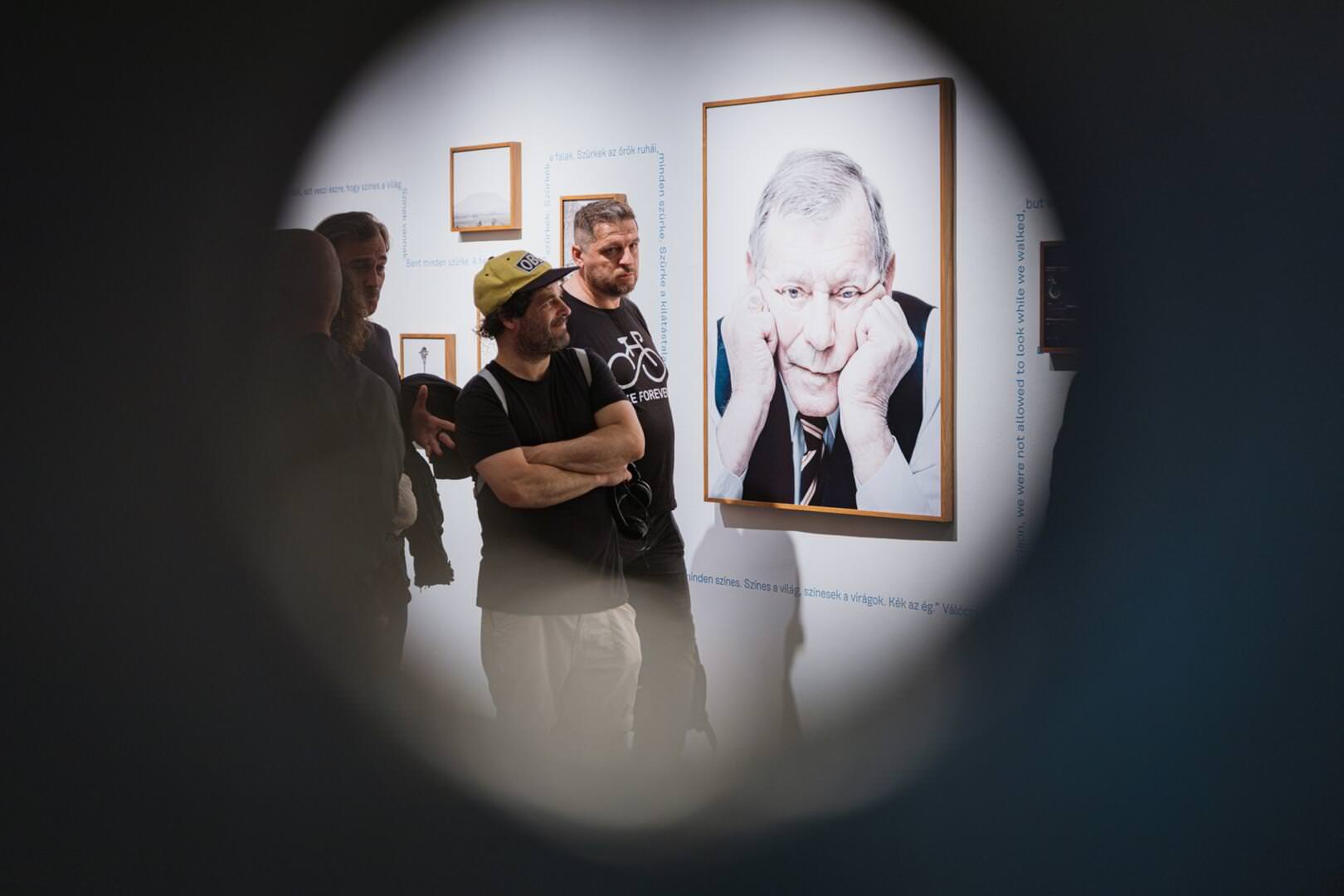
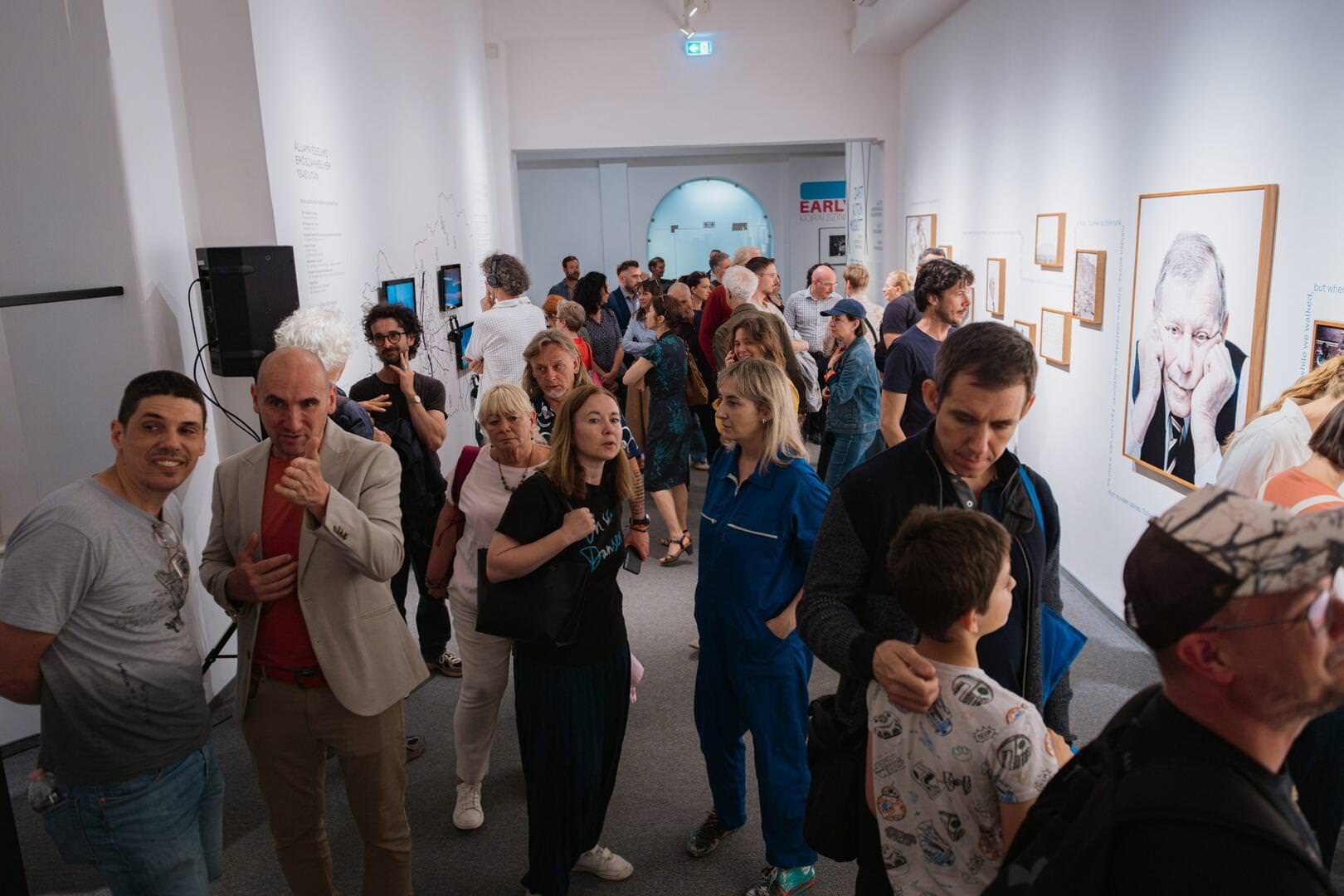
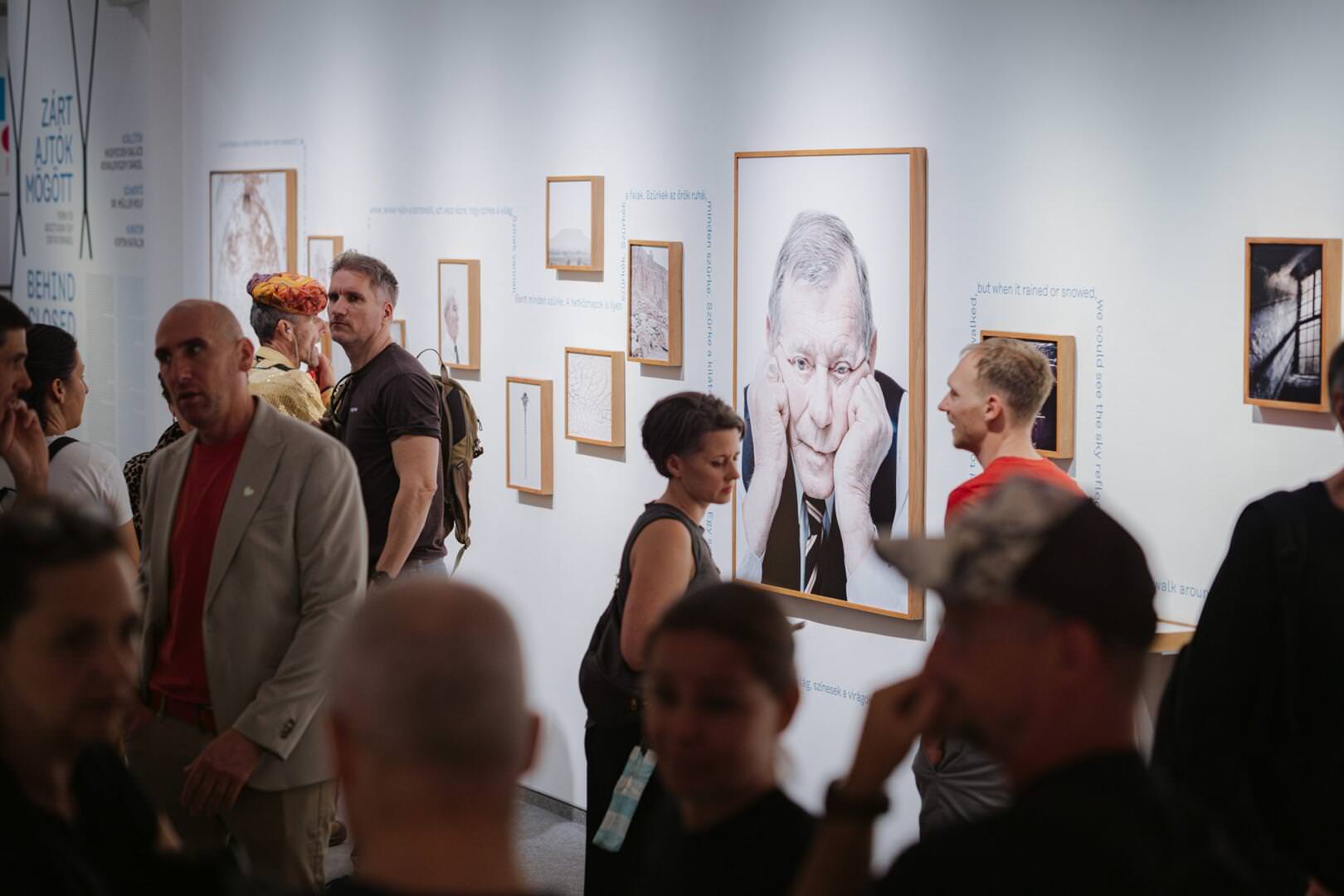
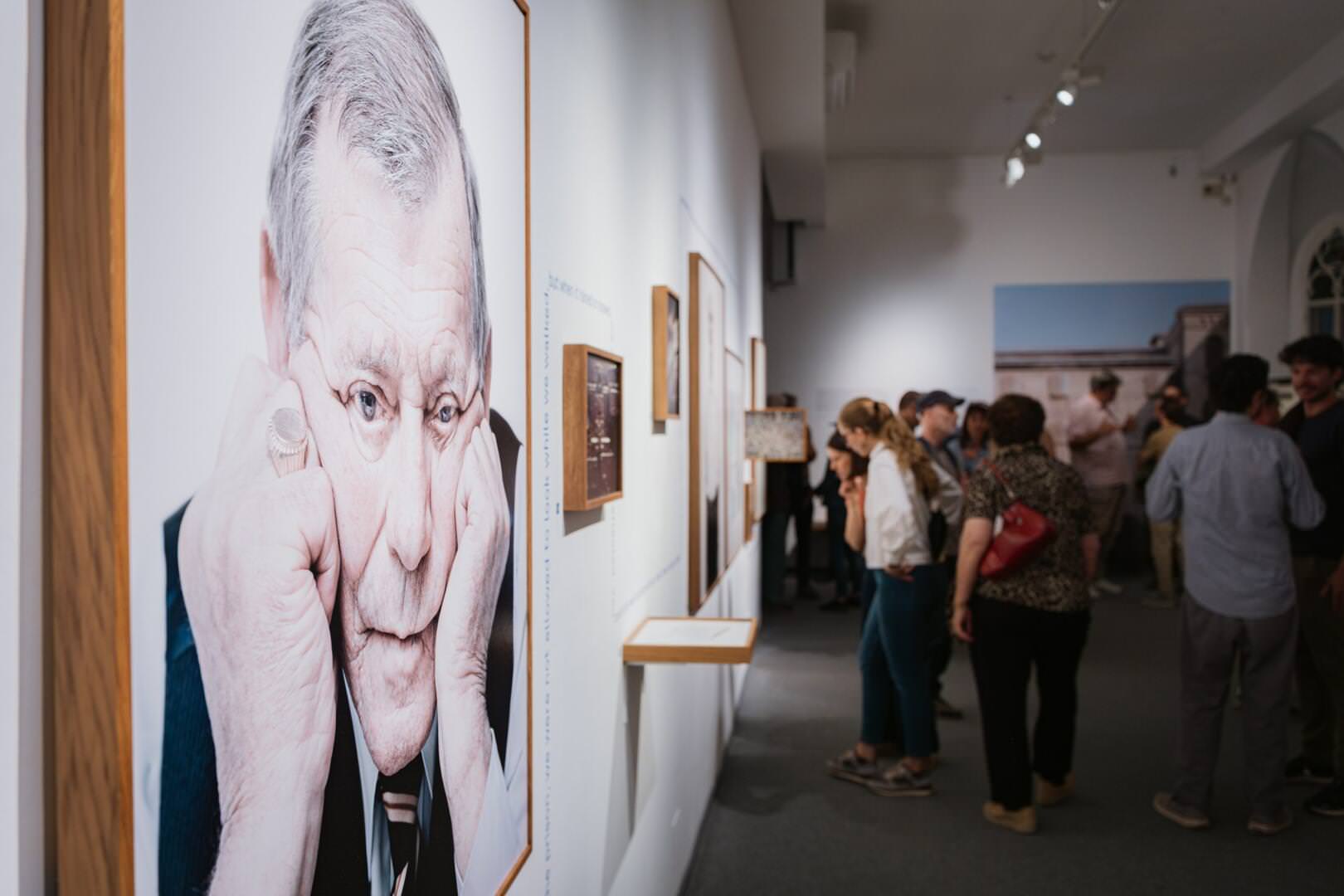
The portraits of the survivors invest the places with individual characters. The faces of these elderly people appear against a neutral background, removing them from the settings of their former sufferings. Their eyes reflect trauma and the experience of survival. The recollection of István Válóczy, a former convict, evokes the most elementary perception of freedom. Other stories make the cruelty of the system tangible: the brutality of interrogations, the degrading prison conditions, the predetermined sentences. ‘I sentence you to life imprisonment, though you’re fit for the gallows,’ said Judge Gusztáv Tutsek at a trial, offering a succinct characterization of the dictatorship’s justice system.
The exhibition becomes a space of collective remembrance. Over and above documenting events, it reminds us that history is not a concluded piece of the past, but a present responsibility.
Katalin Kopin
curator


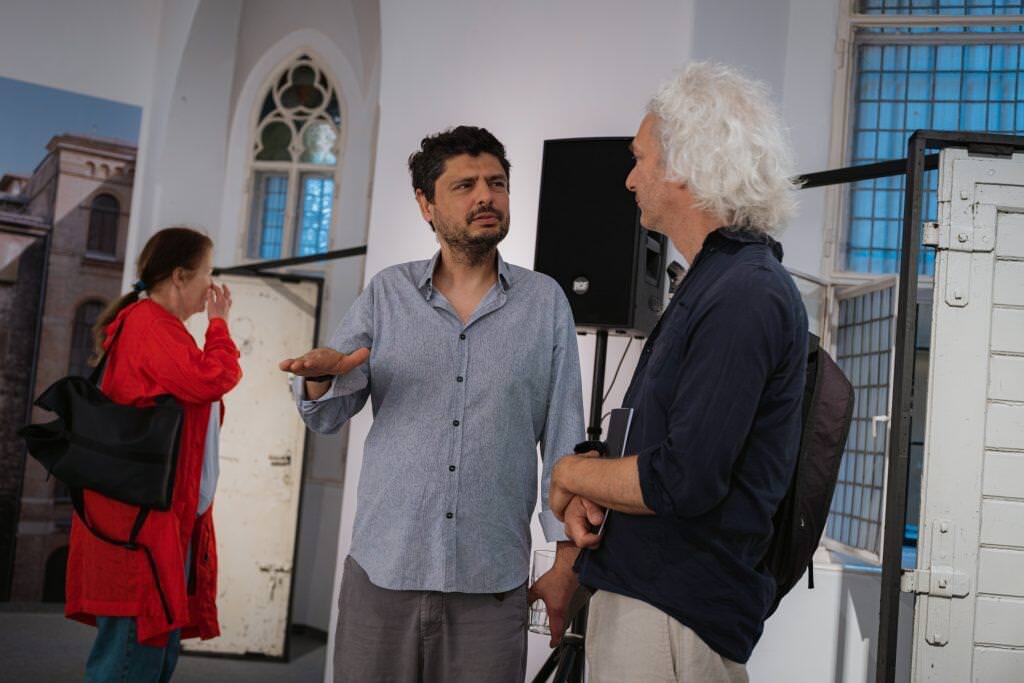
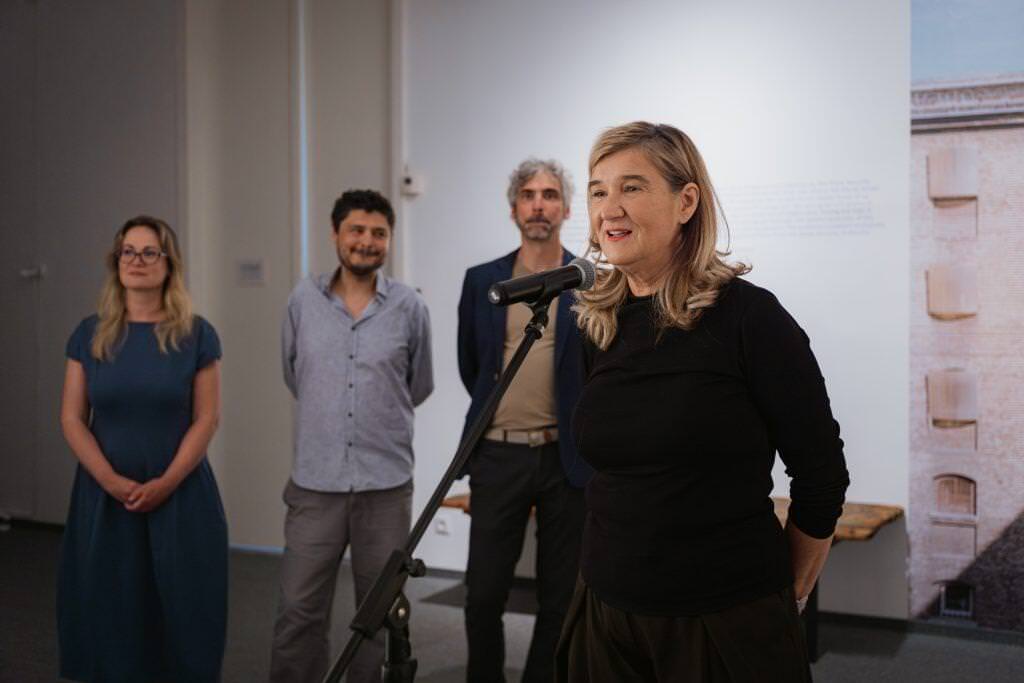
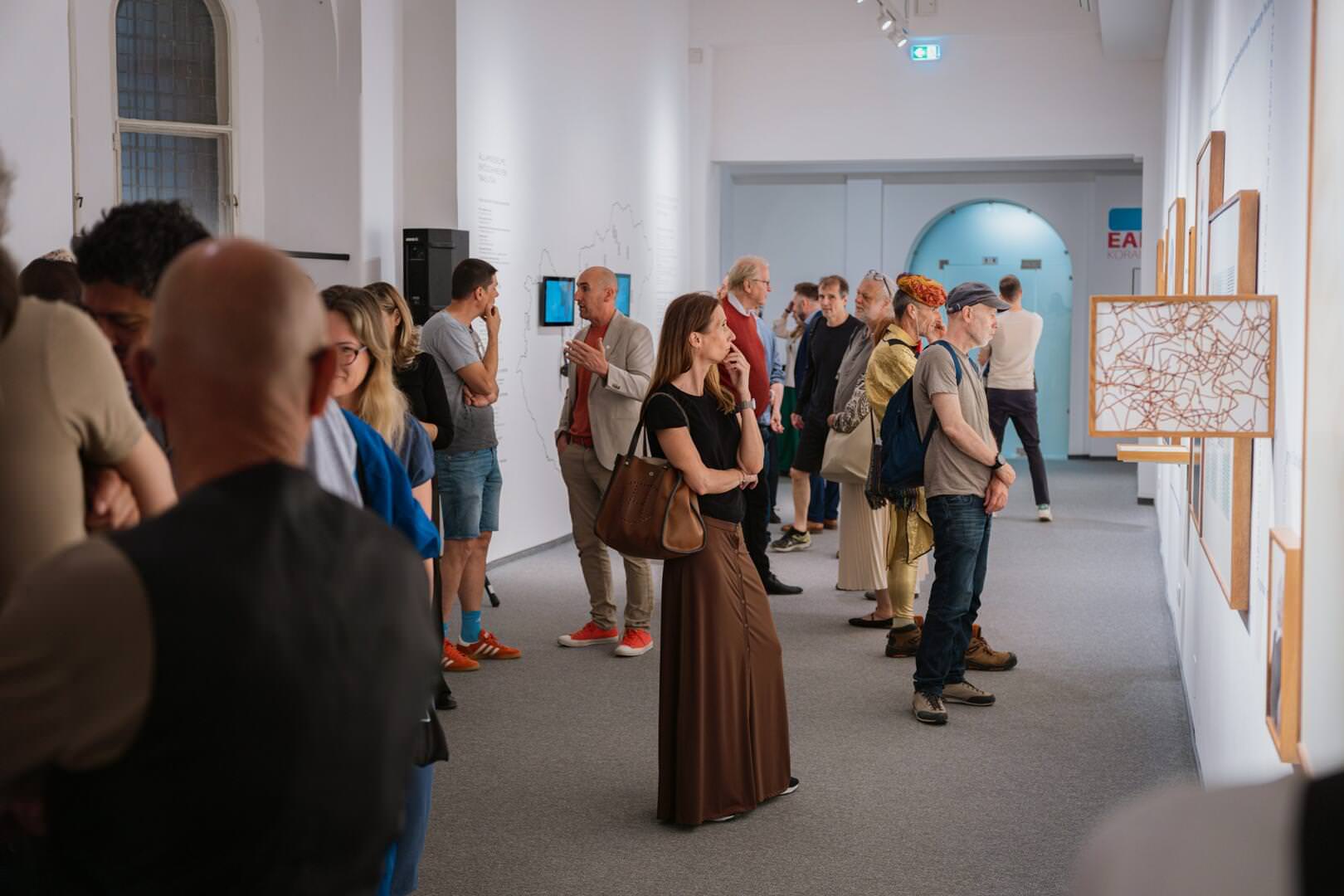
VERNISSAGE
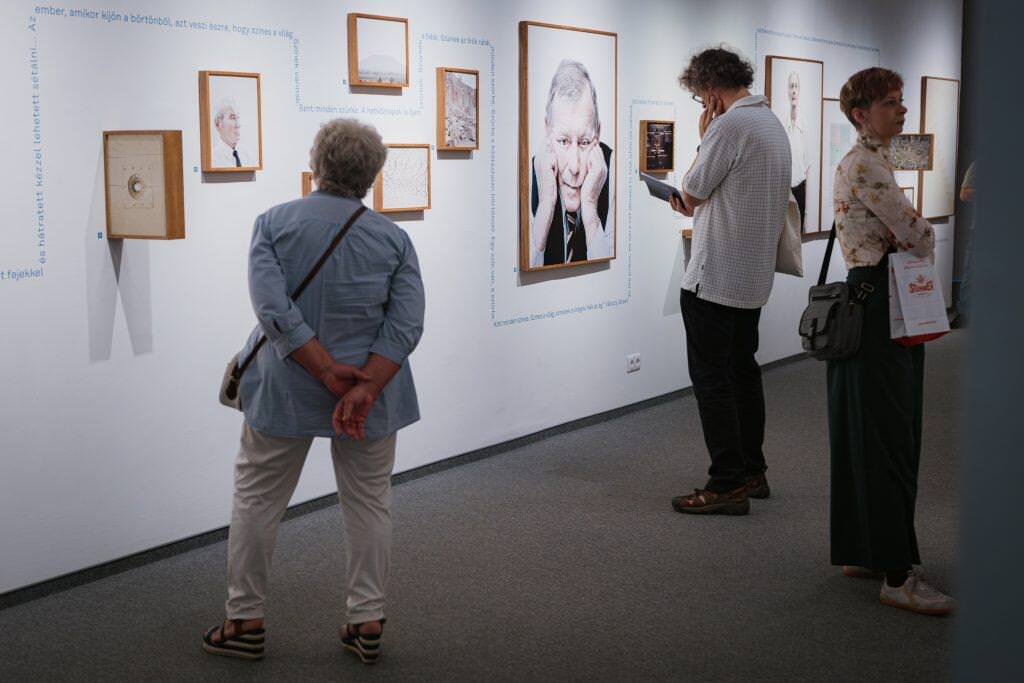
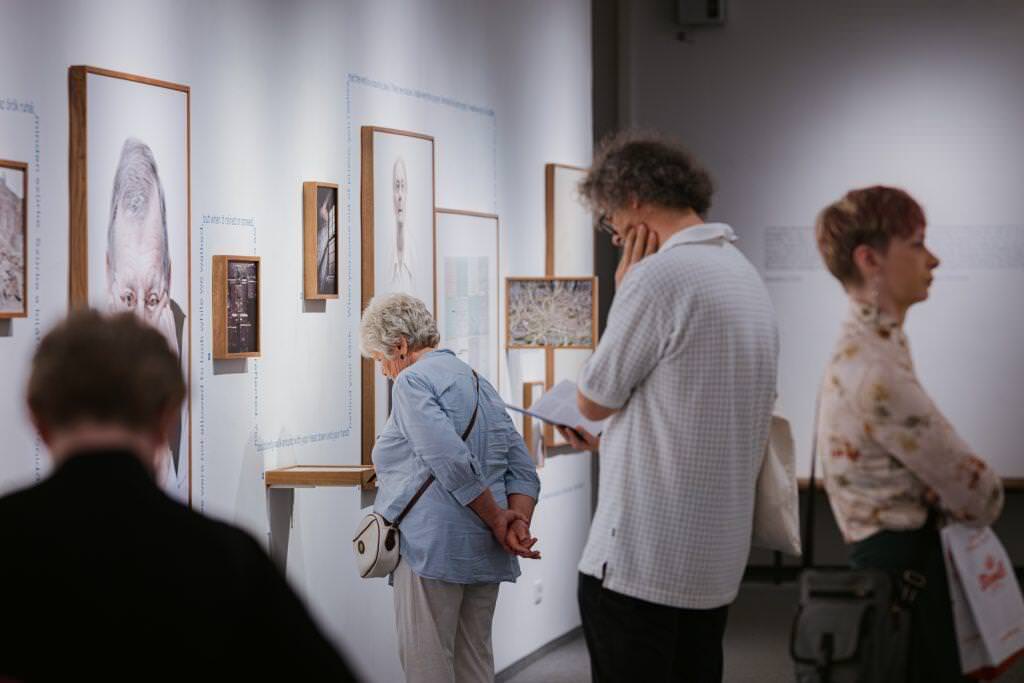
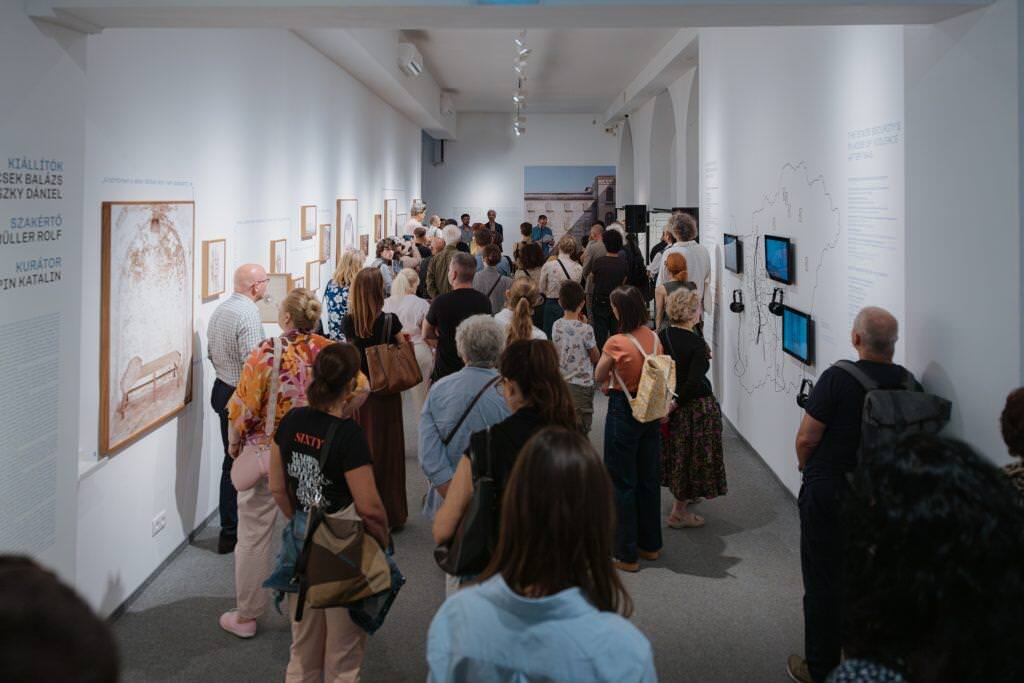
INTERIOR IMAGES