
The Winner of Capa Grand Prize Hungary 2026: Zsófia Sivák
Established in 2014 by the Capa Center, the Robert Capa Photography Grand Prize Hungary ecognizes photographers whose work makes significant impact on Hungarian photography.
Following their public presentations on October 28, the jury ultimately selected Zsófia Sivák’s project as the winner. Thus, the photographer became the eighth recipient of the Capa Grand Prize Hungary and received a cash award of HUF 2.5 million at the award ceremony on October 28, 2026, held at the Capa Center on the occasion of Robert Capa’s 113th birth anniversary. The Grand Prize winner’s project will be presented in an exhibition abroad in the year following the award. In 2027, the exhibition will be held at the Krinzinger Schottenfeld Gallery in Vienna and, thanks to the gallery’s generous support, will also include a one-month residency in Vienna.
The Winner of Capa Grand Prize Hungary 2026: Zsófia Sivák.
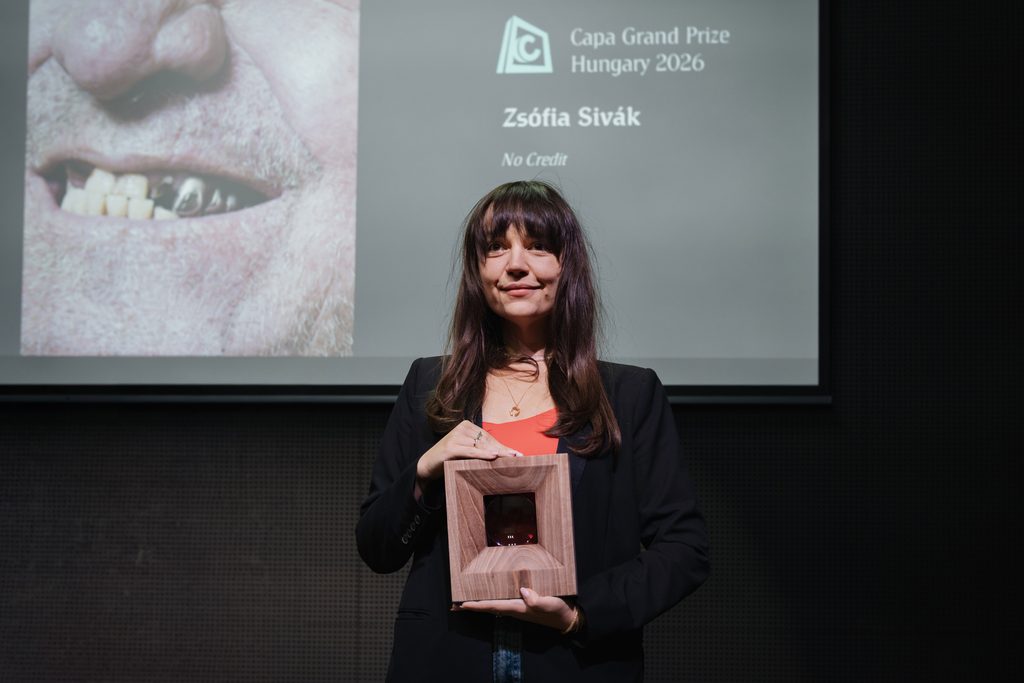
Zsófia Sivák: No Credit
In recent years, many pubs in rural Hungary have closed permanently or changed their function. In my photographic series Hitel nincs (No Credit), I visited and photographed pubs that are still operating in disadvantaged areas of eastern Hungary, approaching the subject from a personal perspective.
The project began with my own connection to these places. I grew up in Kerecsend, a village of around 2,000 people in eastern Hungary. During my childhood, there were six pubs in the village. They were loud, lively places where something was always happening: music, parties, arguments. If someone wanted company, information or help, they went to the pub.
Alcohol and gambling addiction were present in my family, so these places also played an important role in my life. For me, pubs have always had a double meaning. I associate them with warm, often very funny childhood memories, but also with deeply troubling experiences.
When I returned to photograph these places as an adult, I found that much of their former social life had disappeared. Of the six pubs in Kerecsend, only one was left, and even that opened irregularly. I soon realised that Kerecsend was not an isolated case.
I continued photographing in nearby villages, then in Borsod, Nógrád, Békés and other parts of eastern Hungary. Again and again, I encountered similar situations. Life in many small villages is shaped by migration away from the area, a lack of job opportunities, poverty and an ageing population. These interconnected problems contribute to the social and economic decline of these communities, the disappearance of local services and the increasing isolation of their residents.
When a pub closes, a village loses not only a place to drink, but also an important space for community life.
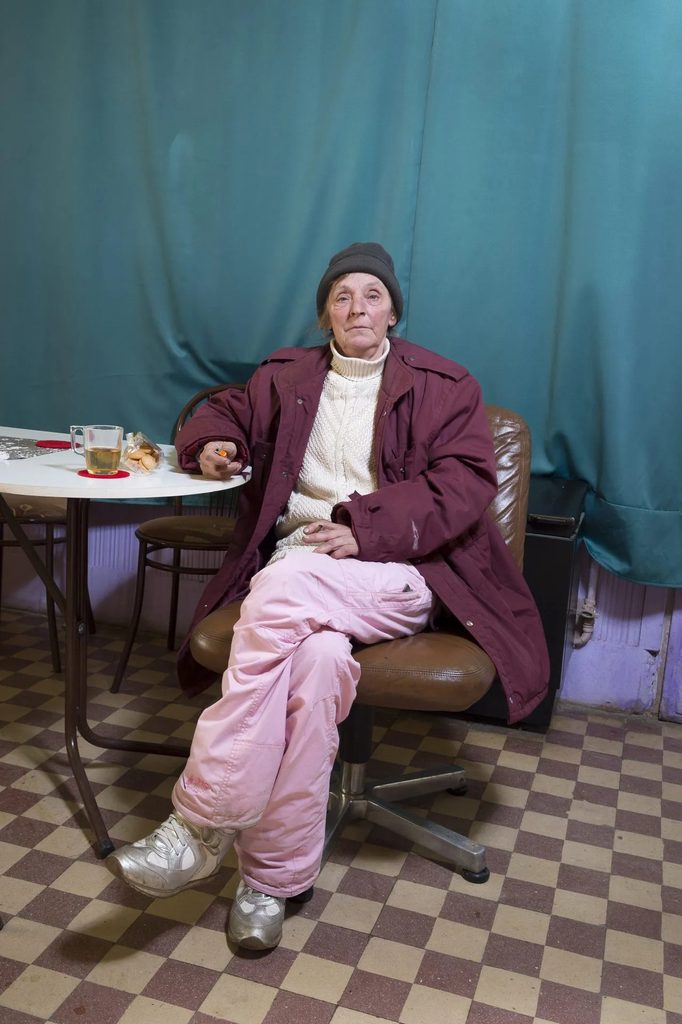
In the pubs that were still open, I spoke with customers and owners to understand the role these places play in the everyday lives of their regulars. These encounters became an important part of the project. From what I observed, pubs are not primarily places of entertainment. For many people, they are among the last remaining places in their village where they can maintain social connections, and often offer some relief from loneliness.
Alongside the portraits, the objects and interiors of the pubs are also an important part of the series. Furniture from different decades, decorations and improvised solutions create a distinctive visual environment. To me, this DIY aesthetic reflects both limited resources and creativity. The often humorous or absurd details reveal the same contrast that runs through my childhood memories.
No Credit is not intended as a comprehensive survey of Hungarian pubs, but as a series shaped by my personal perspective, reflecting both my connection to rural life and the distance I have gradually developed from it. I plan to complete the project as a photobook. Rather than organising the images geographically or chronologically, I arrange them into an associative narrative, in which photographs taken in different villages gradually come together to form a single imaginary pub.
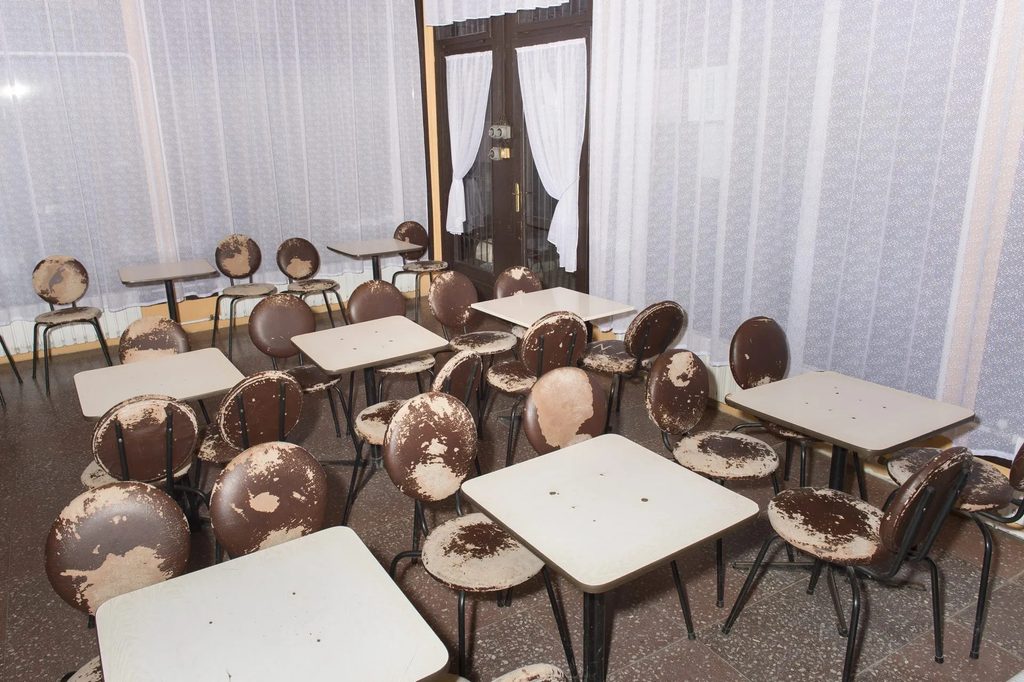
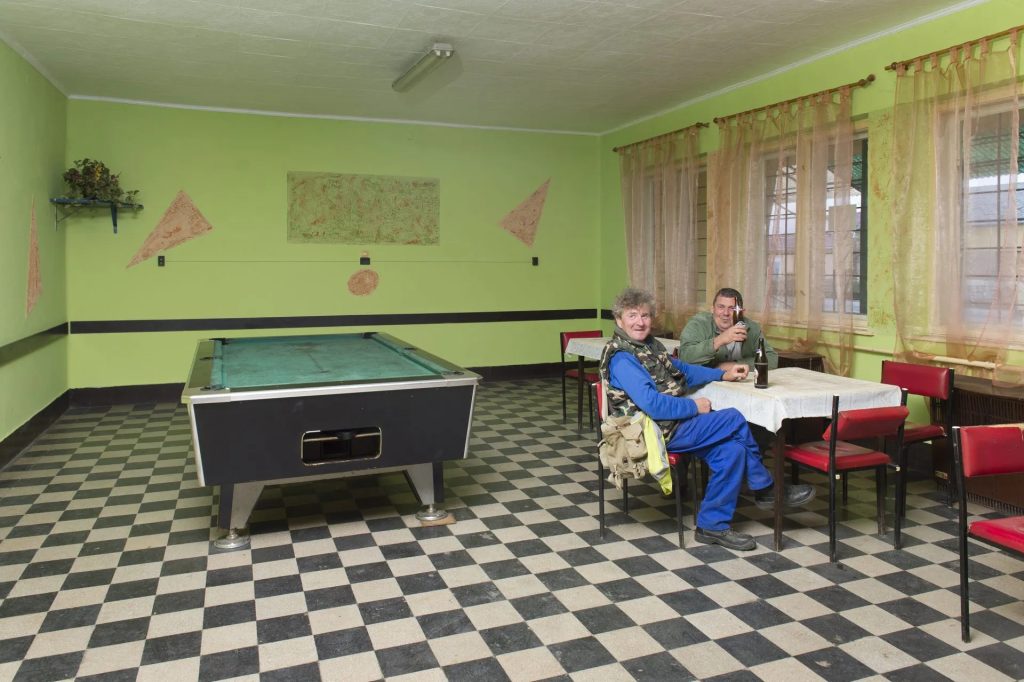
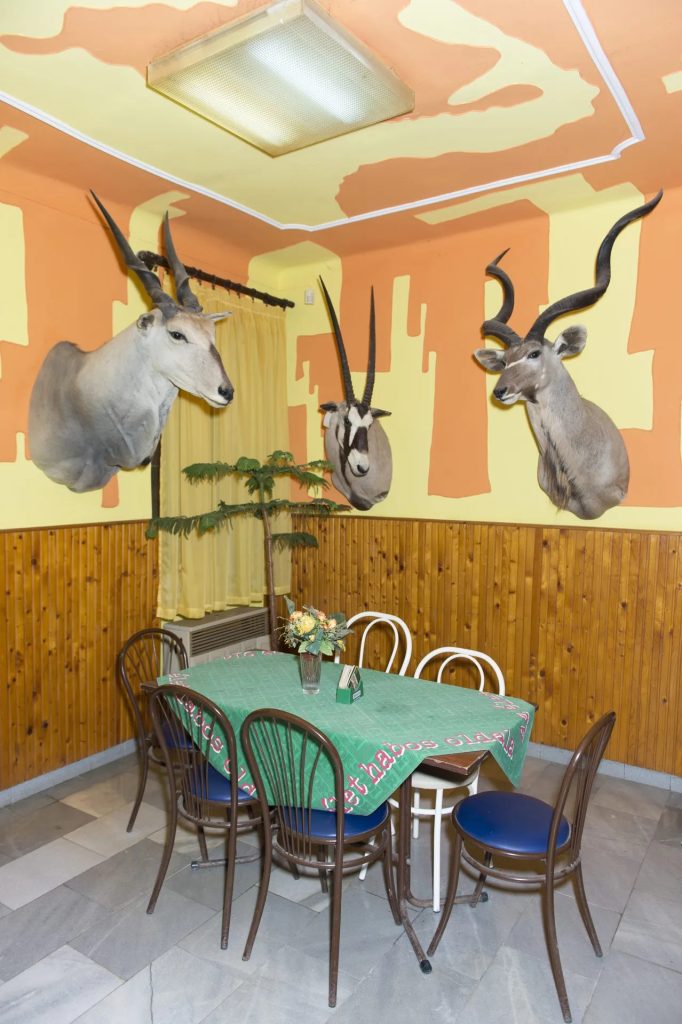
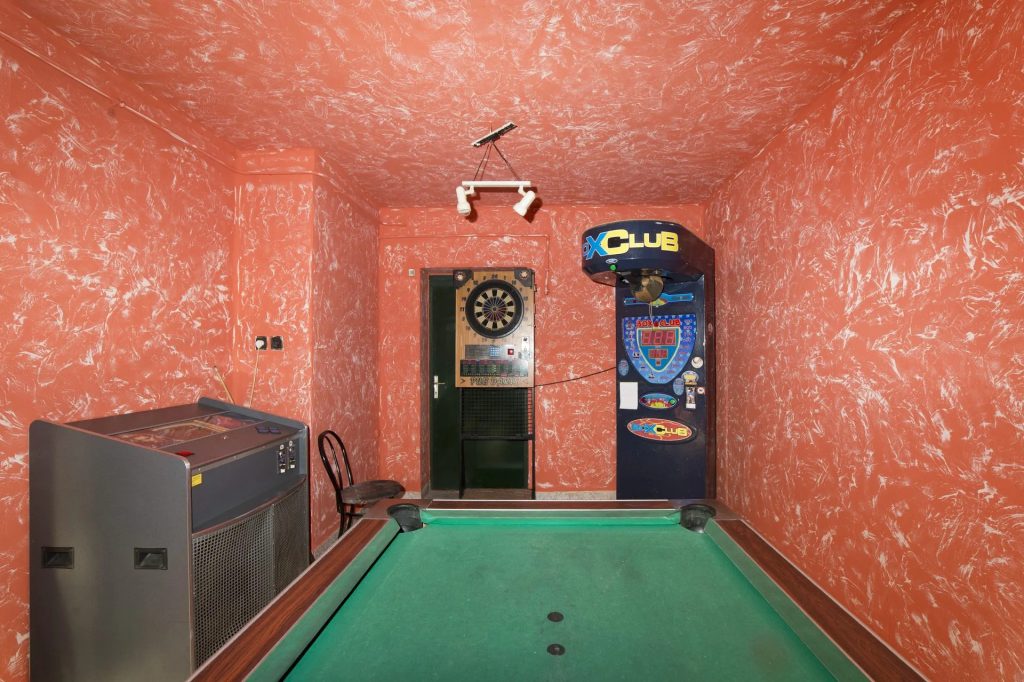
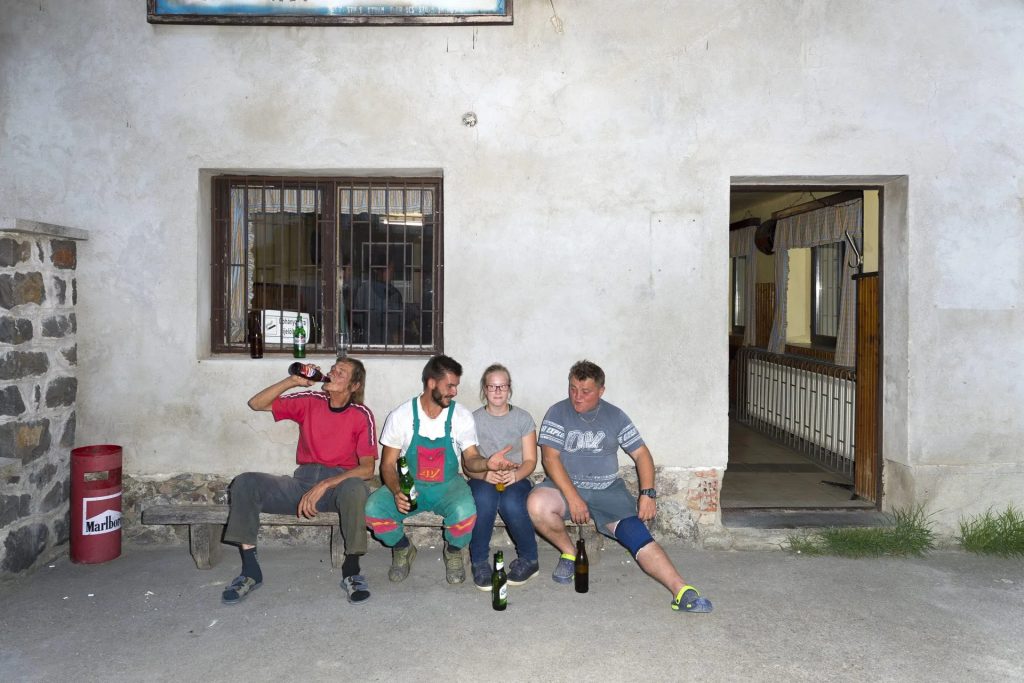
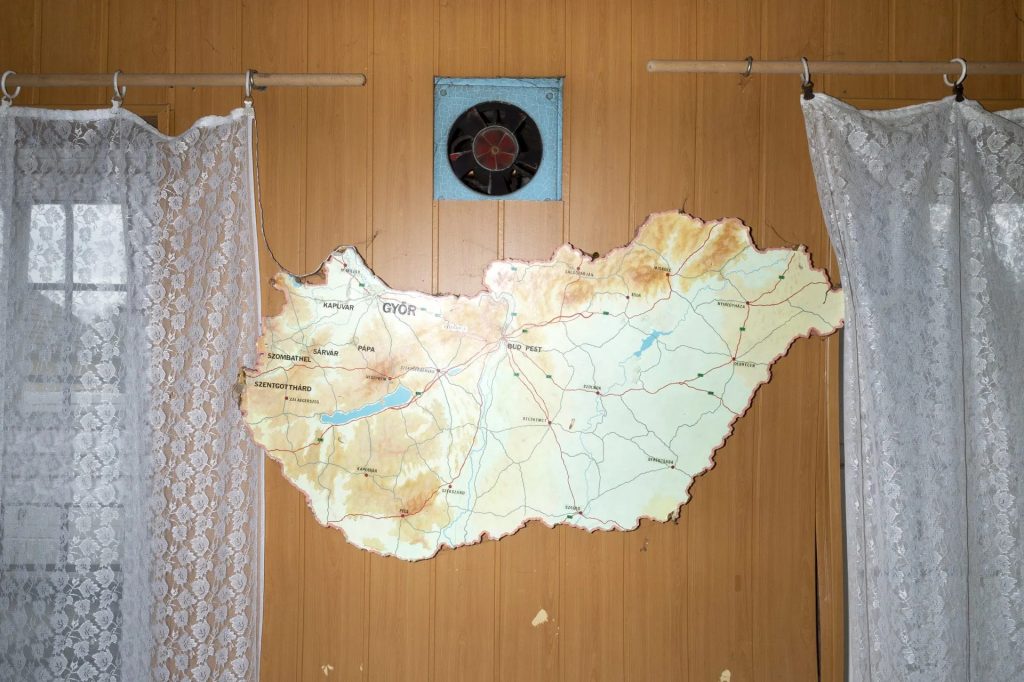
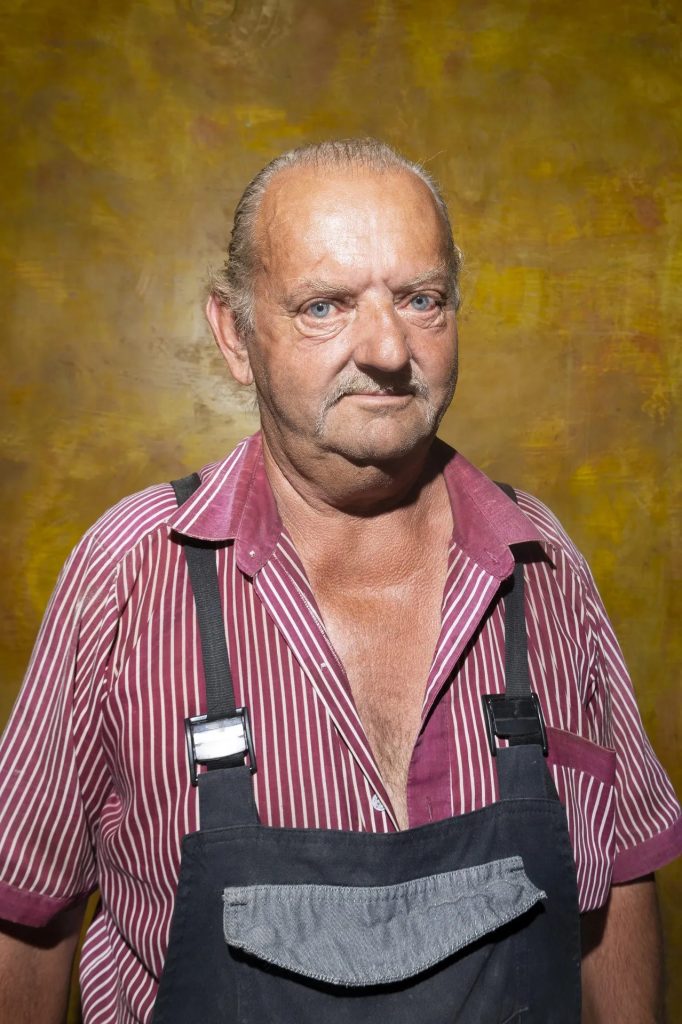
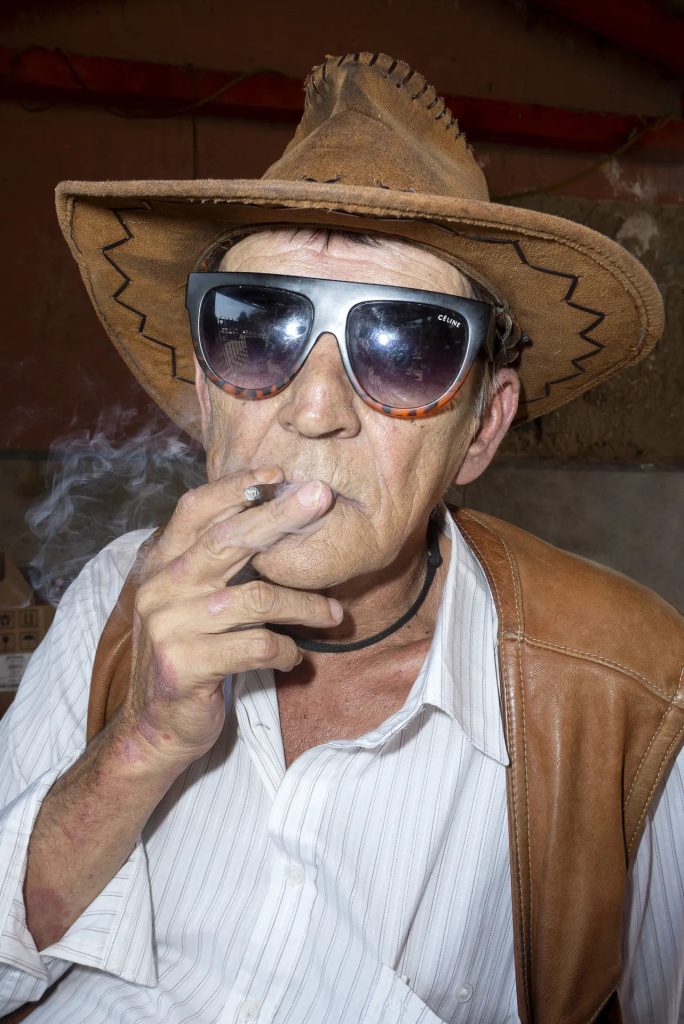
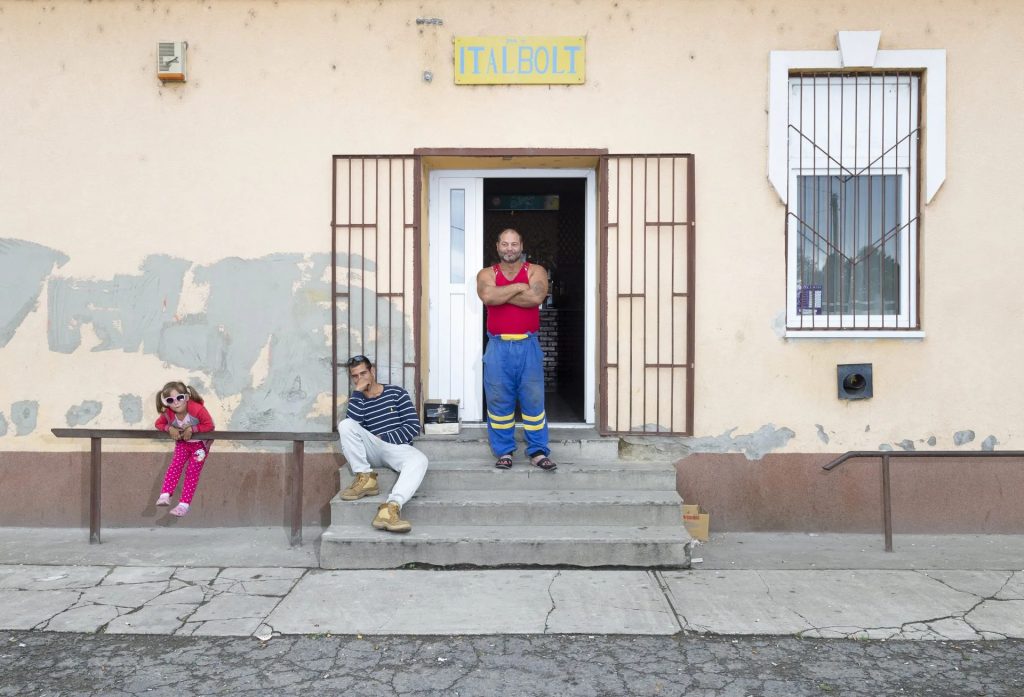
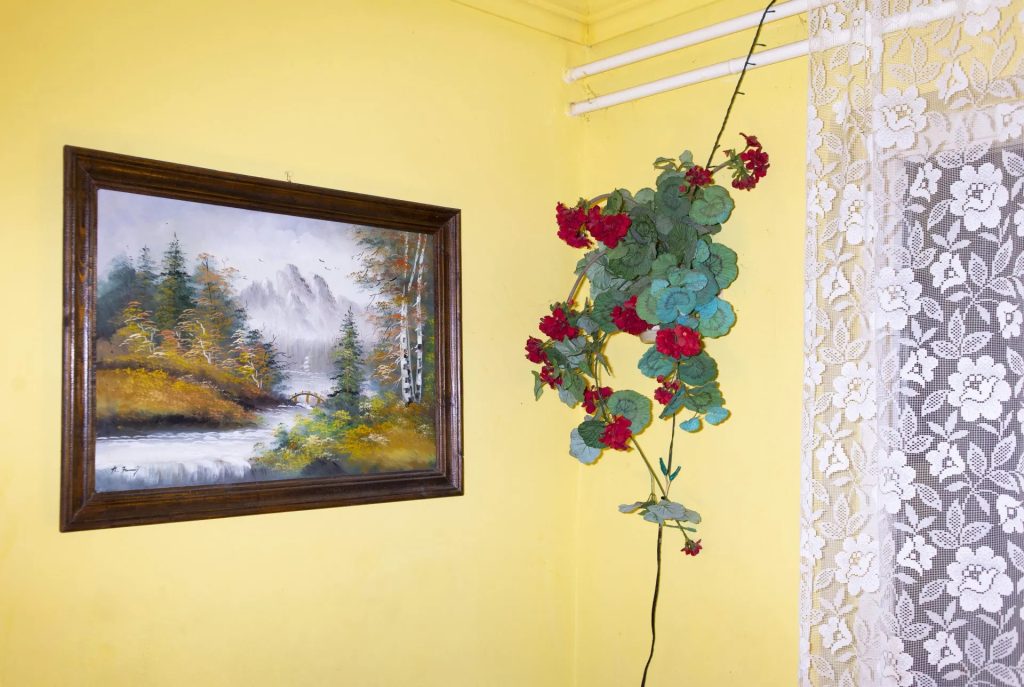
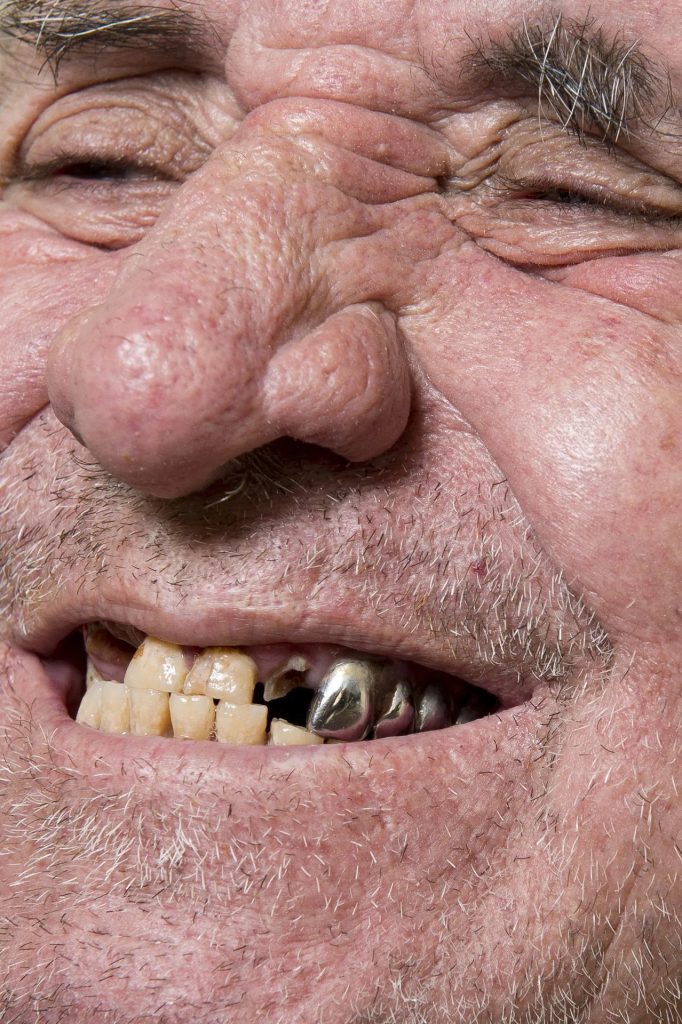
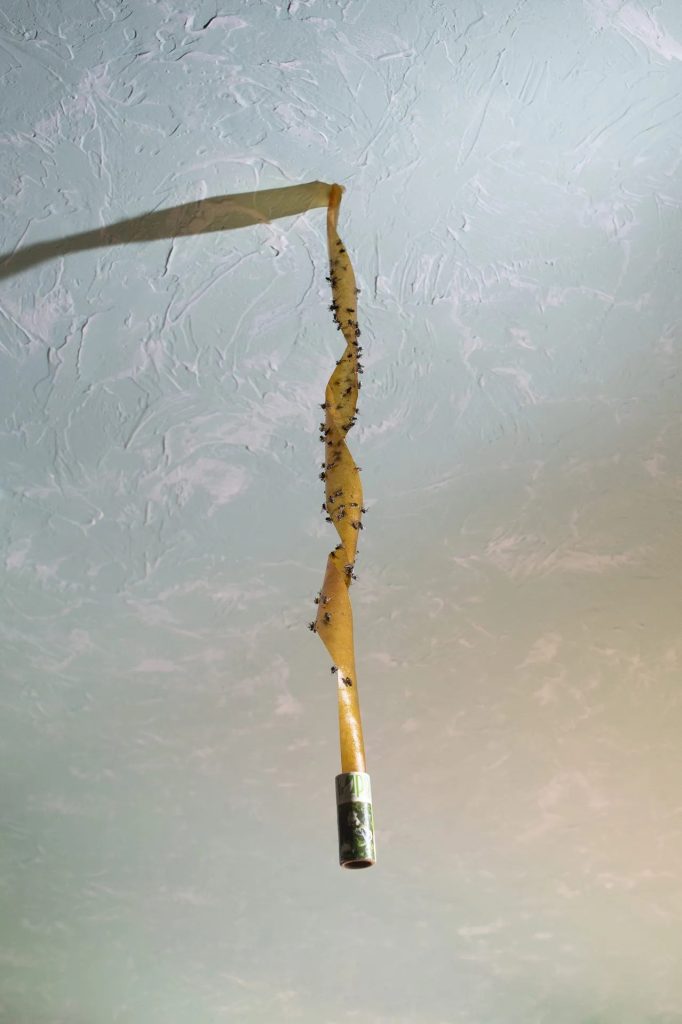
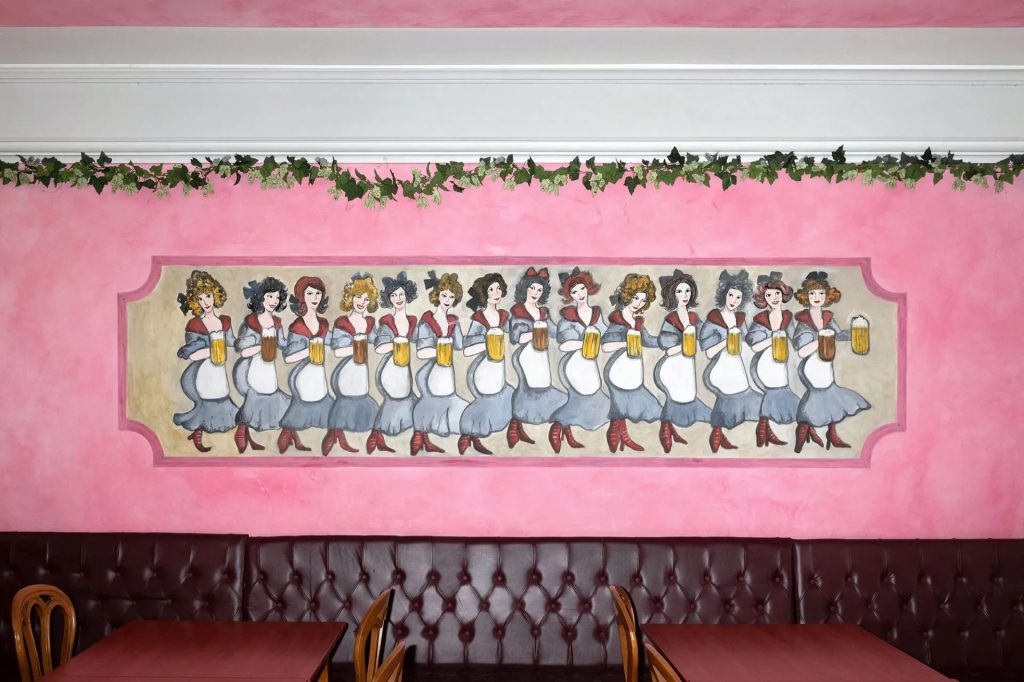
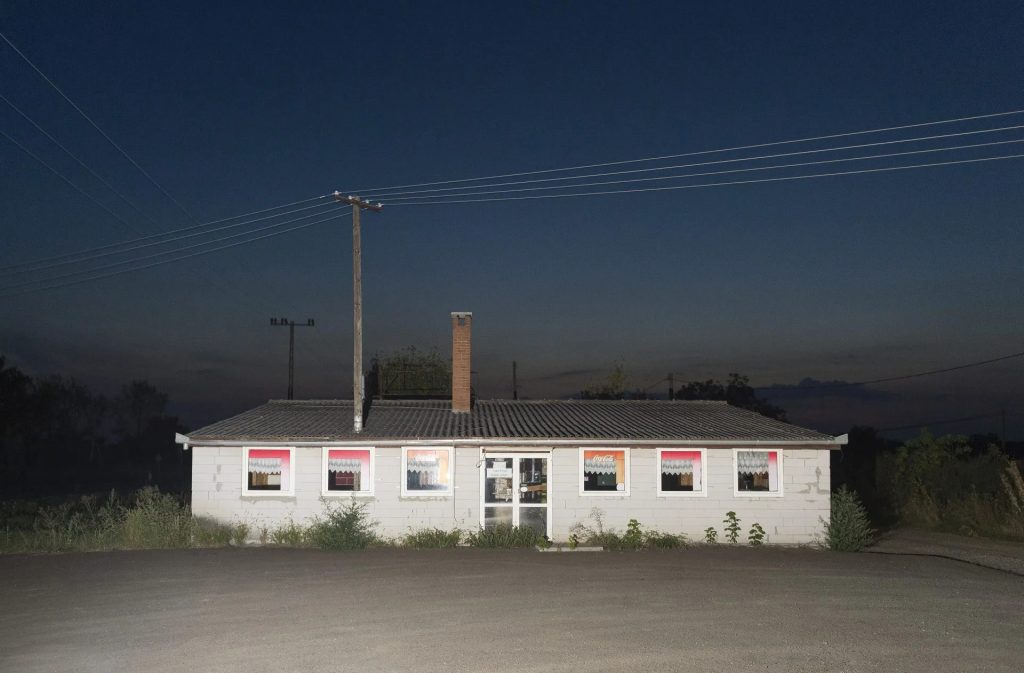
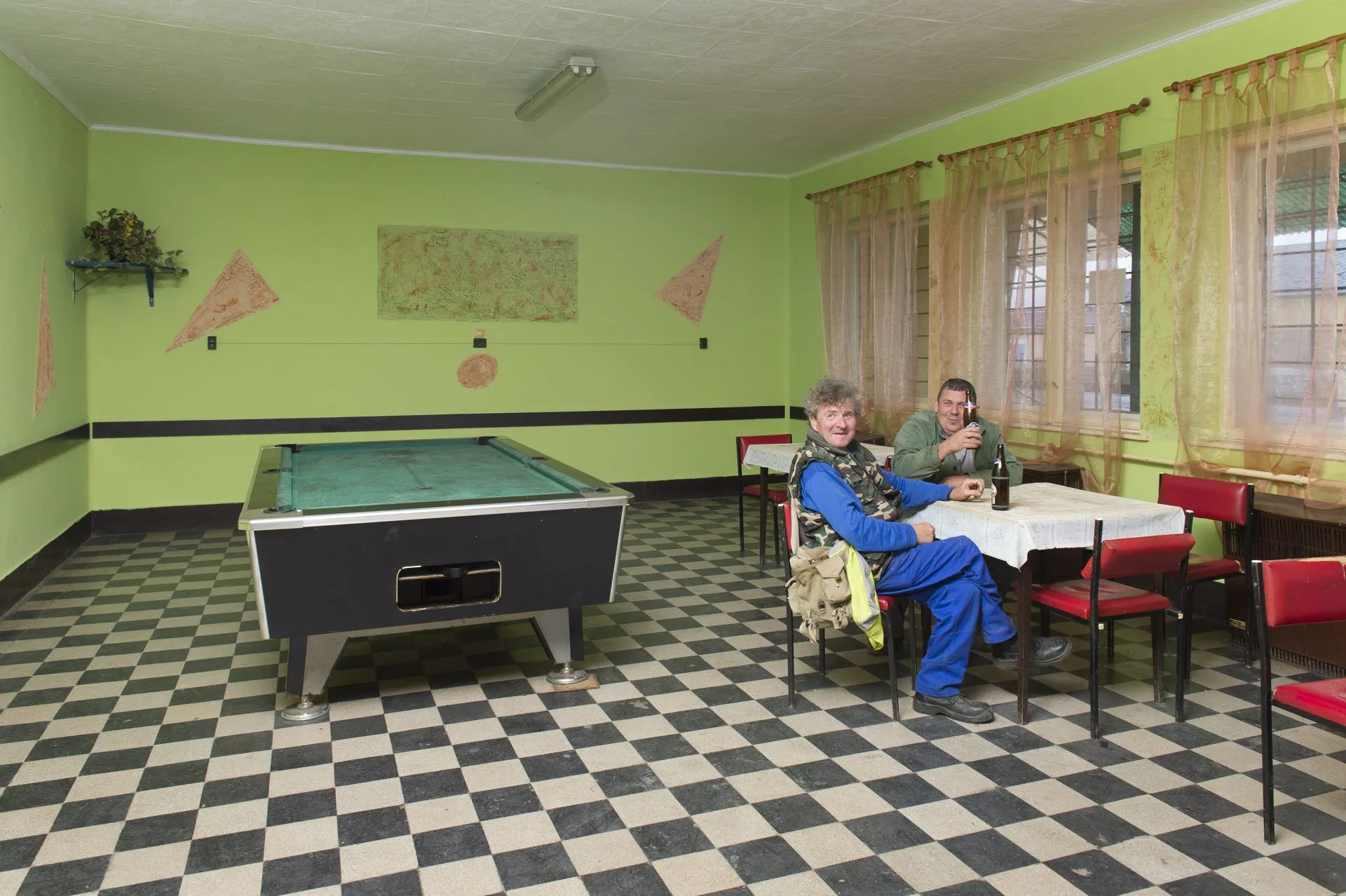
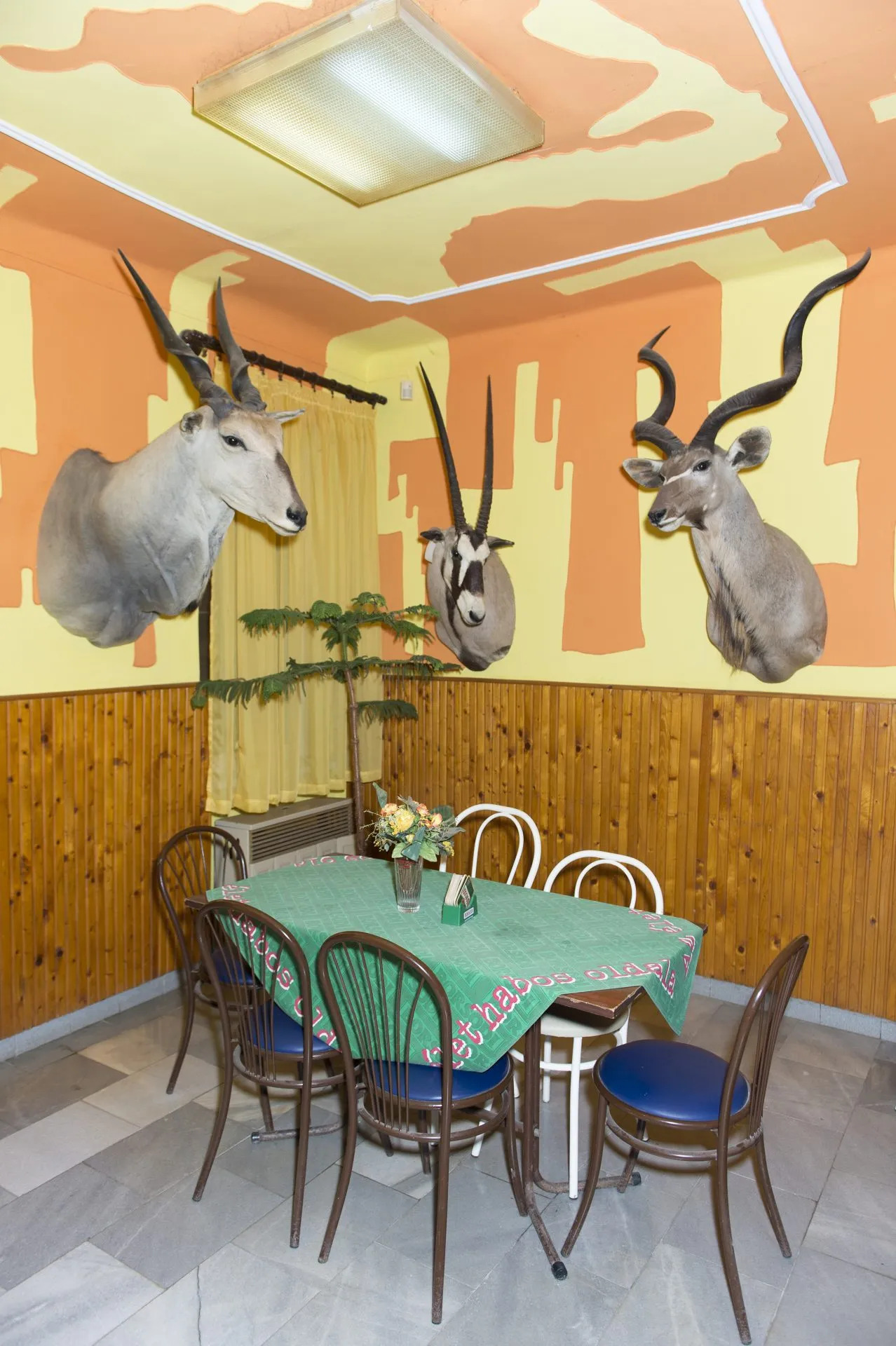
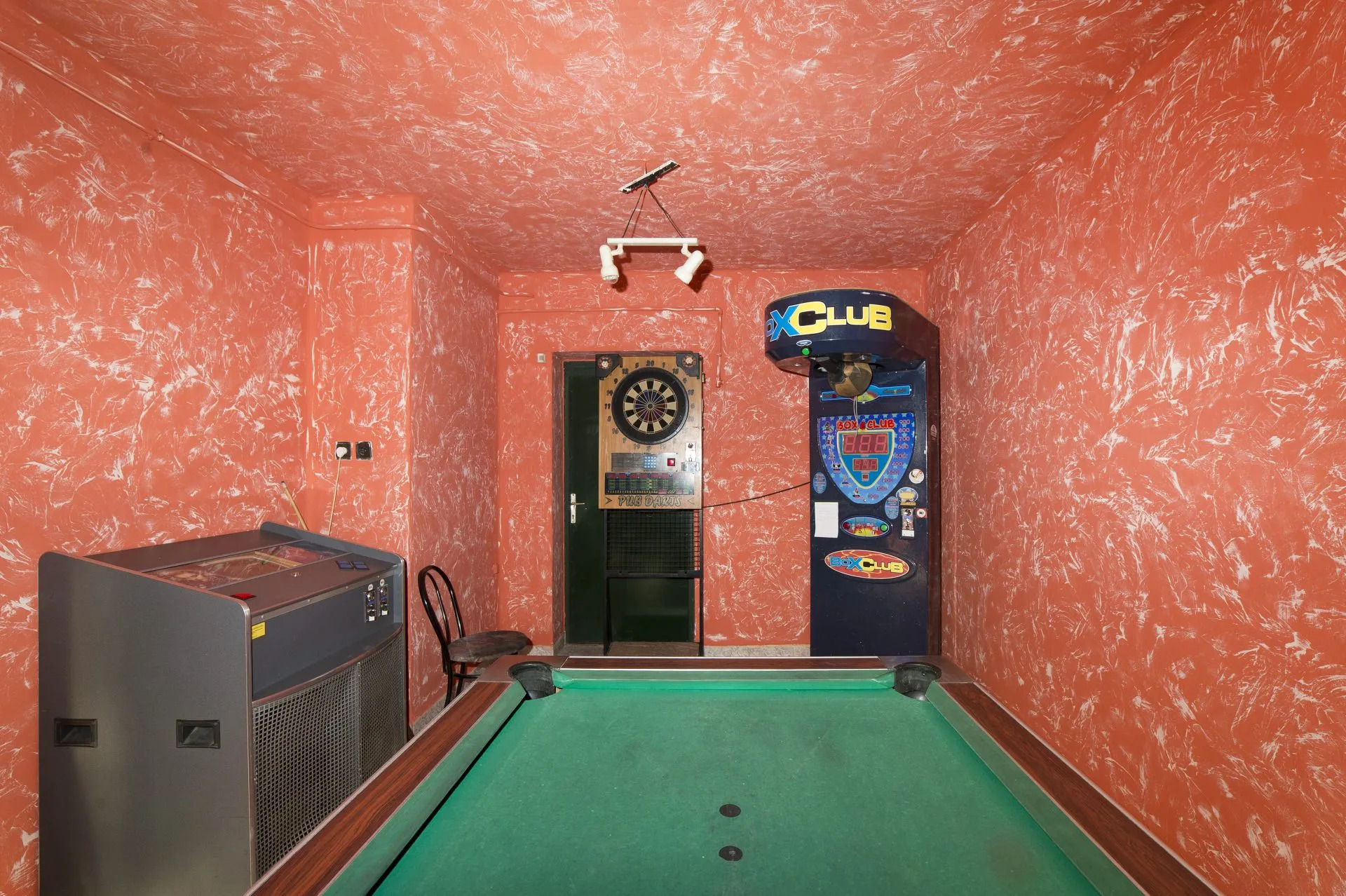
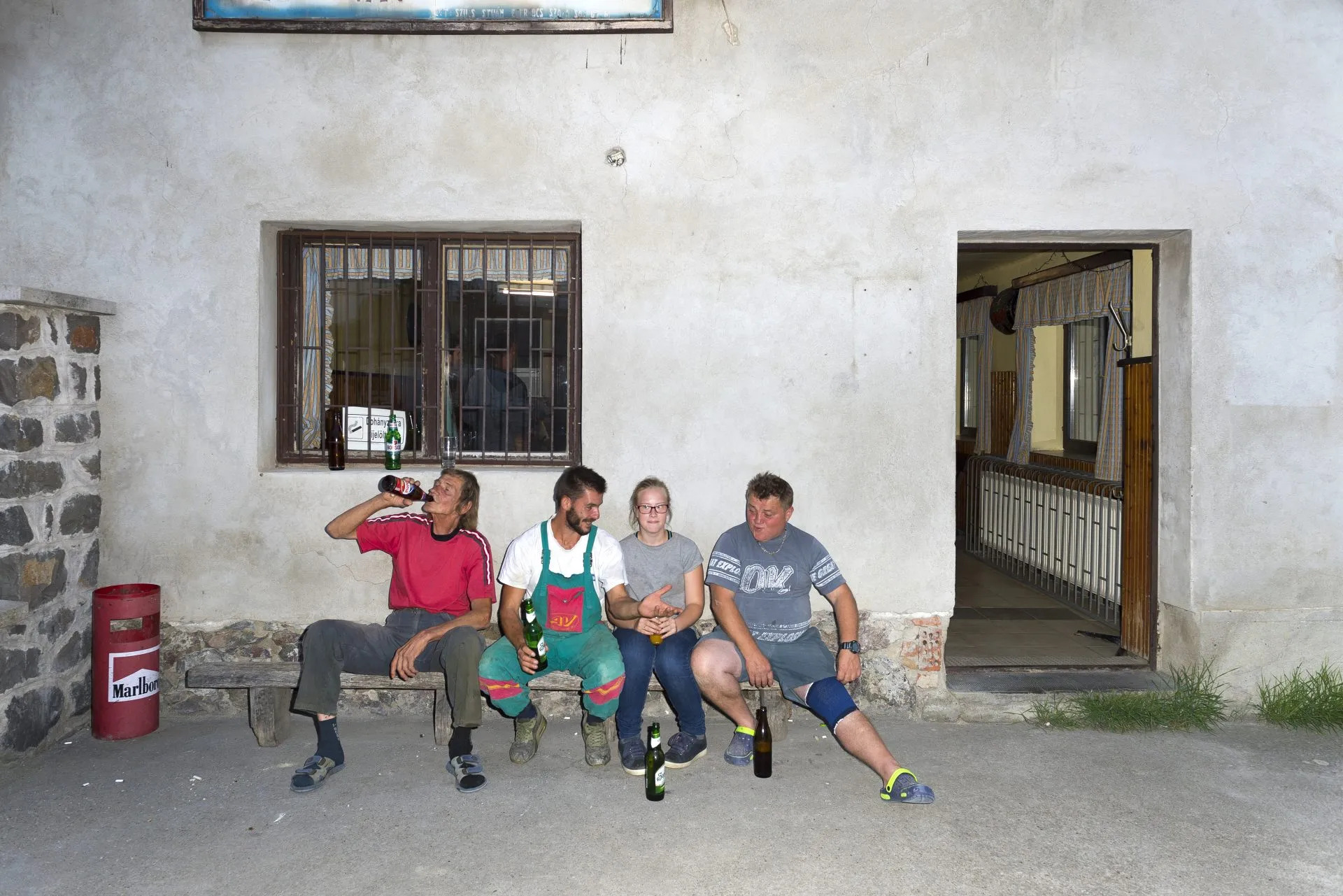
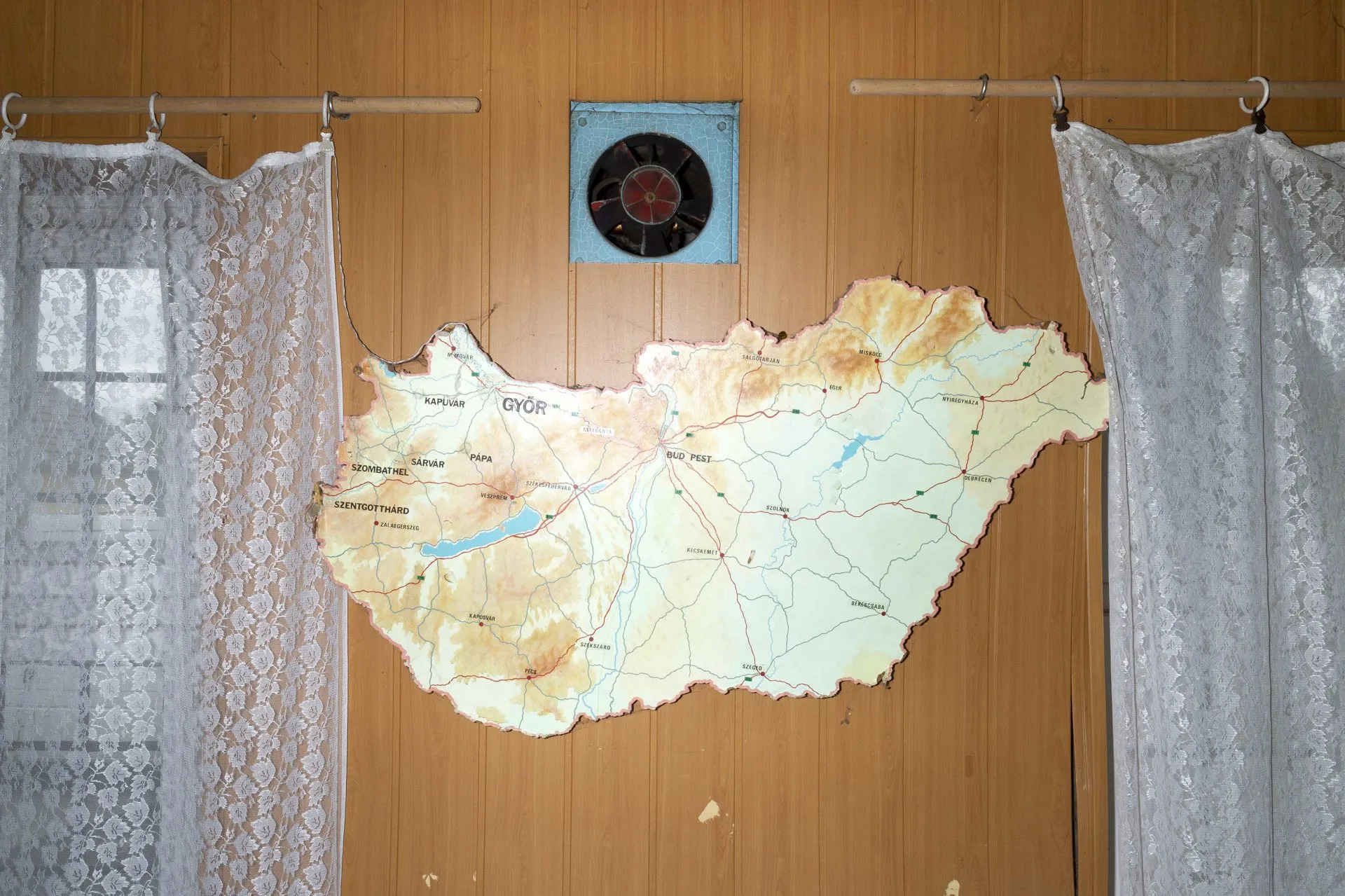
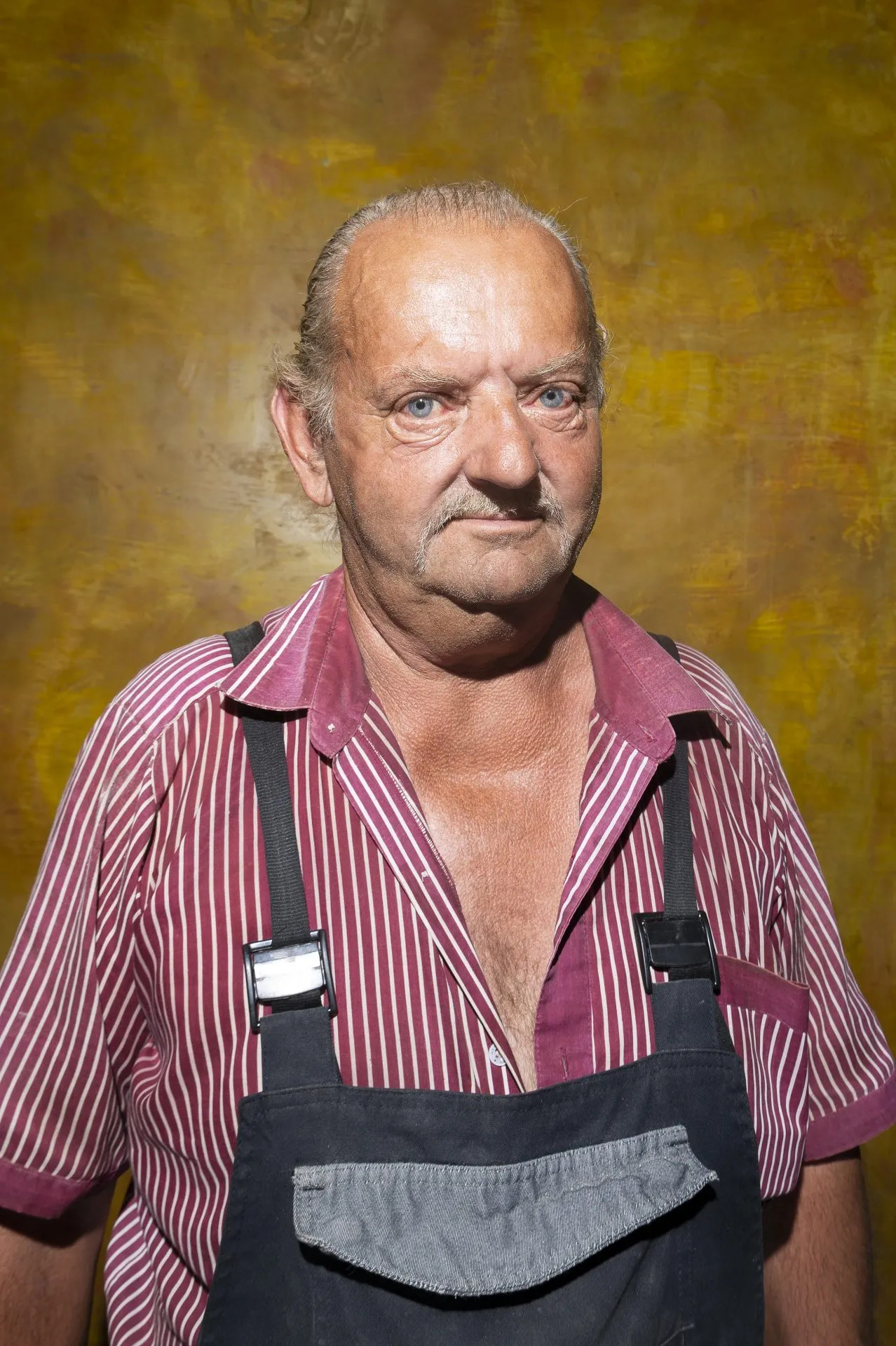
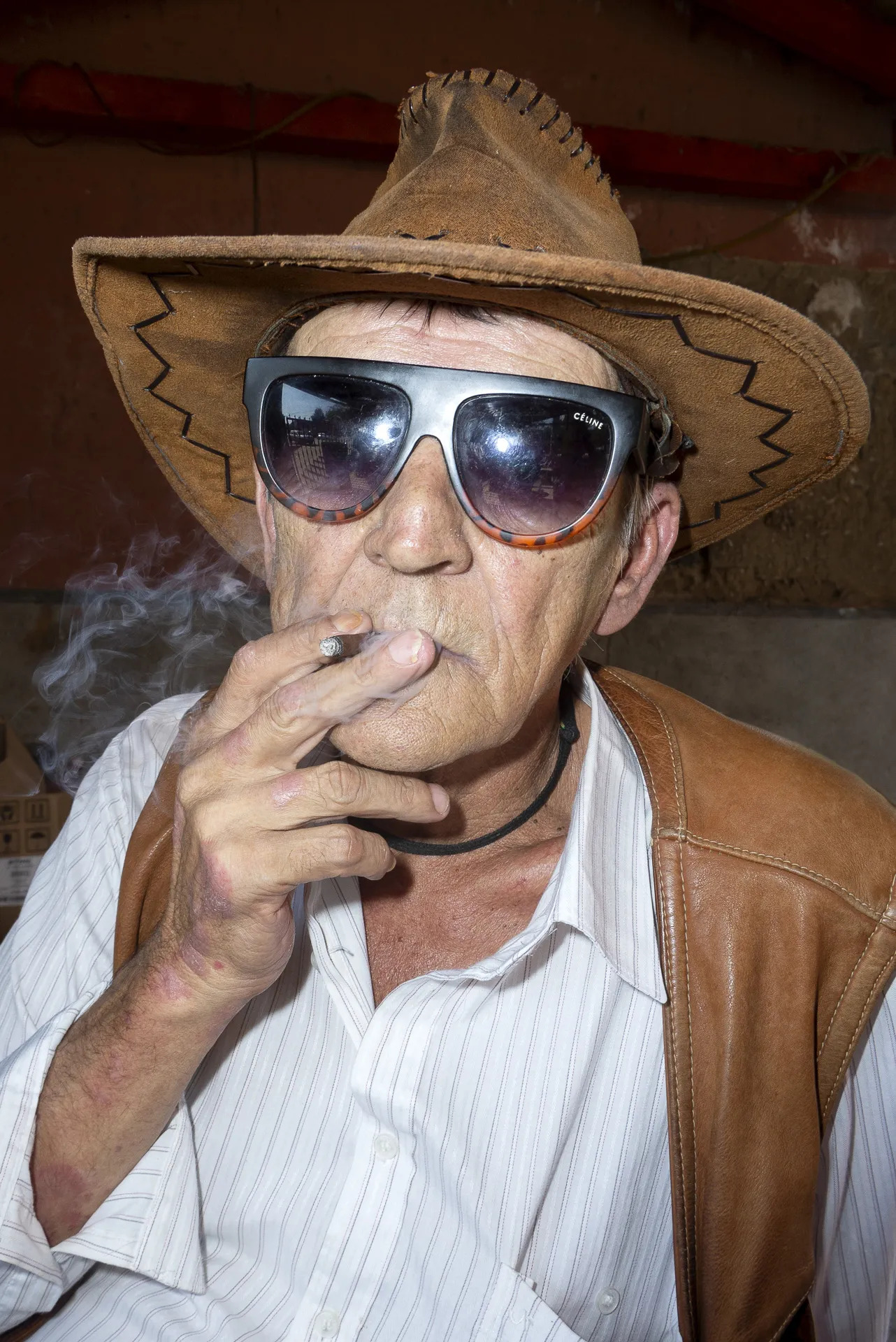
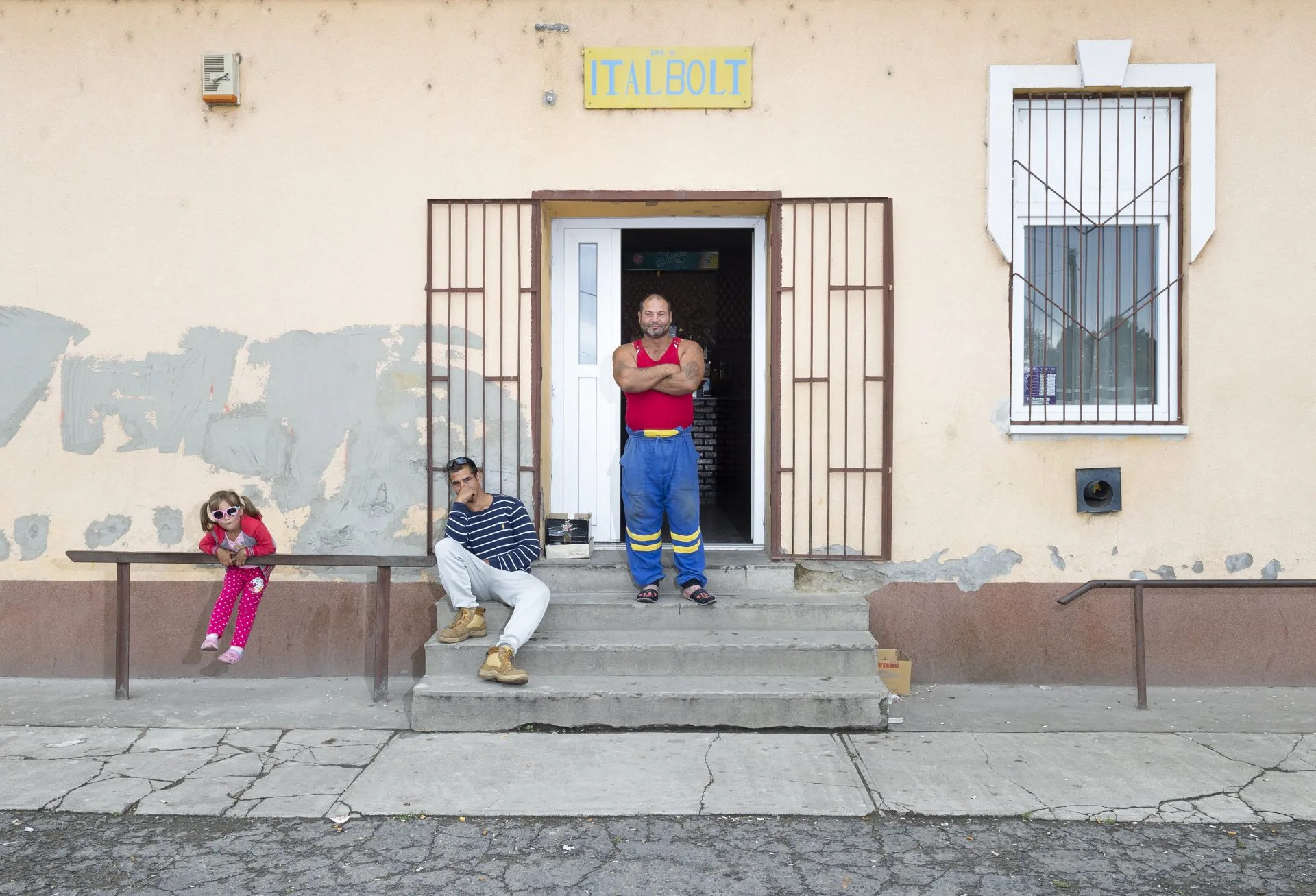
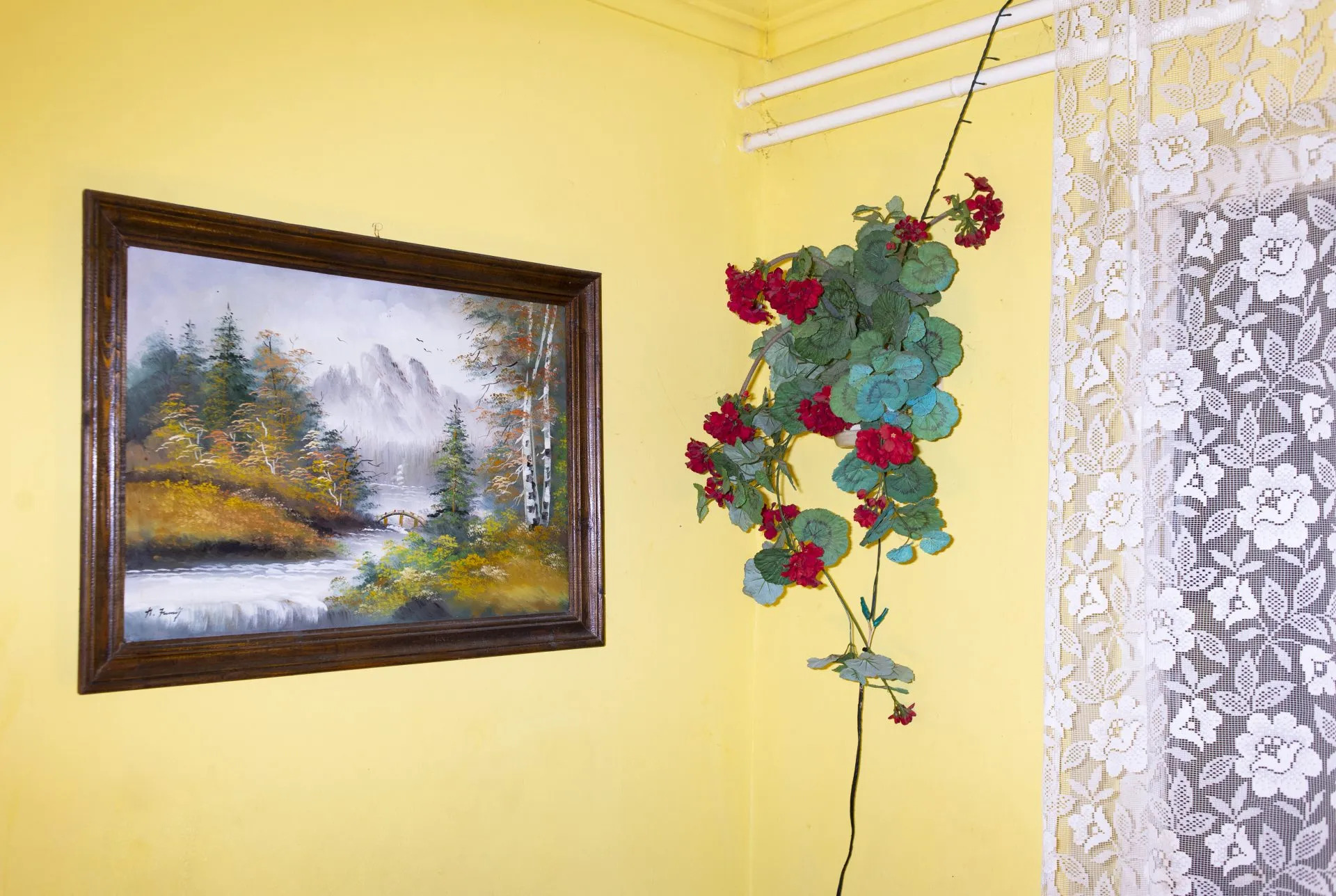
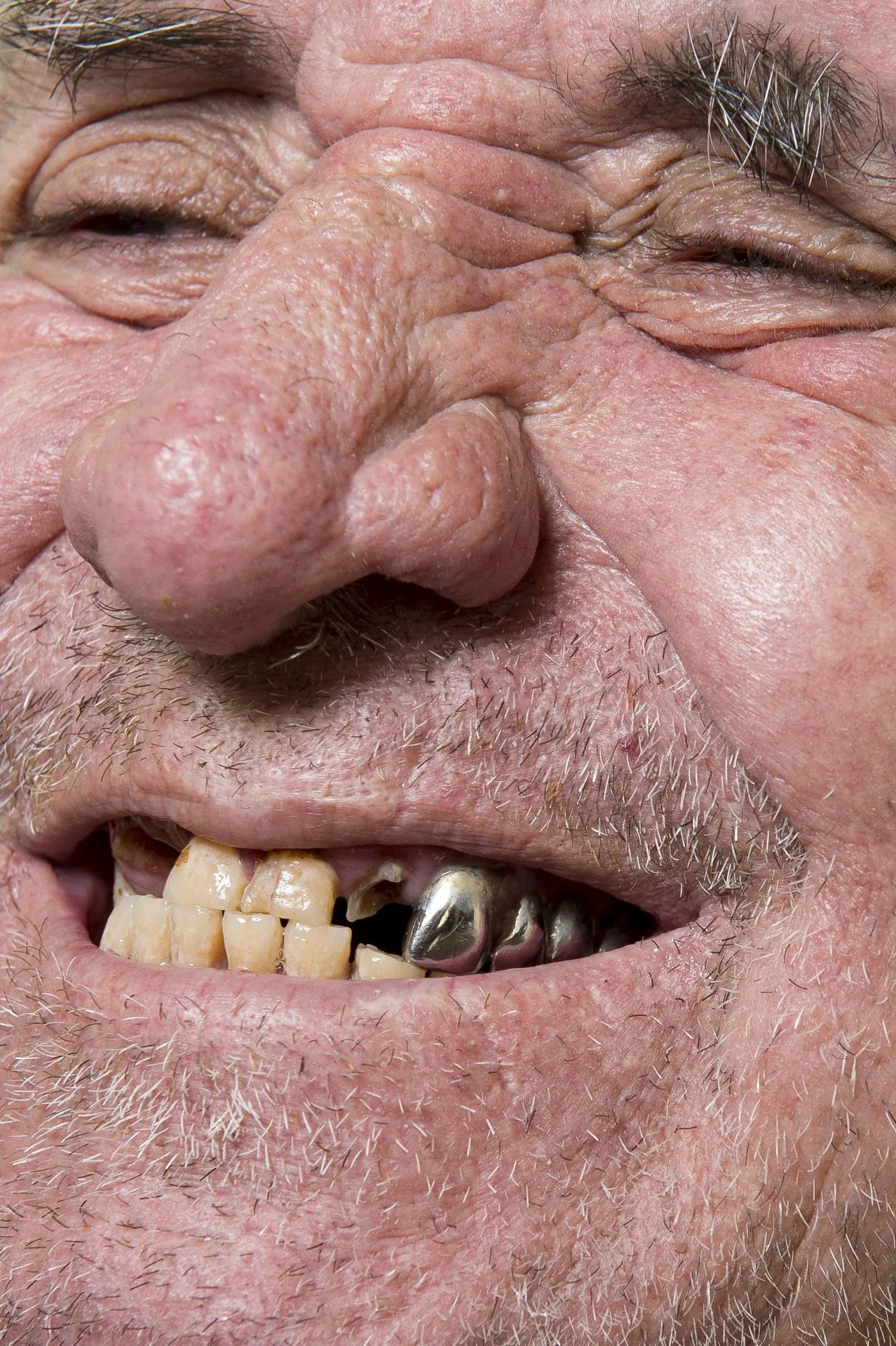
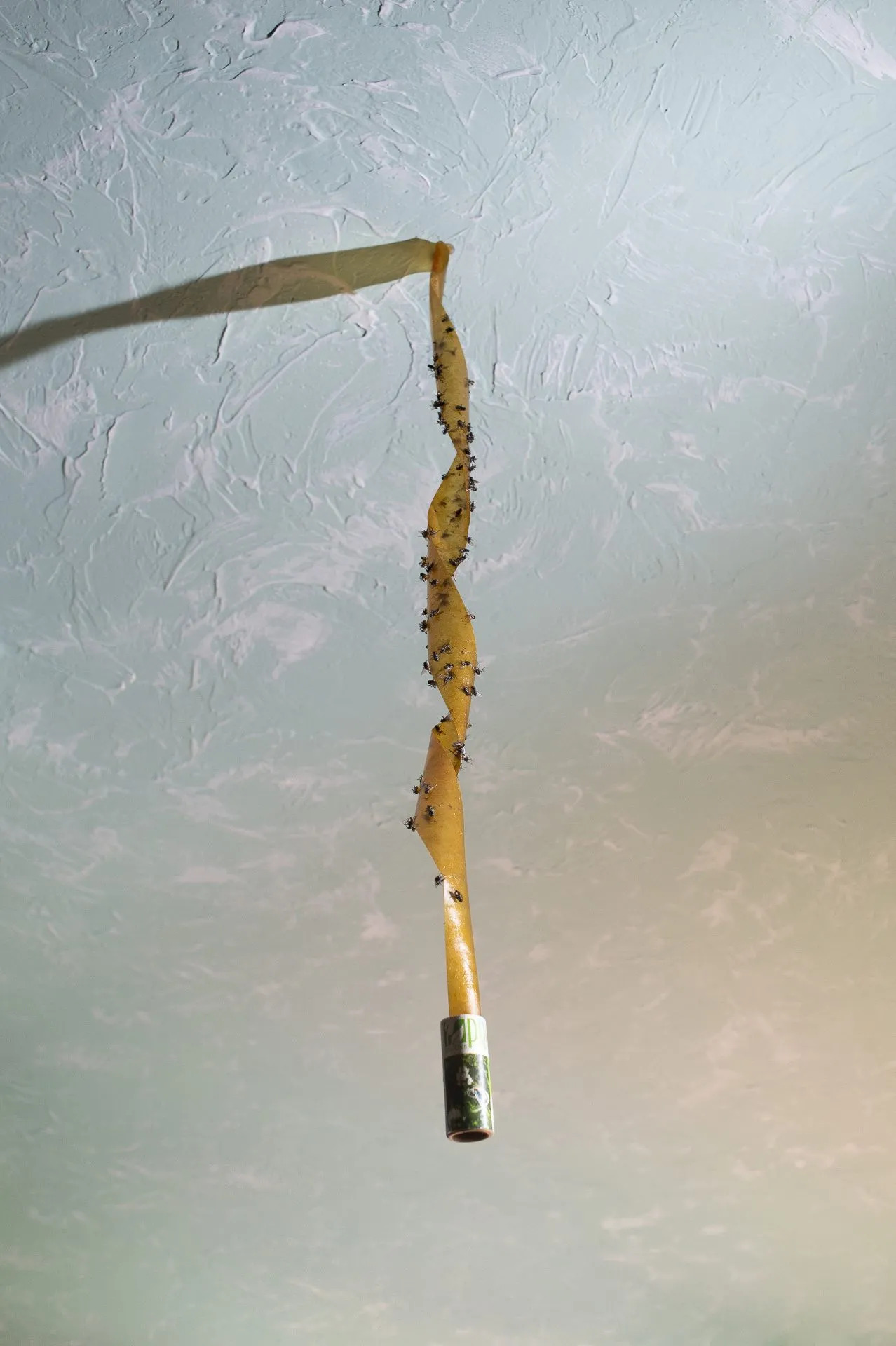
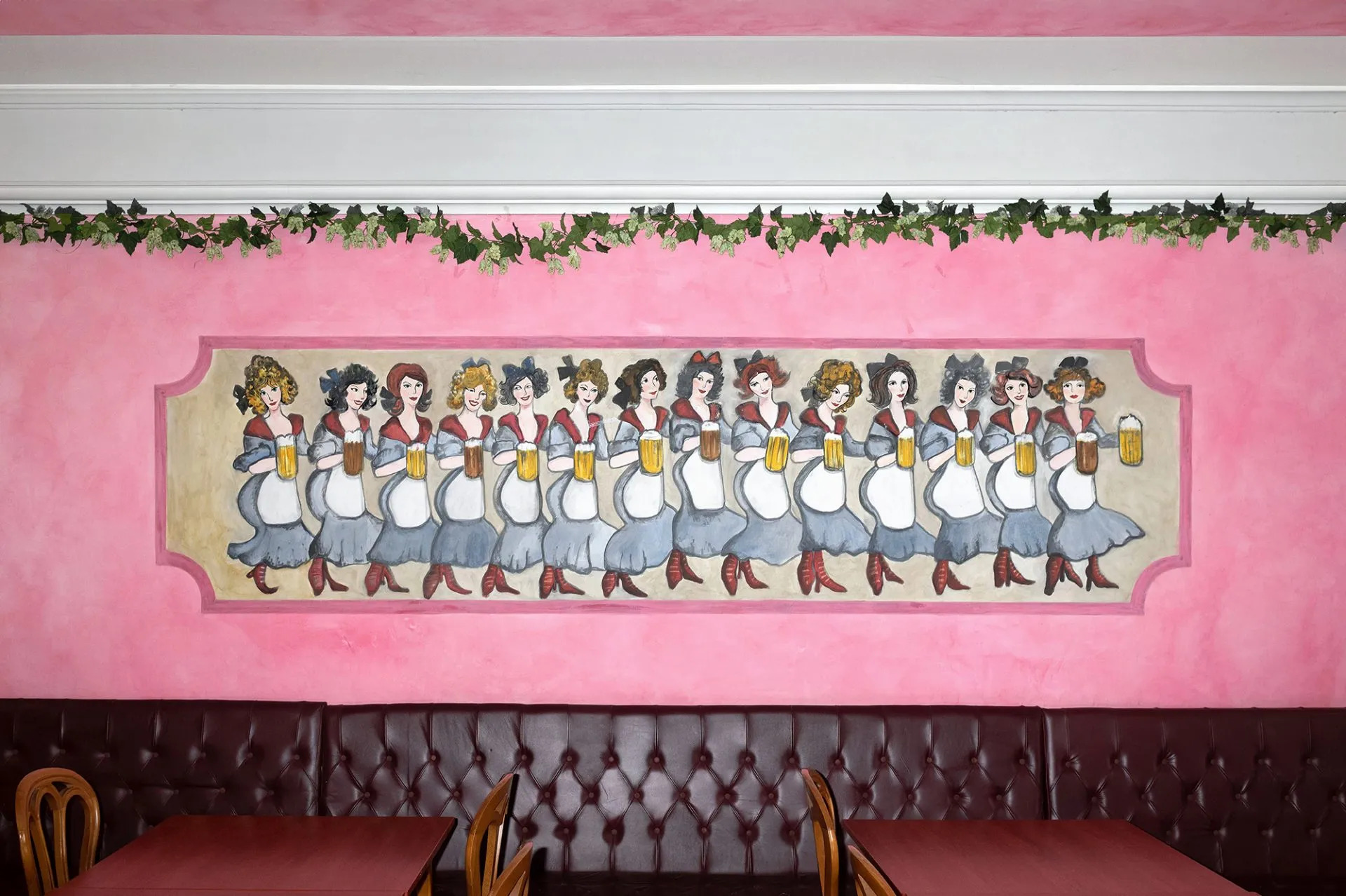
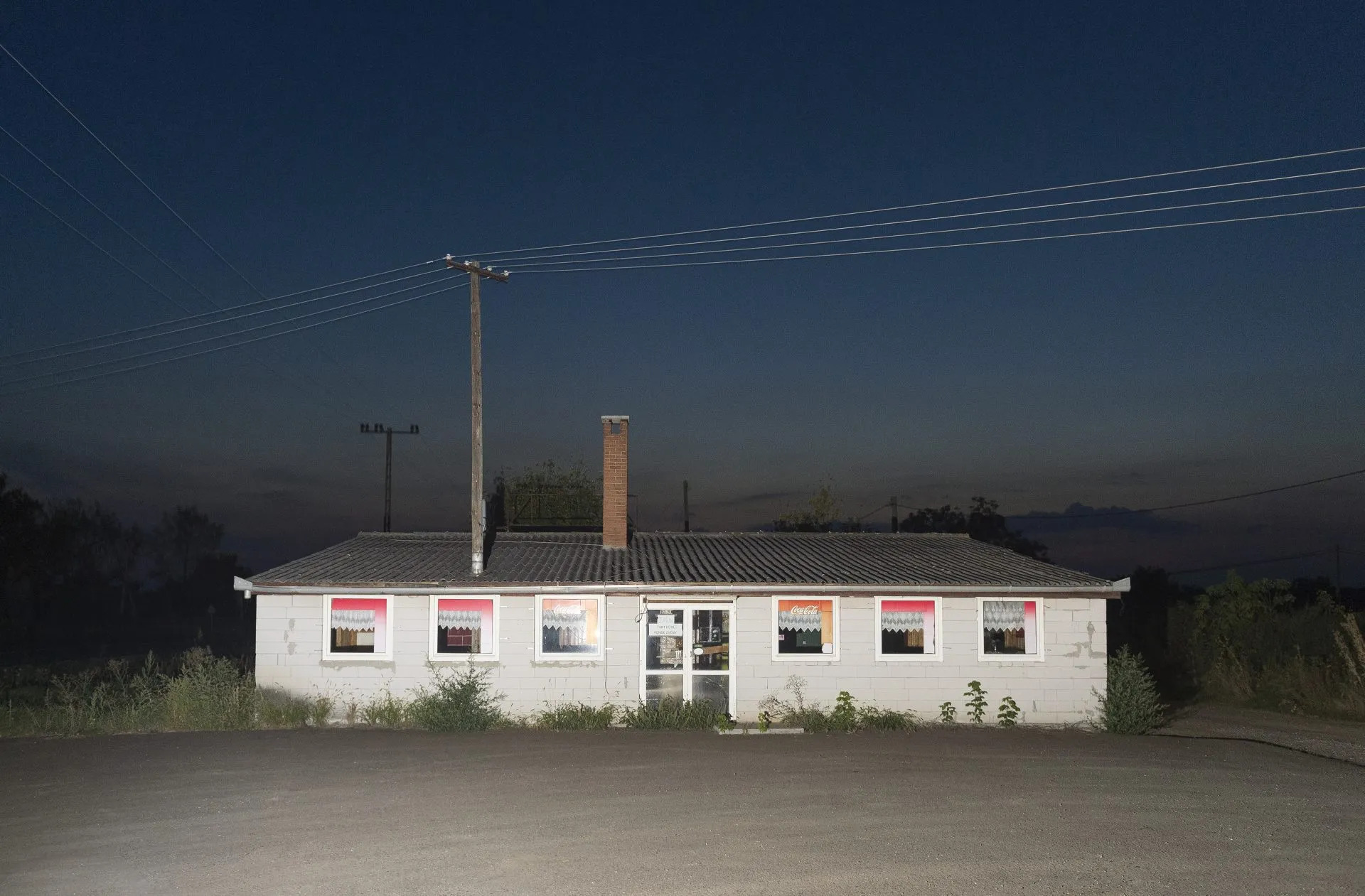
Photos: Zsófia Sivák: No Credit, from the series © Zsófia Sivák
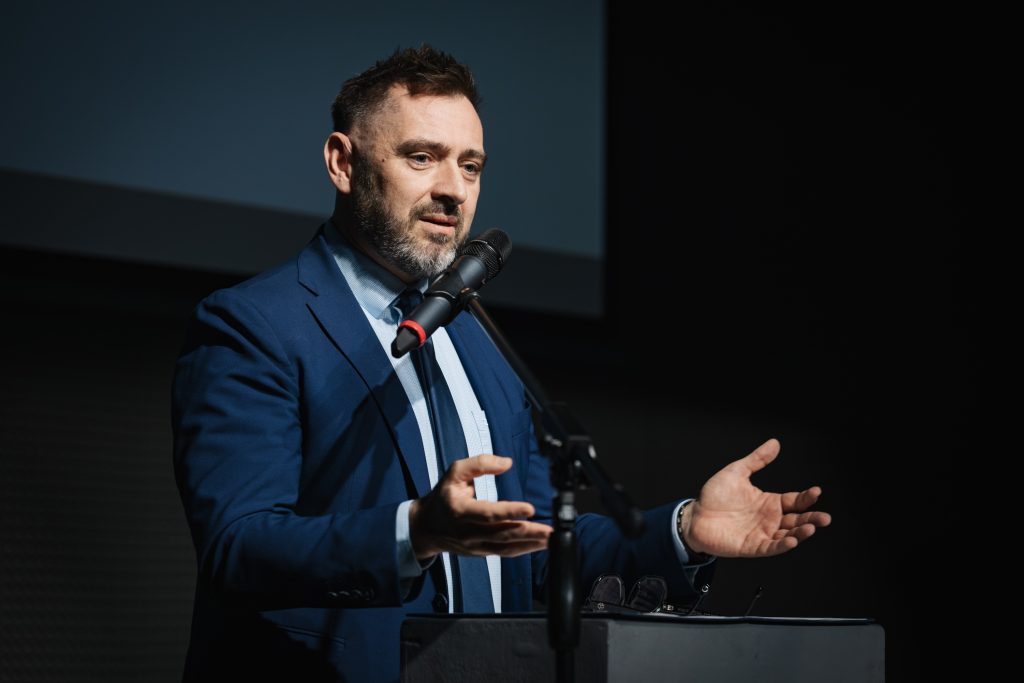
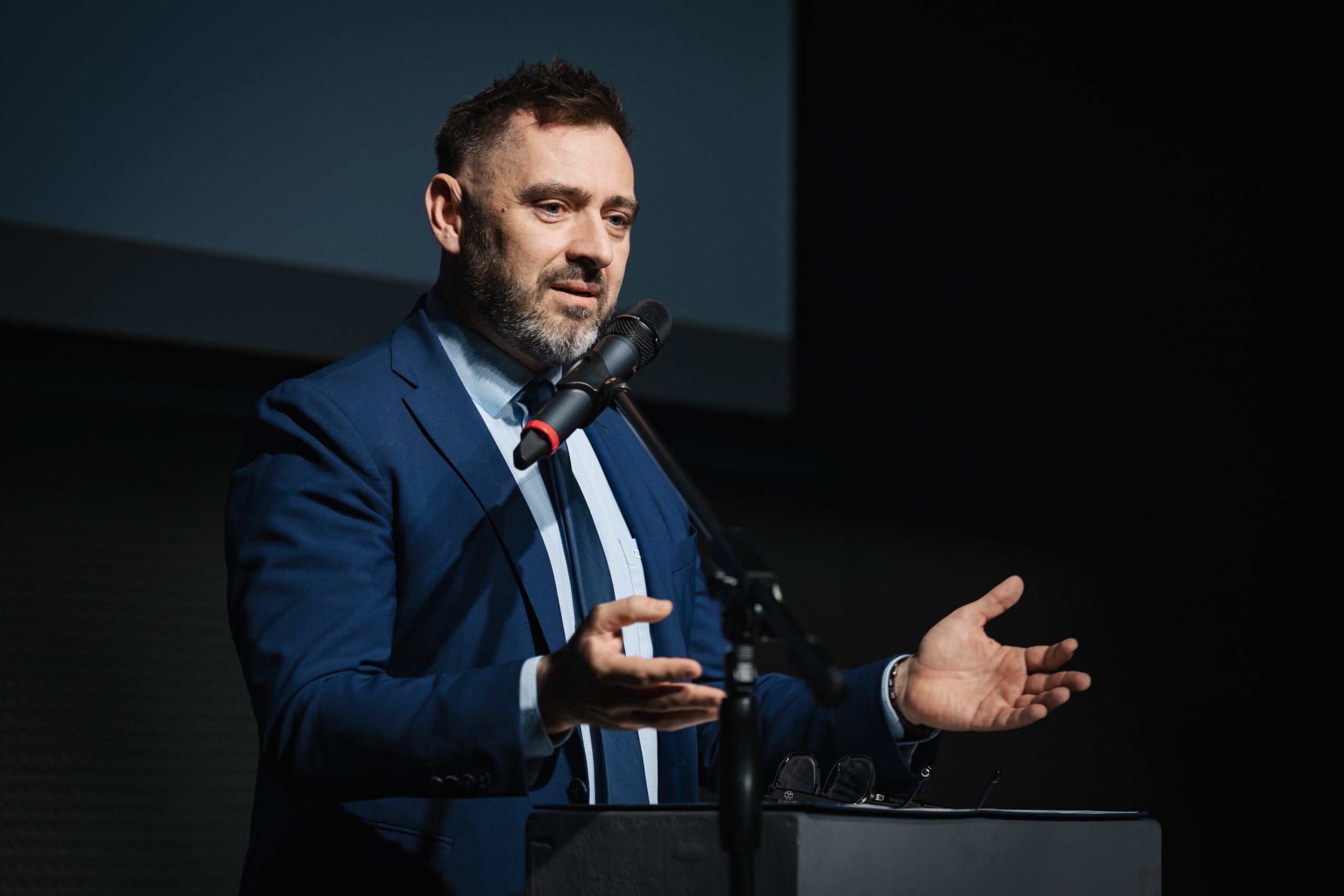
WELCOME ADDRESS
Documentary photography demands time, attentiveness and trust. What I value most in the work of these five finalists is that they have taken these demands seriously and, through the stories they have chosen to tell, have brought us closer to other people, other communities and other ways of life.
– Dr. Zsolt Sári
PRESENTATIONS AND AWARD CEREMONY
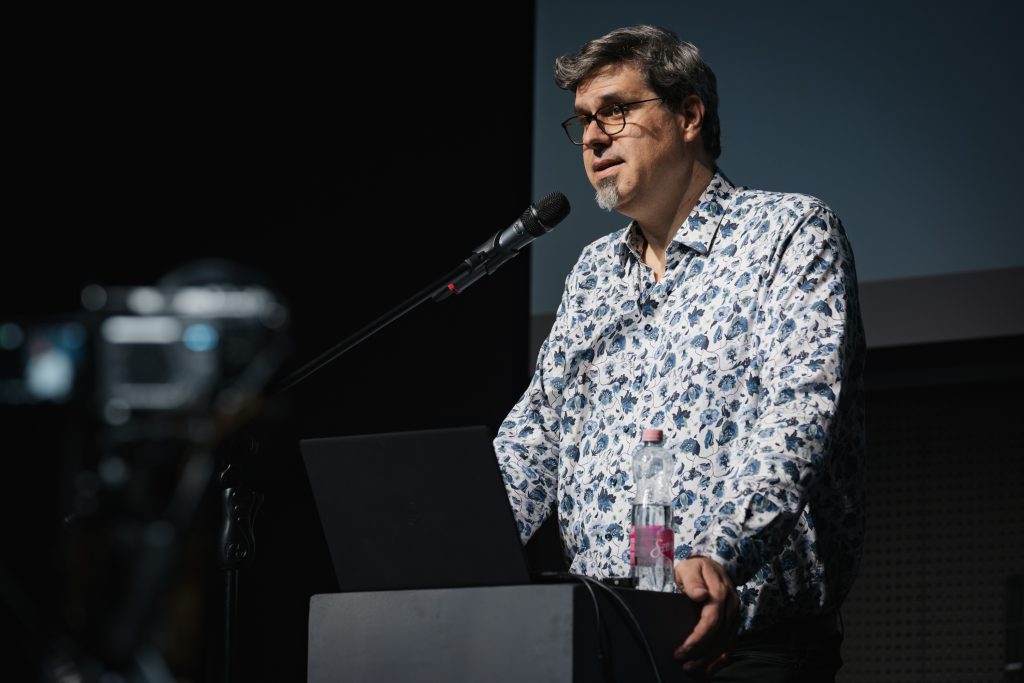
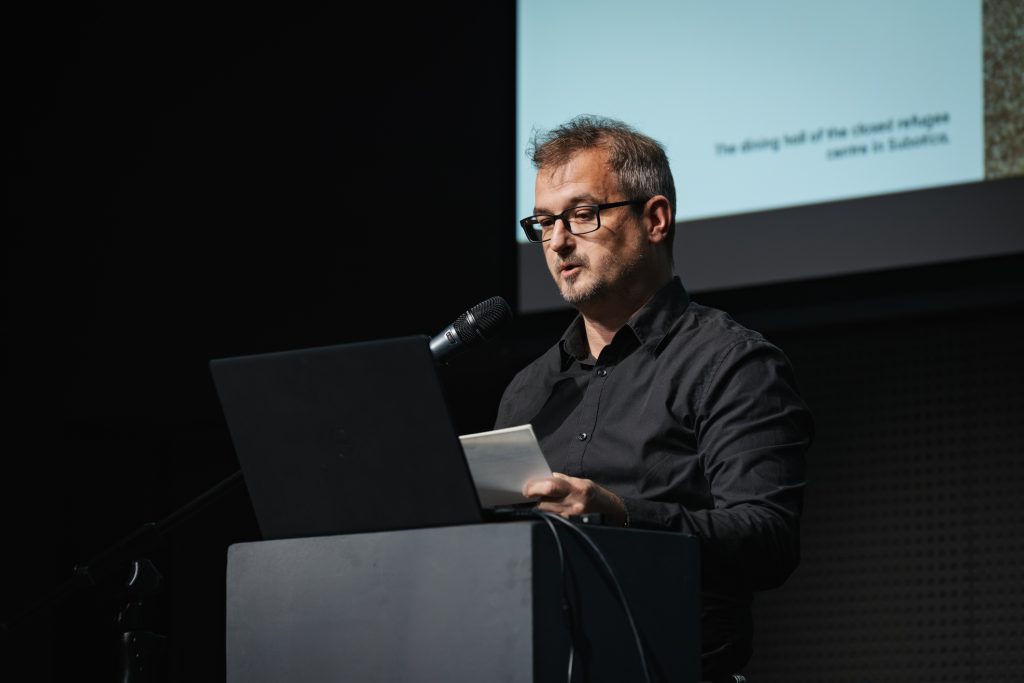
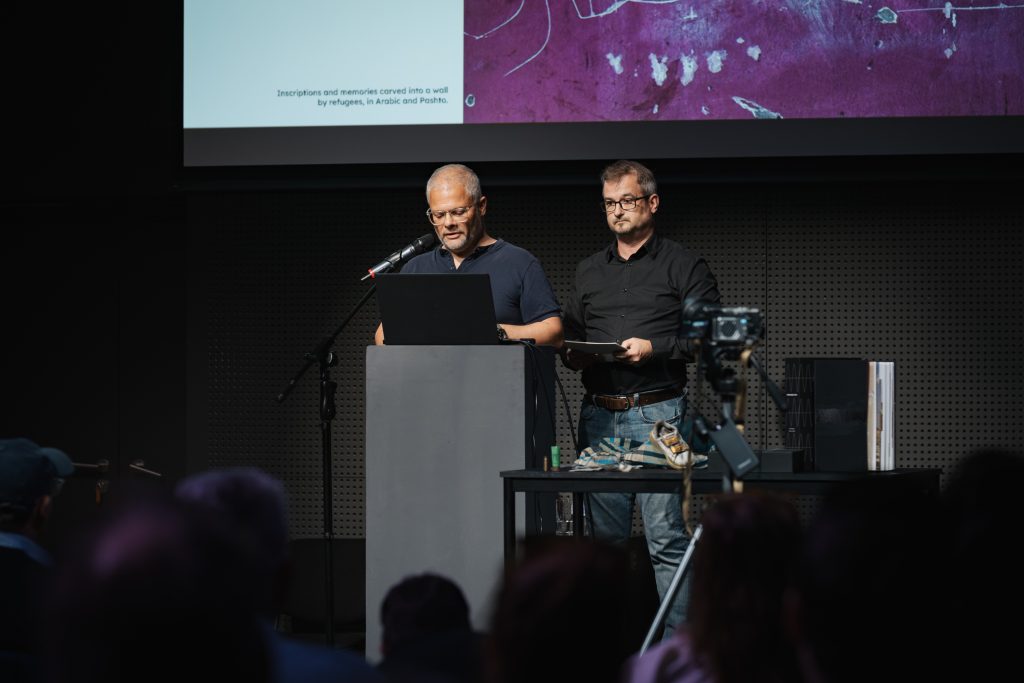
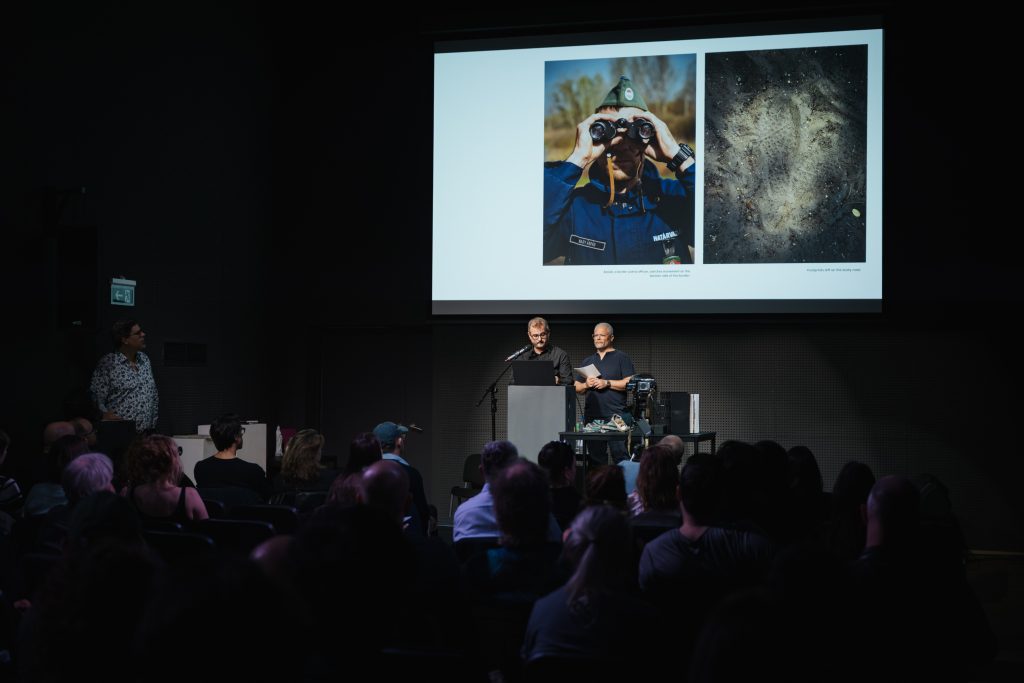
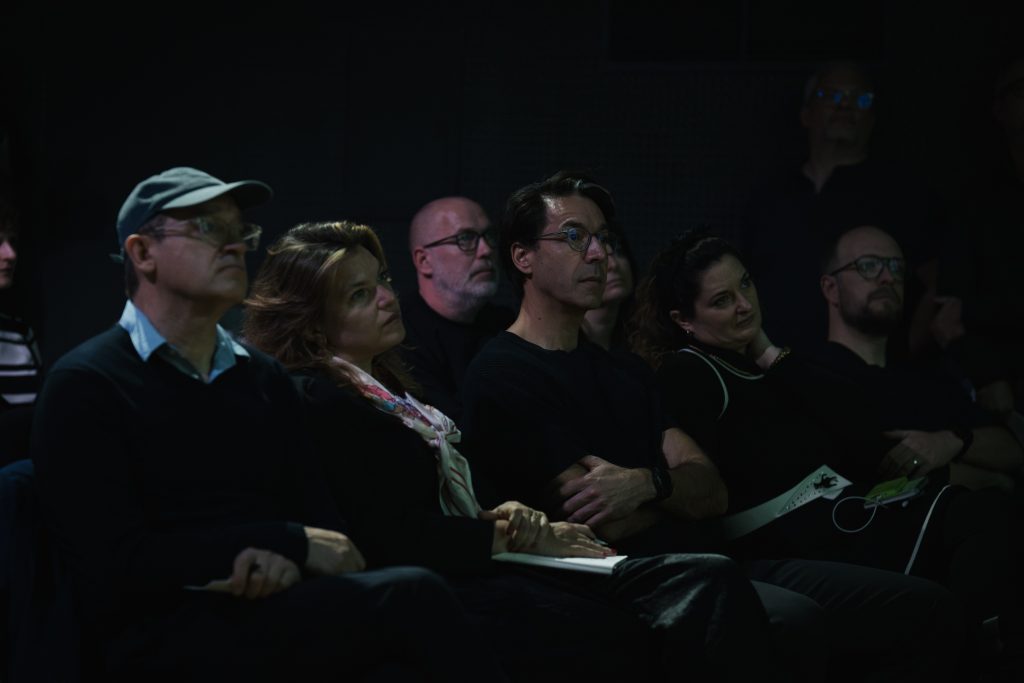
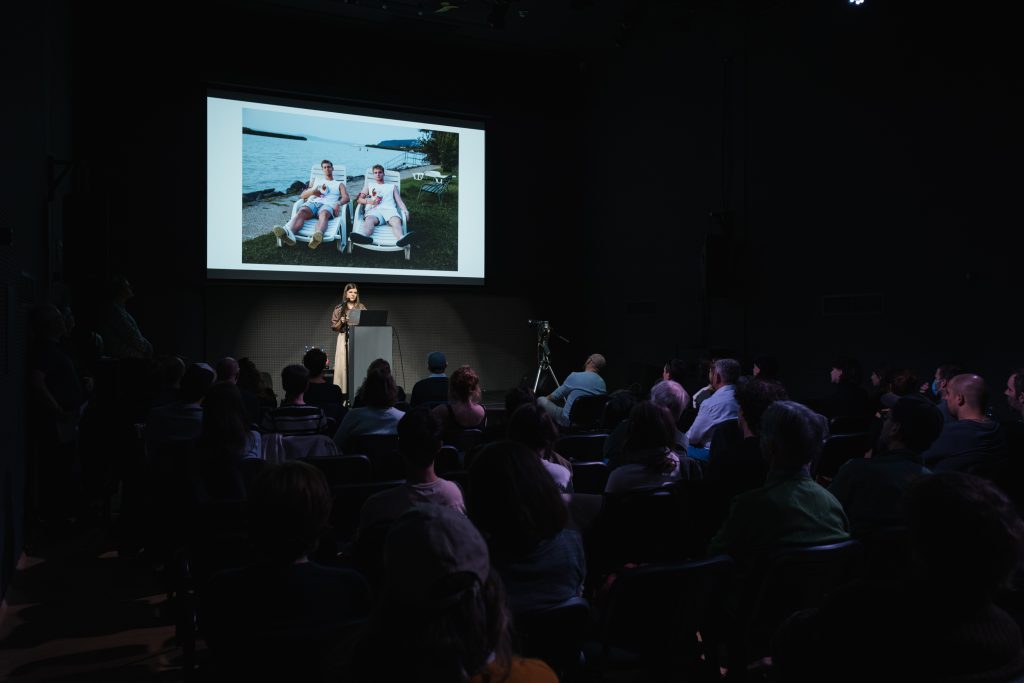
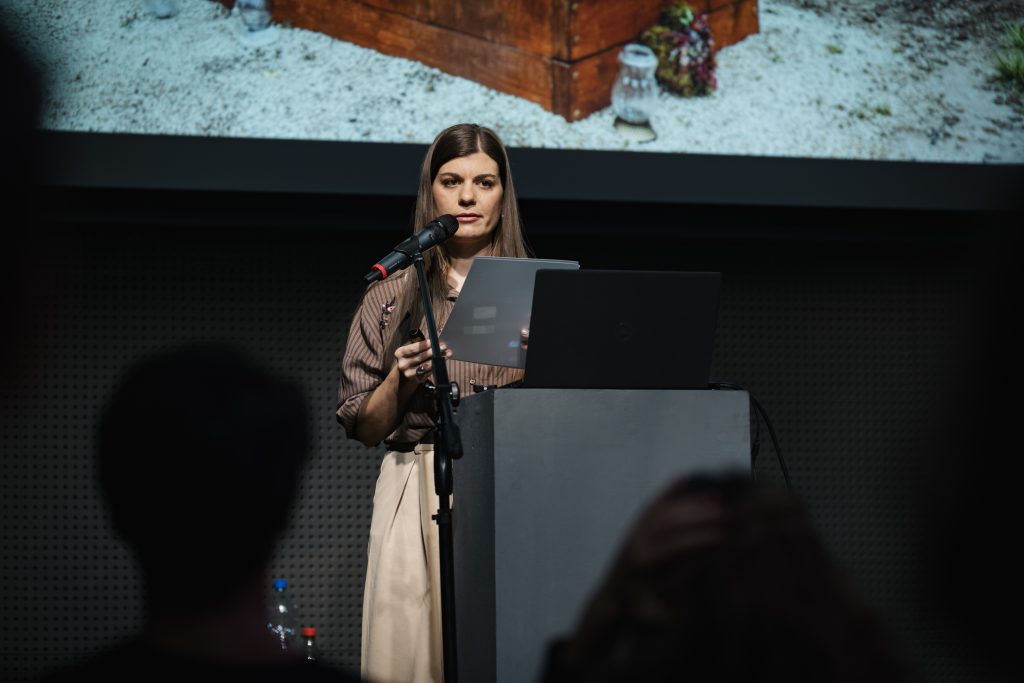
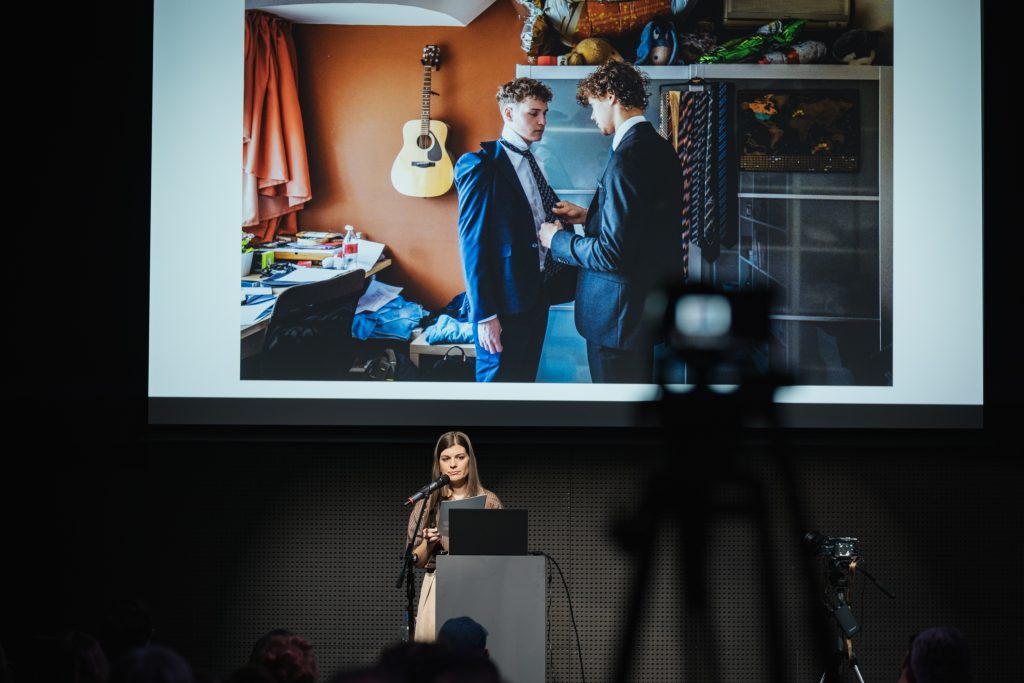
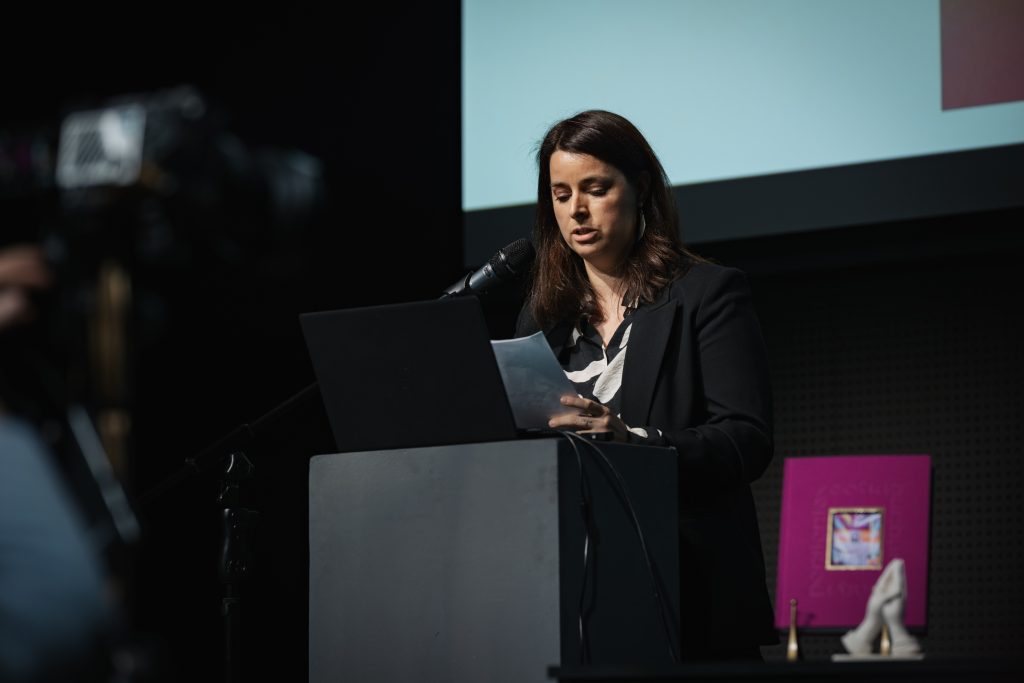
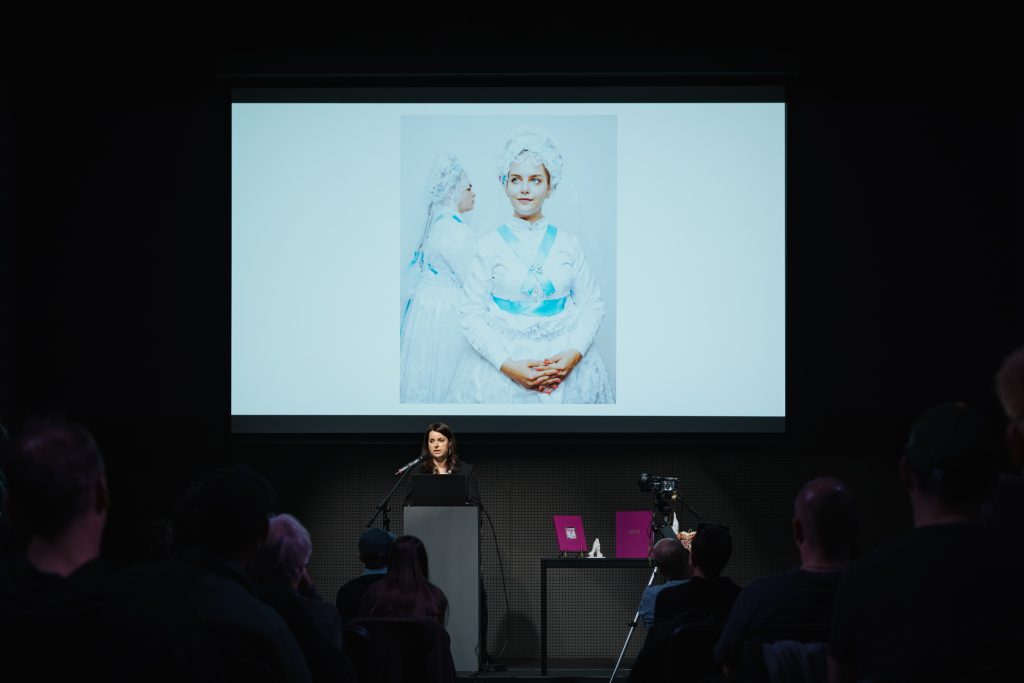
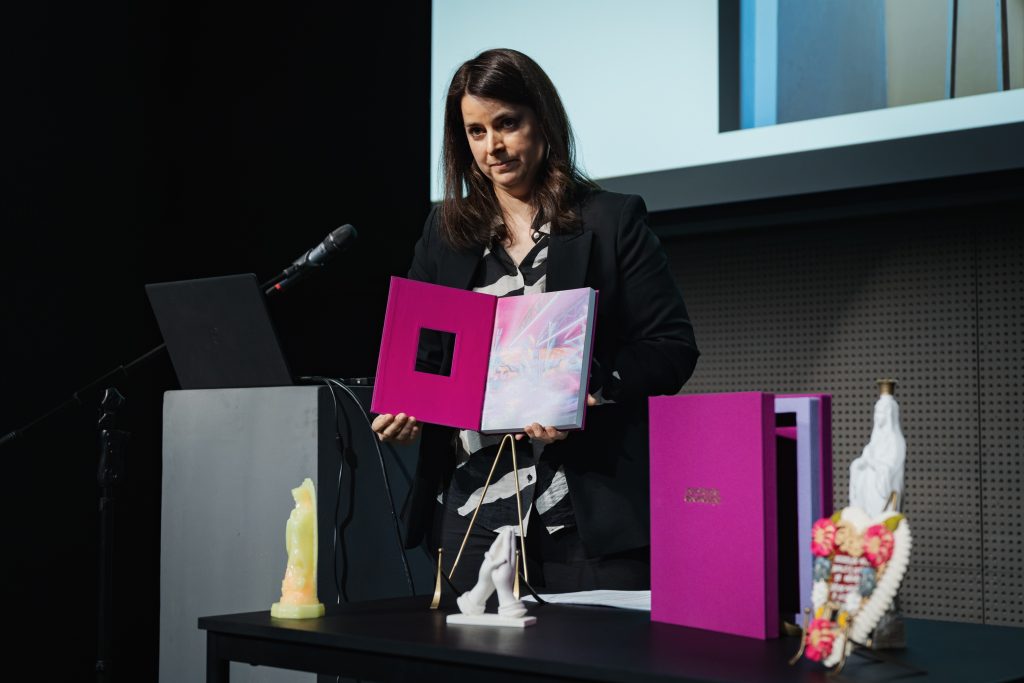
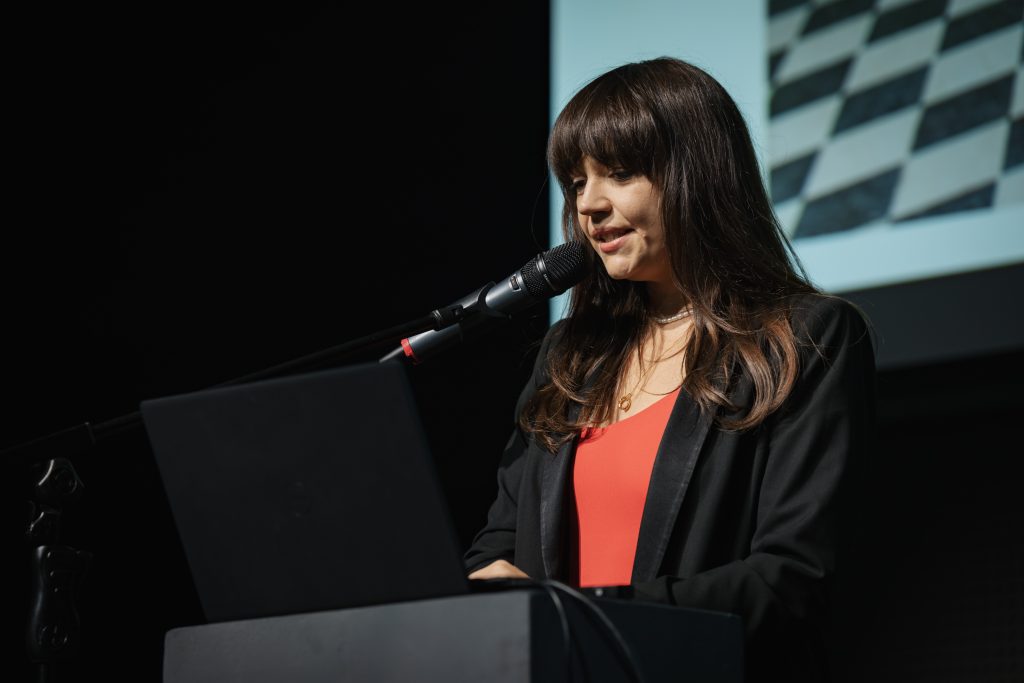
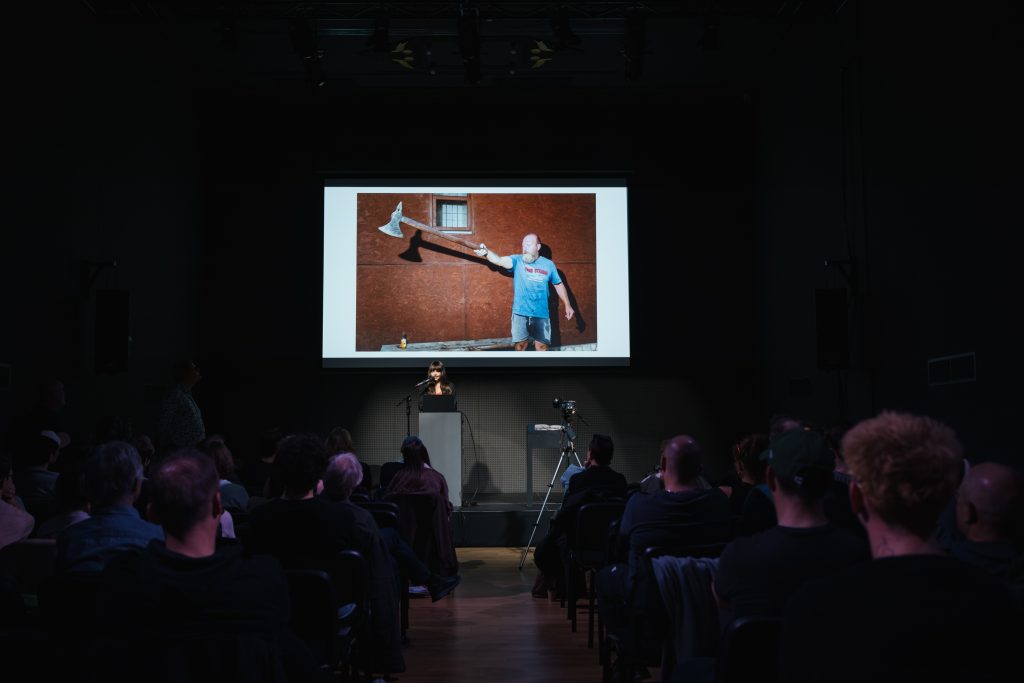
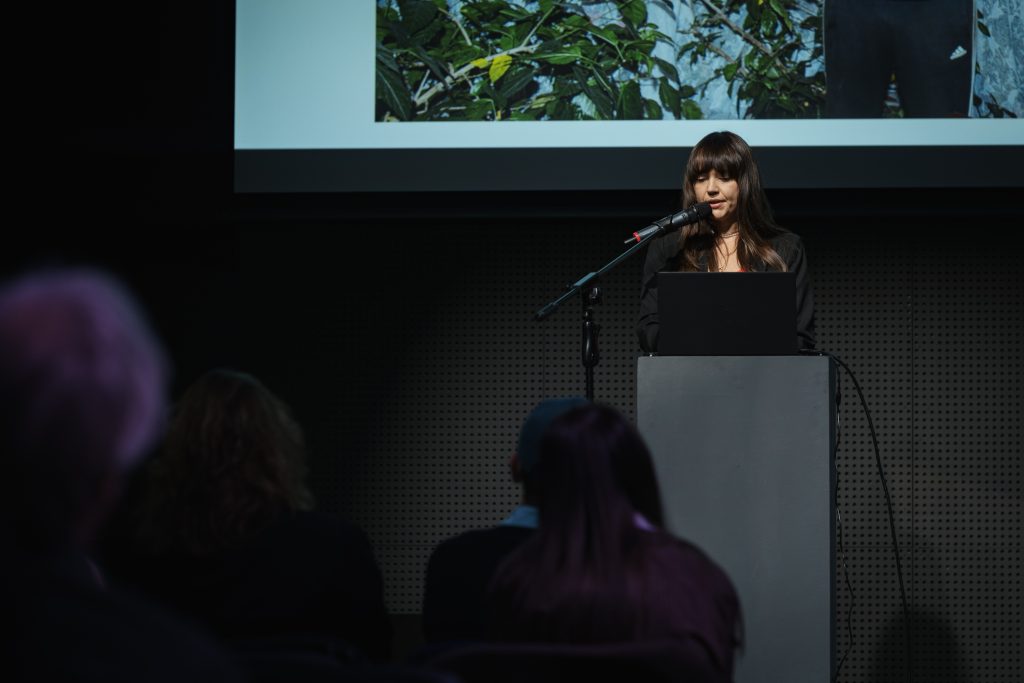
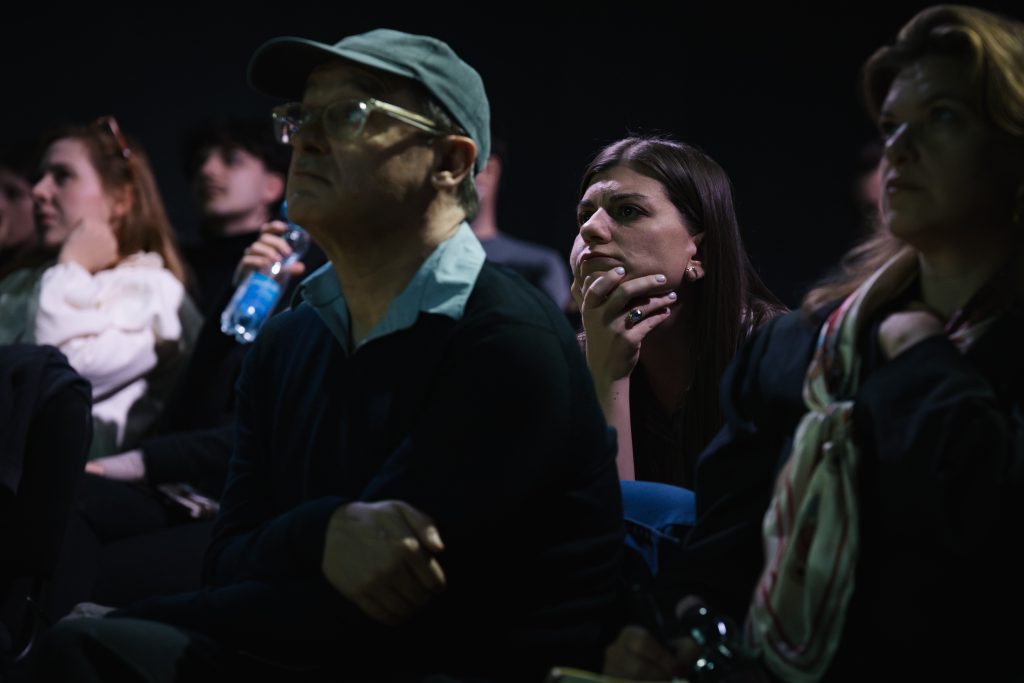
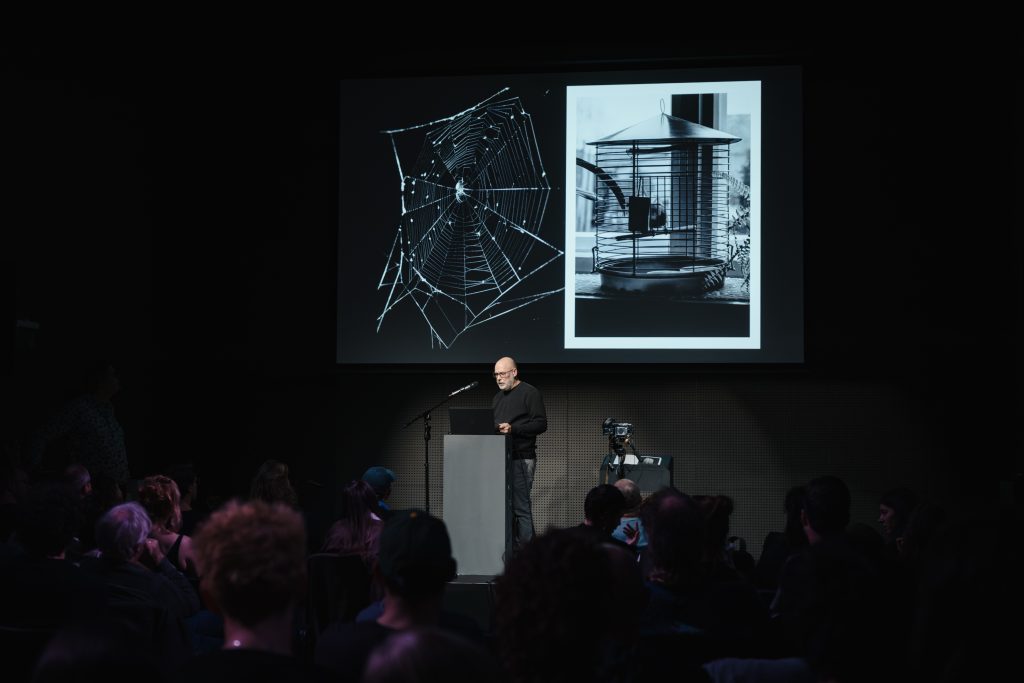
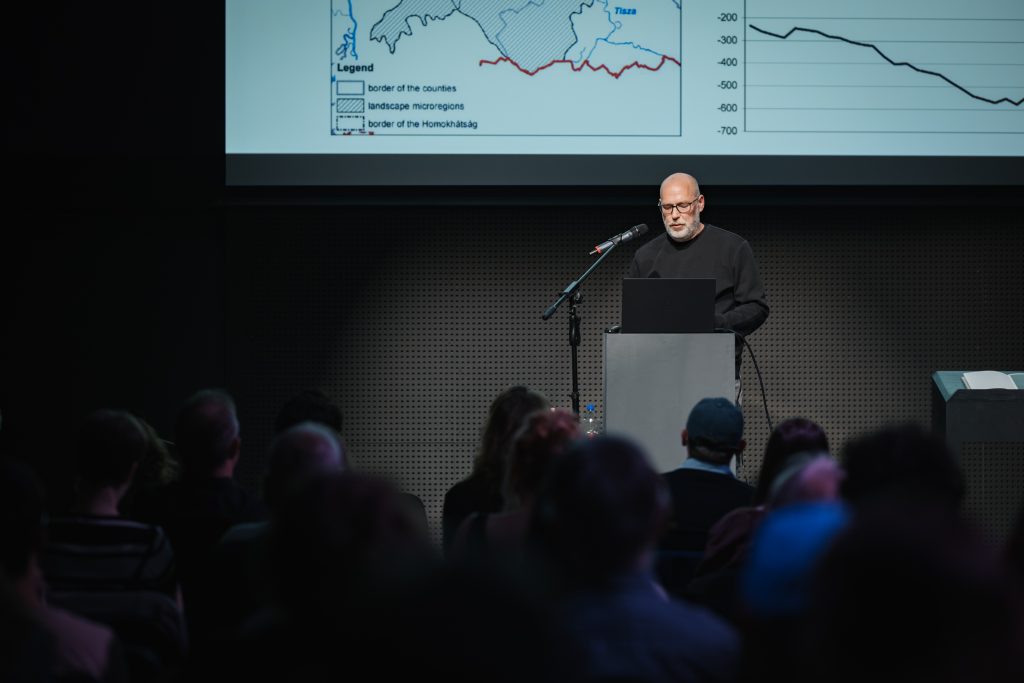
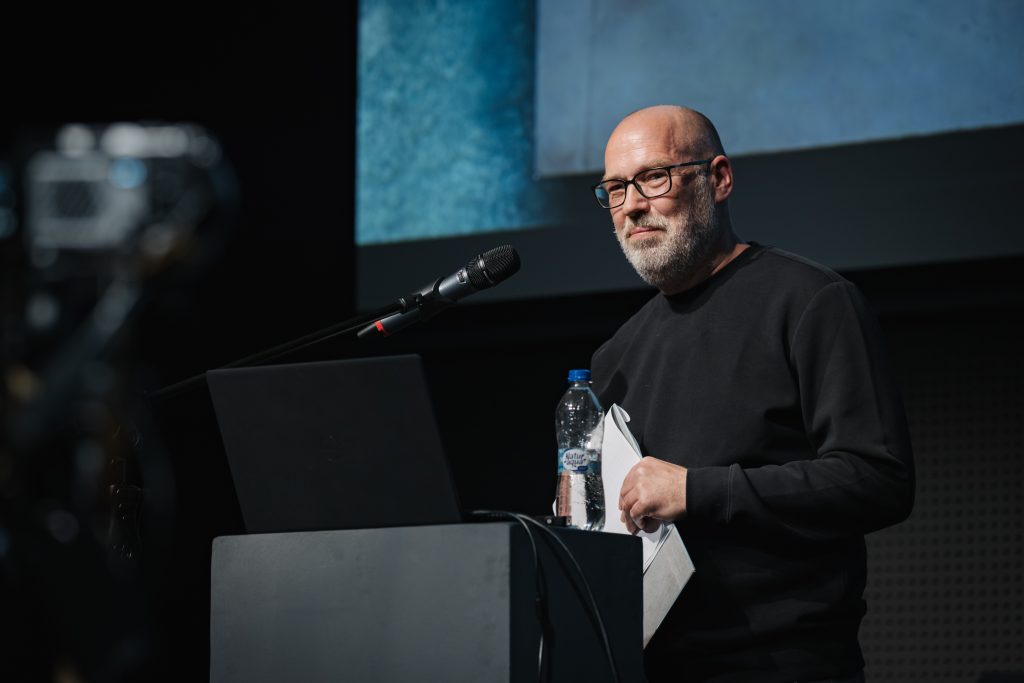
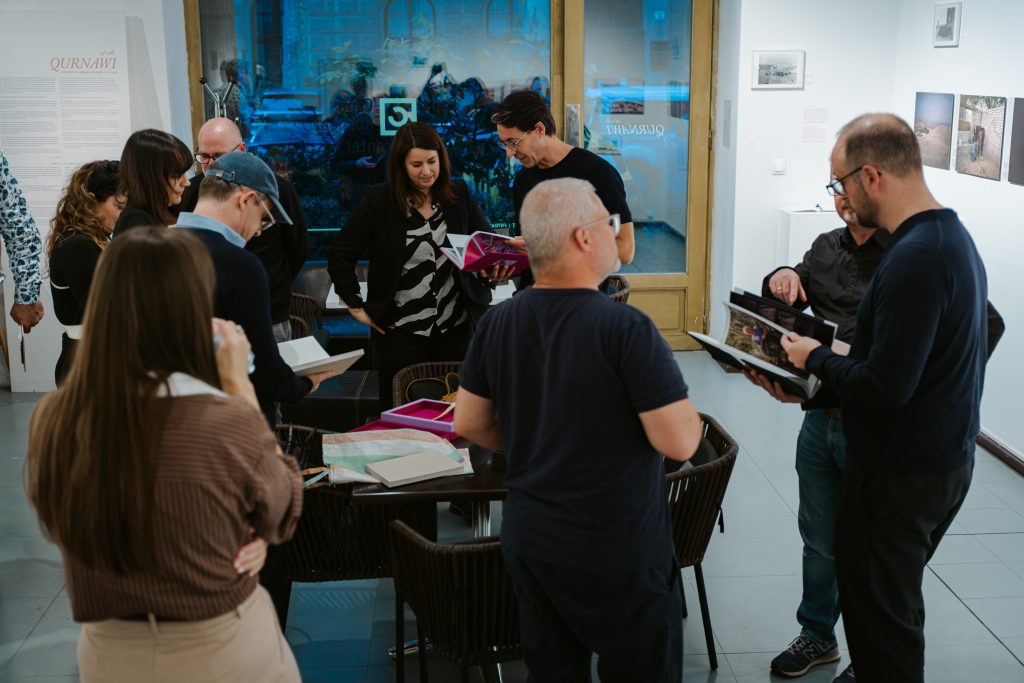

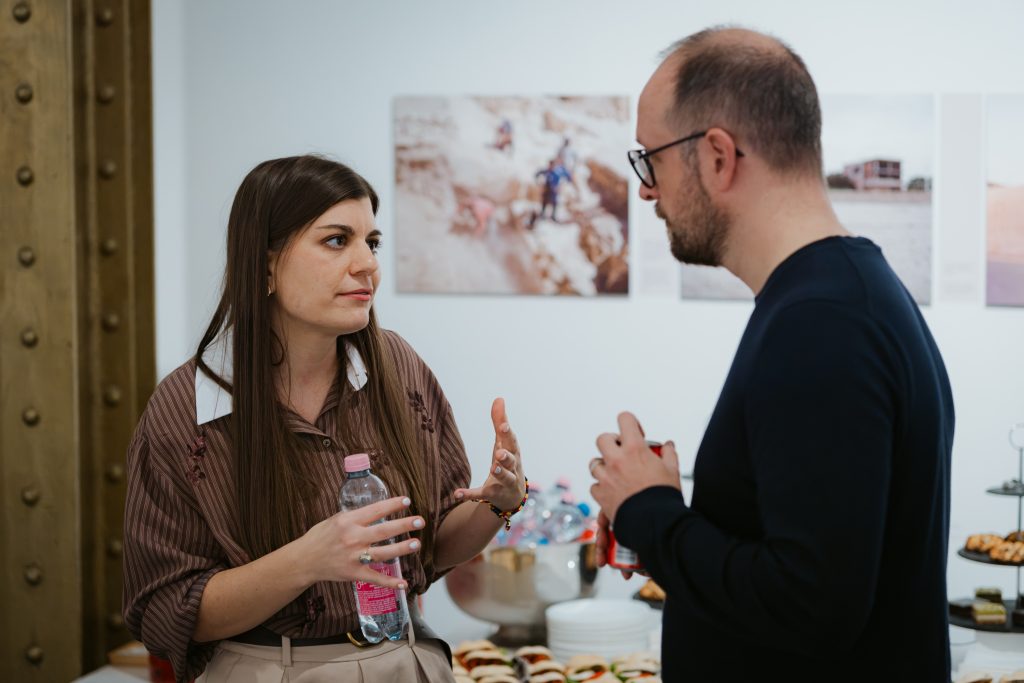
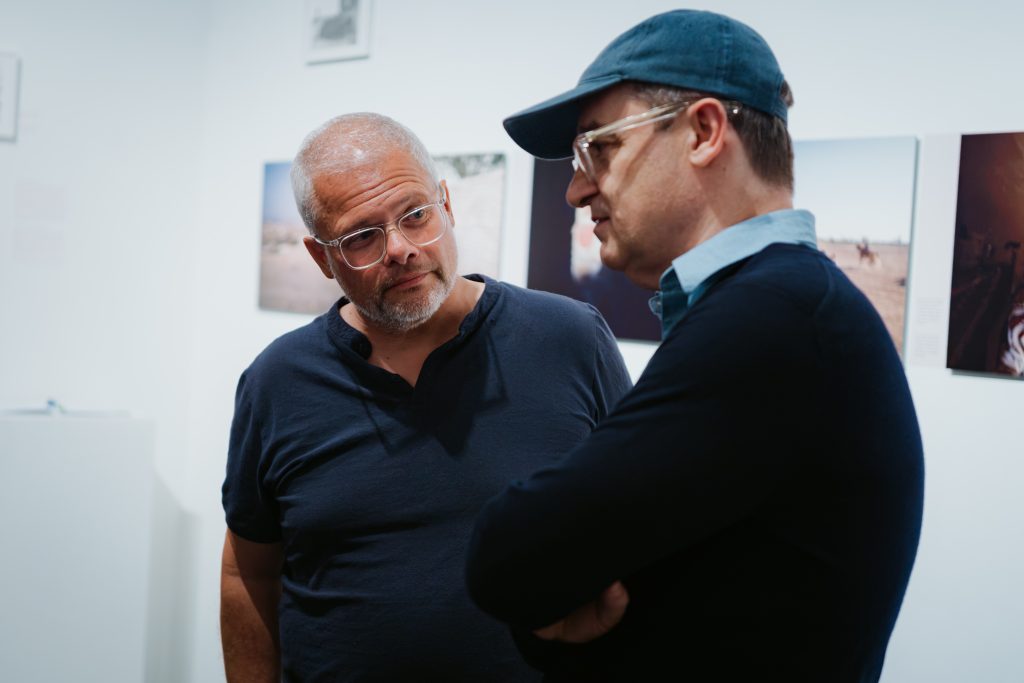
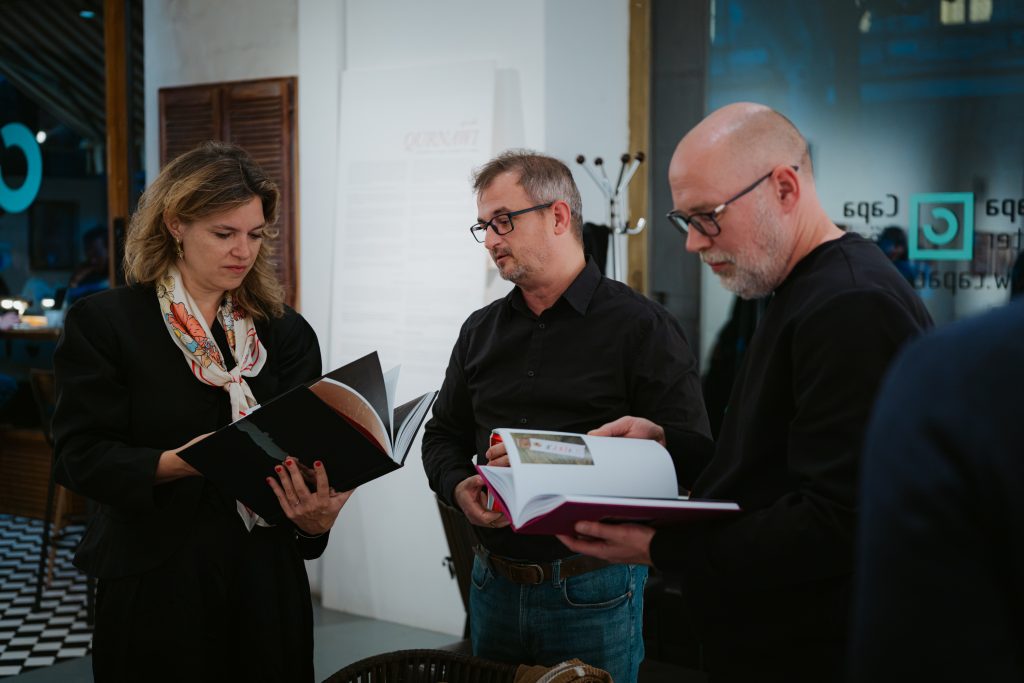
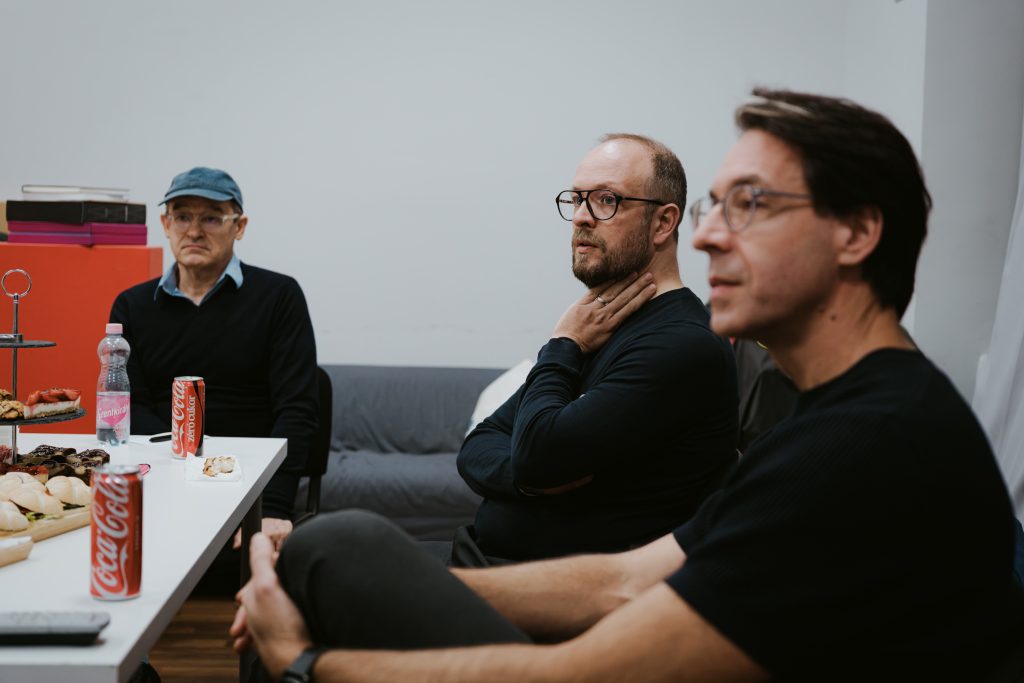
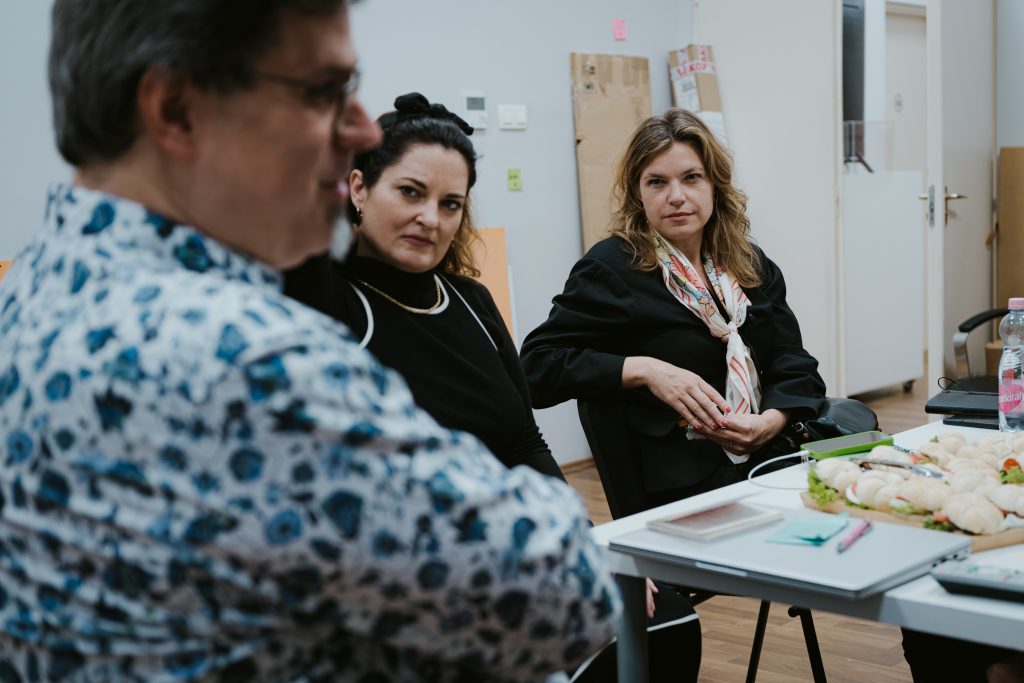
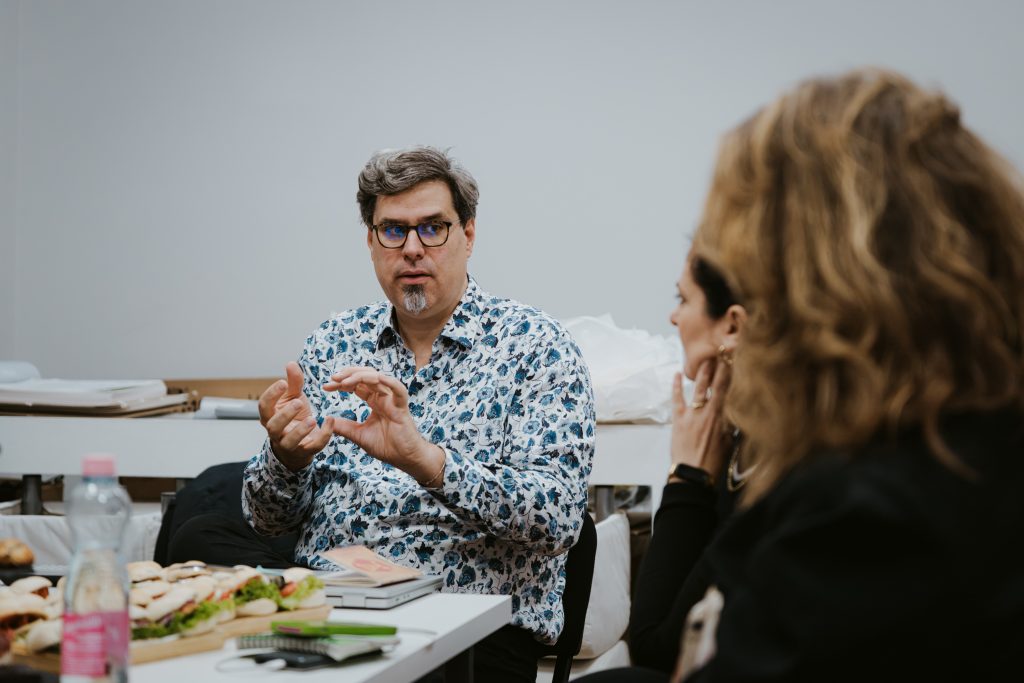
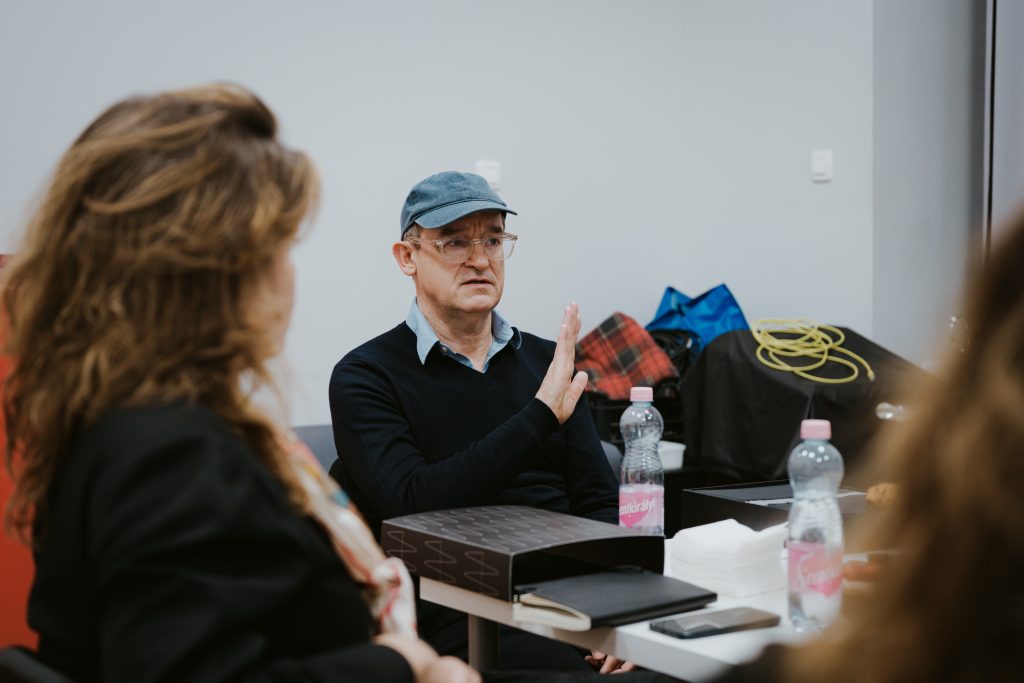
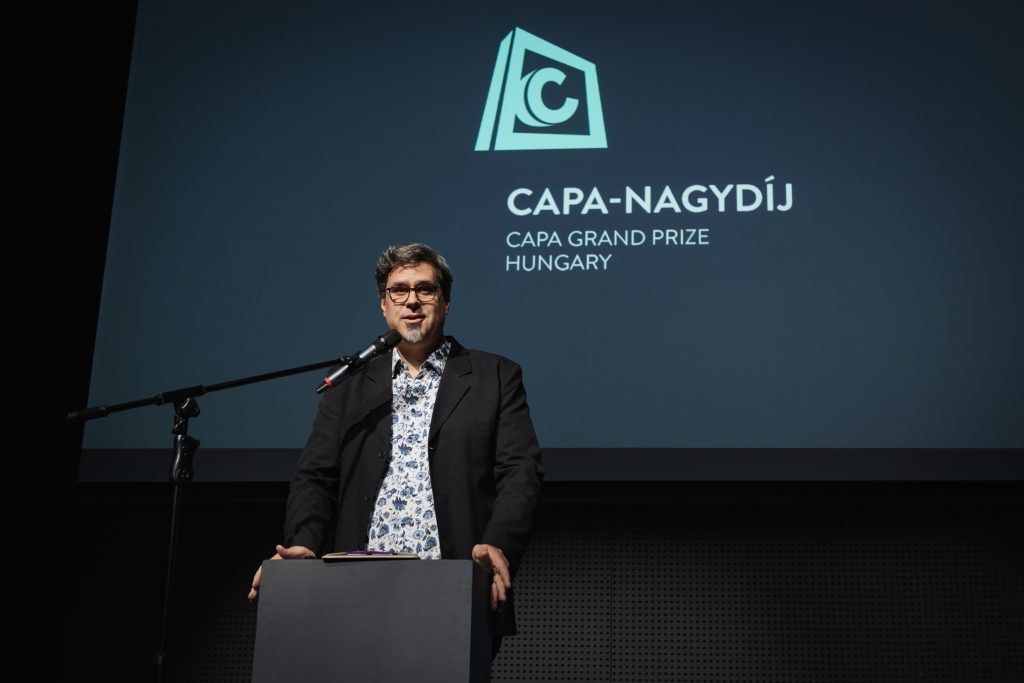
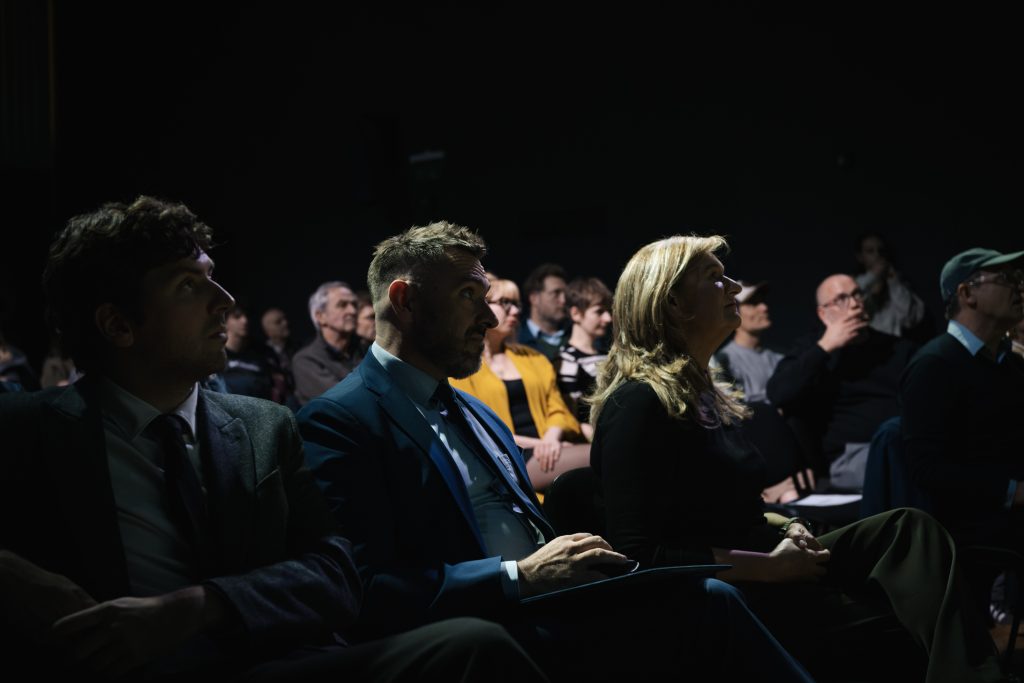
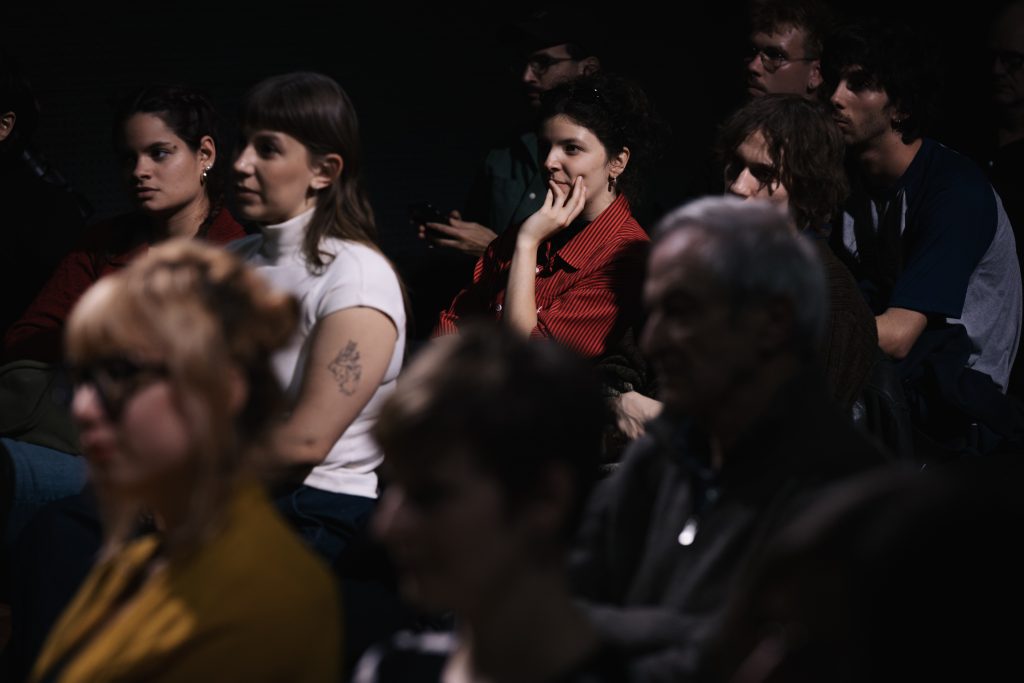
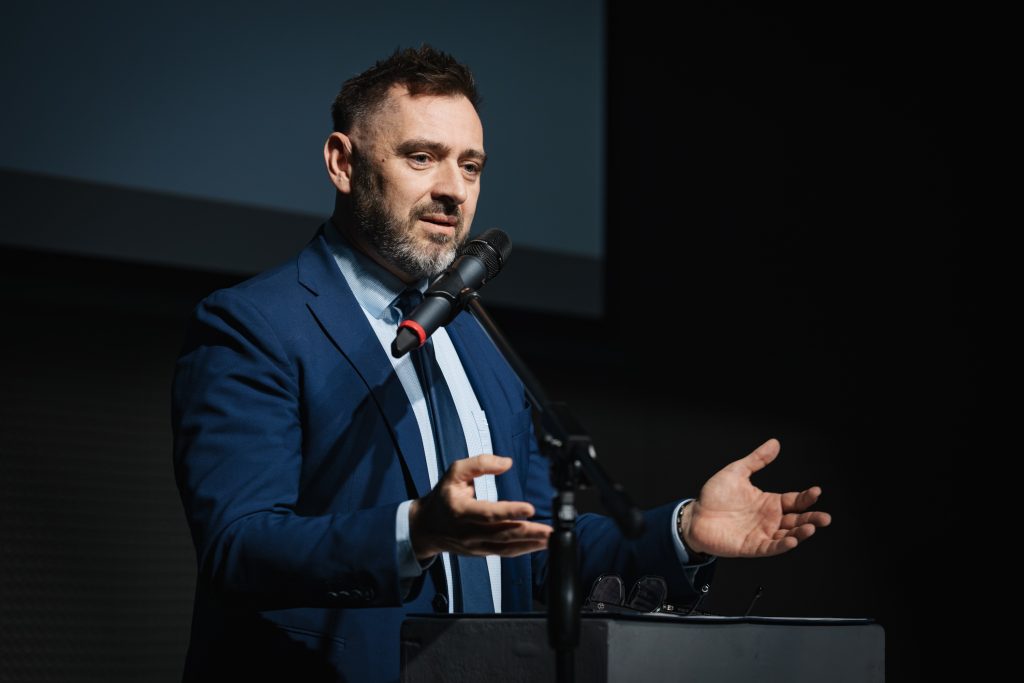
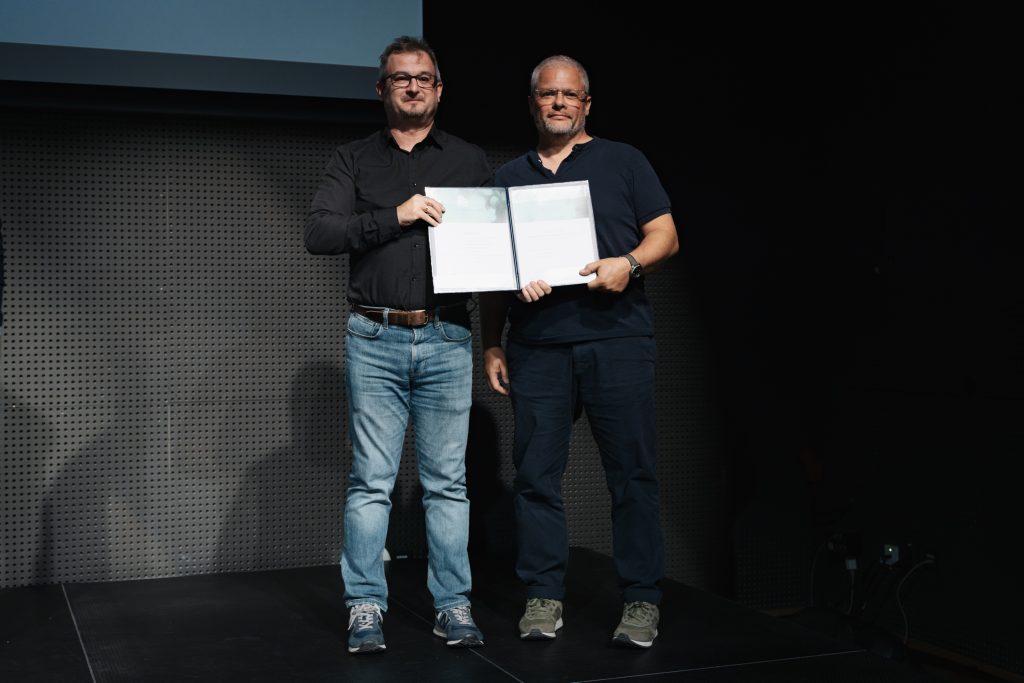
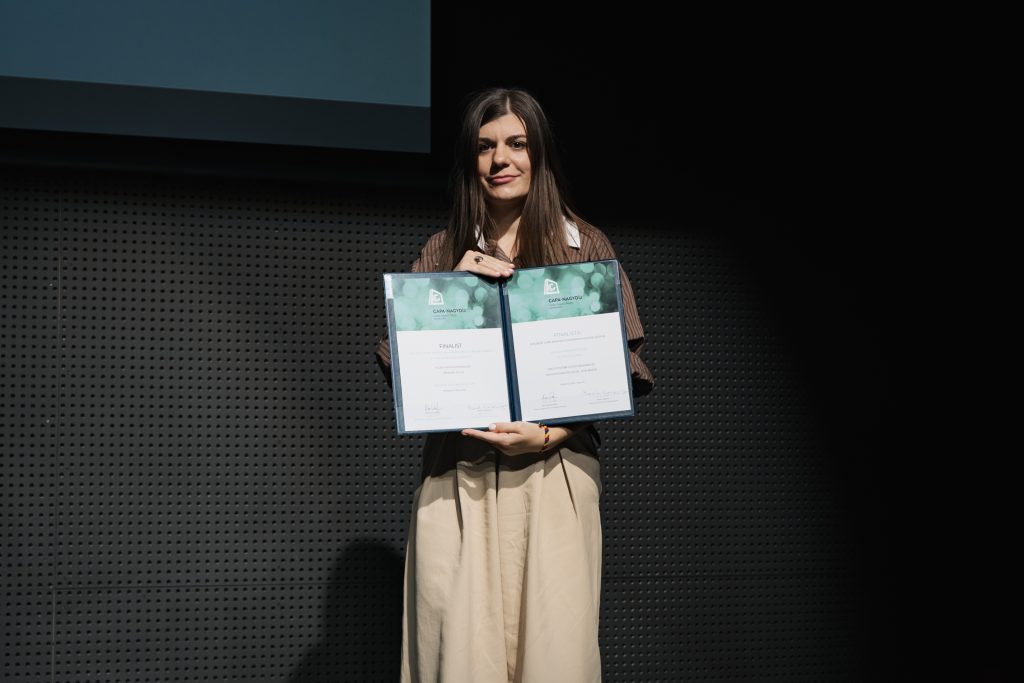
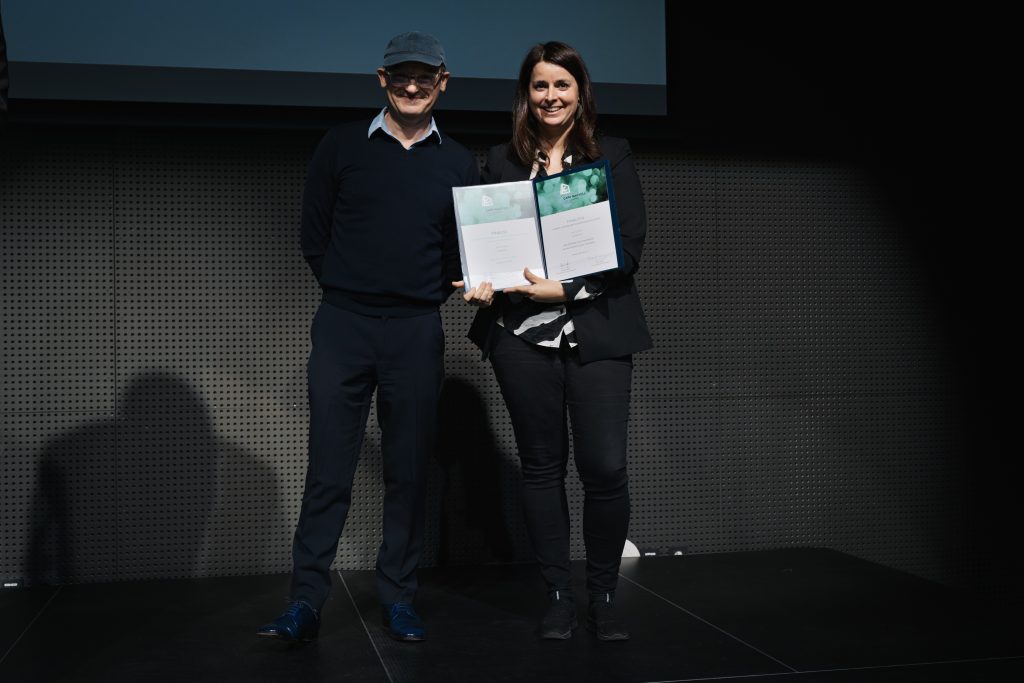
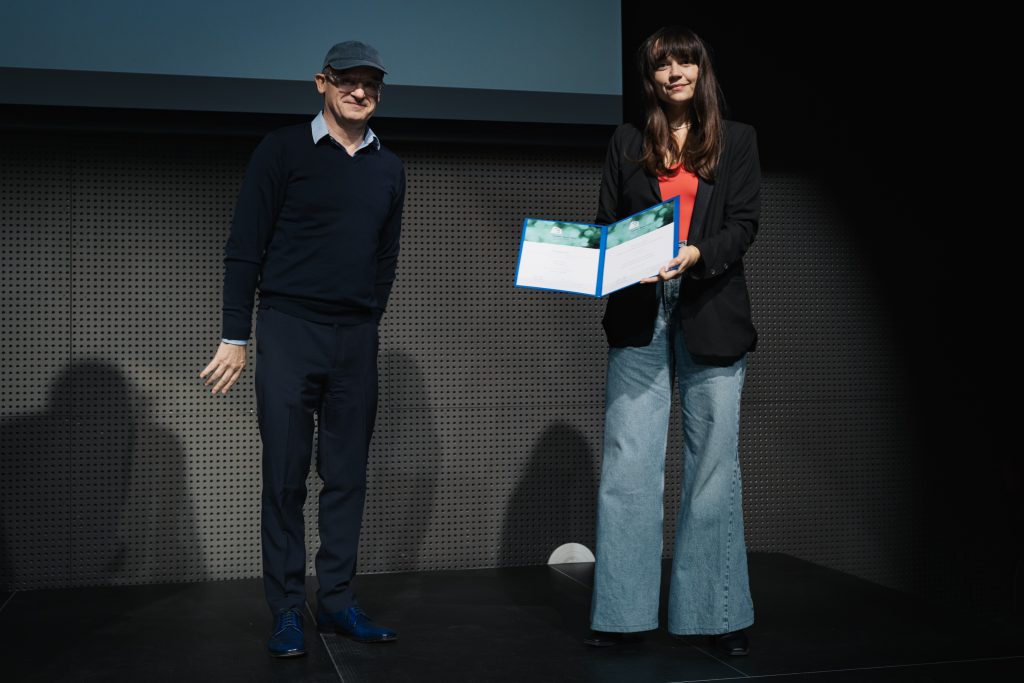
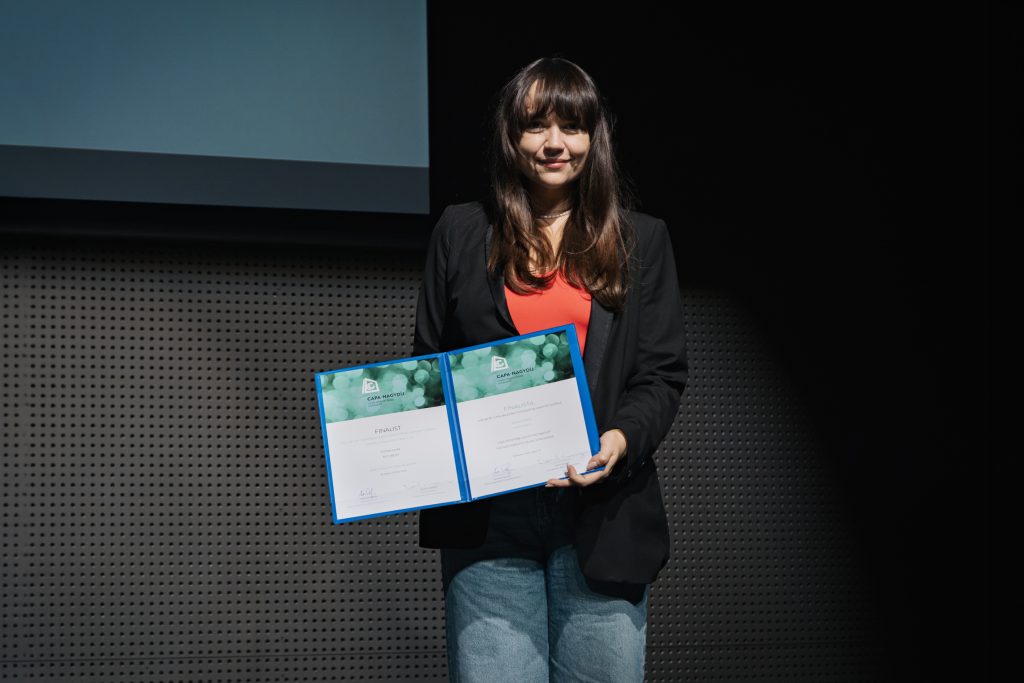
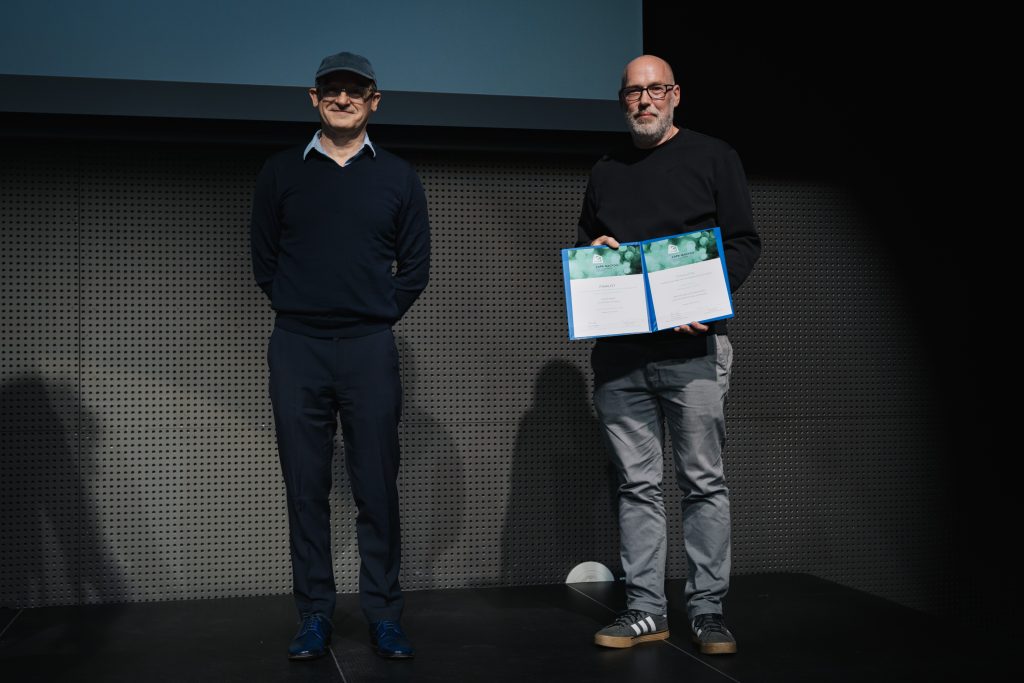
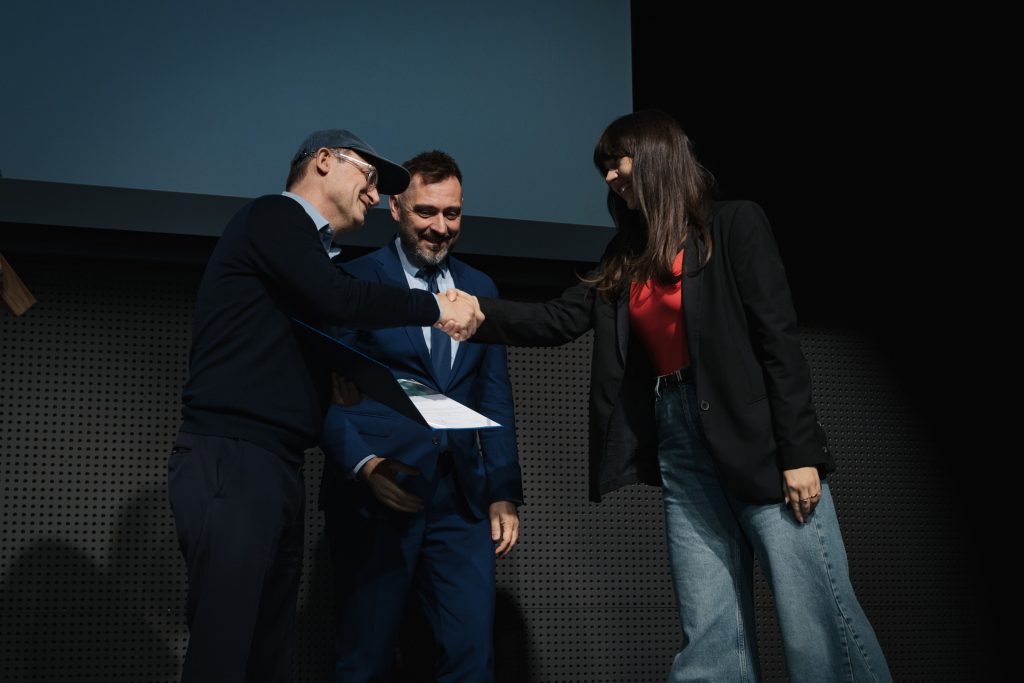
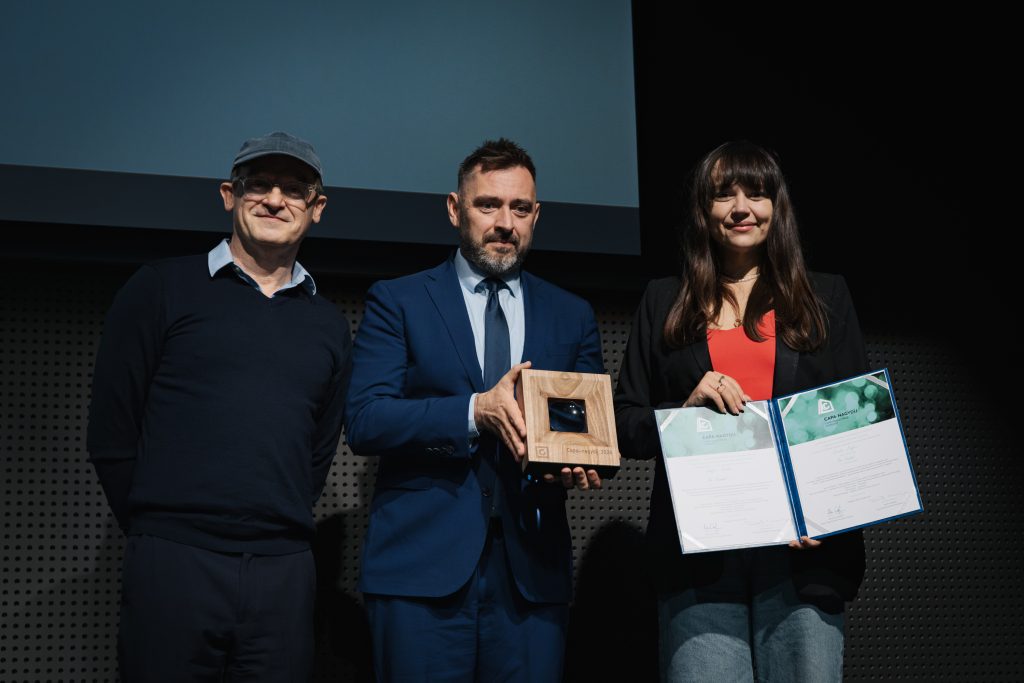
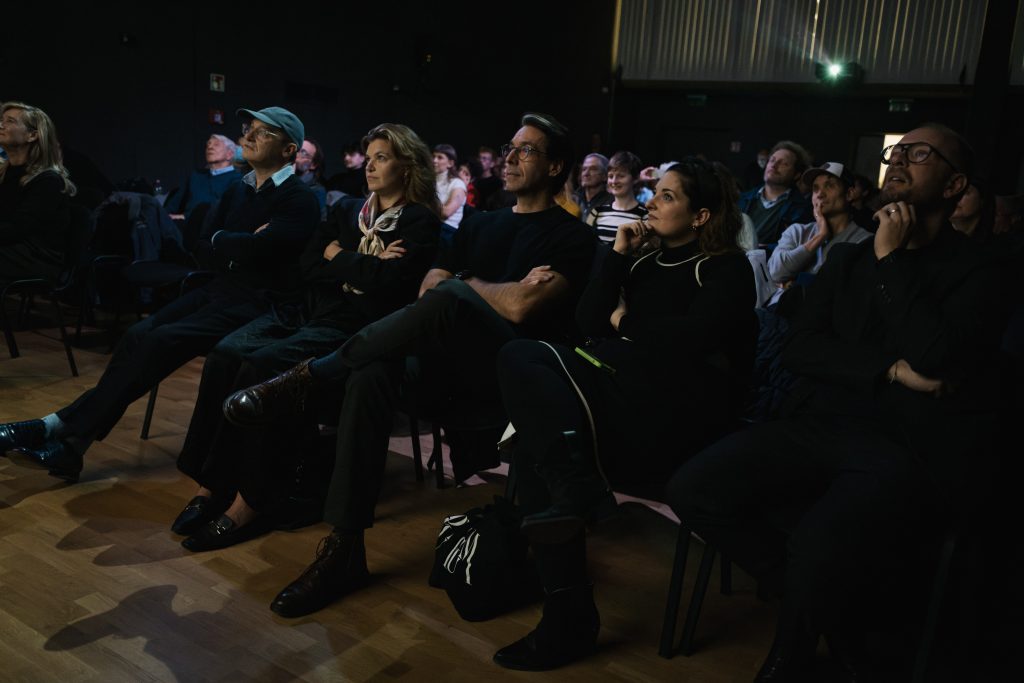
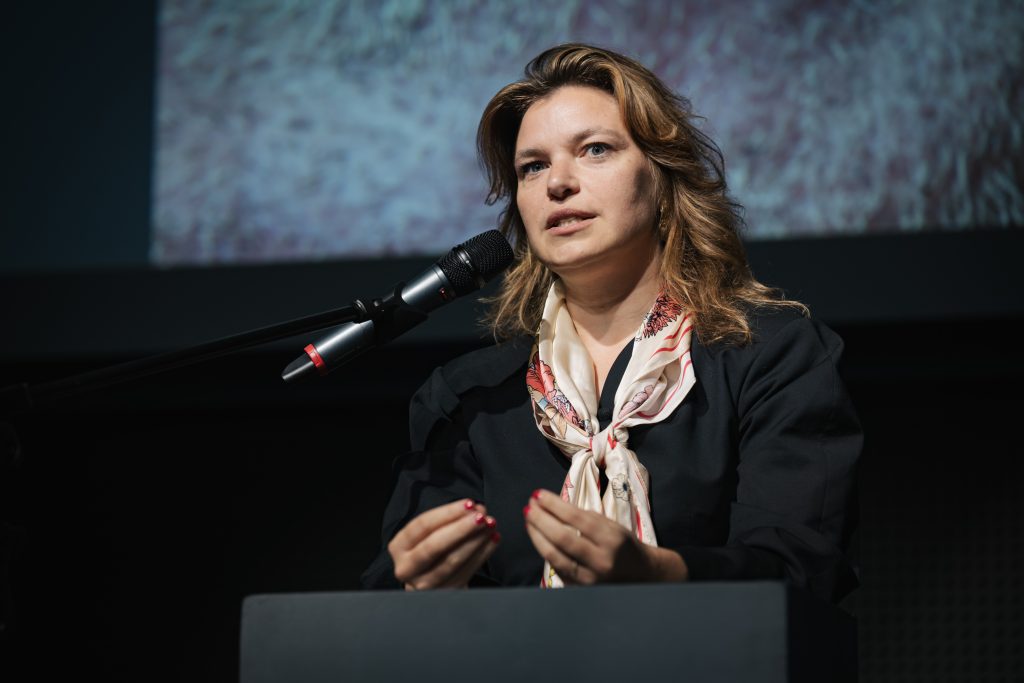
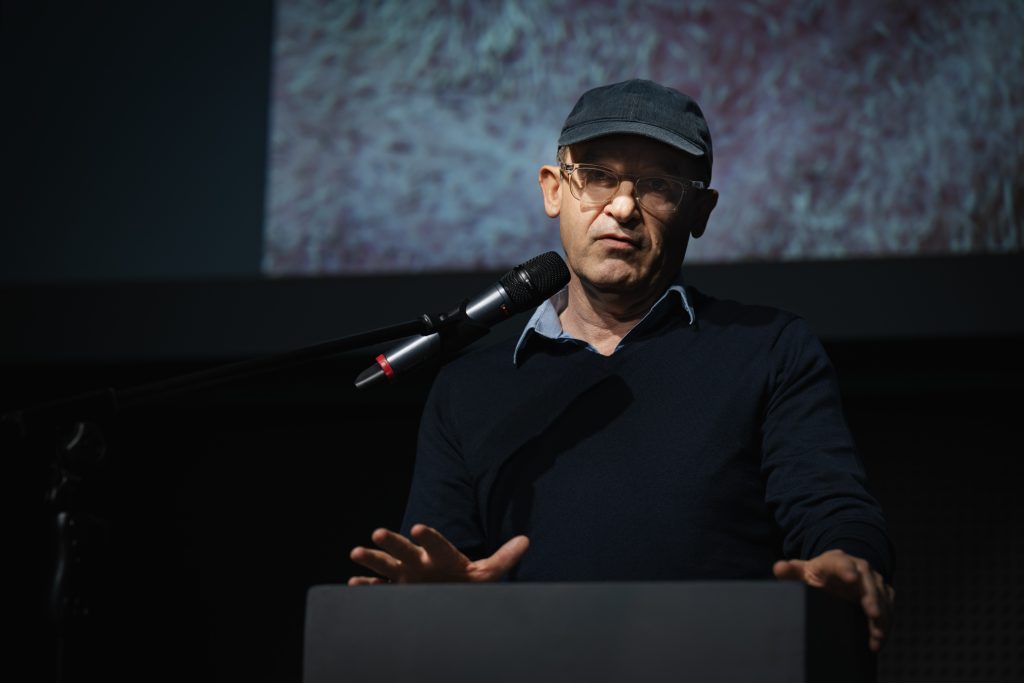
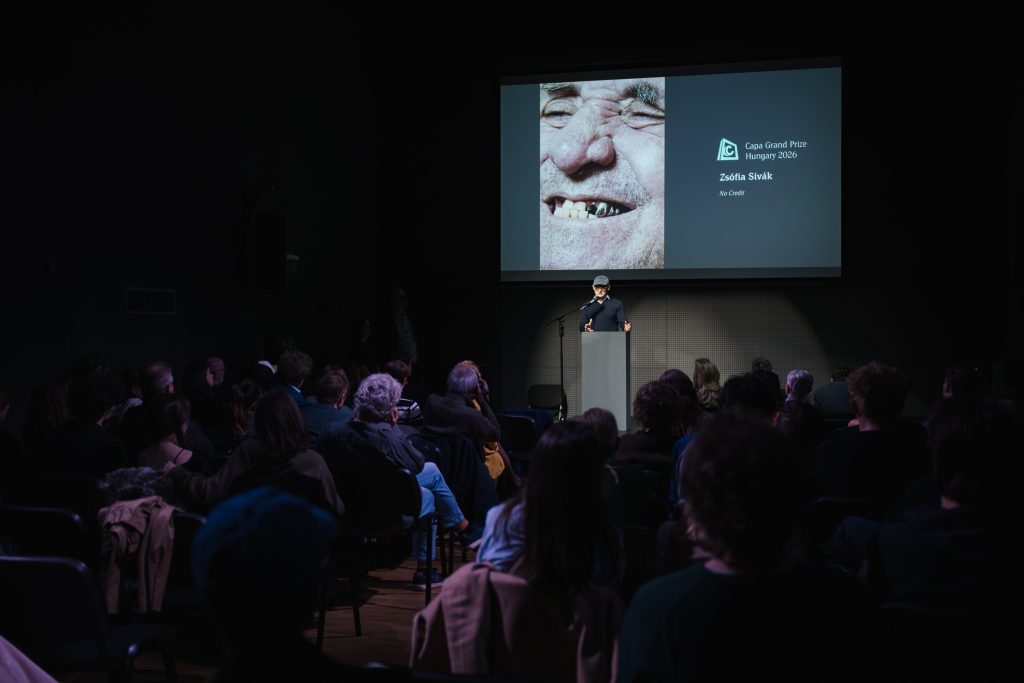
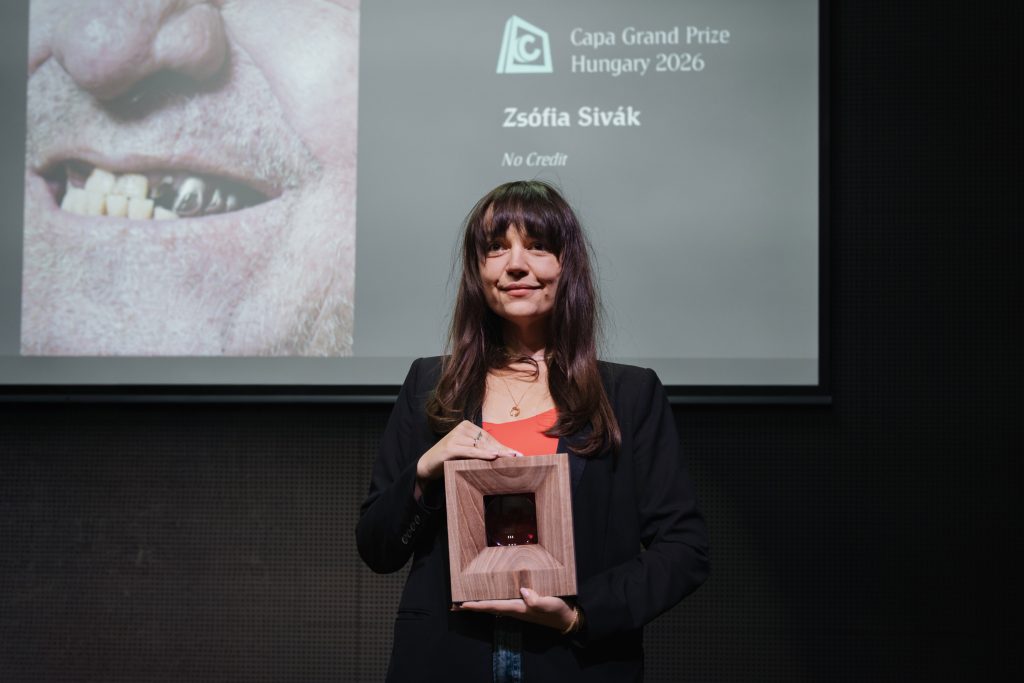
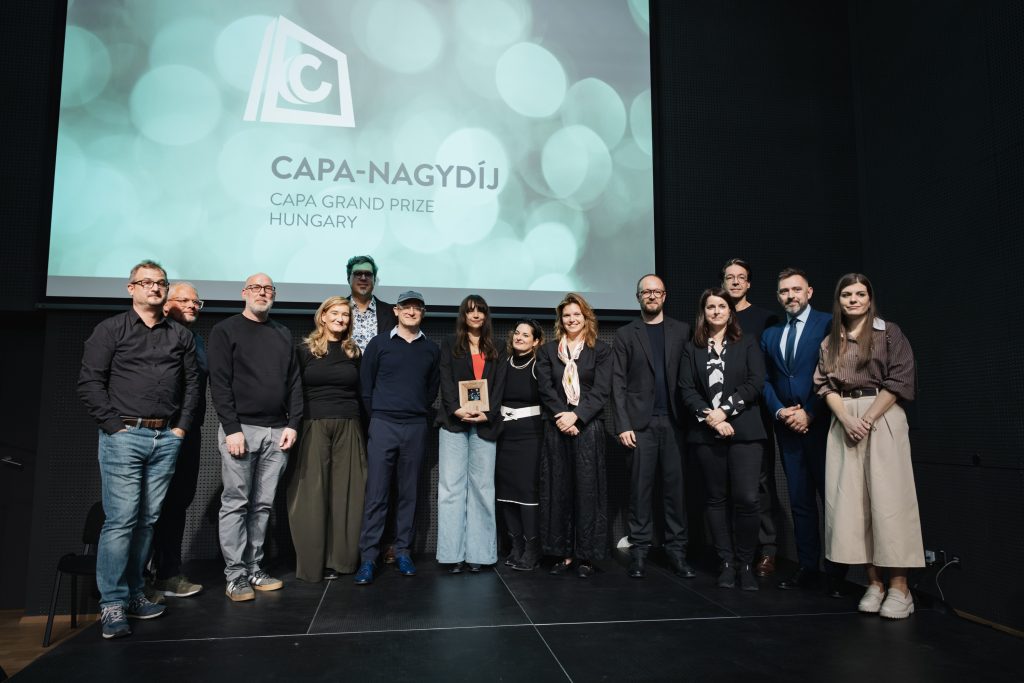
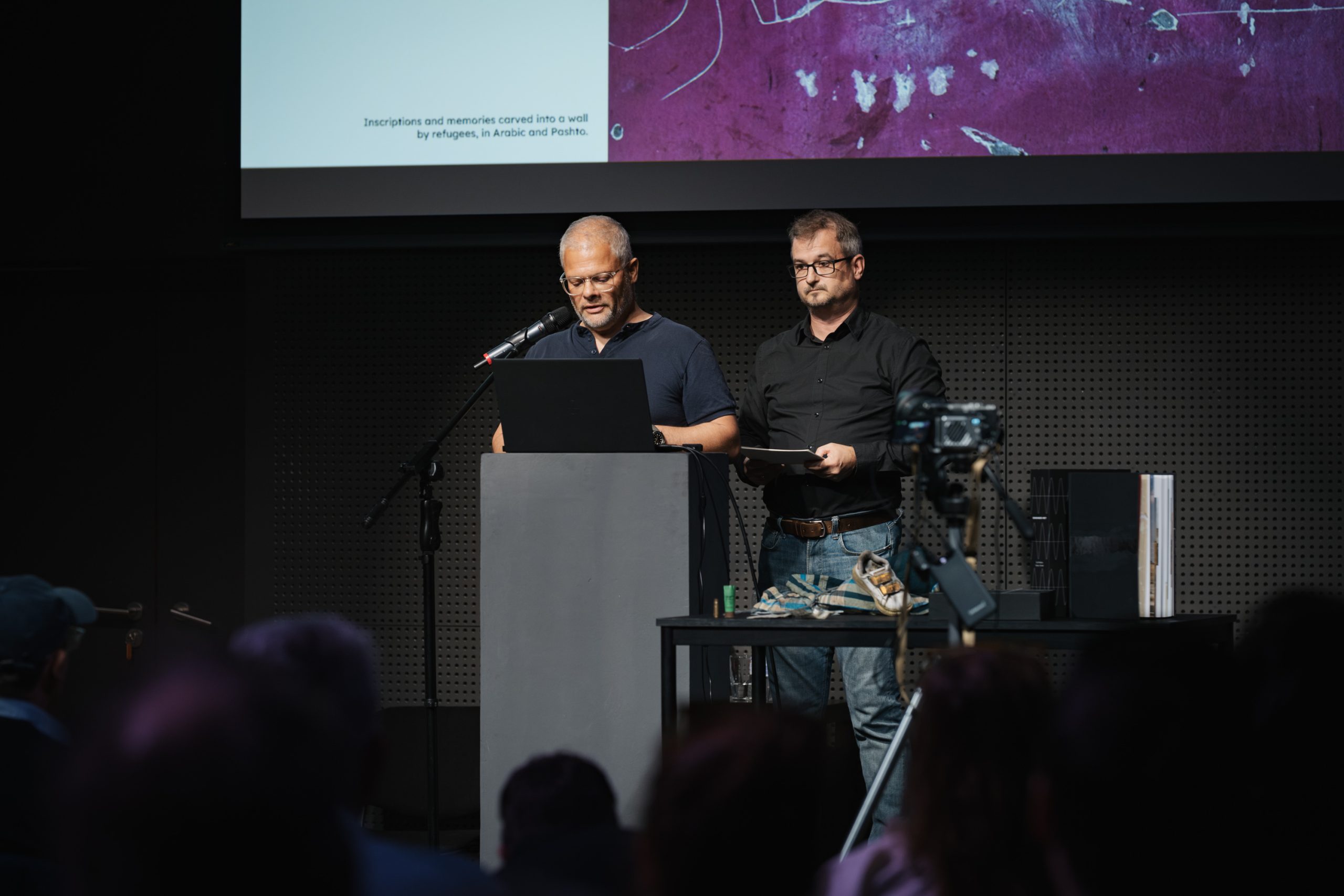
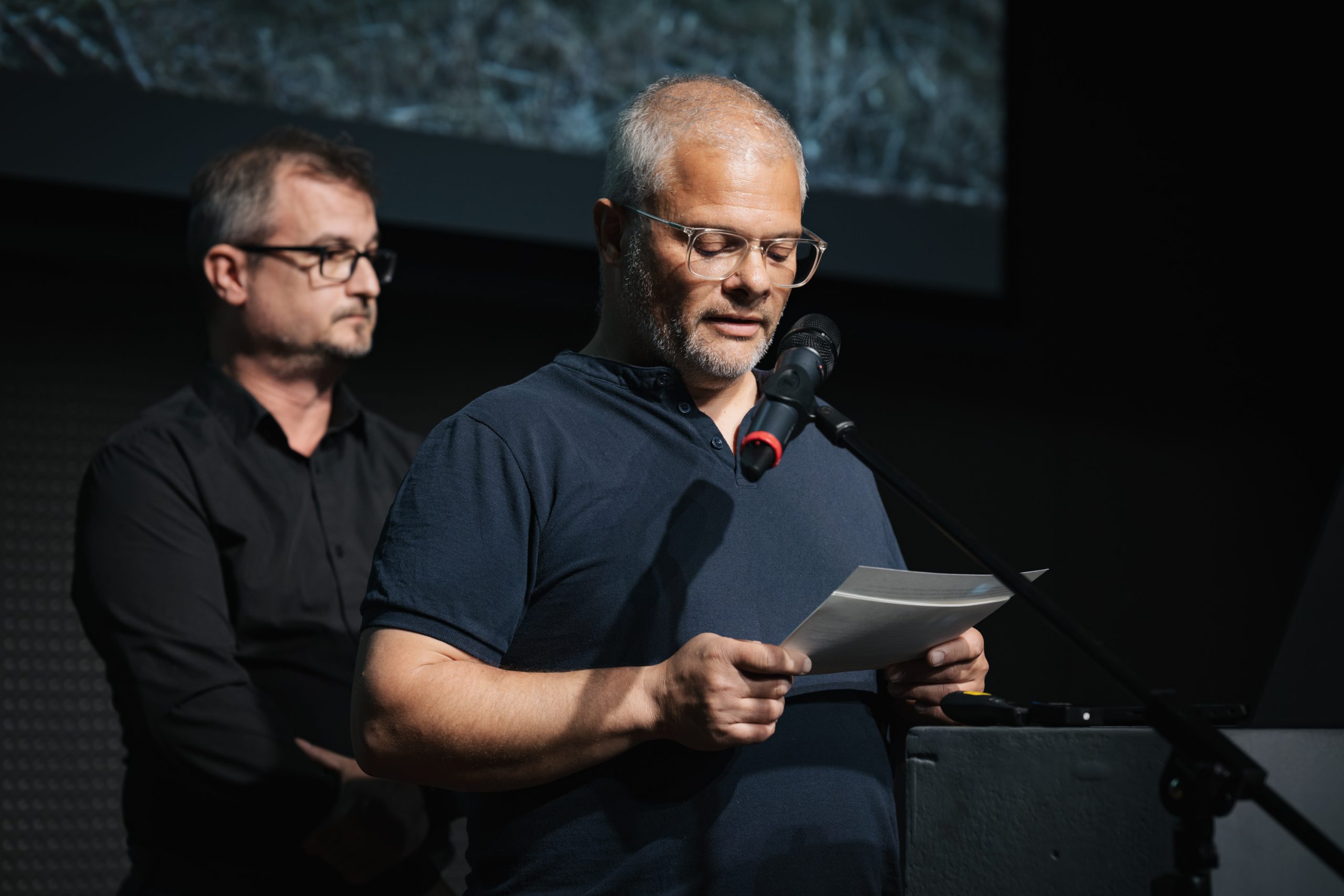
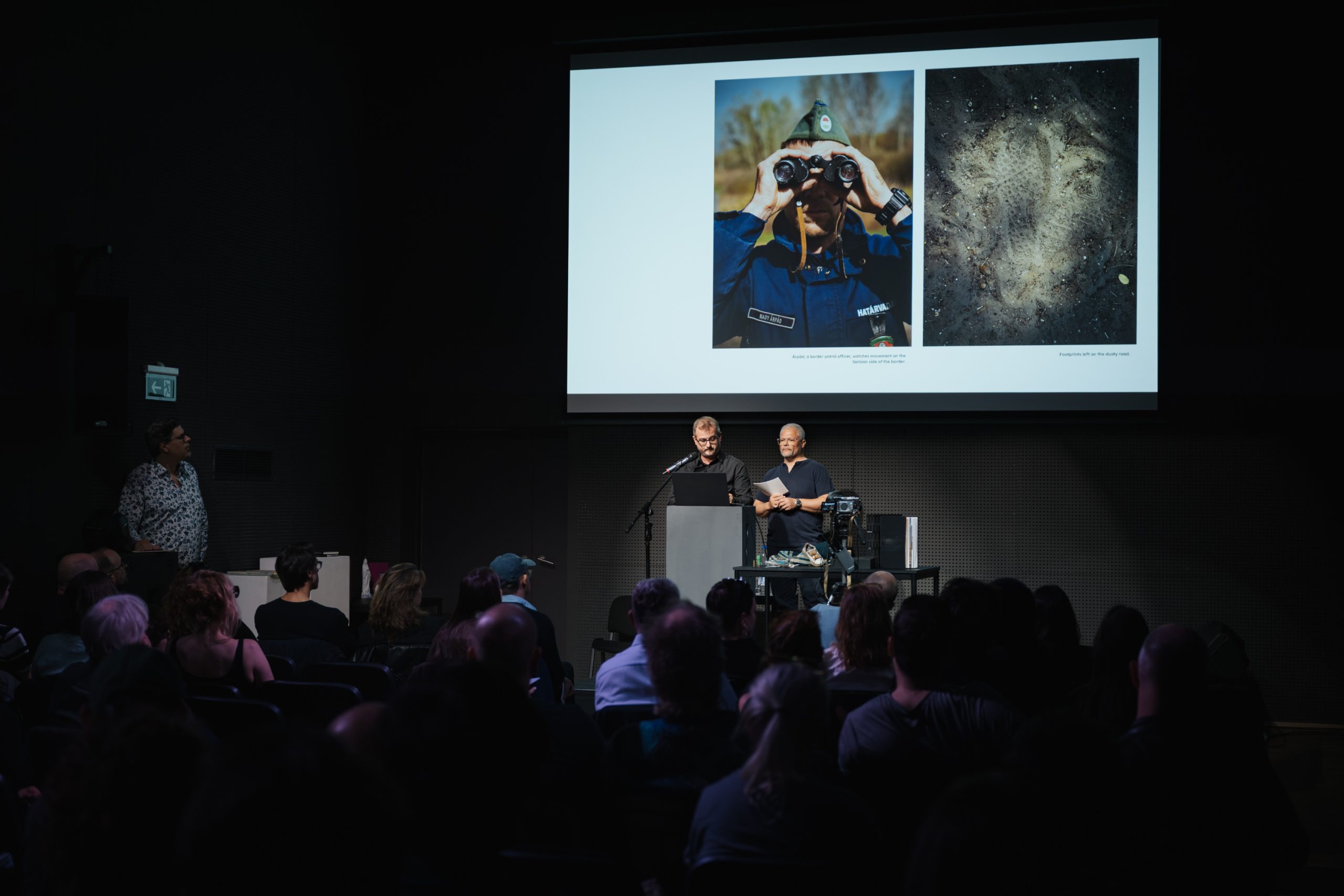
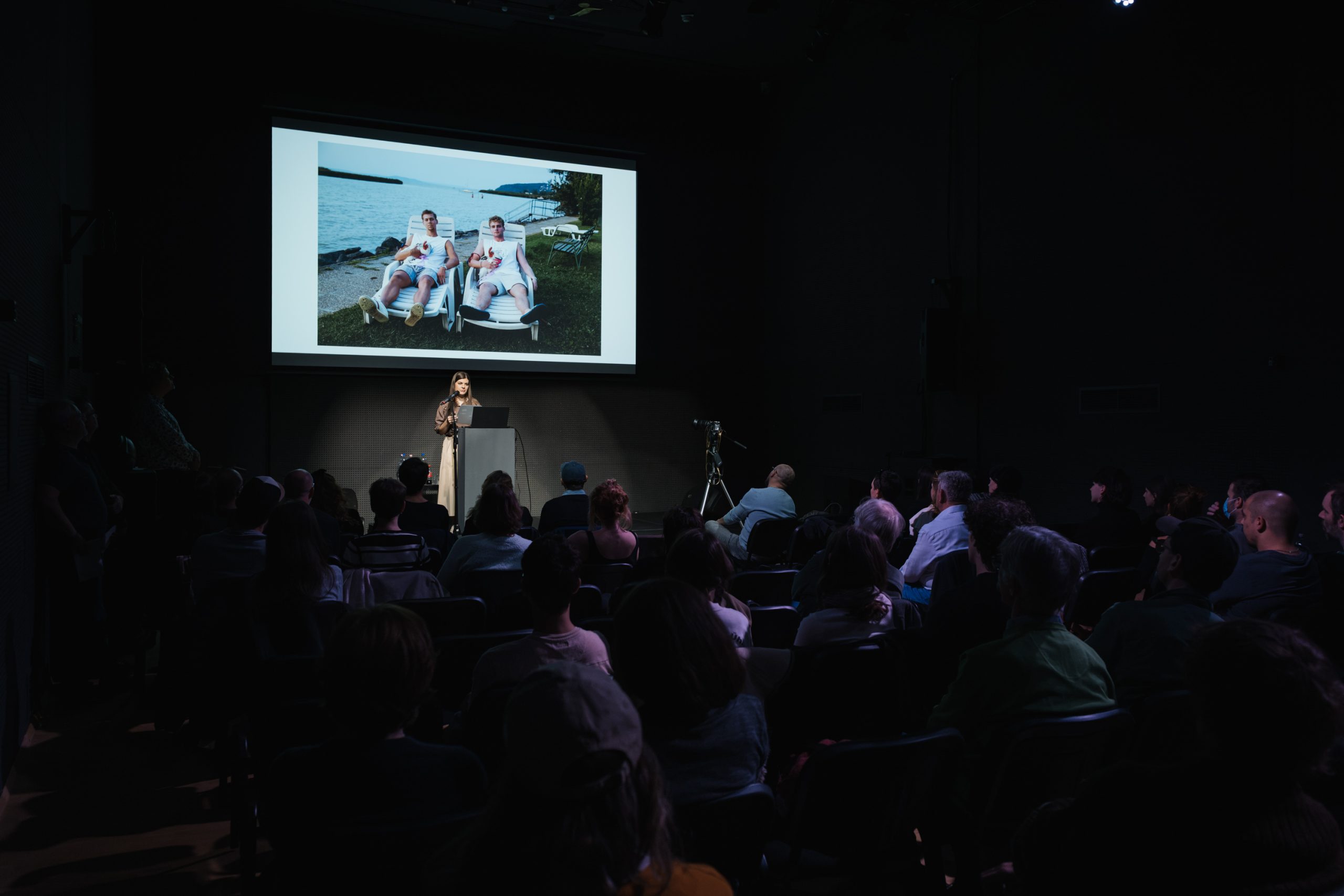
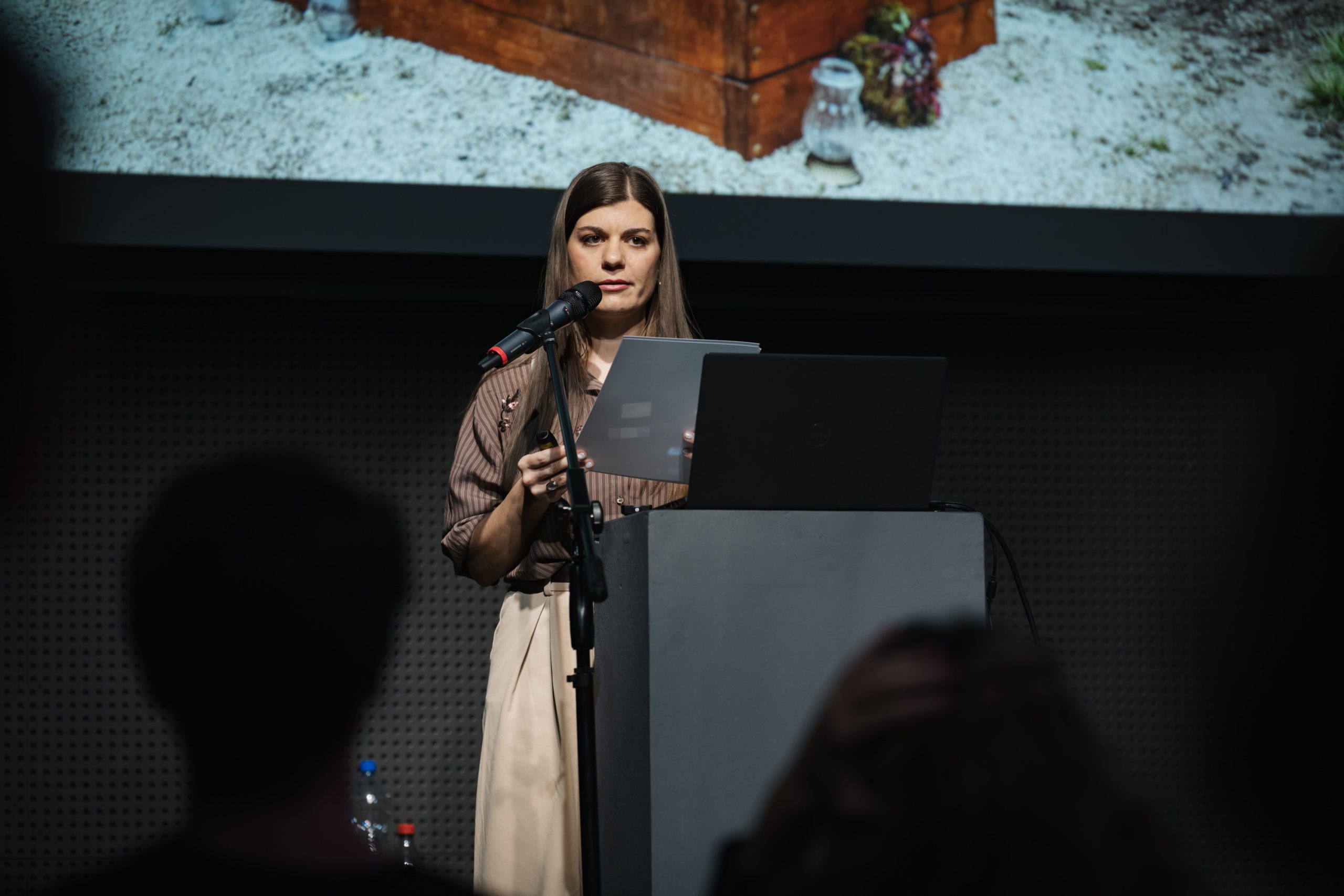
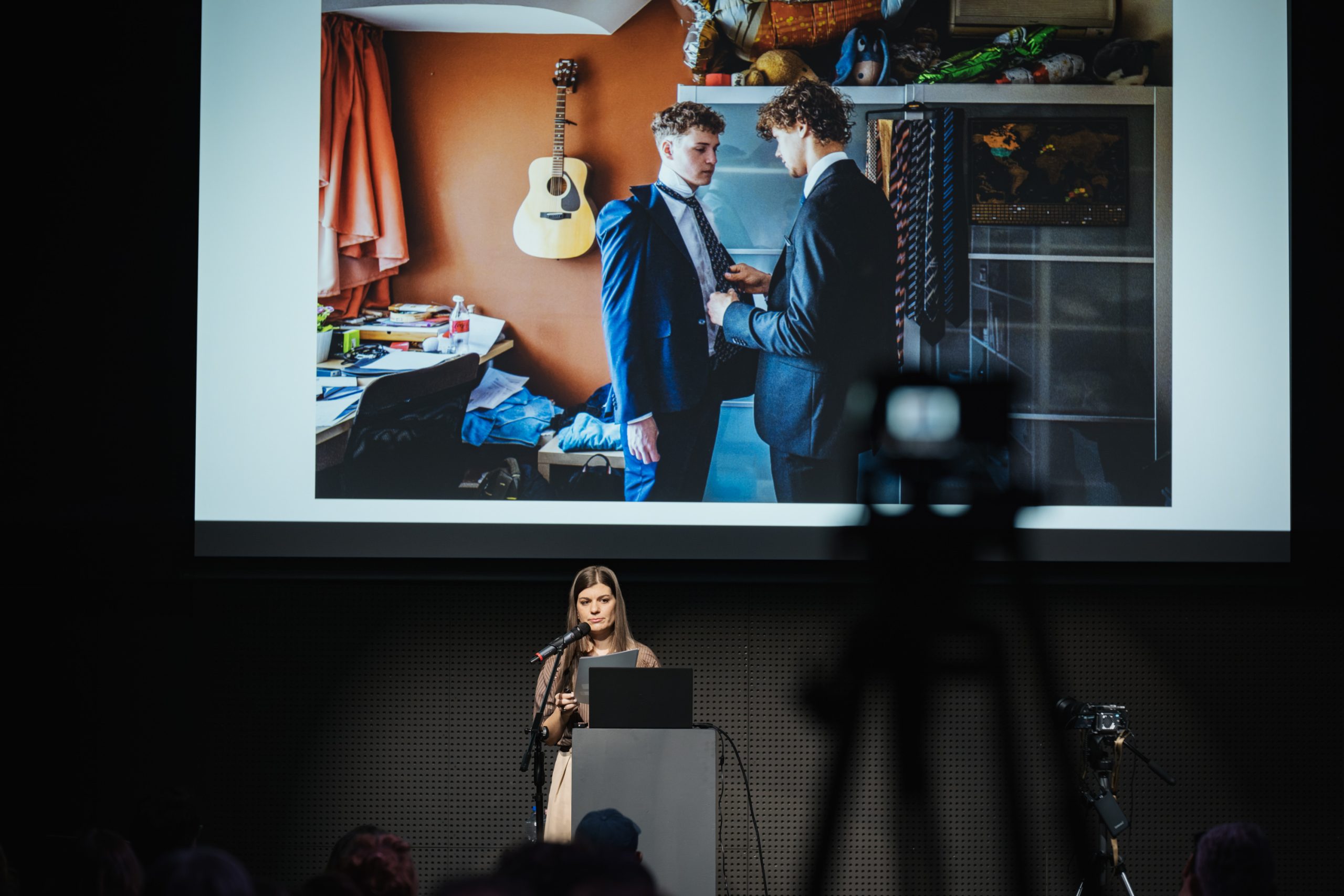
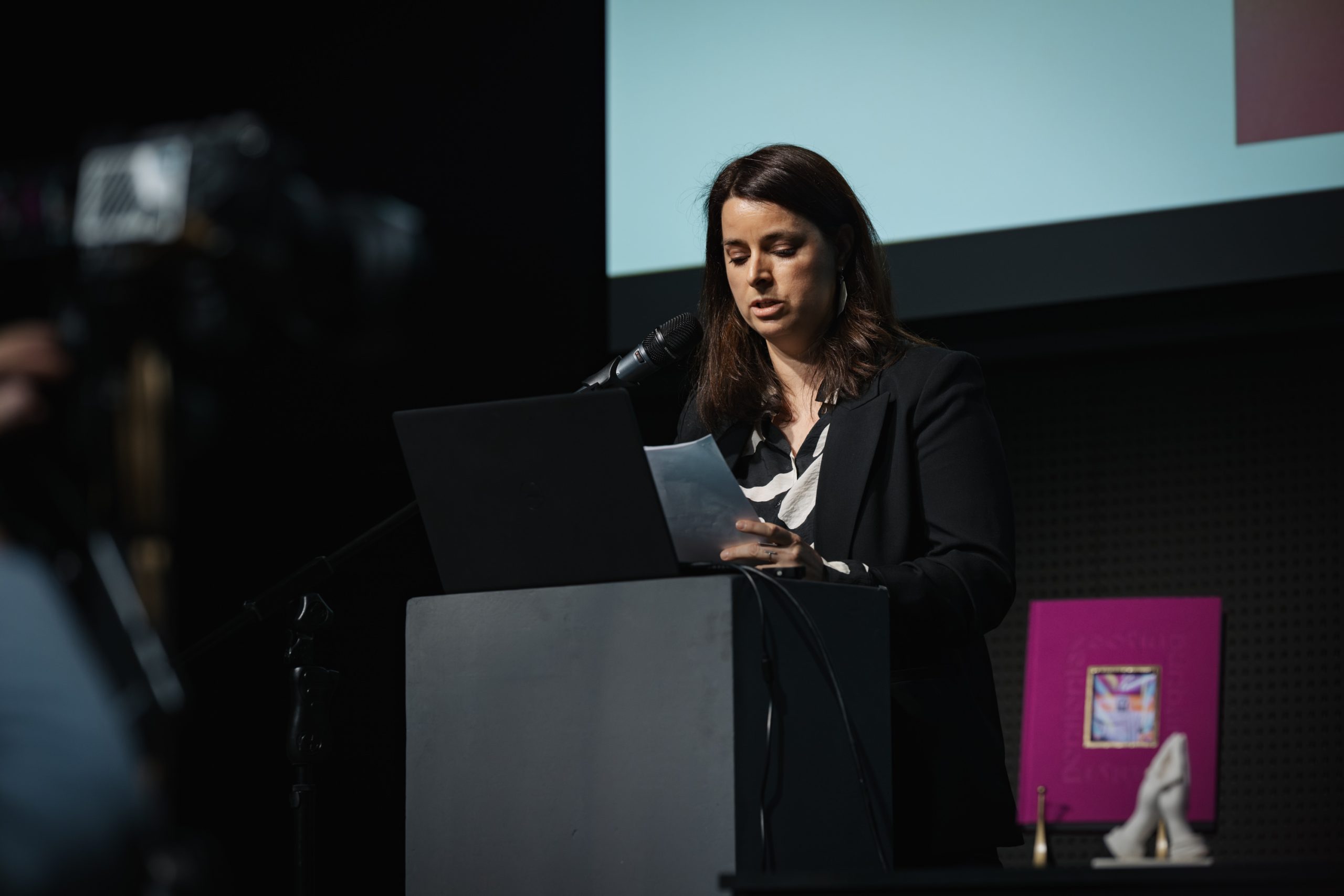
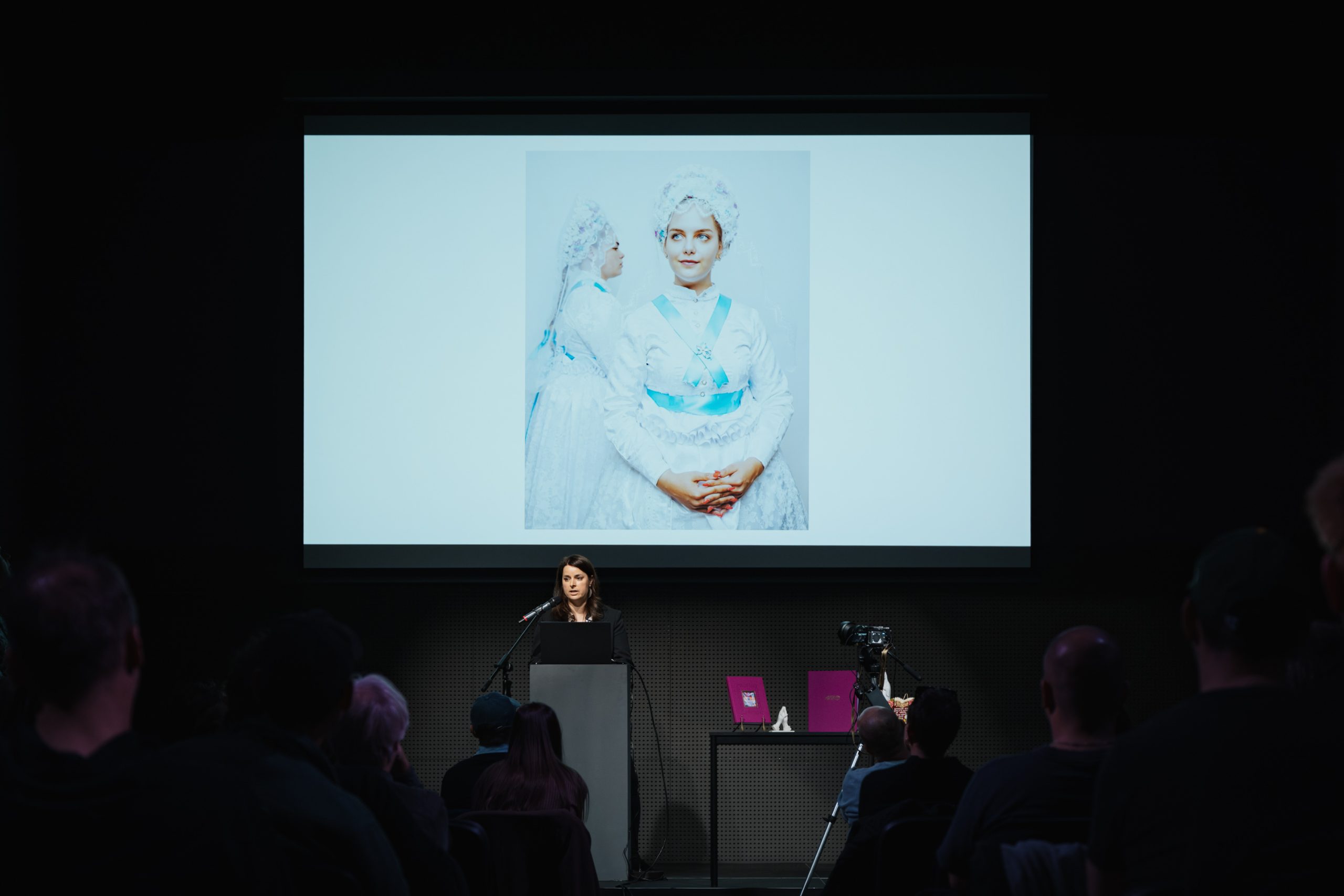
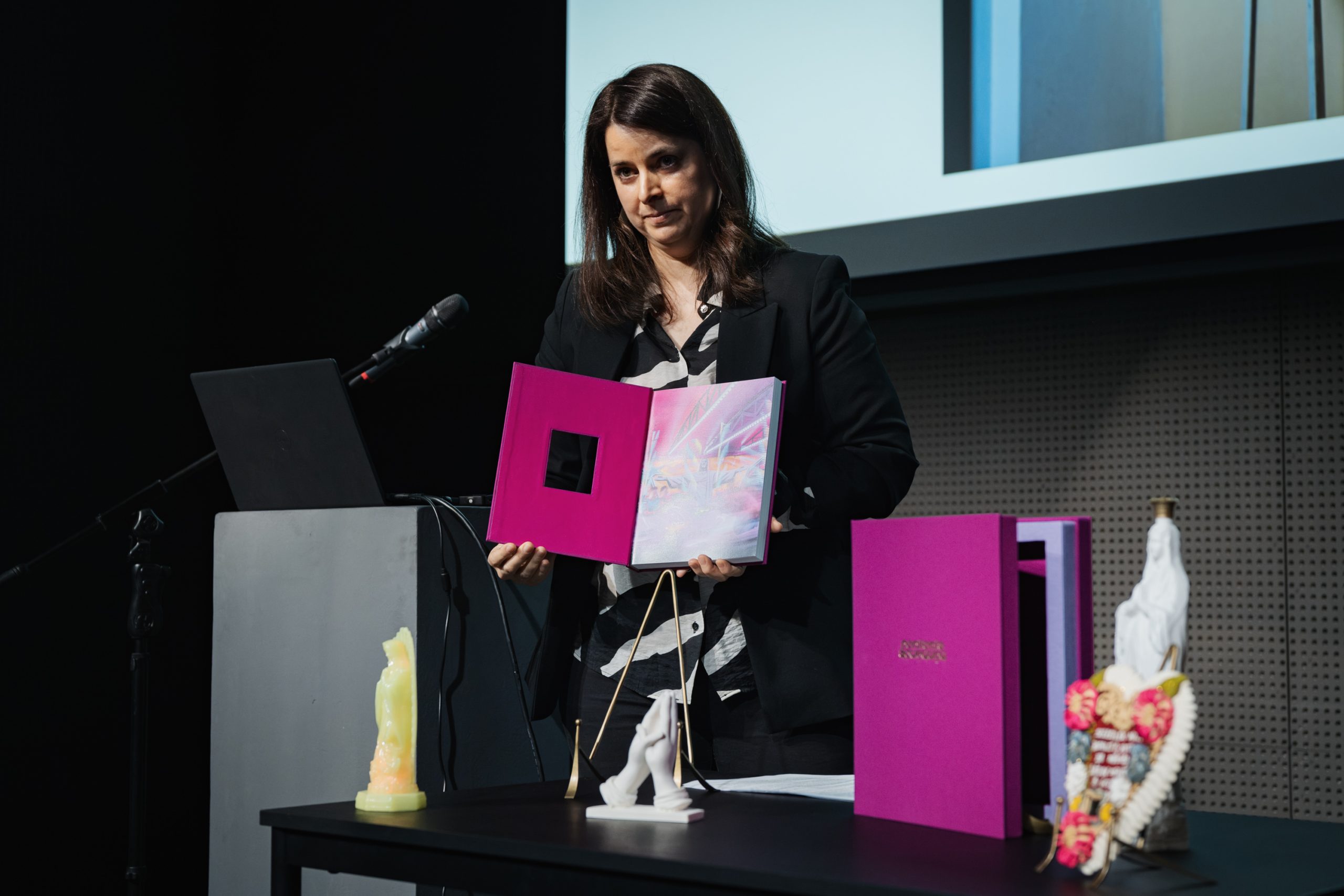
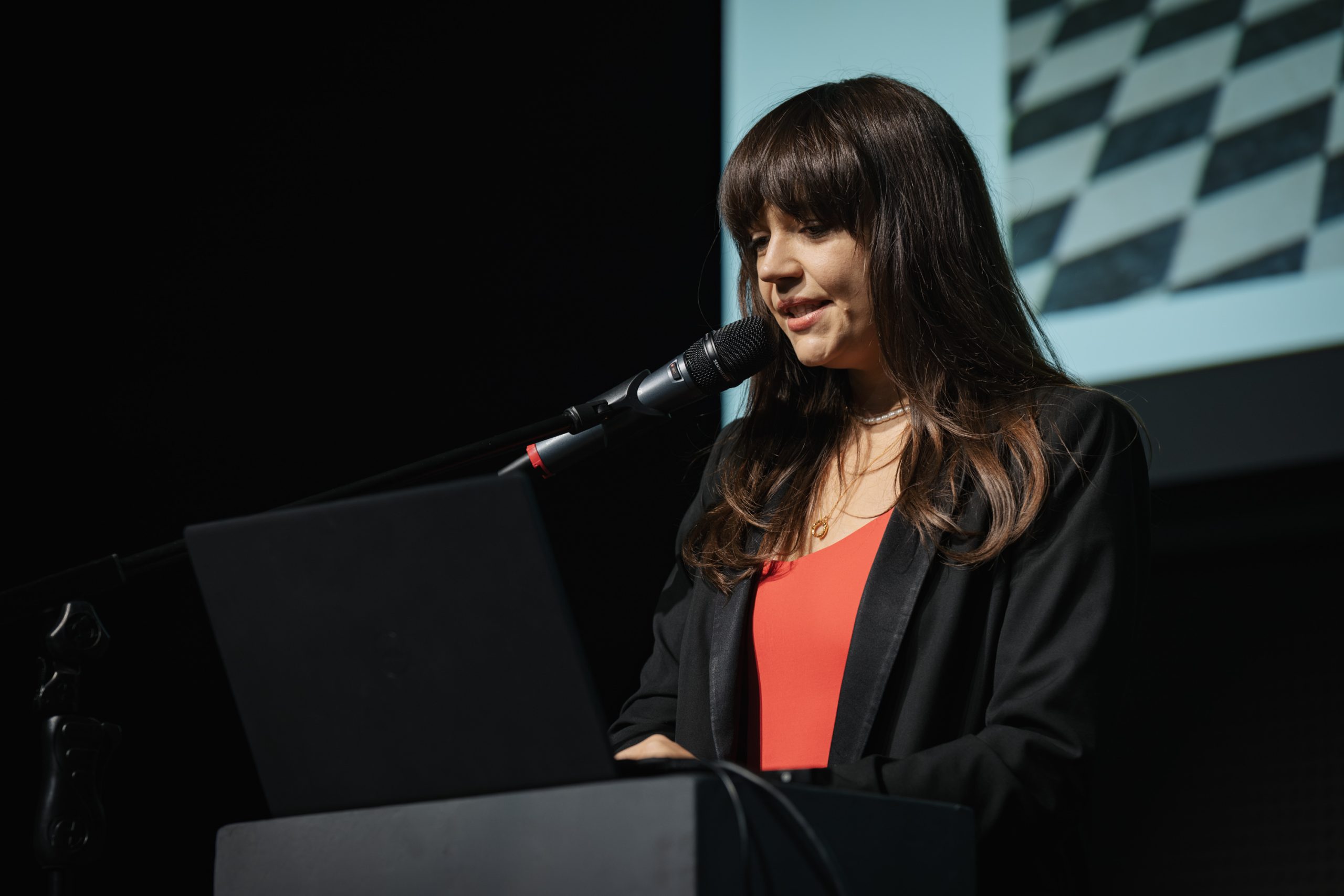
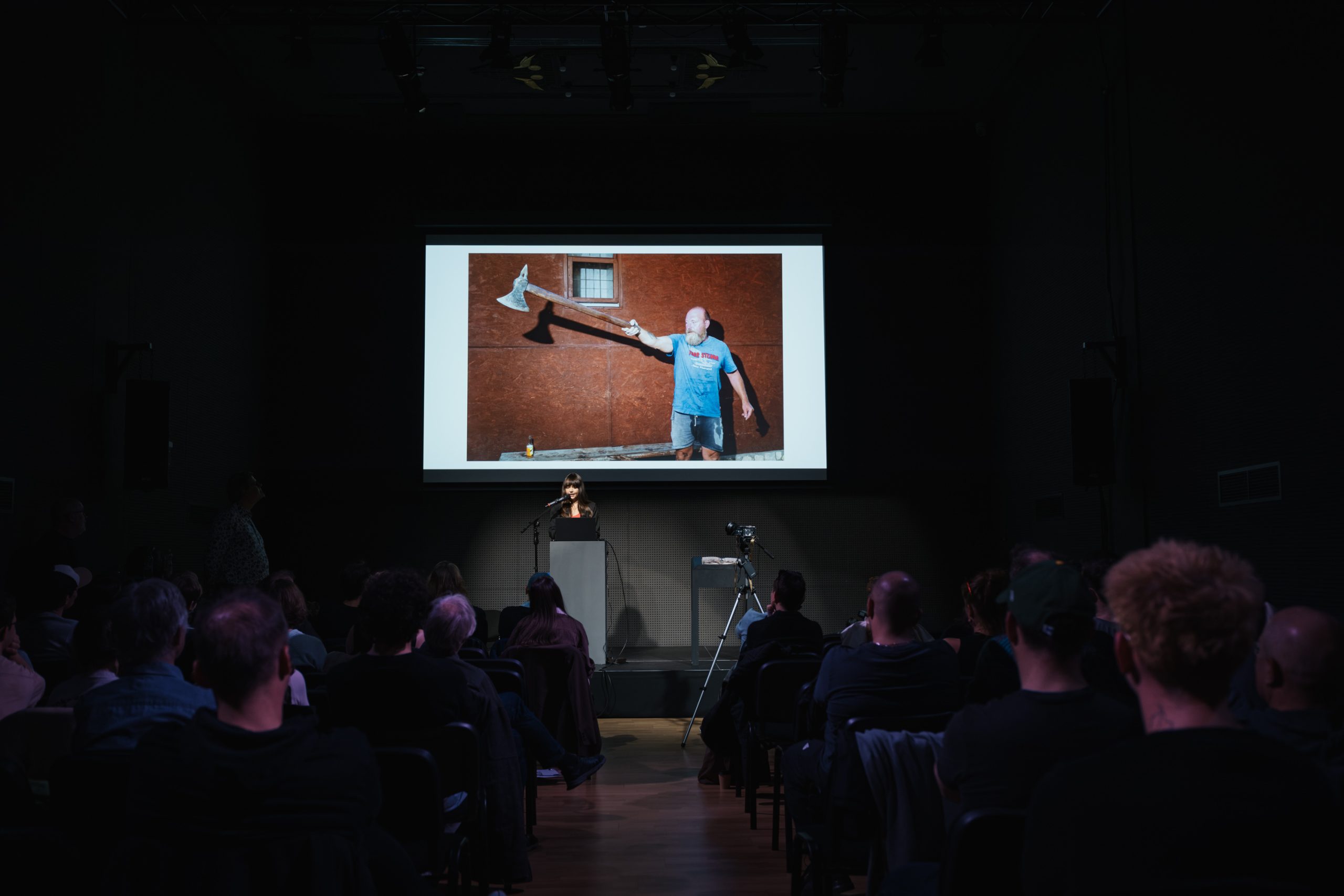
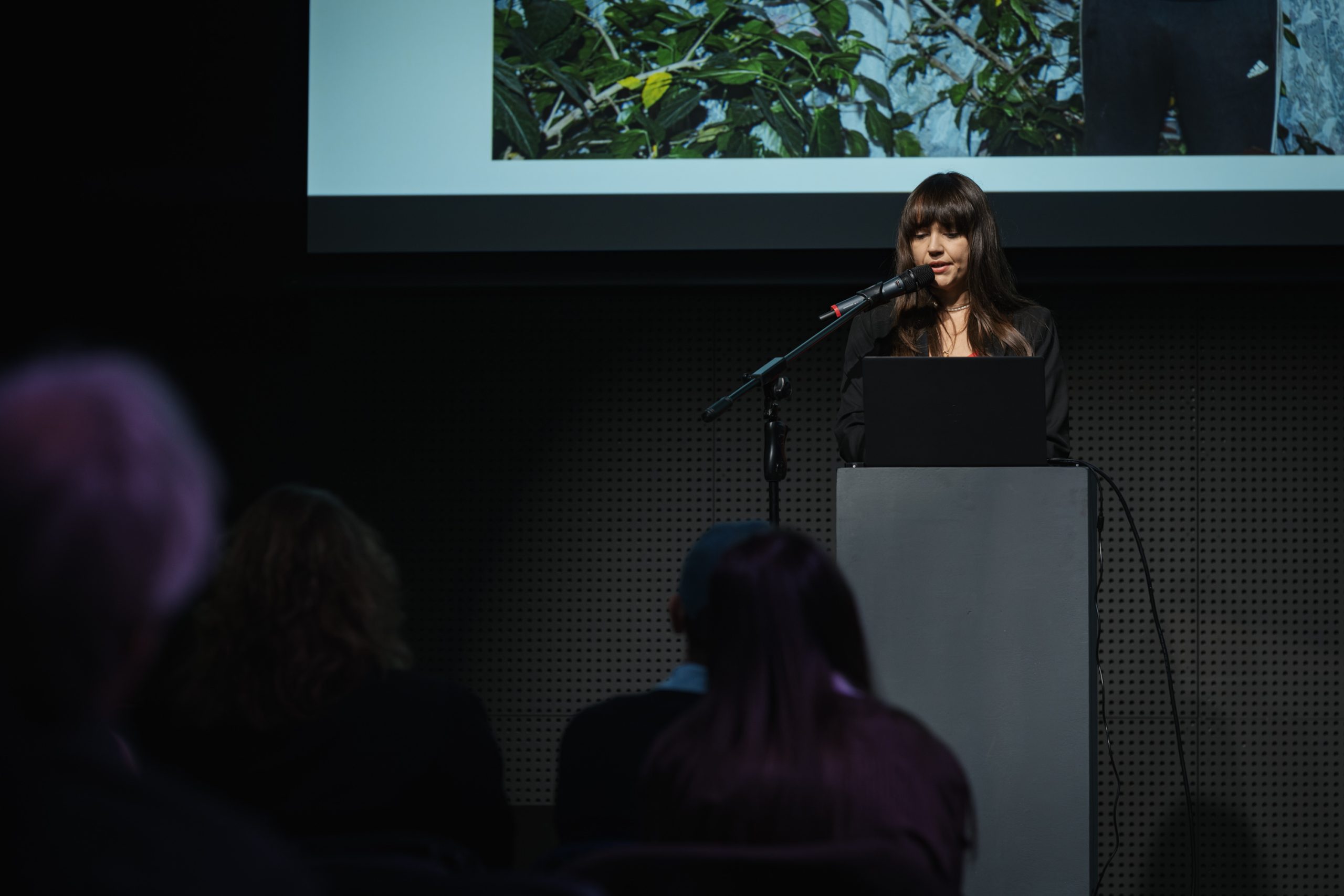
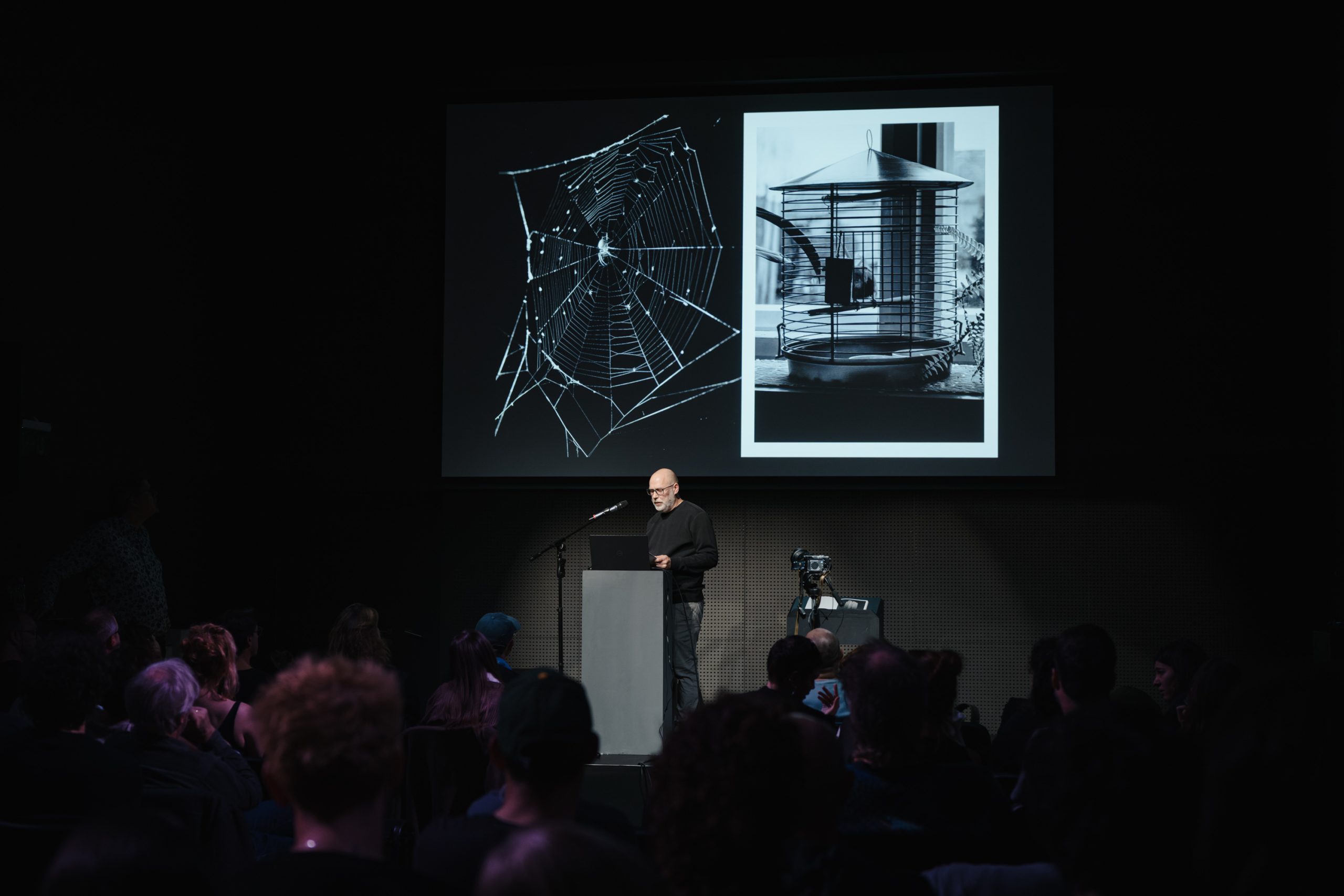
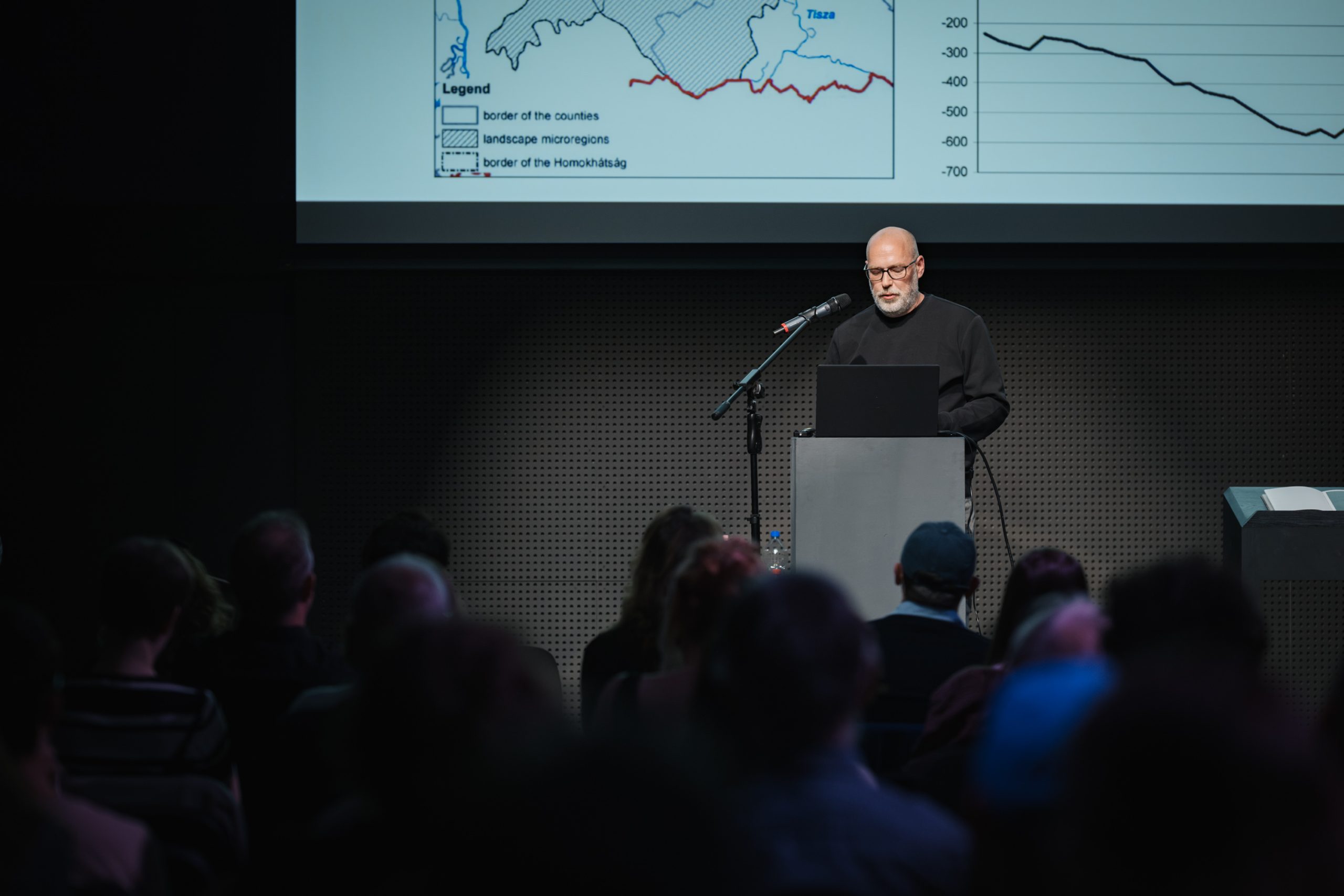
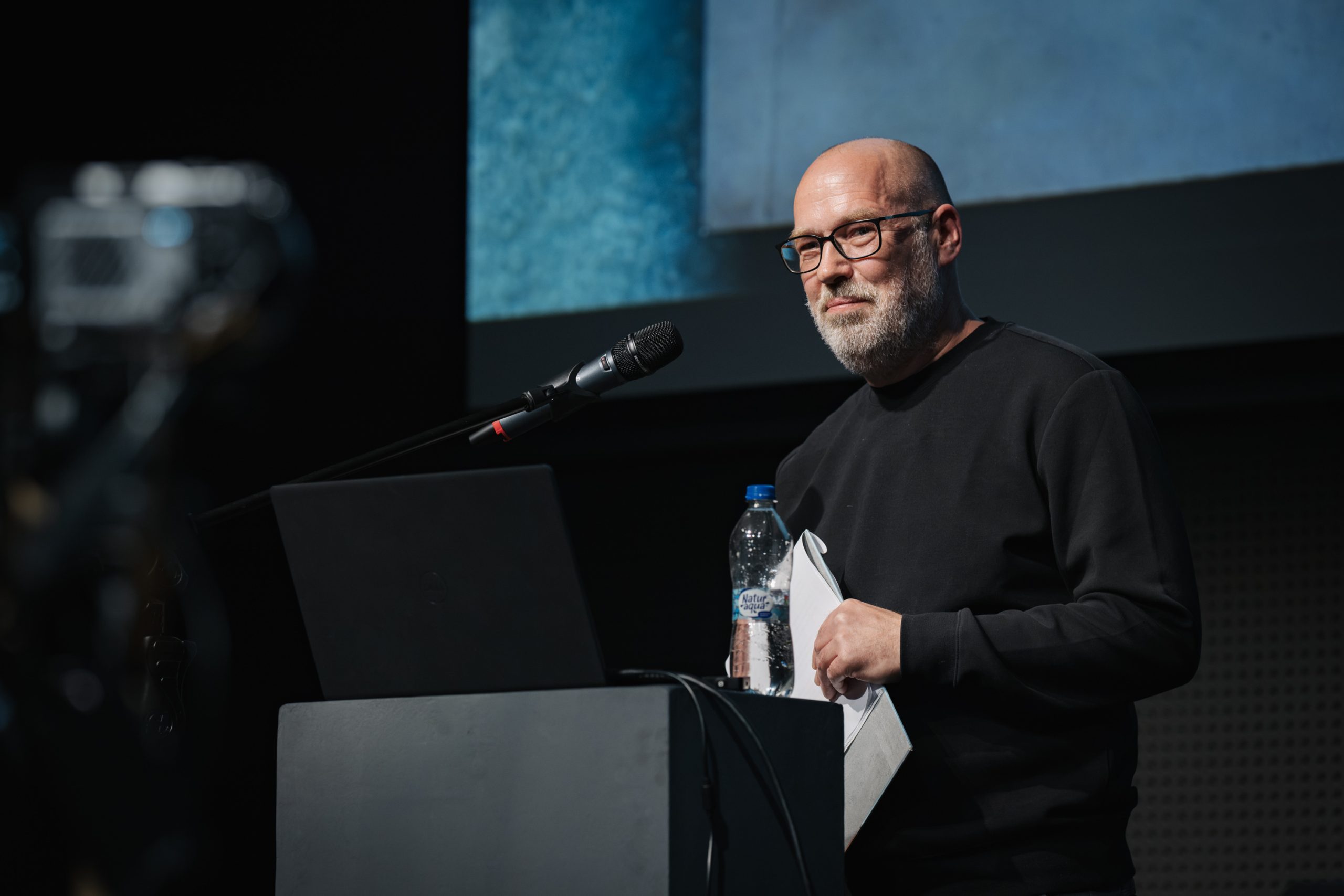
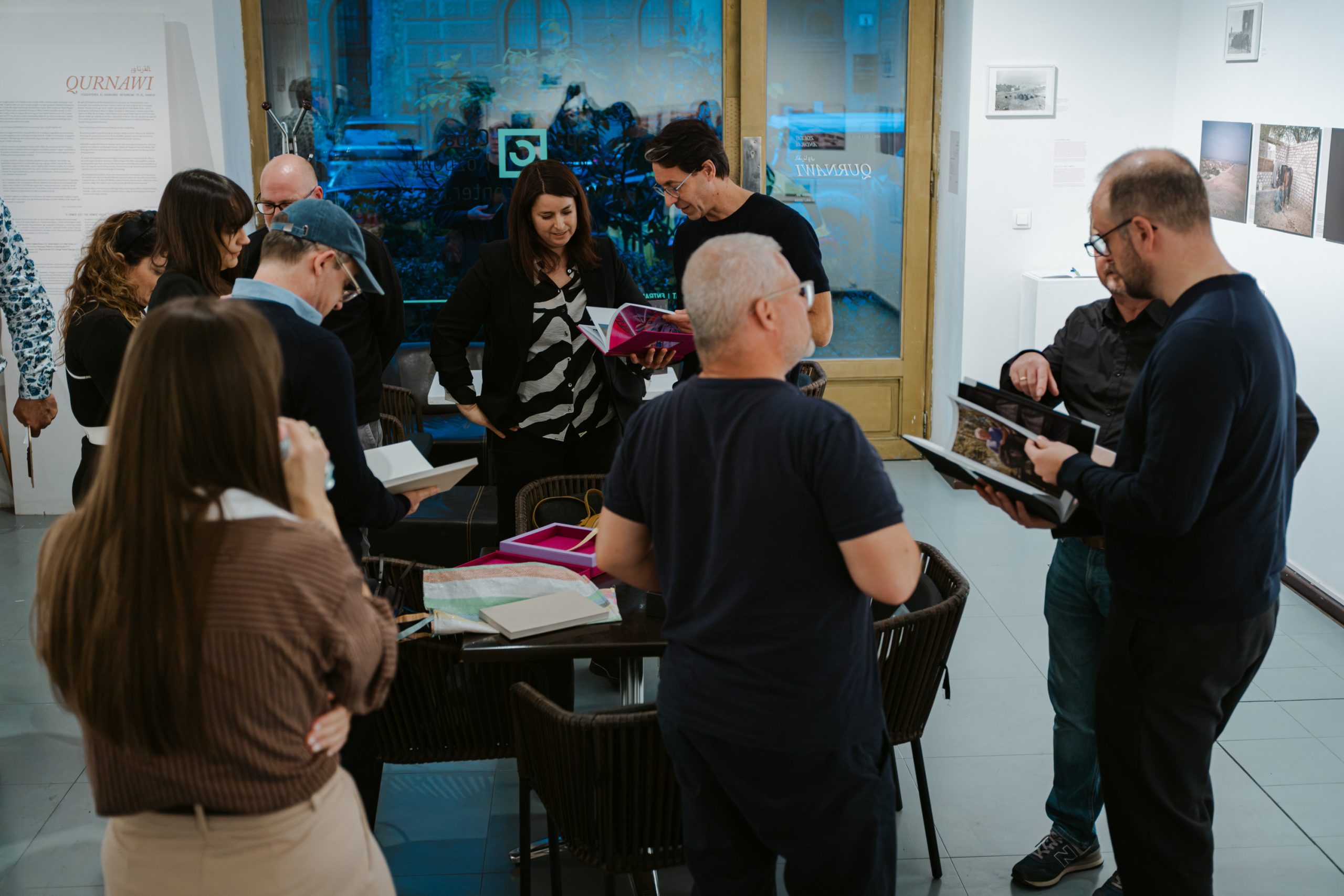
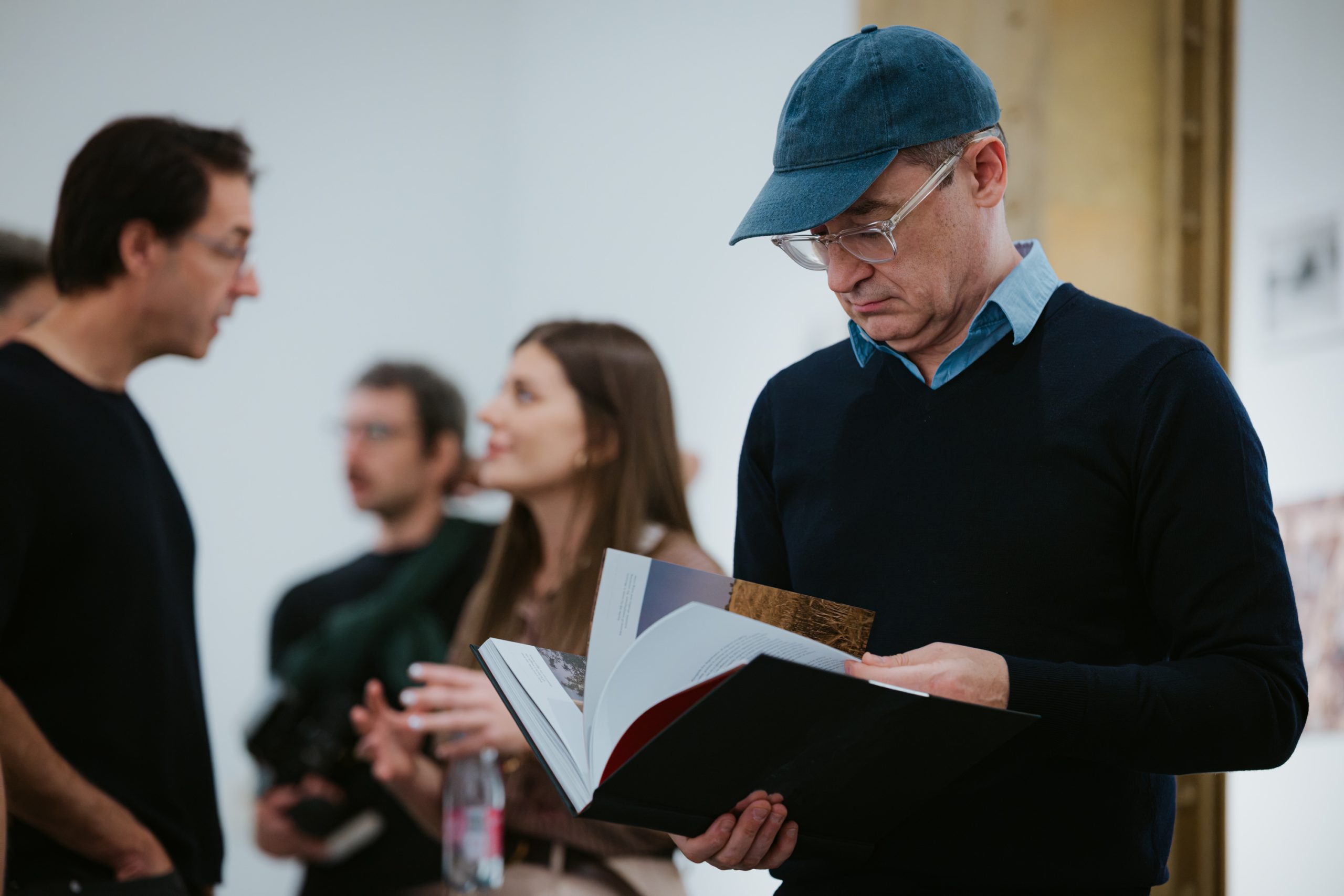
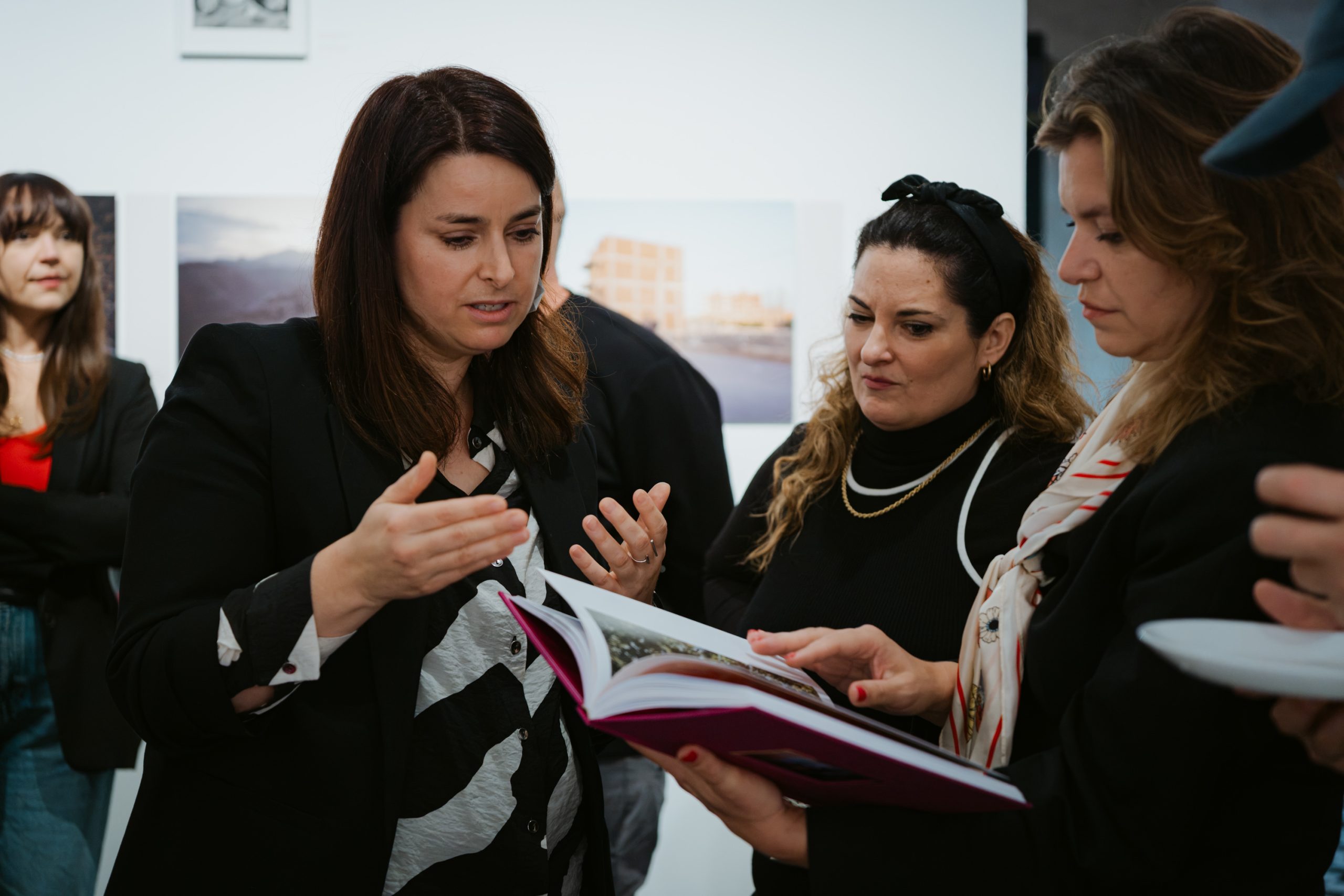
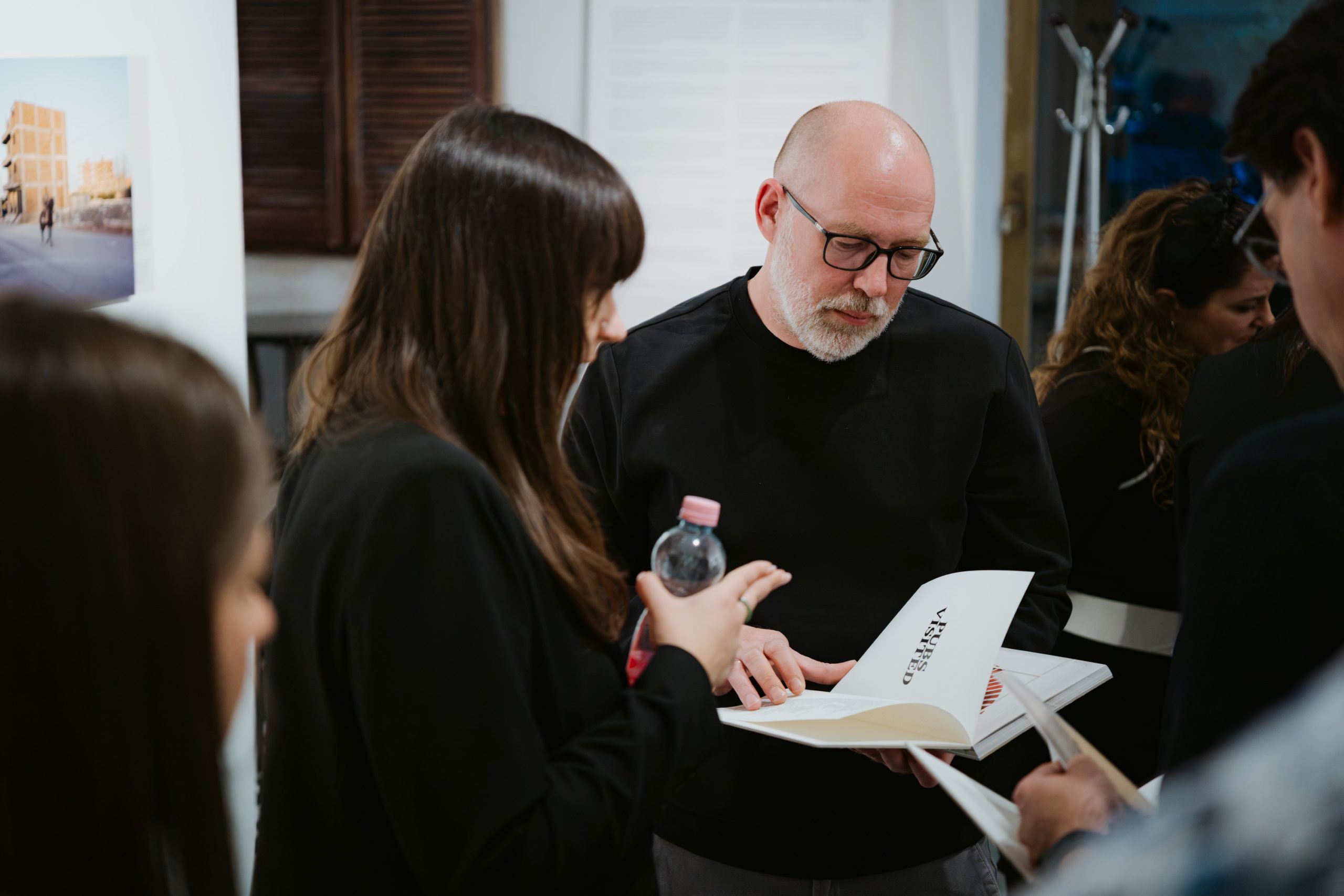

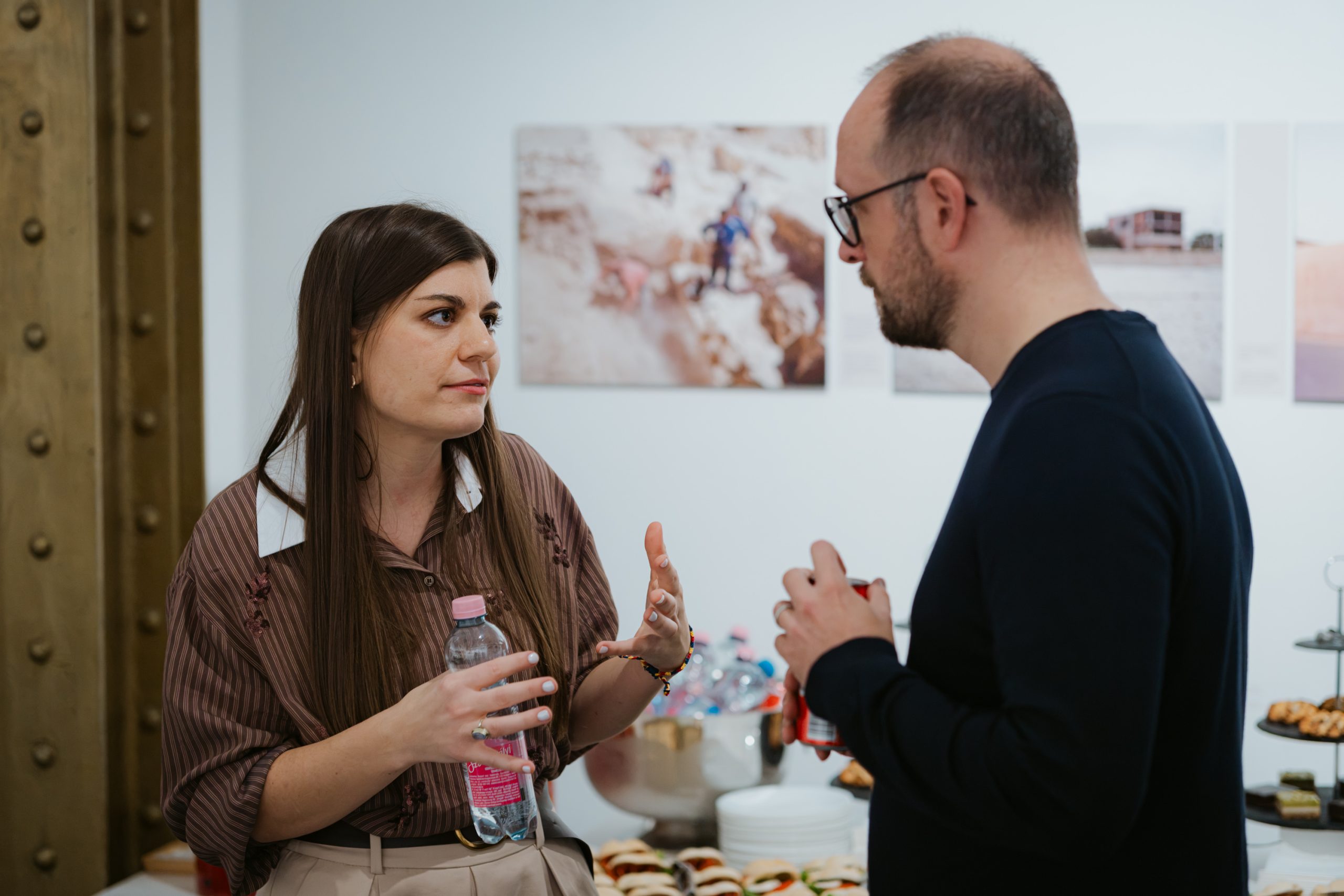
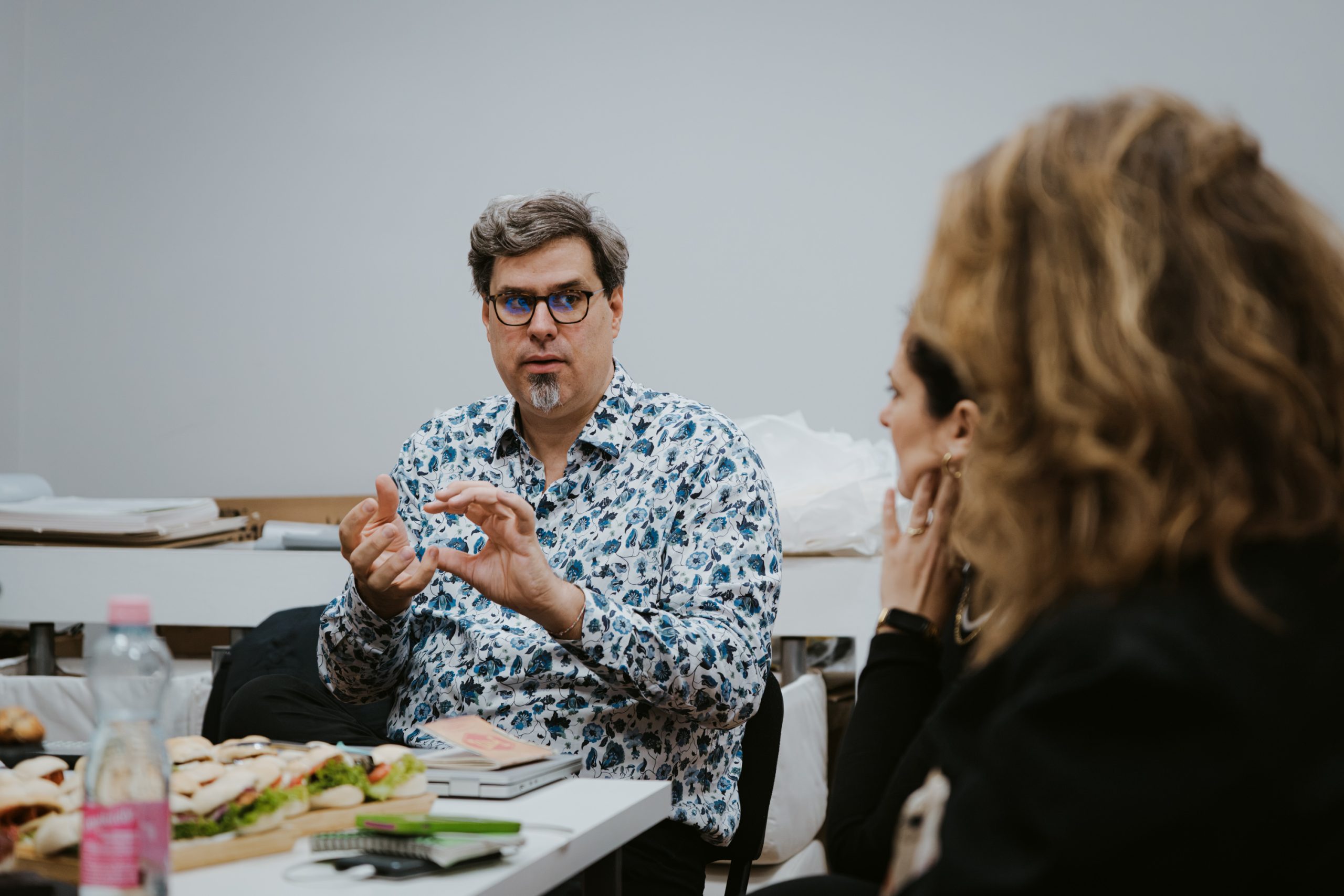
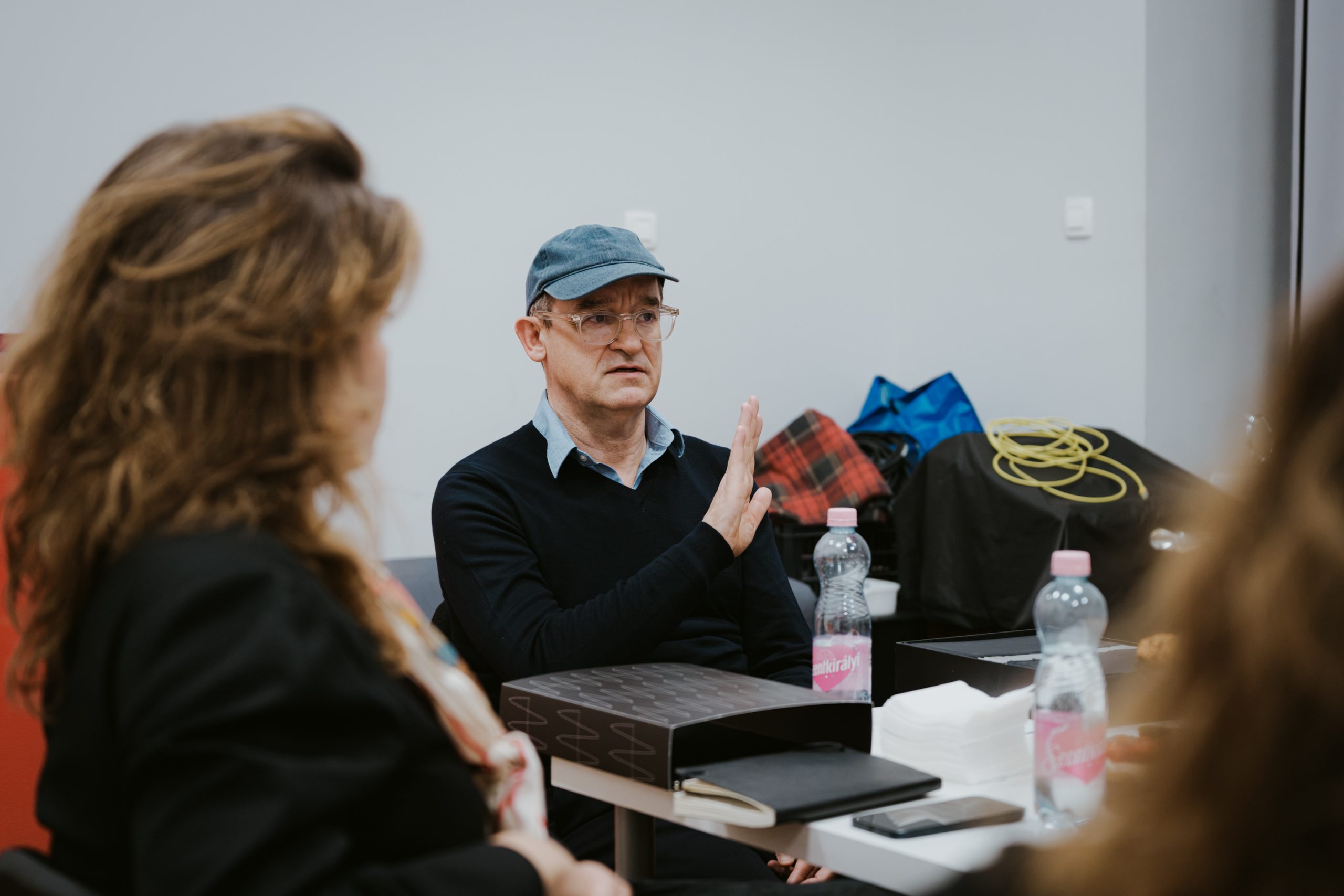
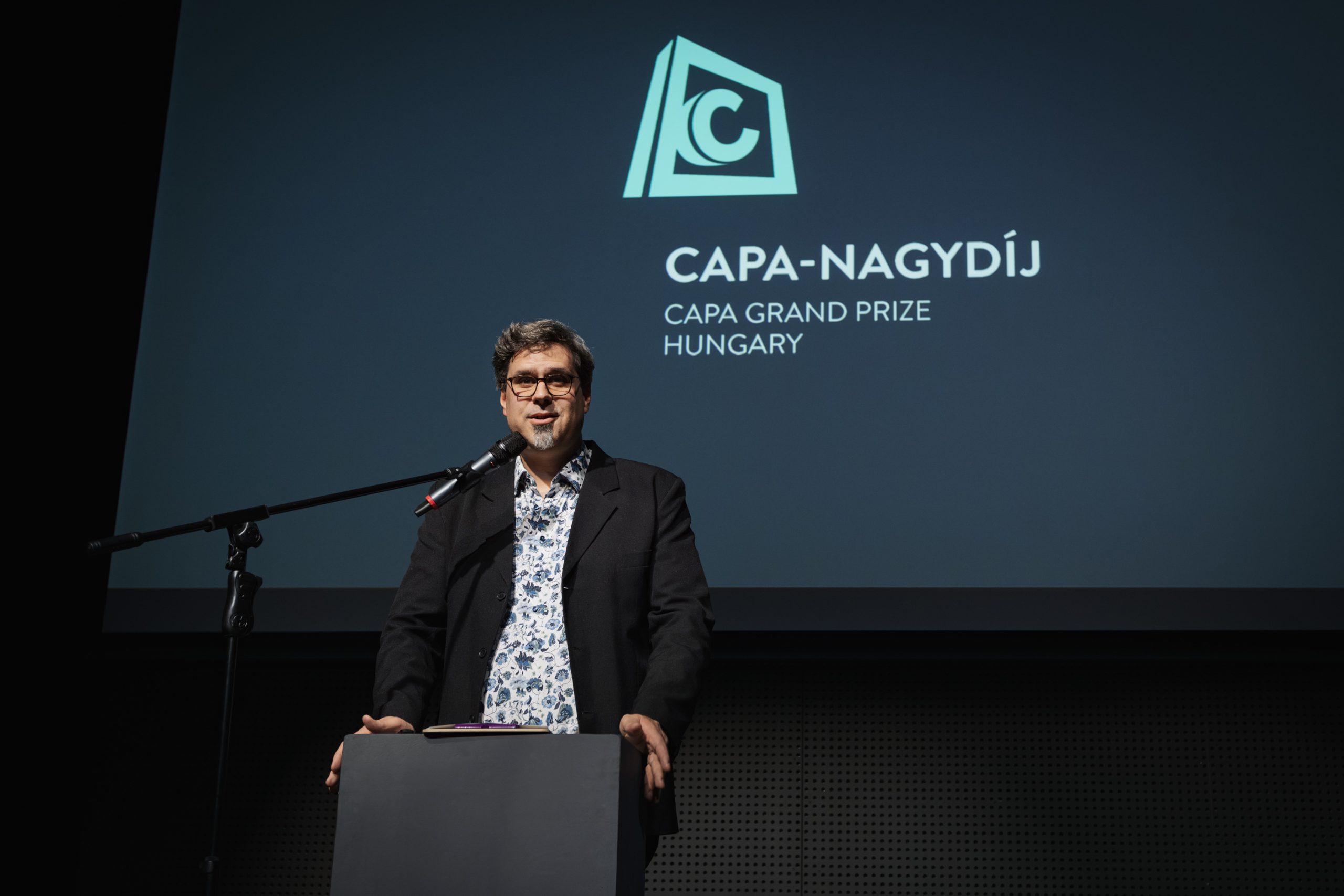
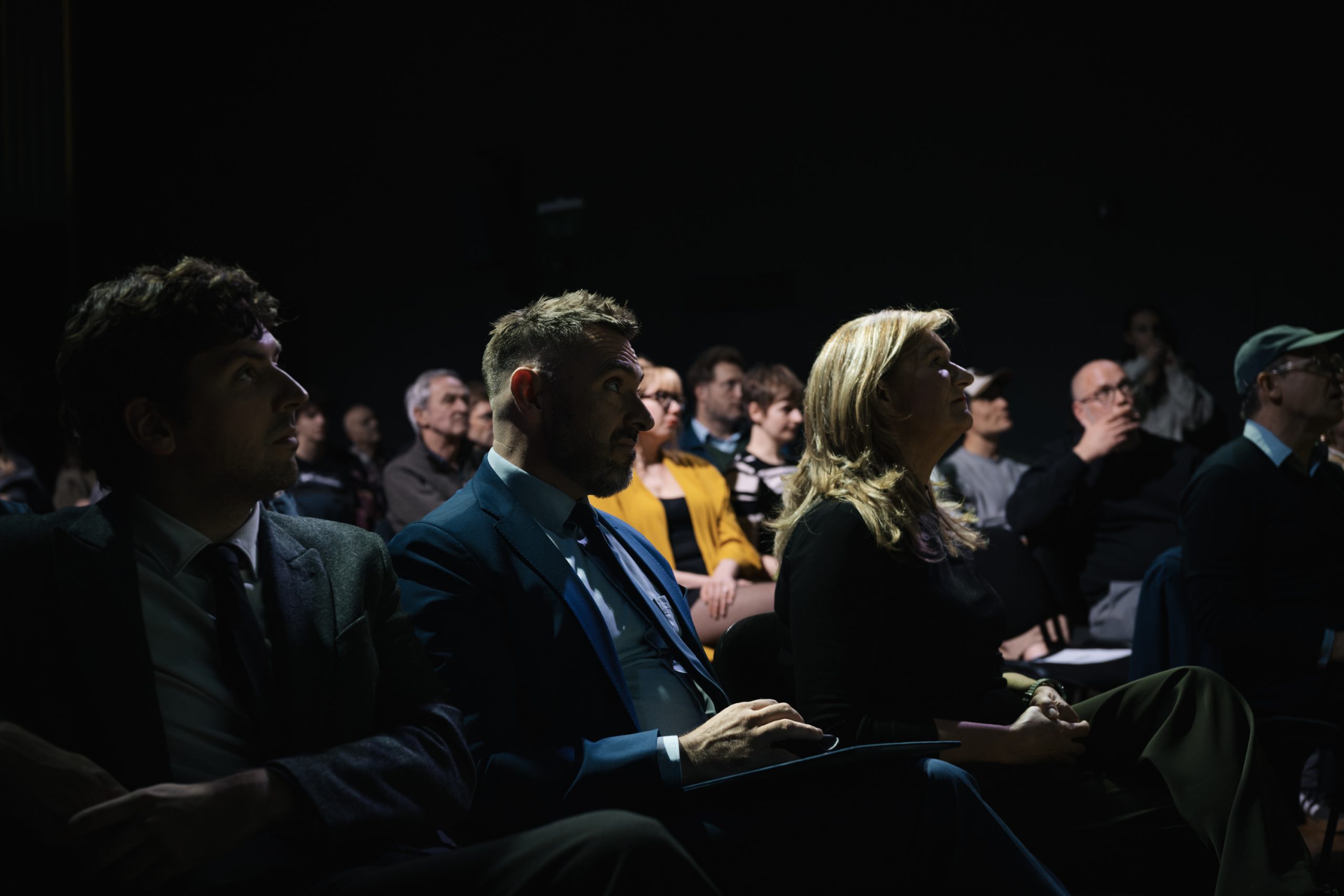
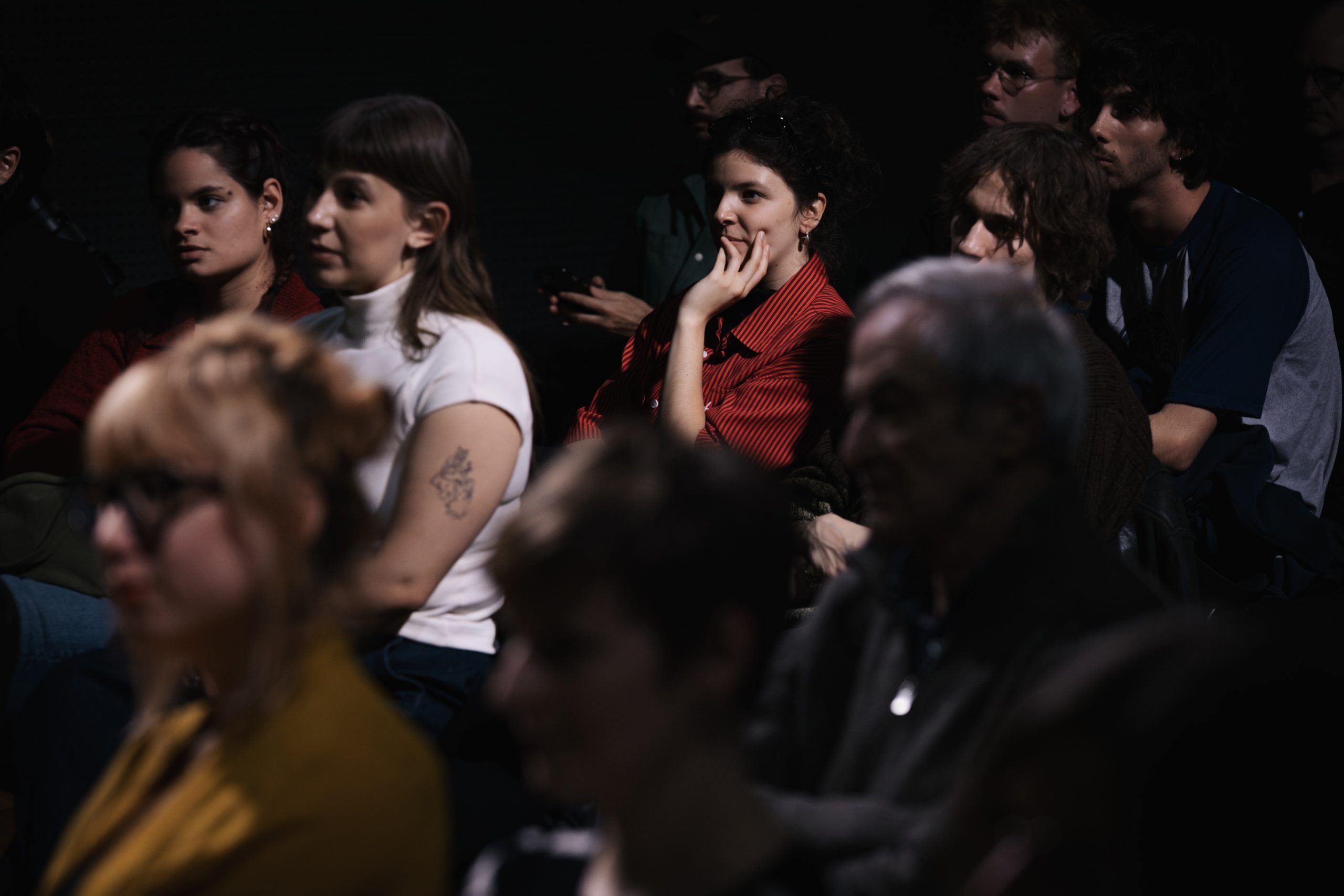
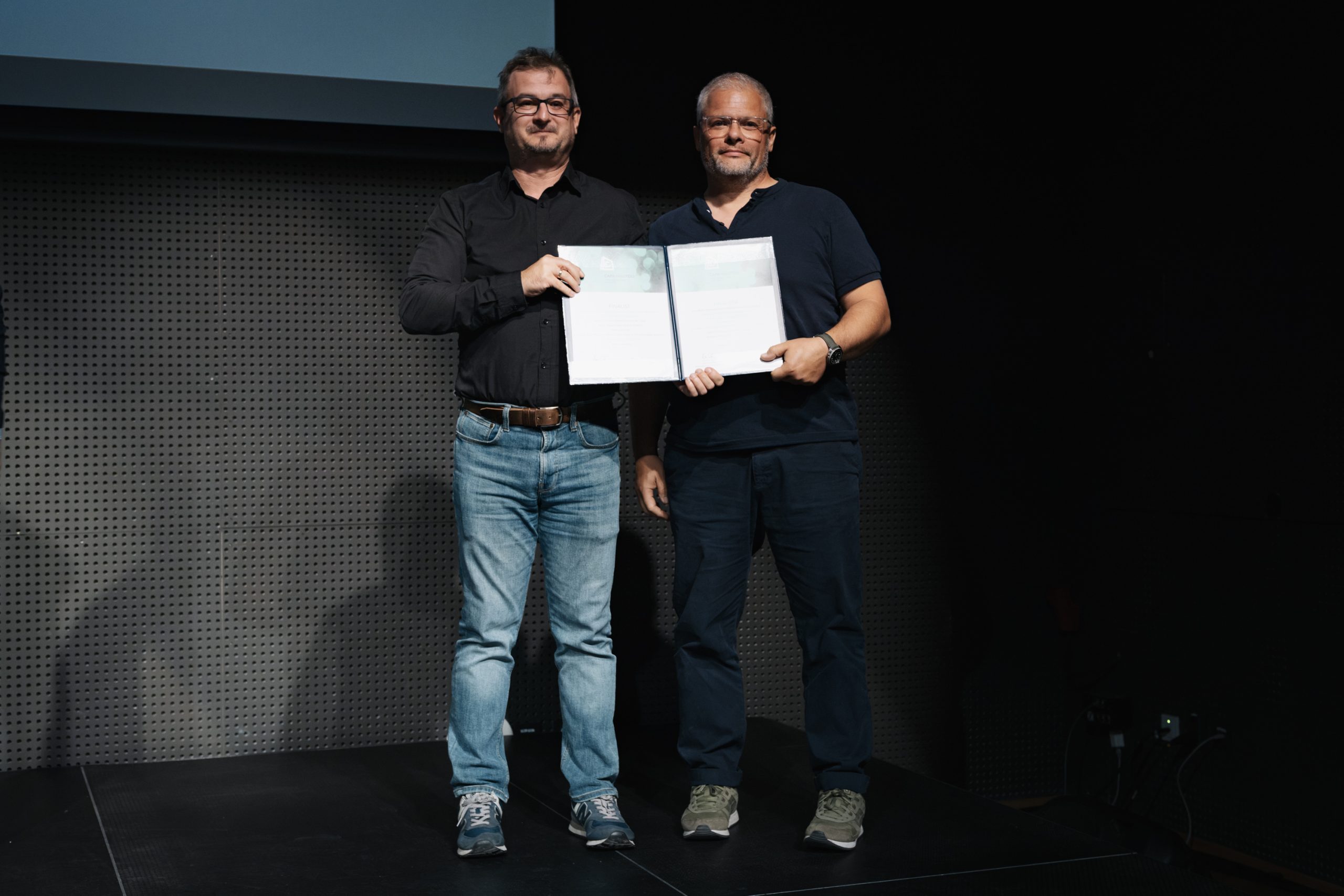
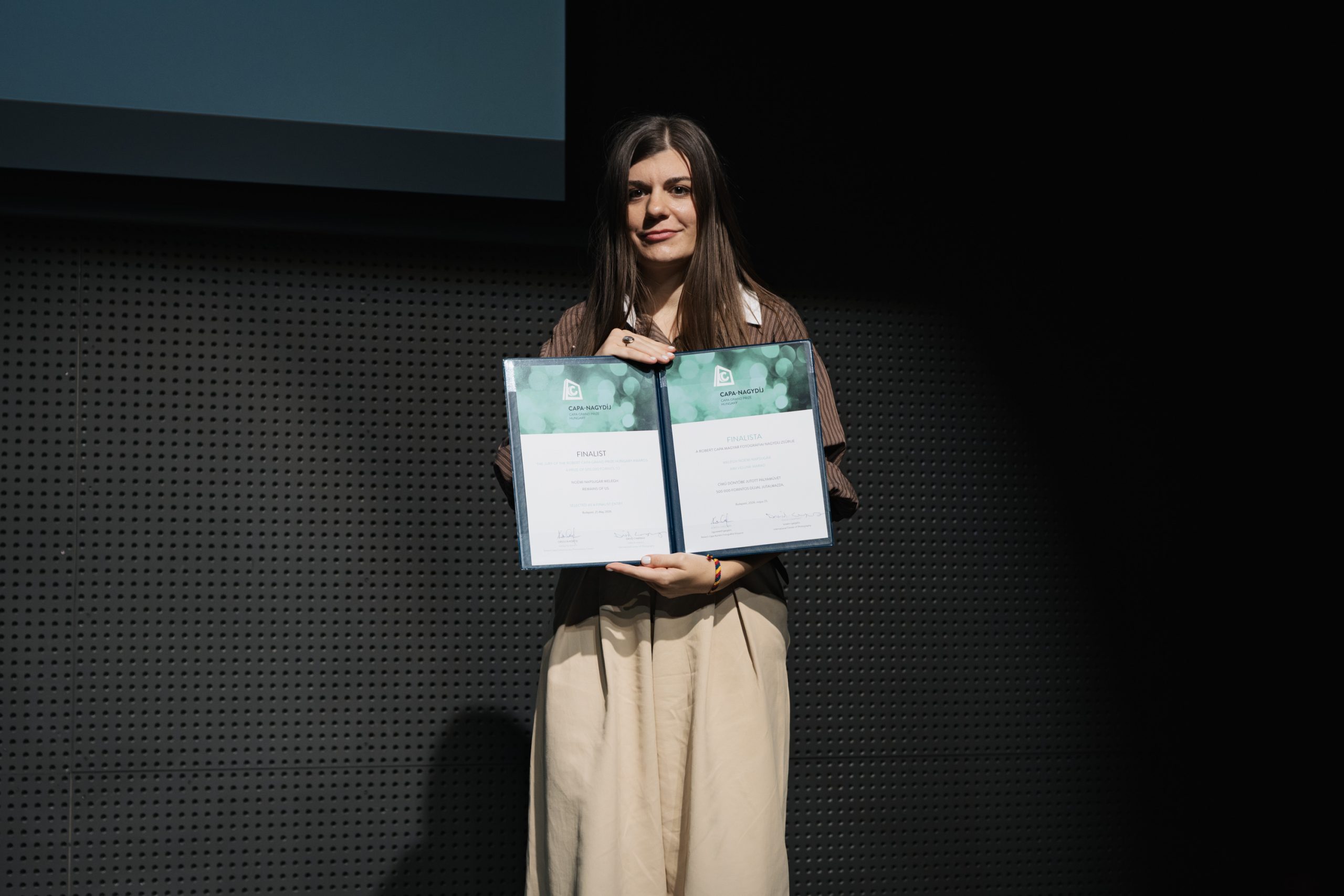
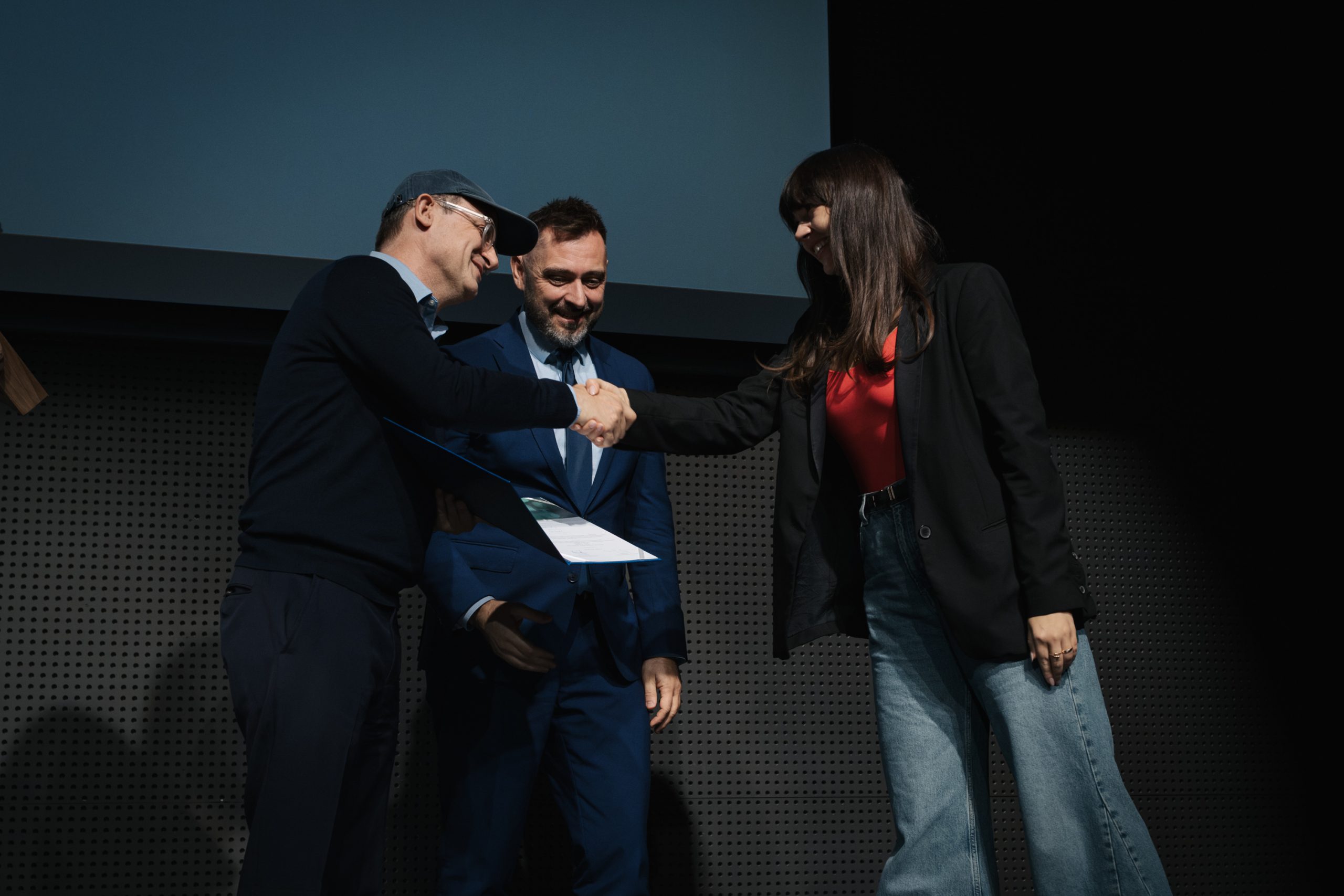
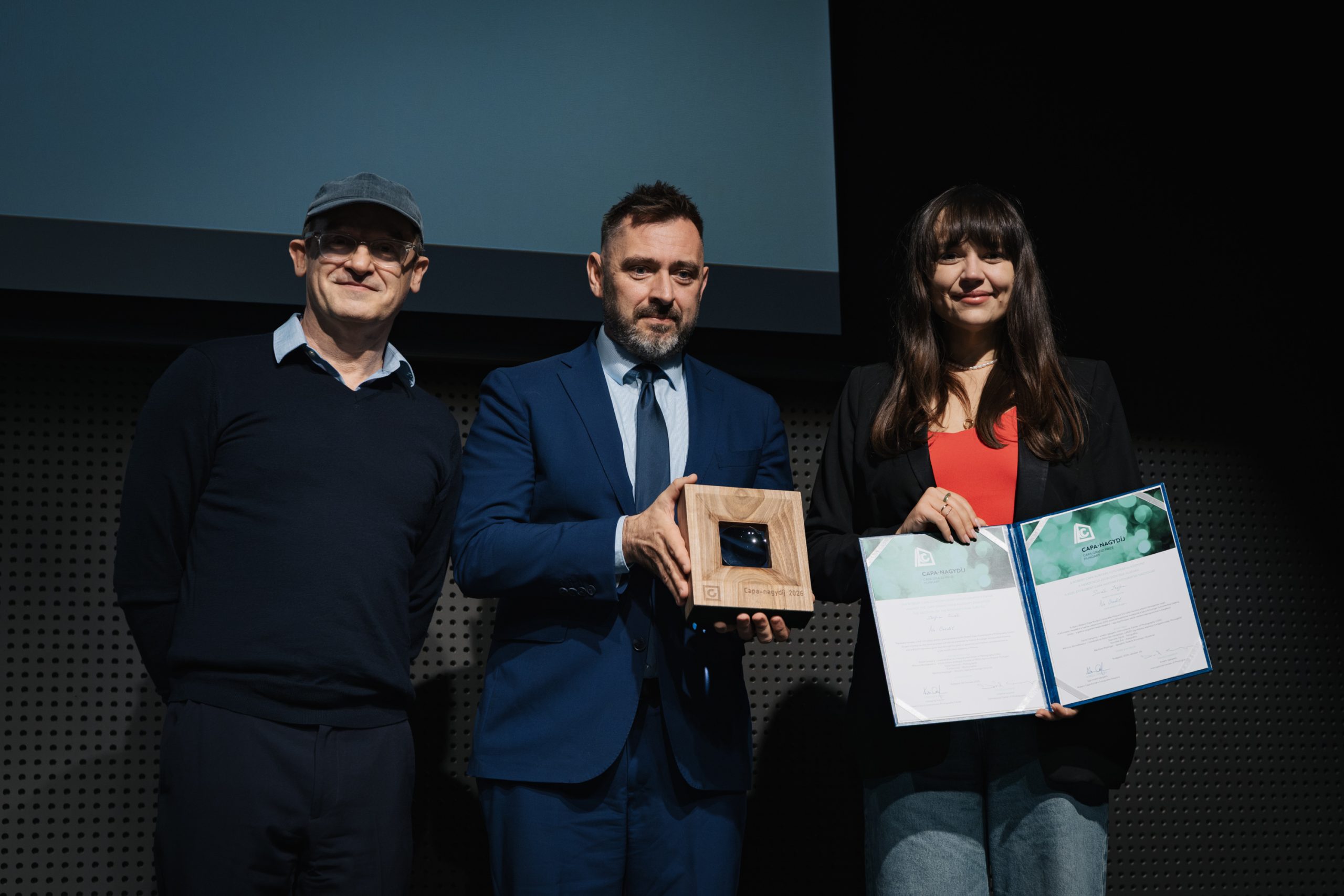
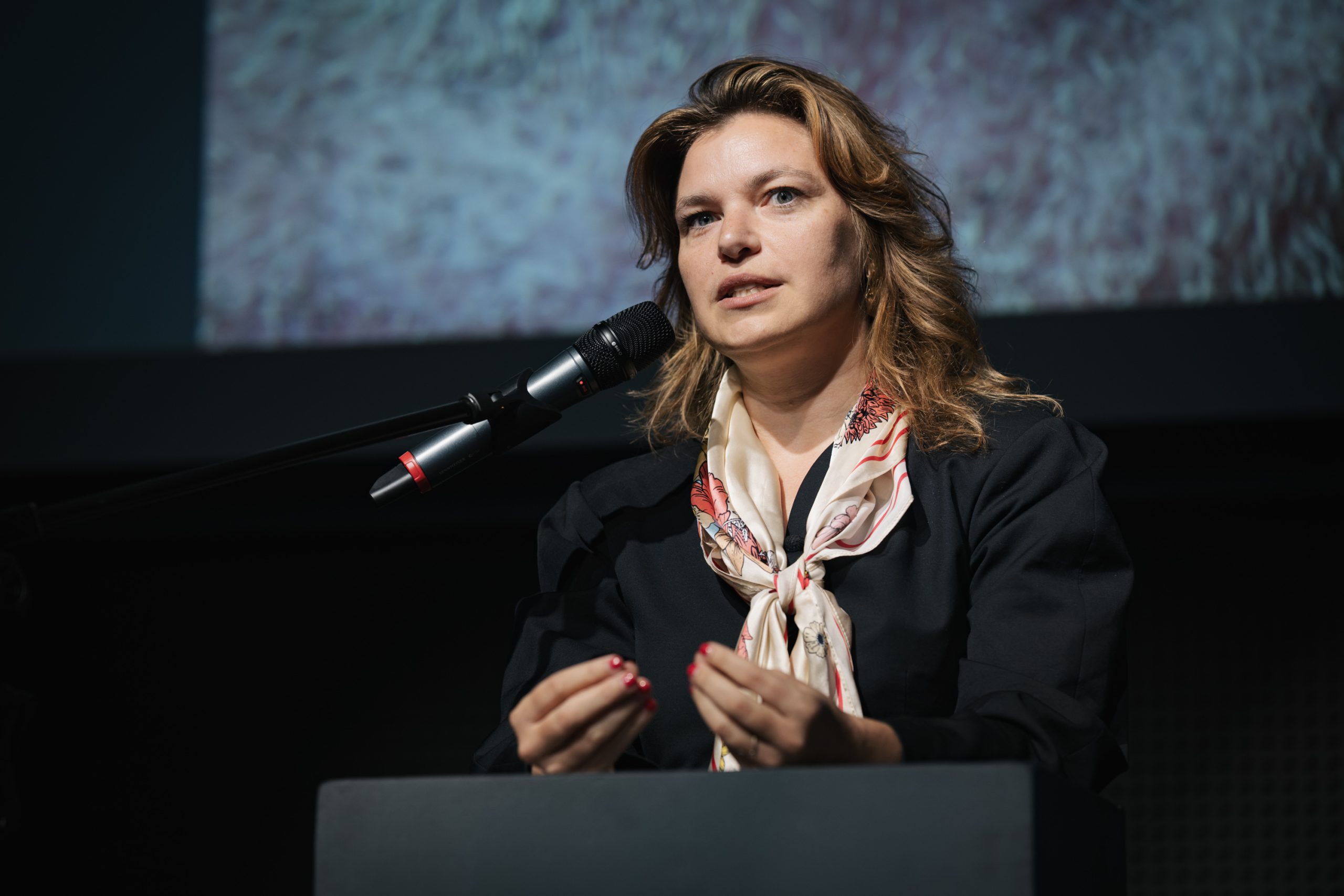
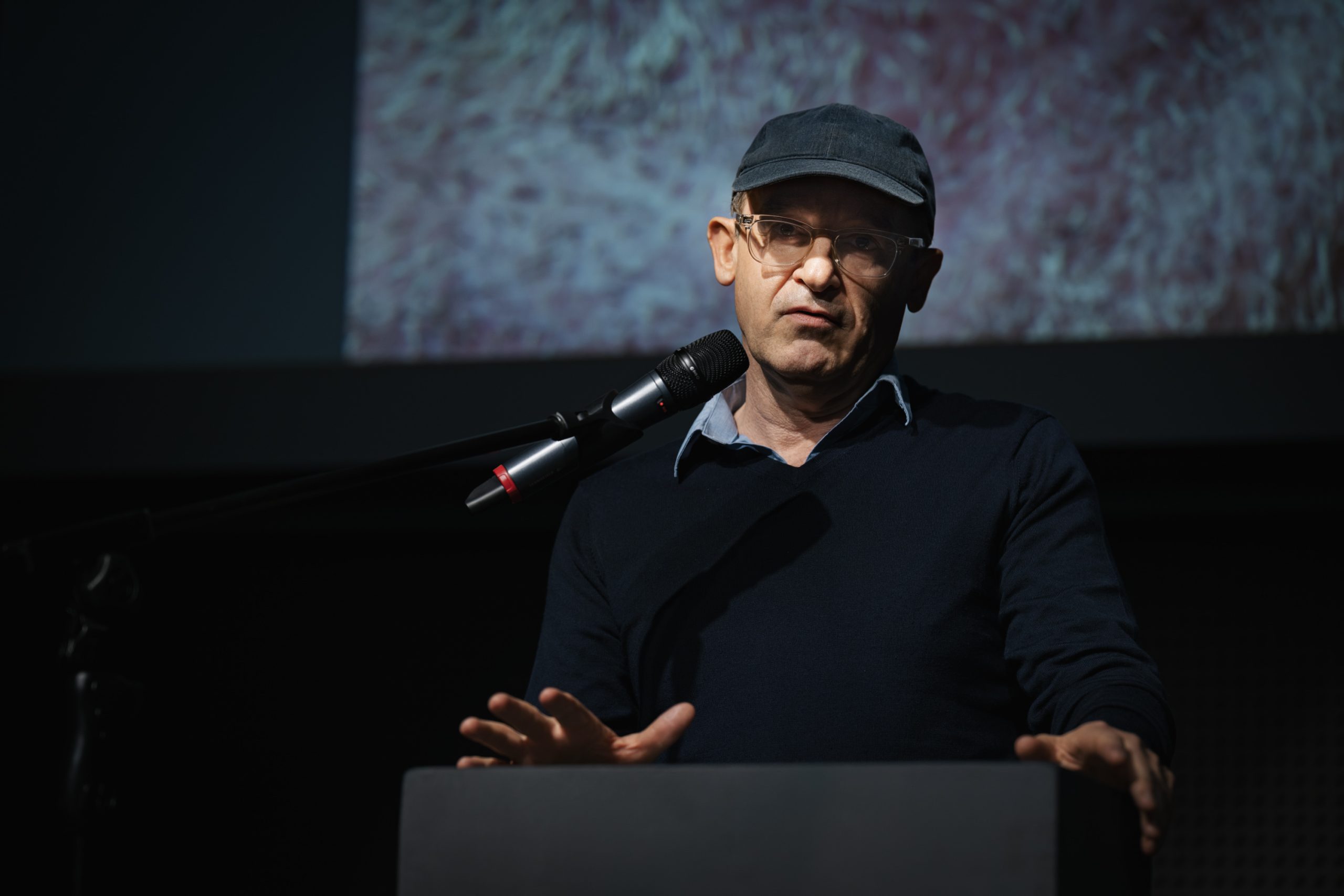
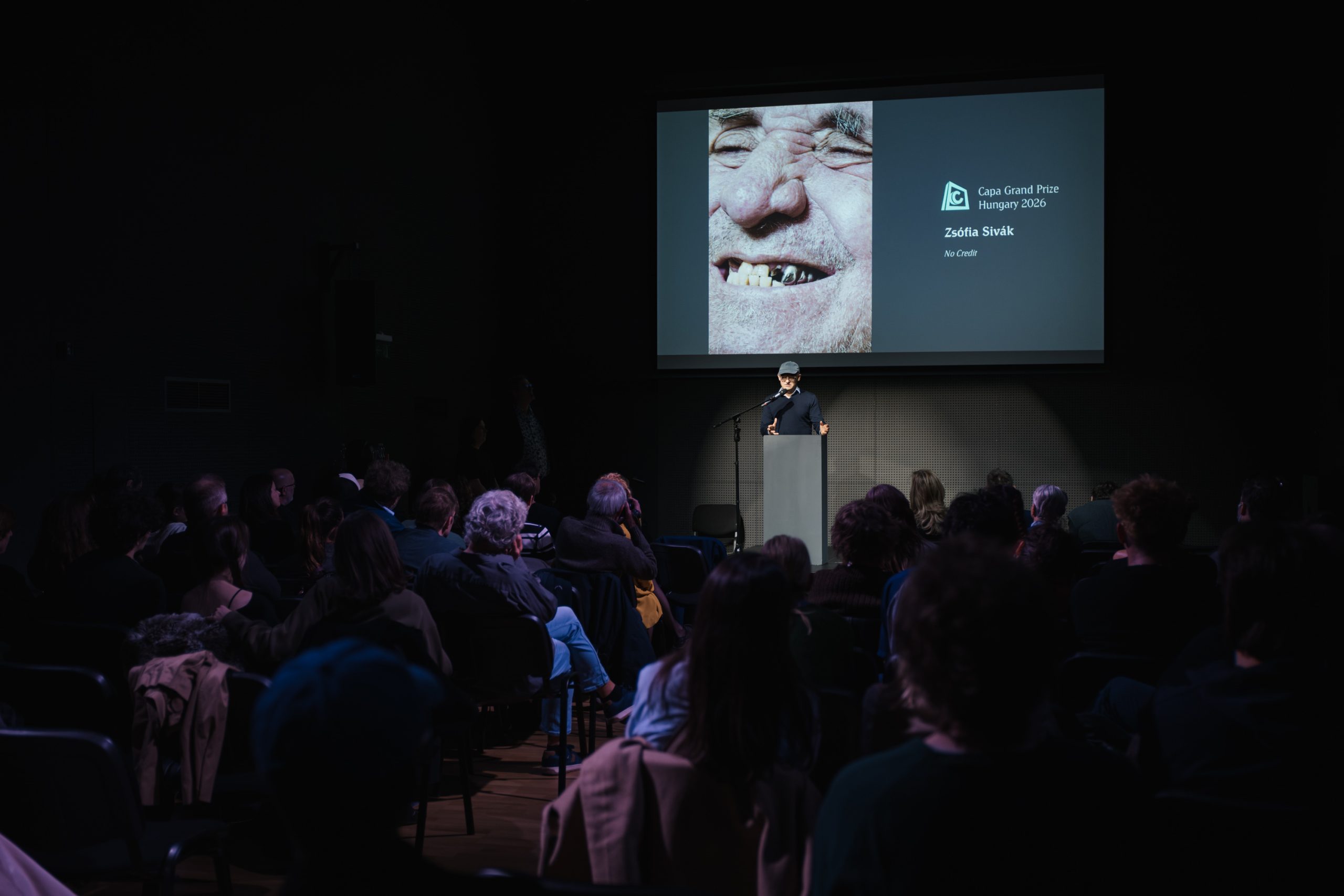
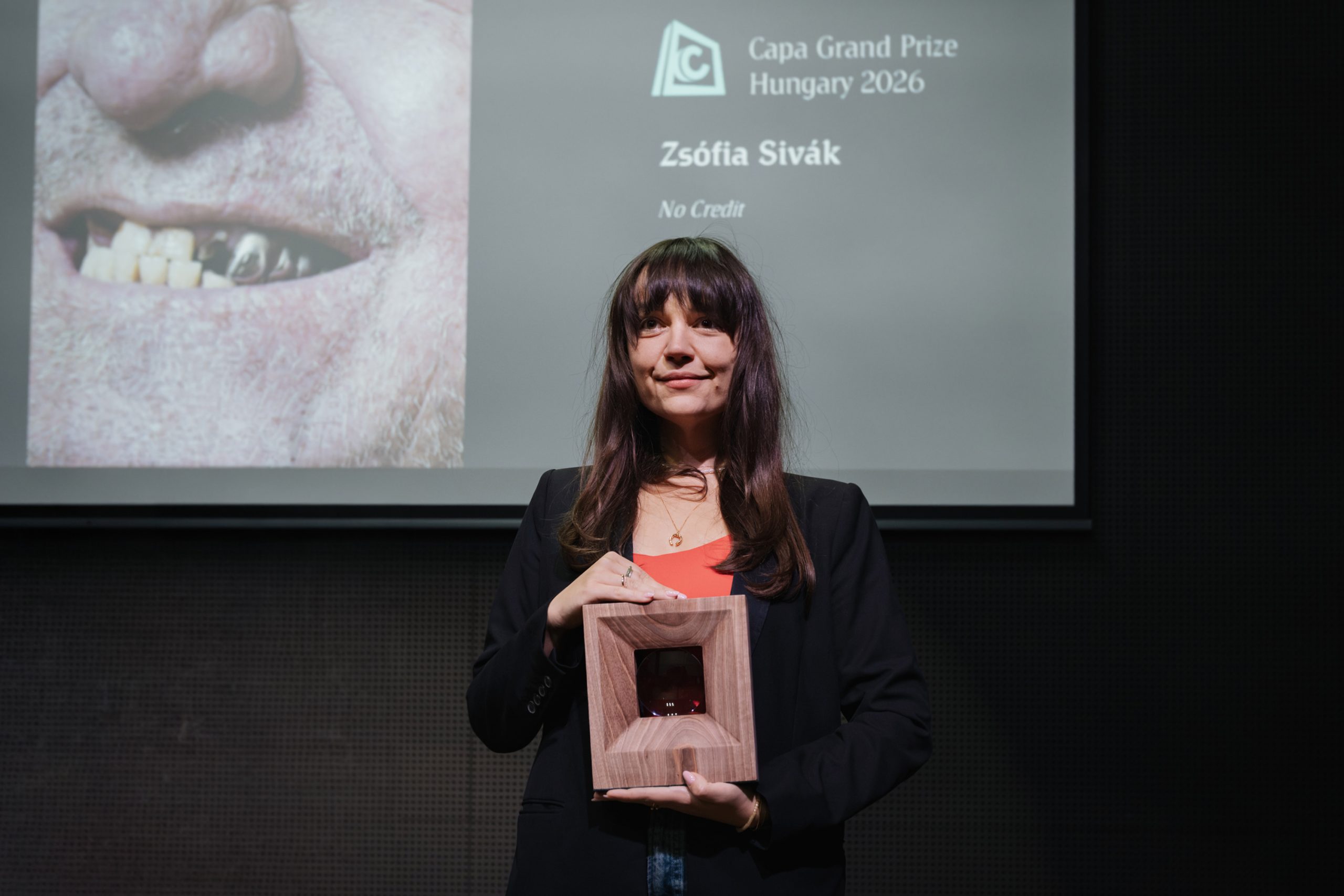
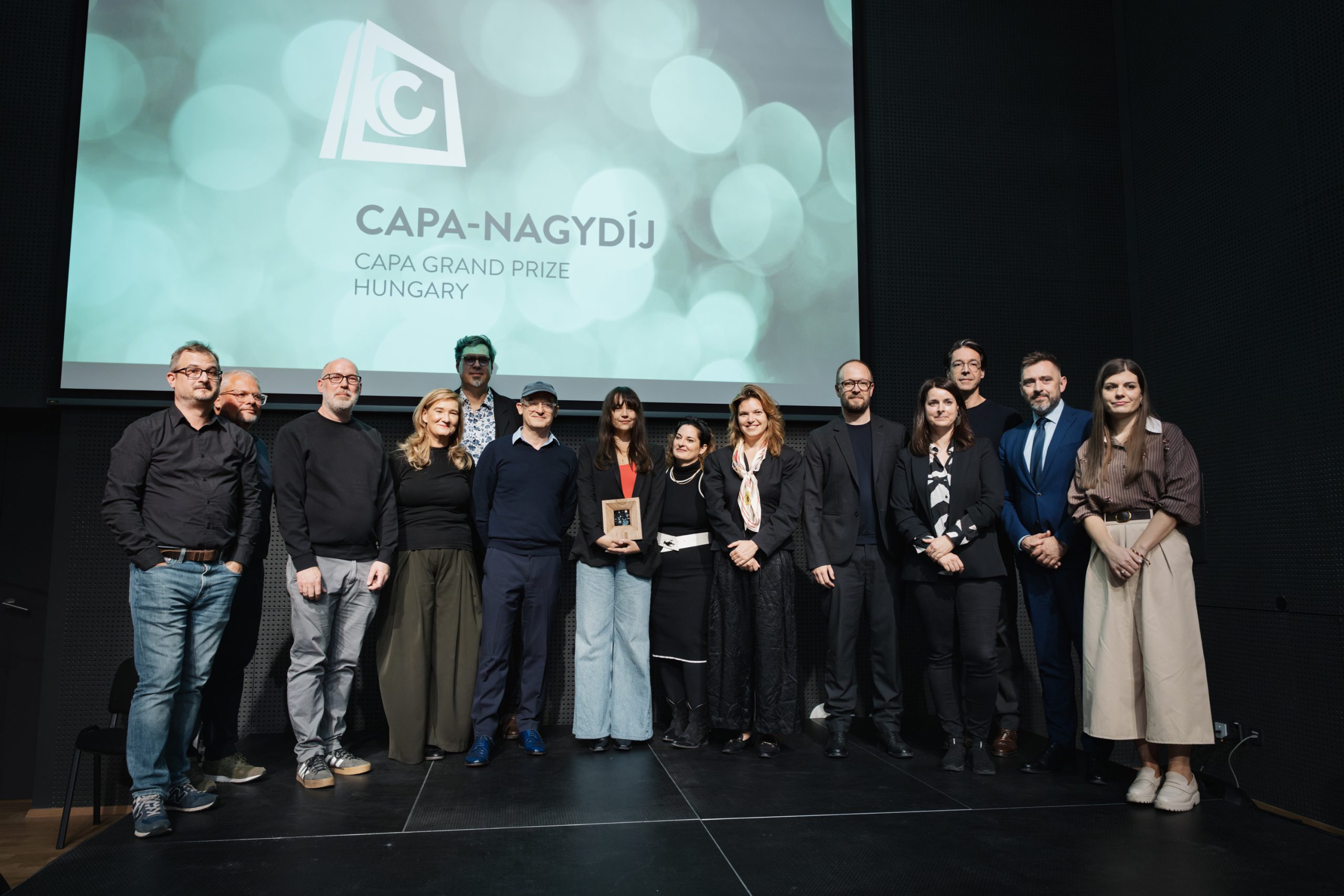

Following the presentations, the jury selected this year’s Grand Prize winner in a closed-door deliberation.
Jury Members:
• David Campany, creative director, International Centre of Photography (USA)
• Wiktoria Michałkiewicz, arts and culture manager, founder of the REZO agency (Poland–Portugal)
• Gyula Sopronyi, photographer
• Éva Szombat, photographer
• Manfred Wiplinger, director, Galerie Krinzinger (Austria)
Capa Grand Prize Hungary
Discover the work of previous years’ winners and nominees!