GREAT MASTERS OF PHOTOGRAPHY – László Moholy-Nagy (Other location: Accademia d’Ungheria in Roma)
On view: November 27, 2025 – February 28, 2026
The exhibition is a collaboration between the Hungarian Academy of Rome and the Robert Capa Contemporary Photography Center.
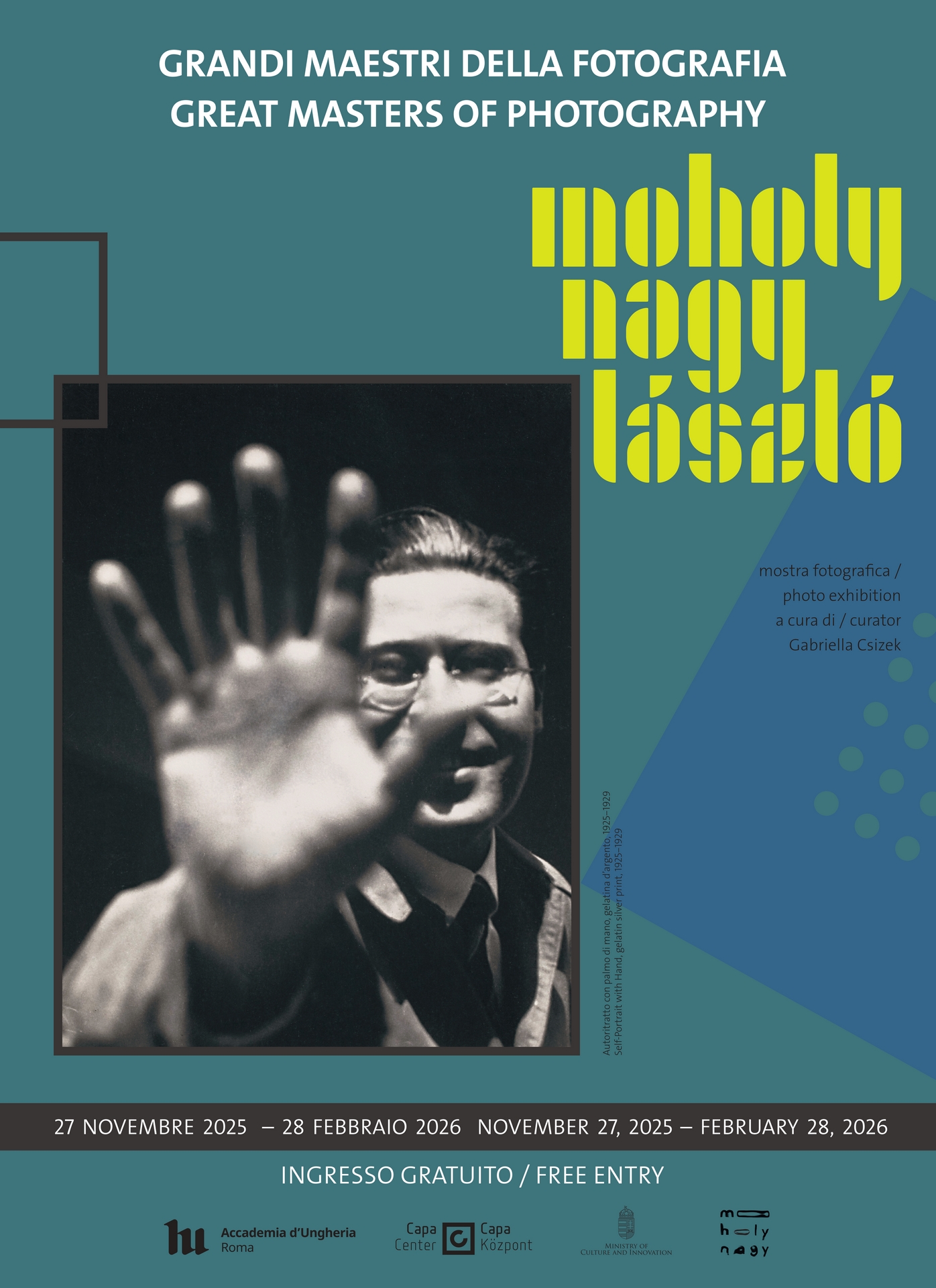
László Moholy-Nagy: A New Vision of Seeing
The Hungarian László Moholy-Nagy is one of the most versatile and influential artists of the 20th century. He was involved in painting, photography, and film as well as design, art education, sculpture, industrial design, typography, and advertising. He is the boldest experimentalist, who became the most important theoretical and practical master of the “new vision” due to his modern perspective and style. His work in fine arts was complemented by his theoretical and educational endeavors – both as a teacher at the Bauhaus school and as the founder of a school in Chicago.
Moholy-Nagy liberated photography from imitating painting in its representation, and he actively sought the forms and possibilities of expression characteristic of this medium only. He captured the interrelations of reality revealed specifically to photographic imagery in his photographs and experimental films.
In his lifetime, he had to continue or restart his creative work in a new country on several occasions; still, he never lost his optimist belief in that if art was accessible for all, and pursued as a joint activity, it would make the world a better place.
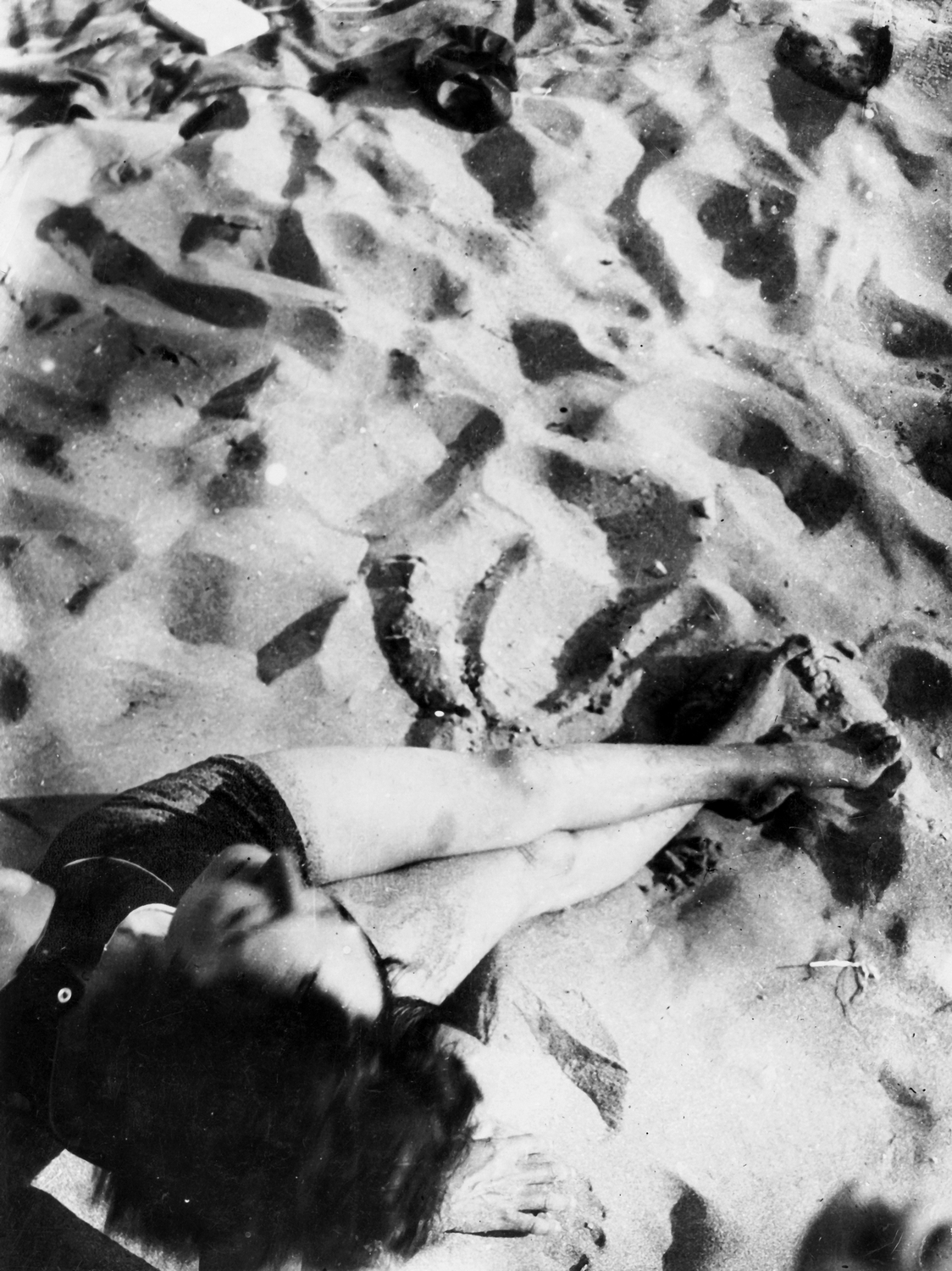
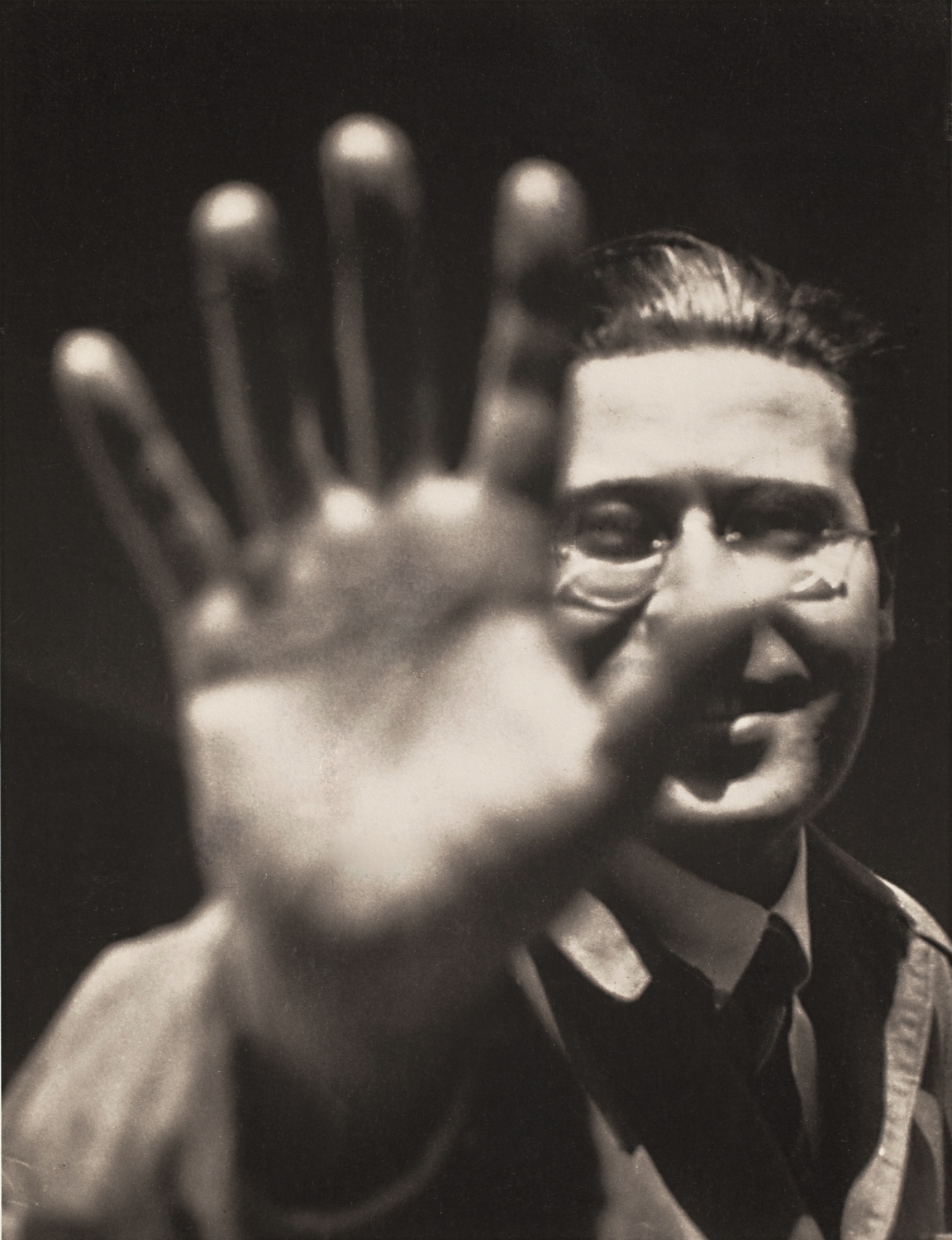
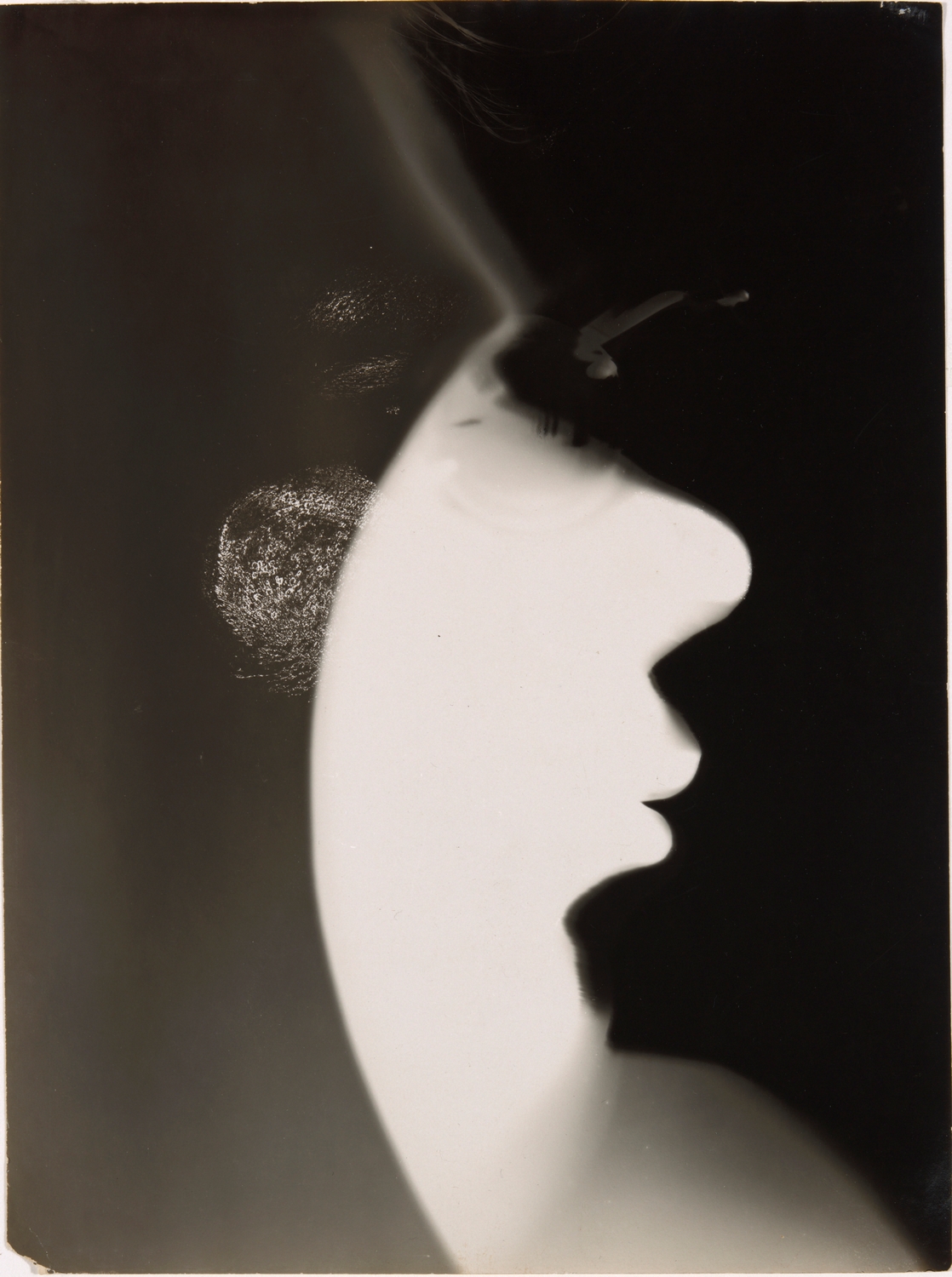
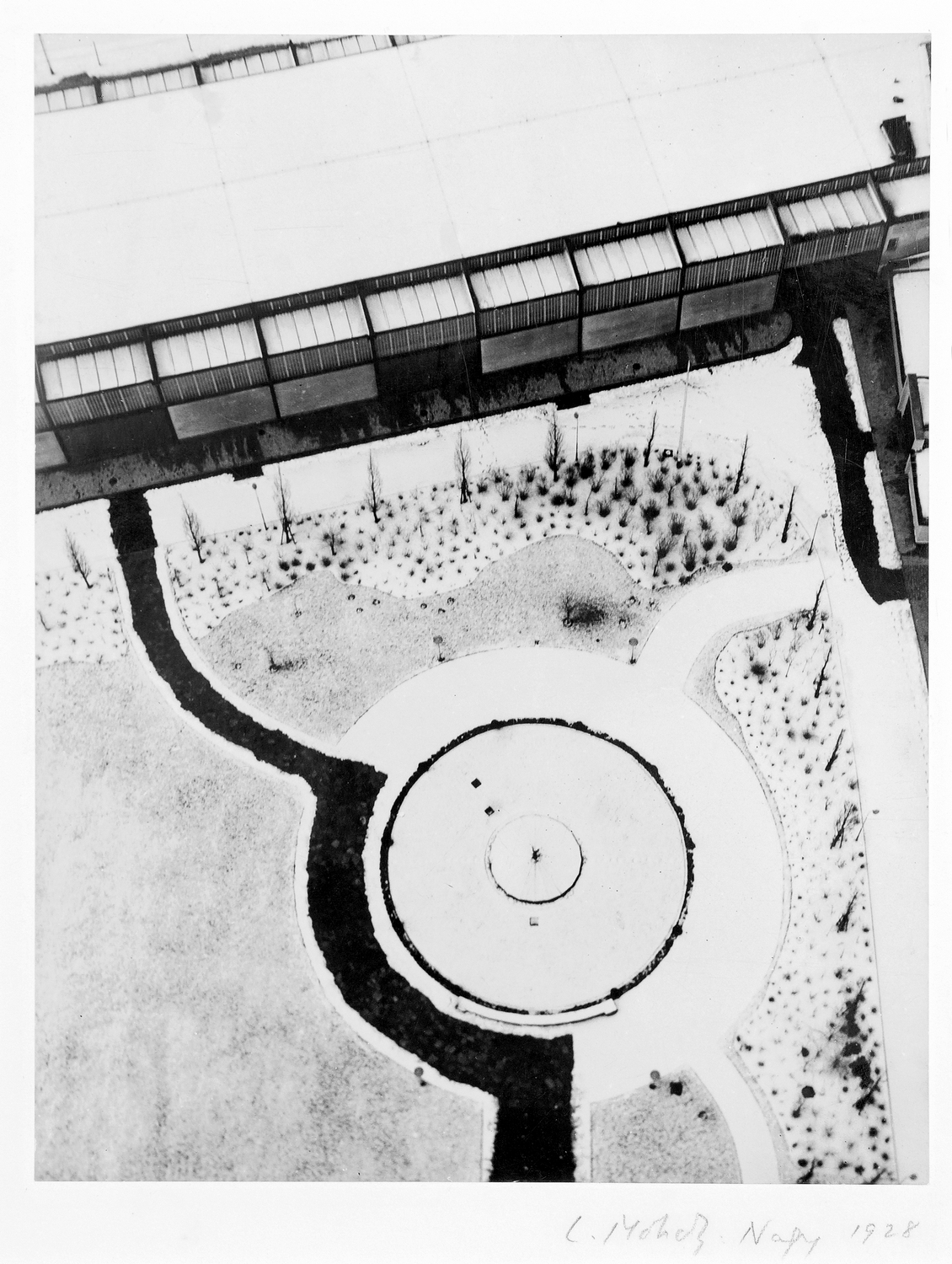
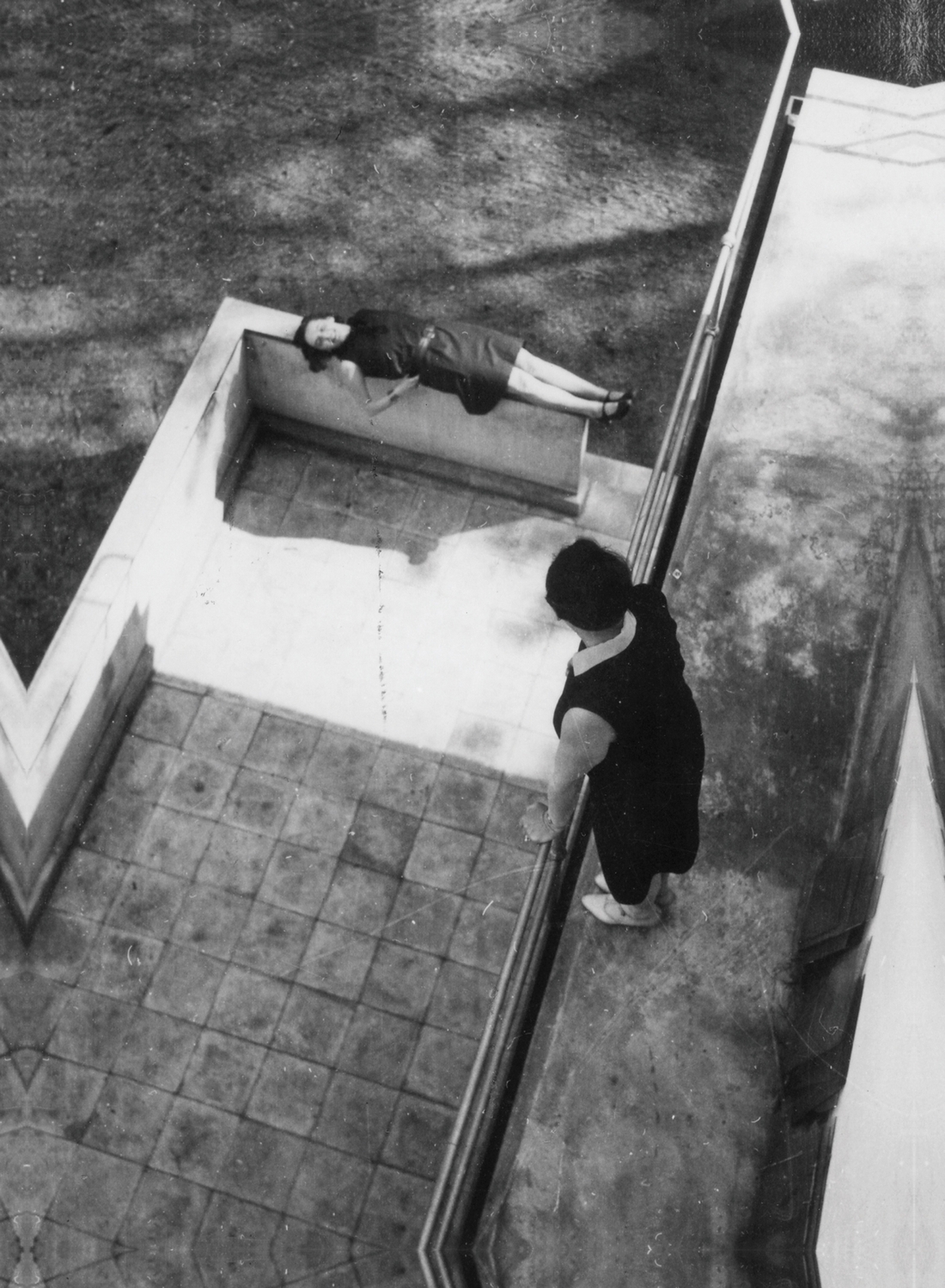
“…[H]is inner urge caused him to penetrate into many fields of artistic design: typography, advertising art, photography, film, theater. He was a man of fiery spirit, full of vitality, love, and contagious enthusiasm. The aim of his creations was to observe ‘vision in motion’ in order to find a new space conception. Entirely unprejudiced by conventional methods, he ventured into ever new experiments with the curiosity of a scientist,” characterized him Walter Gropius, who invited him to teach at the Bauhaus, this revolutionary art school, where one of the main objectives was to identify how art and science are connected to everyday life.
His whole work was interwoven by observing and researching the nature and space-defining power of light: this is delineated in his photograms (photographs taken without a camera) from the 1920s, then in his iconic work Light Space Modulator, and also in his at times painted sculptures made from transparent surfaces.
“Moholy Nagy was a marvelous person. As a photographer, he did his own thing, and he did it well. One time here in Paris, he asked me to photograph some of his sculptures. I jokingly asked him why he didn’t photograph them himself, since he was a photographer in his own right. He replied – how nice of him: ‘You know, I just play with photography. You are the photographer.’,” recalls André Kertész in an interview.
And play, according to its definition, is free activity, that is, inventive creation.
Gabriella Csizek, curator